
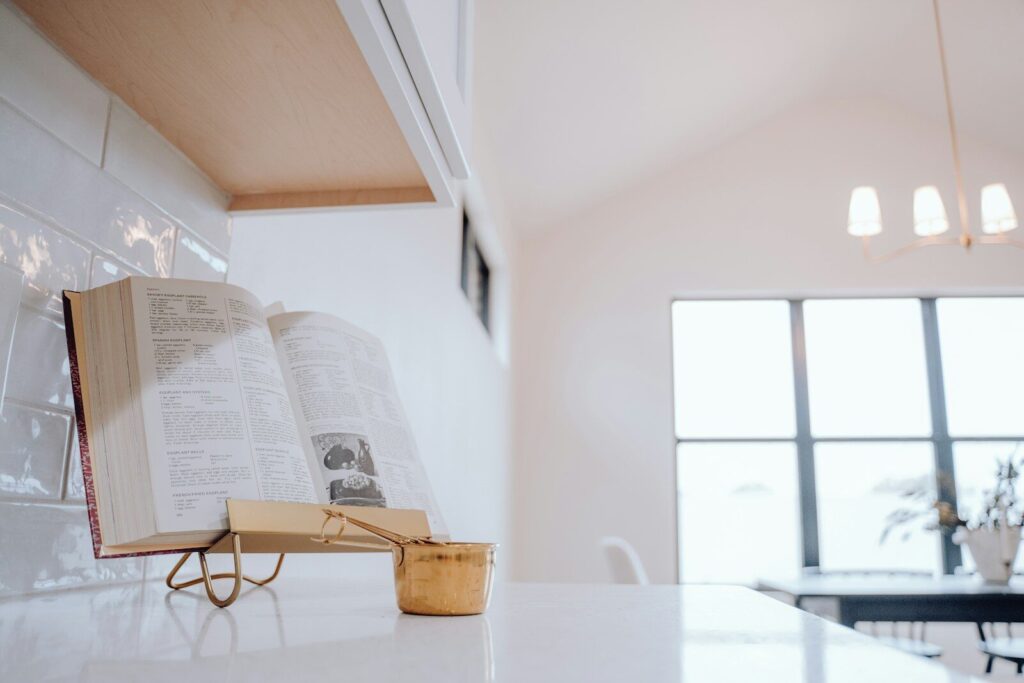
Featured Photo by Bailey Alexander
Creating a calm and clutter-free environment is more than just an aesthetic choice—it’s a lifestyle shift that can significantly enhance well-being, productivity, and peace of mind. In a world overflowing with distractions and possessions, cultivating a space that feels serene and organized helps clear mental fog and promotes relaxation. Whether it’s a small apartment or a spacious home, the principles of simplicity and intentionality can transform any area into a sanctuary.
Achieving this kind of environment requires practical strategies that go beyond tidying up. It’s about thoughtful decision-making around what to keep, how to arrange belongings, and how to maintain balance over time. This article explores actionable steps to help foster tranquility and order in living spaces, drawing on popular and effective methods that many people find both manageable and rewarding.
Understanding the Impact of Clutter on Calmness
Before diving into specific approaches, it’s important to recognize how clutter affects emotional and mental states. Studies and anecdotal evidence alike show that excessive clutter can increase stress levels, reduce focus, and even negatively impact sleep. When the brain constantly processes visual chaos, it struggles to relax, making calmness elusive.
A clutter-free environment, conversely, signals order and control to the mind, encouraging a sense of calm and clarity. This sets the foundation for adopting habits that sustain a peaceful living space.
Embrace Minimalism Without Sacrifice
Minimalism is often misunderstood as living with as little as possible, but it’s more accurately about intentional possession. This mindset encourages keeping only what serves a purpose or brings joy, which naturally reduces clutter.
Start by assessing belongings room by room. Sort items into categories: essentials, sentimental, and unnecessary. A practical tip is the “one-year rule”: if something hasn’t been used in the last year and lacks emotional value, it’s a candidate for donation or recycling. This method helps people part with items they don’t need while retaining meaningful possessions.
Minimalism also extends to décor and furniture. Choosing multi-functional pieces like storage ottomans or beds with drawers can minimize clutter without compromising comfort or style.
Designate Clear Zones for Different Activities
Creating calm is easier when a space has clear purpose and flow. Designating zones for work, relaxation, eating, and hobbies prevents clutter from accumulating in unintended places.
For example, a dedicated home office corner with proper storage keeps papers and supplies contained, reducing distractions. Similarly, setting up a cozy reading nook with just a chair, lamp, and bookshelf invites relaxation without overwhelming the senses.
Using rugs or room dividers can visually separate areas in open-plan layouts. This helps the brain associate each zone with its specific function, reinforcing calm and organization.
Incorporate Smart Storage Solutions
Clutter often results from lack of adequate storage. Investing in smart, space-saving storage options can dramatically improve tidiness and calm.
Floating shelves keep floors clear and add vertical storage without bulk. Drawer organizers and bins help categorize small items like stationery or cosmetics, making it easier to find what’s needed quickly. Clear containers are popular because they allow visibility, reducing the need to rummage through boxes.
Incorporating hidden storage—such as under-bed compartments or furniture with built-in drawers—maximizes space efficiency. These solutions keep belongings out of sight, which reduces visual clutter and enhances a serene atmosphere.
Develop Daily Habits to Maintain Order
A calm and clutter-free environment is not a one-time achievement but an ongoing process. Building simple daily habits can prevent clutter from creeping back in.
One effective habit is the “five-minute tidy” where each day, a short window is devoted to putting things back in their place. This small effort prevents messes from growing and keeps spaces feeling fresh.
Another strategy is the “one-in, one-out” rule: when acquiring a new item, commit to removing one old item. This helps maintain balance and discourages accumulation.
Regularly reviewing and decluttering every few months ensures that only useful and meaningful possessions remain, supporting sustained calmness.
Use Soothing Colors and Natural Elements
Visual calmness is enhanced by thoughtful design choices. Colors have a strong impact on mood; soft, neutral tones like beige, light gray, or muted greens are widely recommended for creating relaxing spaces.
Natural elements such as plants, wooden furniture, and natural light bring warmth and life to a room without adding clutter. Houseplants, in particular, improve air quality and offer gentle visual interest, which helps reduce stress.
Avoid overly busy patterns or bright, clashing colors in furniture and décor, as these can contribute to sensory overload and undermine a calm vibe.
Technology and Digital Decluttering
In modern life, clutter isn’t confined to physical space. Digital clutter—from overflowing inboxes to scattered files—can also impact mental calmness.
Setting up organized digital folders, unsubscribing from unnecessary emails, and using apps that promote productivity can reduce digital stress. Establishing “tech-free” zones or times, especially in bedrooms, helps disconnect and supports better rest.
Managing both physical and digital clutter creates a comprehensive approach to maintaining calm in everyday life.
Personalize without Overcrowding
A calm environment doesn’t have to be sterile or impersonal. Thoughtful personalization adds warmth and comfort without contributing to clutter.
Display a few meaningful items such as family photos, artwork, or souvenirs in a curated manner. Rotating displays seasonally can keep the space feeling fresh and intentional.
The key is restraint—choose quality over quantity to maintain a sense of order while reflecting personality.
- Practical minimalist storage solutions for every room
- Tips for designing multi-purpose calm zones
- Guides on cultivating daily tidying habits