
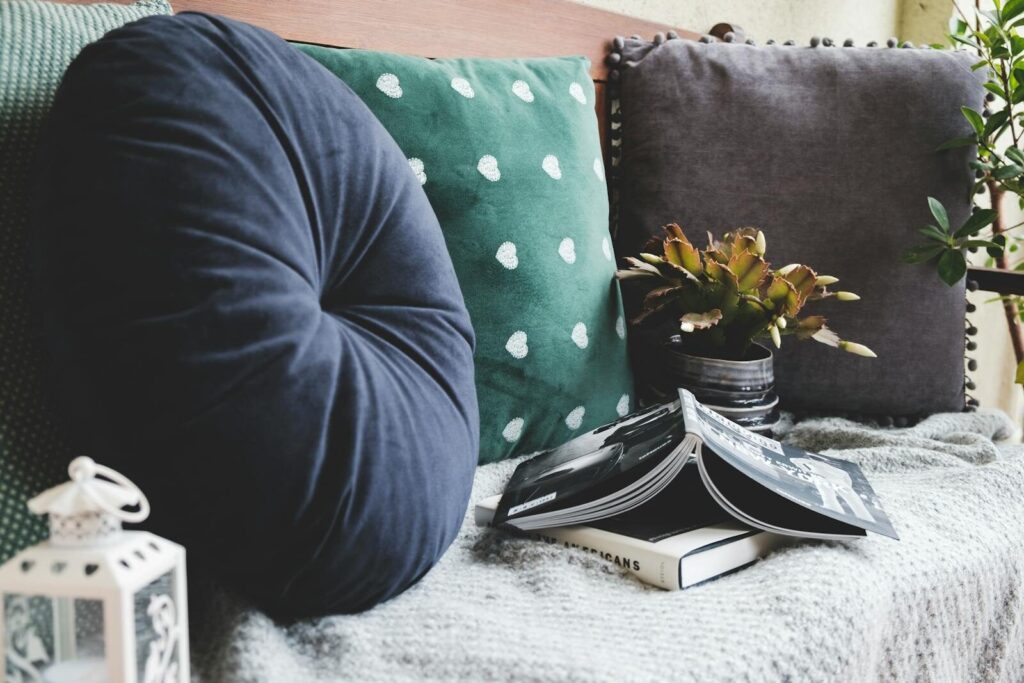
Comfort has evolved from a simple desire into a lifestyle movement, influencing everything from fashion to home design and wellness routines. As people increasingly prioritize well-being and ease in their daily lives, new comfort trends are emerging that blend functionality with style and mindfulness. These fresh approaches are reshaping how individuals create cozy environments, choose clothing, and manage their routines. Here’s a closer look at the comfort trends everyone is turning to and why they’re gaining widespread appeal.
You might also find this helpful: Simple Ways to Refresh Your Home Without Spending a Lot
Embracing Soft, Adaptive Fabrics in Everyday Wear
One of the most notable comfort trends lies in the rise of soft, adaptive fabrics in clothing. Brands are focusing on materials that move with the body, are breathable, and maintain their shape throughout the day. These textiles are often moisture-wicking, temperature-regulating, and gentle on the skin, making them ideal for multitasking lifestyles.
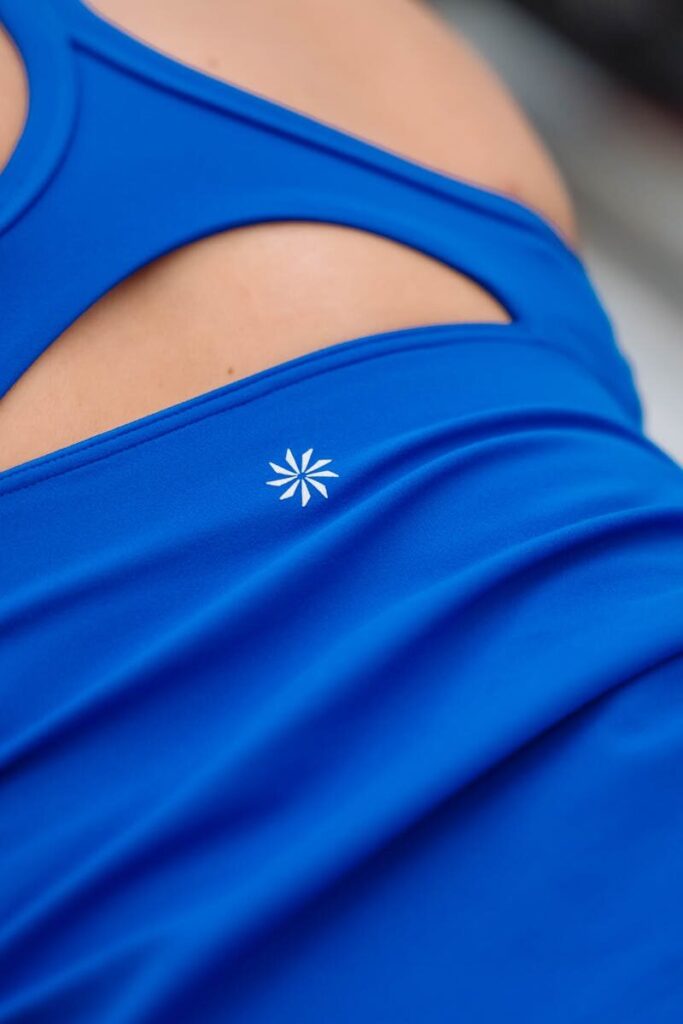
- Modal and Tencel: These sustainable fibers are silky smooth, breathable, and eco-friendly, perfect for those seeking comfort without compromising environmental values.
- Stretch-Enhanced Cotton Blends: Combining classic cotton with elastane creates garments that feel familiar yet flexible enough to accommodate movement and comfort.
- Seamless Construction: Minimizing seams reduces irritation and pressure points, enhancing overall wearability.
This shift toward comfort-focused fabrics means people no longer need to sacrifice style for ease, making it easier to stay comfortable from morning meetings to evening relaxation.
Creating Calming Spaces with Soft Textures and Warm Lighting
Home environments have become sanctuaries, and comfort trends in interior design reflect a move toward spaces that nurture relaxation and mental well-being. Soft textures and warm lighting are key to achieving this effect.
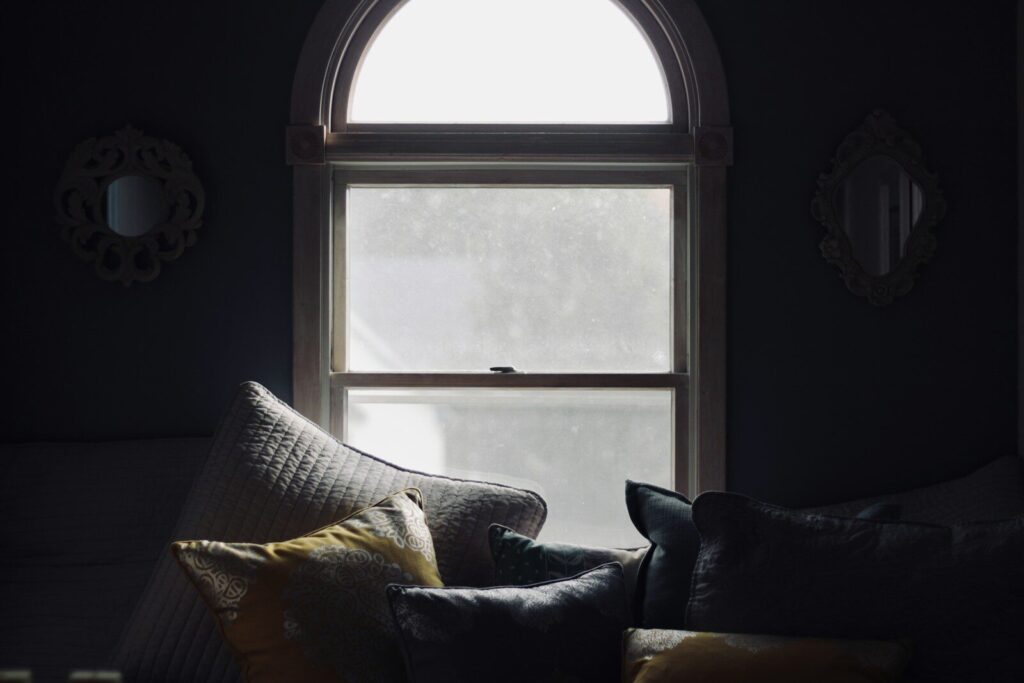
- Layered Textiles: Plush throws, velvet cushions, and chunky knit blankets add tactile comfort and invite lounging.
- Natural and Warm Lighting: Soft, amber-hued lights and adjustable lamps create soothing atmospheres that reduce eye strain and promote calm.
- Neutral and Earthy Tones: Walls and decor in muted greens, beiges, and soft pastels help foster tranquility and reduce overstimulation.
By focusing on these elements, homes become cocoon-like retreats that support restful moments and mental clarity throughout busy days.
Integrating Mindful Movement into Daily Routines
Comfort trends extend beyond physical surroundings and clothing into the realm of wellness, with mindful movement practices gaining popularity as a way to enhance both comfort and health.
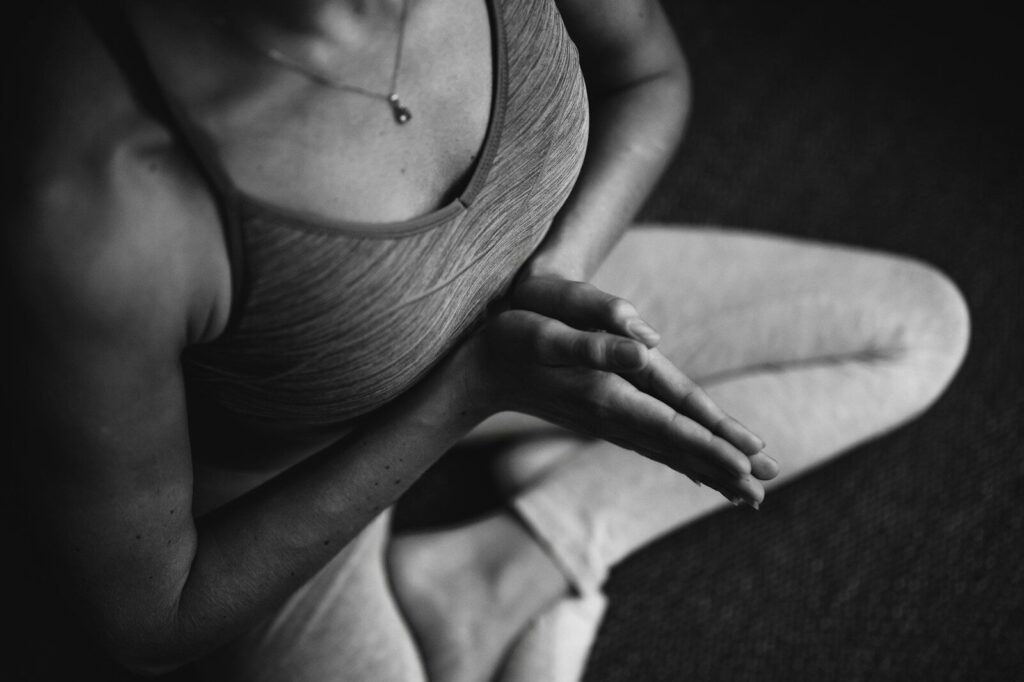
- Gentle Yoga and Stretching: Accessible movements that relieve tension and improve flexibility are widely embraced for their calming benefits.
- Walking Breaks with Purpose: Incorporating short, mindful walks during work breaks helps reset focus and reduce physical discomfort.
- Breathwork and Meditation: These practices complement movement by promoting relaxation and reducing stress.
This holistic approach to comfort emphasizes nurturing the body and mind simultaneously, making everyday activities feel more restorative.
Prioritizing Functional and Ergonomic Home Office Setups
As remote work and flexible schedules continue to shape lifestyles, comfort trends have spurred a surge in ergonomic home office solutions designed to reduce discomfort and boost productivity.
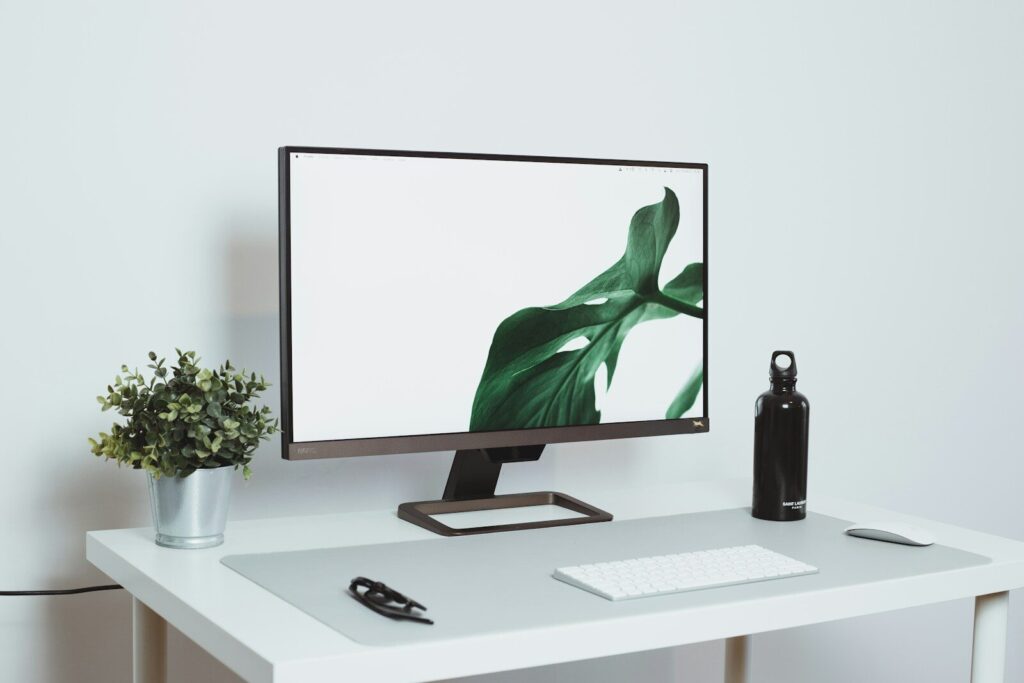
- Adjustable Chairs and Desks: Furniture that adapts to individual posture needs helps reduce strain during long work hours.
- Supportive Accessories: Items such as lumbar cushions, footrests, and monitor stands promote healthy alignment.
- Clutter-Free, Personalized Spaces: Organizing workstations with intentional simplicity and personal touches enhances mental comfort and focus.
This focus on ergonomic design reflects a wider understanding that comfort at work is essential for sustained well-being and efficiency.
Opting for Versatile Footwear That Supports All-Day Comfort
Footwear has also prioritized comfort, with many people choosing versatile styles that blend support and style for a variety of occasions.
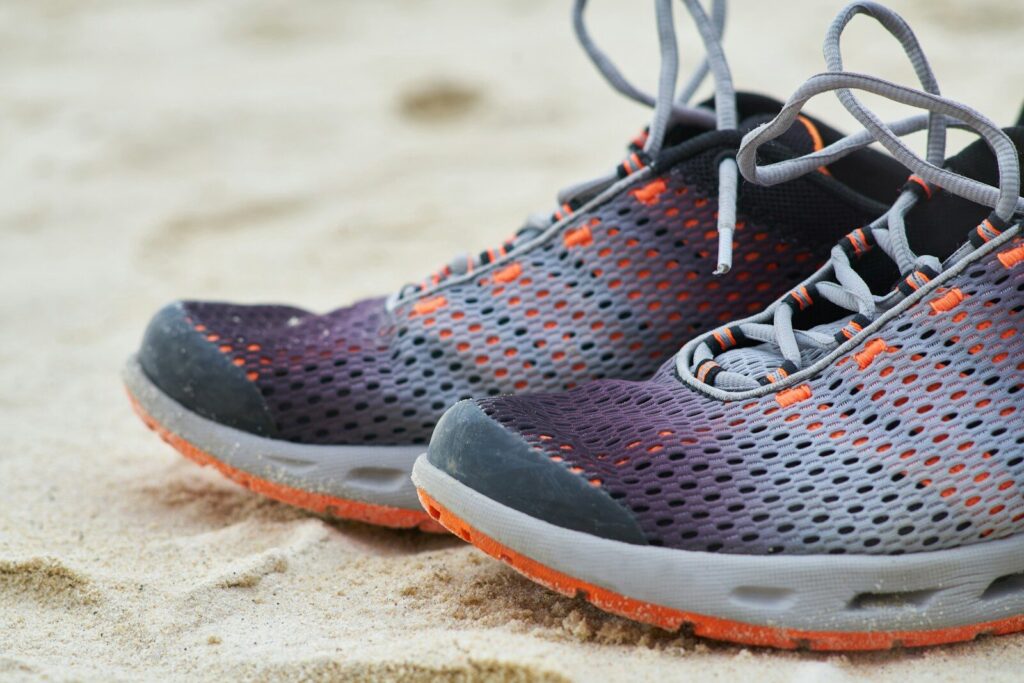
- Cushioned Sneakers with Sleek Designs: These shoes offer the support needed for walking or standing, paired with aesthetics suitable for casual or semi-formal settings.
- Slip-On Loafers and Mules: Easy to wear and remove, these options provide comfort without sacrificing sophistication.
- Eco-Conscious Materials: Sustainable choices that use recycled or natural materials appeal to those focused on comfort and the environment.
Comfortable footwear ensures that people can move through their day with ease, whether commuting, working, or socializing.
Exploring Tech-Enhanced Comfort Solutions
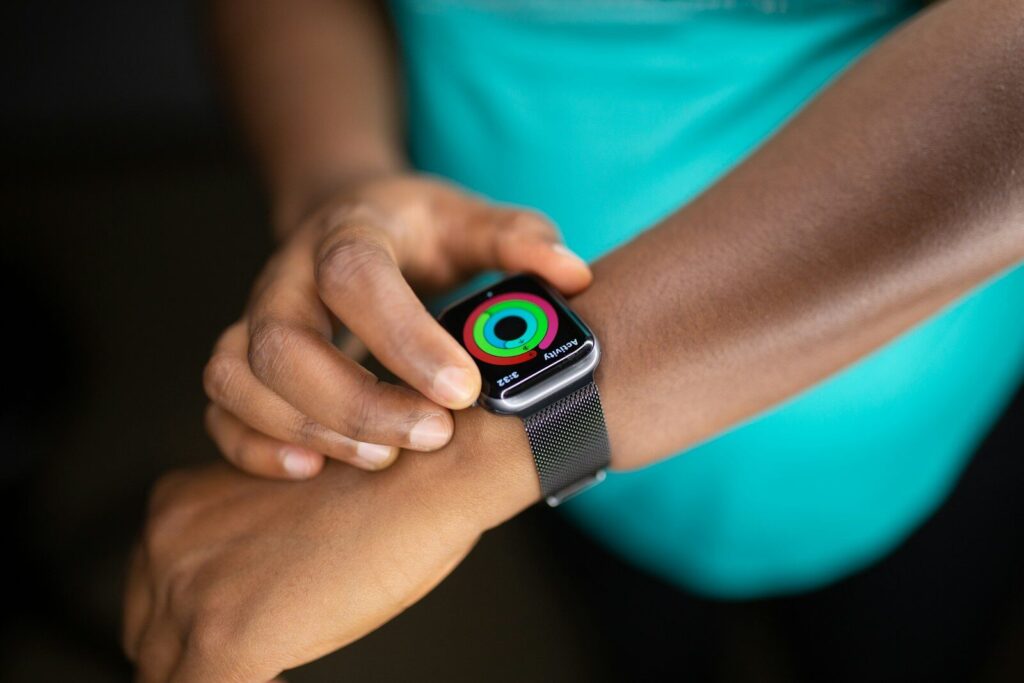
Technology continues to innovate in the realm of comfort, introducing smart products that respond to individual needs and enhance personal well-being.
- Temperature-Regulating Bedding: Smart sheets and mattresses adjust temperature for optimal sleep comfort.
- Wearable Wellness Devices: Gadgets that monitor posture, activity levels, and stress signals help users make informed adjustments to their comfort.
- Voice-Activated Home Systems: Smart lighting, climate control, and entertainment systems create effortless comfort environments.
These tech-enabled comforts demonstrate how innovation can seamlessly integrate with lifestyle trends to improve daily experiences.
Opting for Minimalism to Reduce Overwhelm and Enhance Ease
Minimalism remains a favored comfort trend as people seek simplicity to reduce stress and increase ease in their environments and routines.
- Decluttered Living Spaces: Streamlined decor and intentional possessions promote mental clarity and physical space for relaxation.
- Simplified Wardrobes: Capsule collections with versatile, comfortable pieces reduce decision fatigue and streamline dressing.
- Focused Daily Rituals: Prioritizing meaningful, manageable activities over busy schedules fosters a sense of control and peace.
The minimalist approach supports lasting comfort by emphasizing quality over quantity and creating calm through intentional choices.
Comfort trends are reshaping how people approach their lifestyles, blending physical ease with mental well-being. By incorporating adaptive fabrics, mindful movement, ergonomic design, and thoughtful tech, individuals are crafting environments and routines that truly support their needs every day. Embracing these trends invites a more comfortable, balanced approach to modern living.