
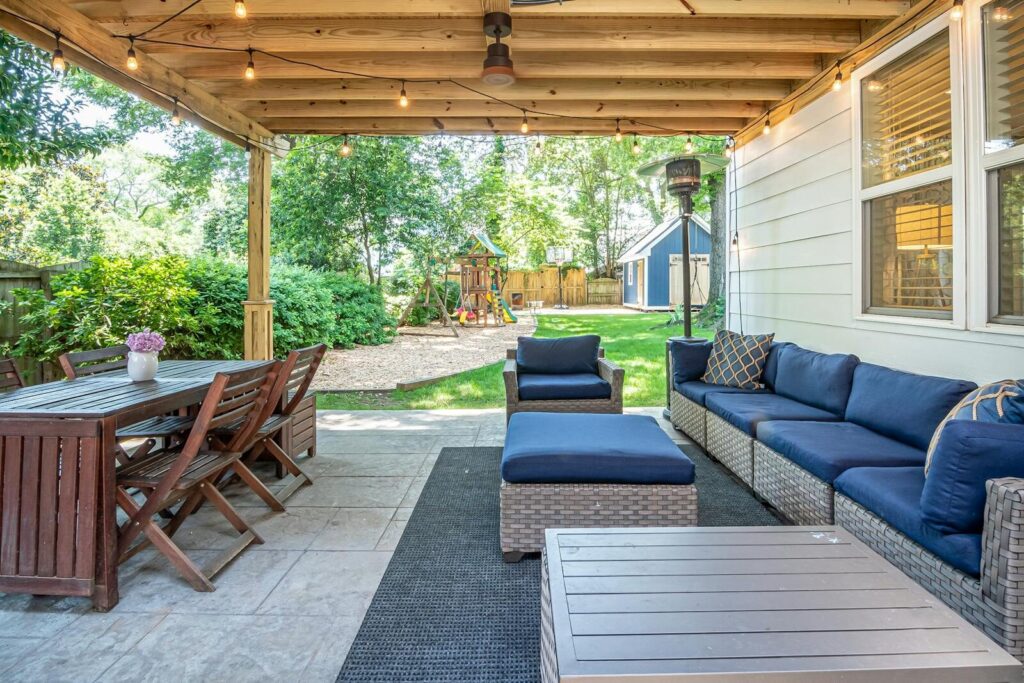
Expanding a patio can transform an outdoor space into a more inviting and functional area for relaxation or entertaining. However, budget constraints often limit homeowners from undertaking large-scale renovations. Fortunately, there are numerous creative ways to expand a patio on a tight budget without sacrificing style or usability. By leveraging smart design choices, repurposed materials, and clever landscaping, it’s possible to enhance outdoor living spaces affordably and effectively.
Affiliate disclosure: Some links in this article are affiliate links. If you make a purchase through an affiliate link, I may earn a commission at no additional cost to you. As an Amazon Associate I earn from qualifying purchases.
Use Modular and Affordable Paving Options
One of the most cost-effective ways to expand a patio is by using modular paving solutions that are easy to install and flexible in design. Concrete pavers, gravel, and stepping stones are popular choices that provide a polished look without high labor costs.
- Concrete Pavers: These are widely available in various shapes and sizes and can be laid by homeowners with basic DIY skills. Interlocking pavers reduce the need for mortar, cutting down on cost and installation time.
- Gravel: An inexpensive option that can quickly increase patio space. Gravel requires minimal groundwork and can be contained with simple edging materials like timber or metal strips.
- Stepping Stones: Ideal for creating pathways or extending seating areas, stepping stones can be spaced out over grass or soil, adding functionality and charm without a full patio build.
These materials allow for gradual expansion over time, making it easier to manage costs and labor.
Incorporate Raised Decking with Reclaimed Wood
Raised decking can add both space and dimension to a patio area. Using reclaimed or secondhand wood significantly reduces material costs while contributing to sustainable building practices.
- Reclaimed Wood: Salvaged wood from old pallets, barns, or construction sites can be repurposed to build decking platforms. Proper sanding and sealing ensure durability and safety.
- Modular Deck Tiles: These tiles often snap together and can be placed over existing hardscapes or soil, allowing for quick installation and easy removal or relocation.
- Simple Frame Construction: Building a basic frame with affordable lumber and covering it with decking material expands usable patio space and creates a versatile outdoor platform for furniture or plants.
Combining these elements with low-cost finishes can create an attractive, elevated area that complements existing patios.
Maximize Vertical Space for Outdoor Living
When horizontal space is limited or expanding it is costly, vertical solutions can dramatically increase a patio’s functionality and perceived size.
- Vertical Gardens: Installing wall-mounted planters or trellises with climbing plants adds greenery without taking up floor space. These also create privacy screens, enhancing the ambiance.
- Hanging Storage and Lighting: Utilize hooks and brackets to hang lanterns, string lights, or storage baskets. This frees up ground area and adds decorative elements.
- Pergolas and Canopies: Adding a lightweight pergola or fabric canopy visually defines the expanded space and provides shade. These structures can be built economically using DIY kits or affordable lumber.
Vertical enhancements contribute to a sense of enclosure and coziness, making patios feel larger and more inviting without extensive groundwork.
Repurpose Existing Materials and Furniture
Creative reuse of materials on hand or purchased secondhand can stretch a budget significantly when expanding patio space.
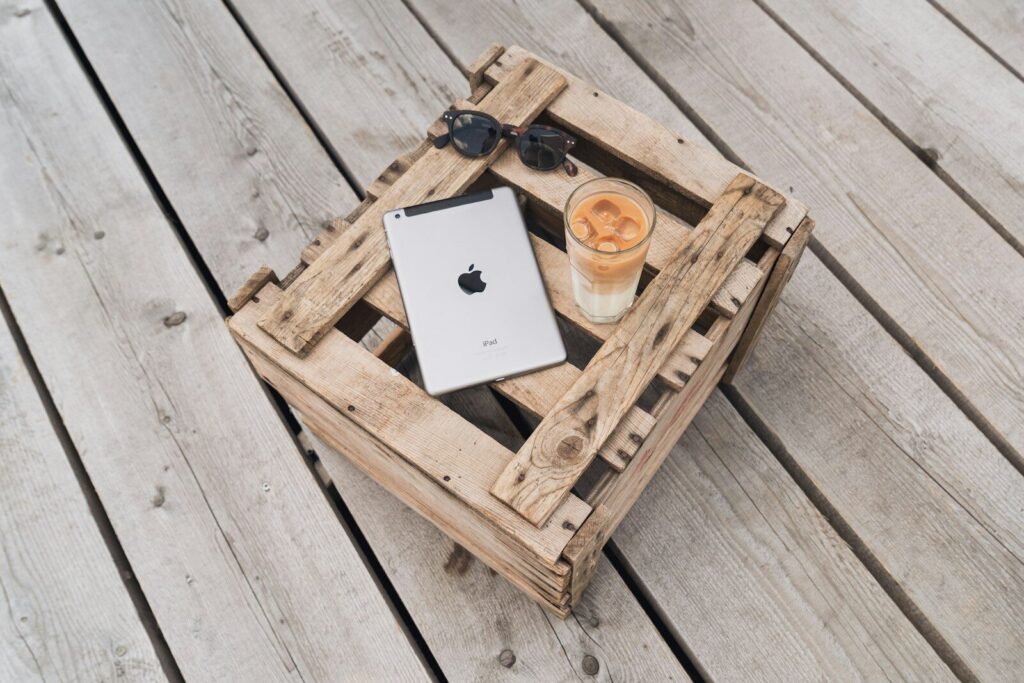
- Old Bricks or Stones: Rather than buying new pavers, incorporate salvaged bricks or stones to build borders, steps, or patio extensions.
- Upcycled Pallets: Pallets can be converted into benches, tables, or planters, providing functional outdoor furniture at minimal cost.
- Secondhand Furniture: Thrift stores and online marketplaces often have outdoor furniture available at a fraction of retail prices. A fresh coat of paint or new cushions can revitalize these pieces.
This approach not only saves money but also adds character and uniqueness to the patio expansion.
Create Multi-Functional Zones with Simple Dividers
Defining different areas within an expanded patio can maximize the utility of limited space and make the area feel larger.
- Outdoor Rugs: Using weather-resistant rugs helps designate seating or dining zones, adding color and texture without permanent installation.
- Planter Boxes: Positioned strategically, planter boxes serve as natural dividers while introducing greenery.
- Portable Screens: Folding screens or lattice panels can temporarily separate spaces, providing privacy or wind protection.
These inexpensive items help organize the patio into functional sections, making the expanded space more usable and aesthetically appealing.
Enhance Lighting to Extend Usable Hours
Affordable lighting solutions can make a patio feel more spacious and inviting by extending its usability into the evening.
- String Lights: Popular and widely used, string lights can be hung overhead or wrapped around posts to create warm, ambient illumination.
- Solar Path Lights: These require no wiring and can outline the expanded patio’s edges, improving safety and visual appeal.
- Candles and Lanterns: Battery-operated or traditional candles in jars or lanterns add charm and soft lighting at minimal cost.
Well-planned lighting not only improves functionality but also enhances the overall atmosphere of the expanded outdoor space.
Utilize Natural Landscaping to Extend the Patio Feel
Incorporating natural elements around the patio perimeter can visually and physically extend the space.
- Ground Cover Plants: Low-growing plants or moss between pavers soften hard edges and create a lush transition from patio to garden.
- Mulch and Gravel Beds: Surrounding the patio with mulch or gravel beds provides a clean border and reduces weed growth, making the area look larger and well-maintained.
- Edging with Stones or Logs: Defining the patio boundary with inexpensive natural materials adds rustic appeal and helps contain the expanded area.
These landscaping techniques complement patio materials and create a seamless flow between hardscape and garden.
Invest in Portable and Flexible Seating Solutions
Expanding usable patio space doesn’t always mean building more; flexible seating options can accommodate more guests comfortably.
- Foldable Chairs and Tables: These can be easily stored when not in use and brought out for gatherings, allowing a small patio to serve as a larger entertaining area.
- Stackable Stools: Compact and versatile, stackable stools offer additional seating without cluttering the space.
- Outdoor Poufs and Cushions: Lightweight and movable, poufs add casual seating that can be arranged in multiple configurations.
Choosing portable furniture helps make the most of an expanded patio by adapting to different needs without permanent additions.
Expanding a patio on a tight budget is achievable by combining smart material choices, creative reuse, and thoughtful design. Homeowners can increase outdoor living space affordably and stylishly by focusing on modular paving, vertical elements, upcycled materials, and multi-functional zones. These strategies not only stretch financial resources but also enhance the enjoyment and versatility of patio areas.