
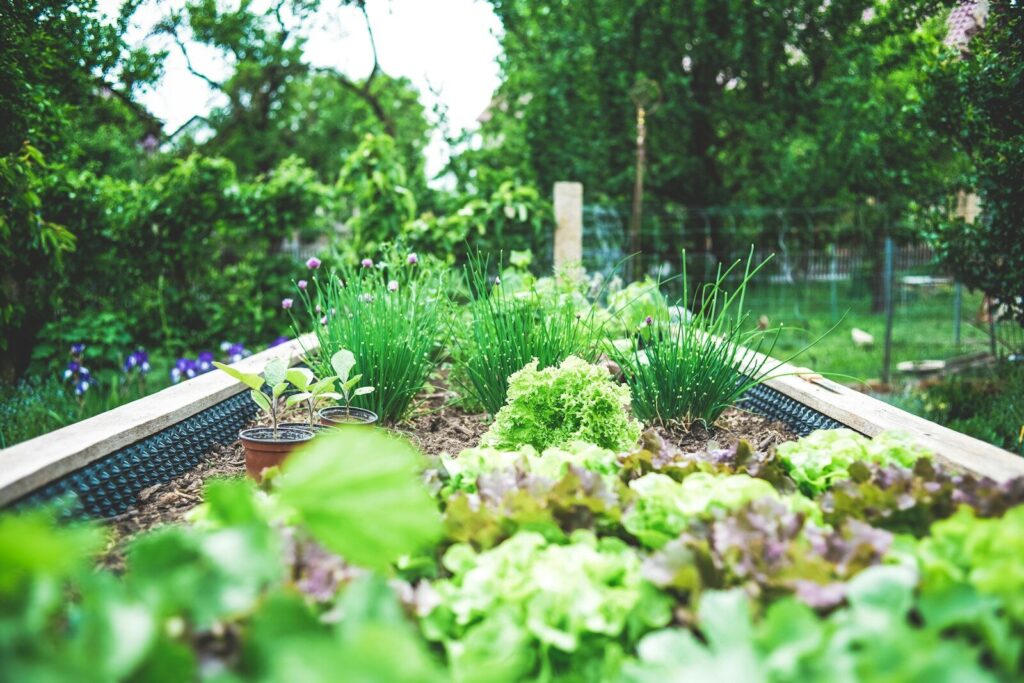
Starting a garden can feel overwhelming for beginners, but with the right approach, cultivating a thriving green space becomes both manageable and rewarding. Gardening not only enhances outdoor aesthetics but also promotes wellbeing, offering fresh produce and a calming connection to nature. To help newcomers establish a flourishing garden, here are five simple, effective gardening techniques that combine practicality with modern gardening wisdom.
Choose the Right Location and Prepare the Soil
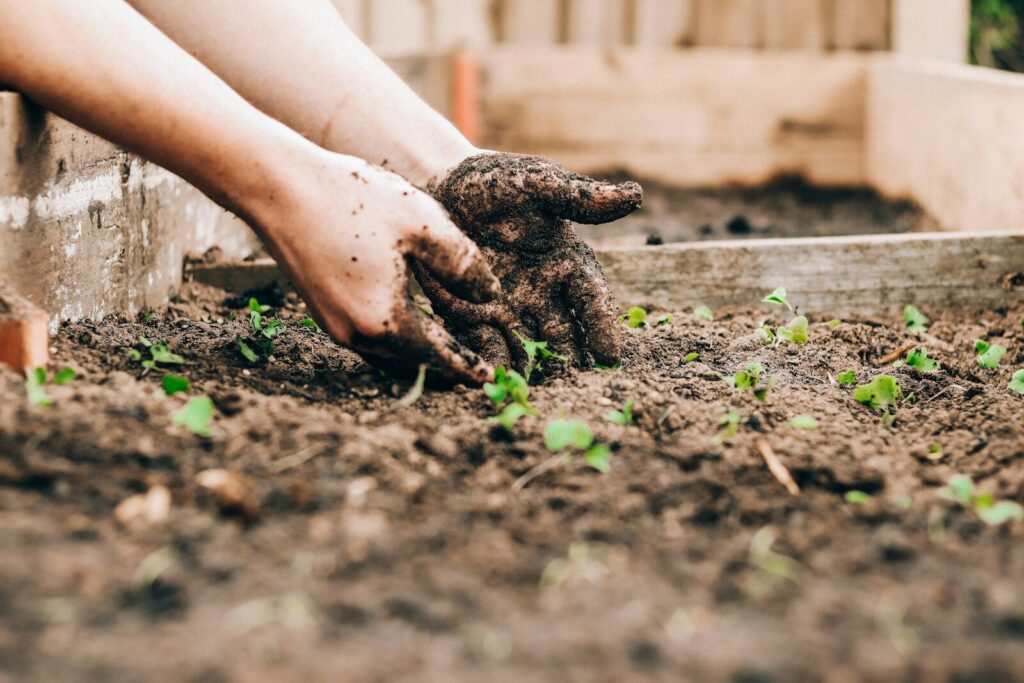
Photo by Sandie Clarke
The foundation of any successful garden begins with selecting an appropriate site and preparing the soil properly. Most plants thrive in locations that receive at least six hours of sunlight daily. Observing the yard throughout the day will help identify sunny spots that are not shaded by buildings or trees.
Soil quality is another critical factor. Gardeners should test their soil’s texture and pH to understand its nutrient profile. Many local garden centers offer soil testing kits that provide quick insights. Once the soil quality is known, amending it with organic matter such as compost or well-rotted manure improves fertility, drainage, and structure. This step ensures plants have the nutrients and environment they need to establish healthy roots.
Actionable takeaway: Spend time analyzing your garden’s sunlight exposure and invest in simple soil testing. Enrich the soil with organic matter before planting to boost plant health from the start.
Start with Easy-to-Grow Plants

Photo by Tawseem Hakak
For beginners, selecting plants that are forgiving and resilient is crucial. Popular choices include herbs like basil, mint, and parsley, which grow well in containers or garden beds with minimal fuss. Leafy greens such as lettuce and spinach are also widely recommended for their quick growth and tolerance to various conditions.
Flowers like marigolds and zinnias add color and attract pollinators while requiring little maintenance. Starting with seeds or small seedlings from a local nursery can give beginners a head start, reducing the risk of failure often associated with delicate or slow-growing varieties.
Actionable takeaway: Opt for beginner-friendly plants that suit your climate and gardening space. Focus on herbs, leafy greens, and hardy flowers to build confidence and enjoy visible progress.
Practice Efficient Watering Techniques
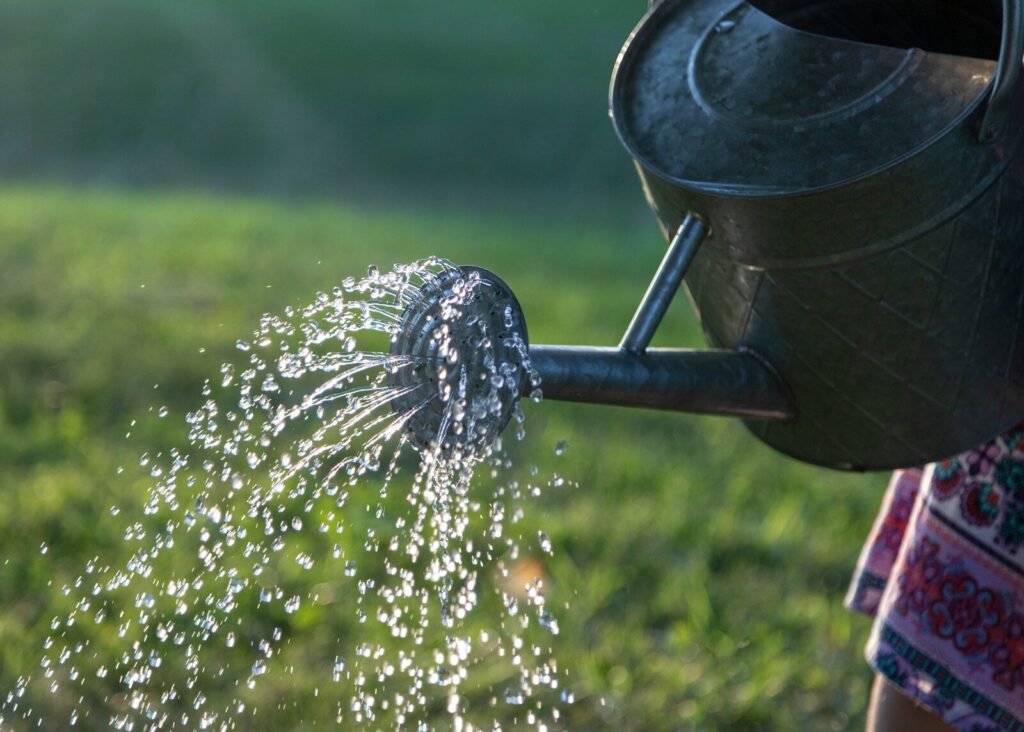
Photo by David Ballew
Watering is a fundamental aspect of gardening but often misunderstood. Overwatering can be just as harmful as underwatering, leading to root rot or stressed plants. The best approach is to water deeply and less frequently, encouraging roots to grow deeper and making plants more drought-resistant.
Morning watering is ideal, as it allows foliage to dry during the day, reducing the chance of diseases. Using drip irrigation or soaker hoses delivers water directly to the soil, minimizing evaporation and waste. For container gardening, ensure pots have drainage holes to prevent waterlogging.
Actionable takeaway: Water plants early in the day with a deep soak to promote healthy root development. Consider drip irrigation methods for efficiency and consistency.
Implement Mulching for Soil Protection and Weed Control
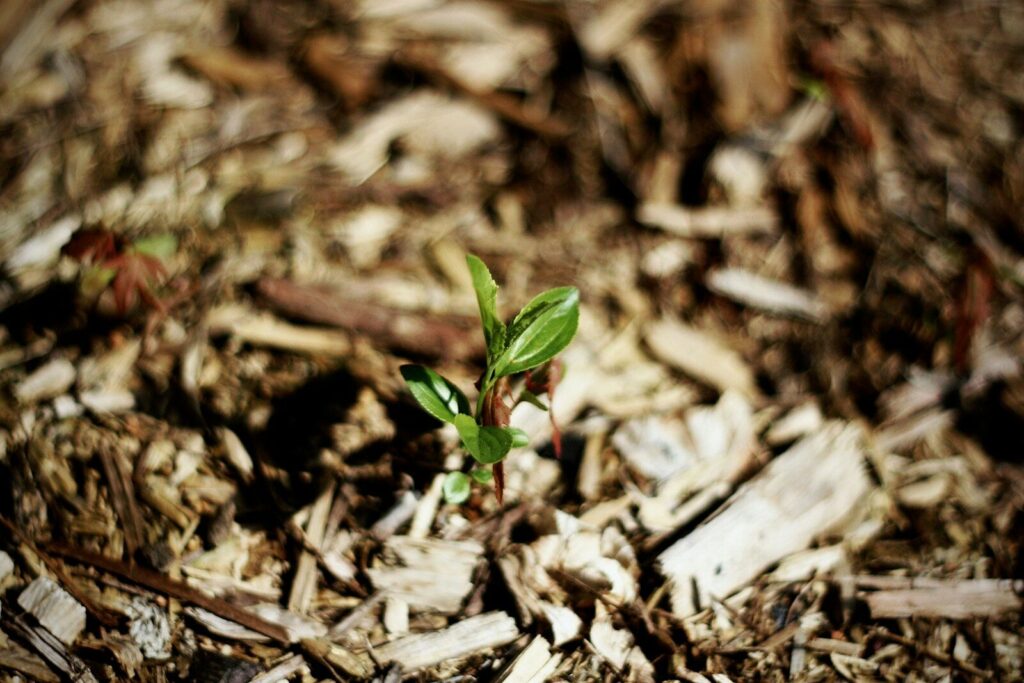
Photo by Maddy Baker
Mulching is a widely used technique that benefits soil health and simplifies garden maintenance. Applying a layer of organic mulch — such as wood chips, straw, or shredded leaves — around plants helps retain soil moisture, regulate temperature, and suppress weed growth.
Mulch also gradually breaks down, adding nutrients back into the soil and improving its texture. This natural barrier reduces the need for frequent watering and weeding, allowing beginner gardeners to focus on other tasks.
Actionable takeaway: Apply a 2-3 inch layer of organic mulch around plants to conserve moisture, control weeds, and enrich soil over time.
Practice Regular Observation and Simple Maintenance
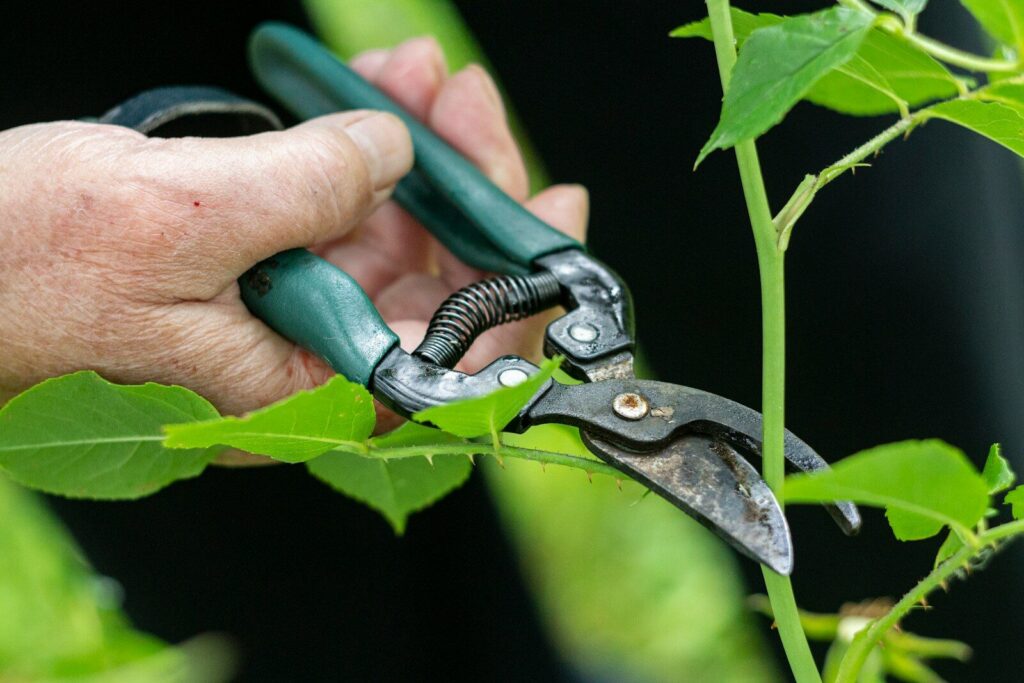
Photo by Margarita Shtyfura
Consistent observation is one of the most underrated gardening practices. Checking plants daily for signs of pests, diseases, or nutrient deficiencies allows early intervention before problems escalate. Beginners should look for discolored leaves, holes, or unusual growth patterns.
Routine maintenance such as pruning dead or damaged foliage, staking tall plants, and harvesting mature produce encourages healthy growth and productivity. Keeping a gardening journal to note planting dates, watering schedules, and observations can help improve skills over time.
Actionable takeaway: Make daily or weekly plant inspections a habit and perform basic maintenance tasks regularly. Tracking progress increases awareness and gardening success.
Conclusion
Gardening offers a fulfilling way to connect with nature and enjoy fresh, homegrown plants. By focusing on essential techniques like choosing the right location, selecting easy plants, watering efficiently, mulching, and practicing vigilant observation, beginners can build a thriving garden with confidence. These practical steps simplify the process and set the stage for long-term gardening enjoyment, turning any outdoor space into a vibrant, sustainable oasis.
You Might Also Enjoy
- How to Pack Smarter Without Overpacking
- Simple Habits That Make Busy Days Feel More Manageable
- The Most Popular Online Trends Right Now
Featured Photo by Markus Spiske