
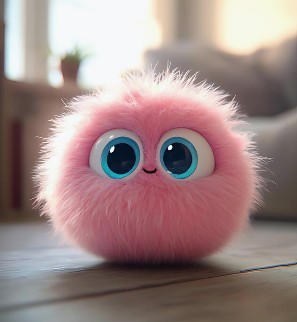
In an age where technology increasingly blends with everyday life, even the most nostalgic childhood staples are getting high-tech makeovers. Stuffed animals, once simple companions for bedtime comfort, are evolving into “smart plushies” equipped with artificial intelligence (AI) features. These AI-connected stuffed animals promise to engage, educate, and entertain children in ways traditional toys cannot. But beneath the novelty lies an important question: are these smart plushies genuinely helpful tools for development and companionship, or are they just another tech fad riding the wave of AI excitement?
What Exactly Are Smart Plushies?
Smart plushies are stuffed animals embedded with AI technologies such as voice recognition, machine learning, and interactive sensors. They can listen, respond, tell stories, play games, and even adapt their behavior based on a child’s preferences and developmental stage. Typically connected via Wi-Fi or Bluetooth, these toys integrate with companion apps or cloud services to update content and enhance interactivity.
Unlike conventional stuffed animals that rely solely on tactile comfort, smart plushies aim to combine emotional support with interactive learning and personalized engagement. This hybrid approach taps into children’s natural attraction to soft toys while introducing dynamic digital experiences.
The Educational Potential of AI-Connected Toys
One of the main selling points of smart plushies is their potential to support early childhood learning. Many models are designed to teach language skills, emotional intelligence, and basic STEM concepts through storytelling, question-and-answer sessions, and interactive games. For example, a smart plush might help toddlers practice vocabulary by repeating words or ask questions that encourage critical thinking.
Parents and educators appreciate toys that can adapt to a child’s developmental level, offering customized challenges and positive reinforcement. In this context, AI allows plushies to move beyond static playthings and become engaging learning companions. This personalized interaction can foster curiosity, improve communication skills, and even provide comfort to shy or anxious children.
Emotional Support and Social Development
Smart plushies also claim to support emotional well-being by providing a sense of companionship. For children who may feel lonely or have difficulty expressing feelings, these AI toys can simulate conversation and empathy, offering reassuring responses and encouraging social interaction. Some models are programmed to recognize emotions through voice tone or facial expressions, tailoring their responses accordingly.
While a stuffed animal cannot replace human connection, the interactive nature of smart plushies might help children develop social skills in a low-pressure environment. They can practice turn-taking, recognize emotions, and build confidence in expressing themselves. This makes smart plushies a potentially valuable supplement to traditional socialization, especially for children with special needs.
Privacy and Safety Considerations
As with any internet-connected device, smart plushies raise important privacy and safety questions. Many AI toys collect voice recordings and usage data to improve their interactions, which can create concerns over data security and parental control. Families need to carefully review the privacy policies and security features of these toys before purchase.
Additionally, since smart plushies often require constant internet connectivity, they can be vulnerable to hacking or unauthorized access. Parents should ensure devices have robust encryption, offer parental controls, and allow data deletion options. Being informed about potential risks helps maintain a safe environment for children while enjoying the benefits of AI technology.
Practical Challenges and Limitations
Despite their promising features, smart plushies are not without limitations. Battery life, connectivity issues, and occasional glitches can interrupt playtime and cause frustration. The reliance on internet connections means these toys may lose functionality offline or in low-signal areas.
Moreover, AI interactions, while increasingly sophisticated, are still limited compared to human communication. Responses can sometimes feel scripted or repetitive, which may reduce a child’s engagement over time. Parents should view smart plushies as complementary tools rather than full replacements for human interaction.
Balancing Screen Time and Interactive Play
One concern among experts and parents alike is the potential increase in screen time associated with smart plushies. Many models require smartphone or tablet apps for full functionality, which could inadvertently encourage more device use. It’s important for caregivers to strike a balance, encouraging children to engage directly with the plushie itself and using apps thoughtfully.
Integrating smart plushies into a broader routine that includes outdoor play, reading, and social activities ensures children benefit from varied experiences without becoming overly dependent on digital devices.
Are Smart Plushies Worth the Investment?
Smart plushies often come with a higher price tag than traditional stuffed animals, reflecting their advanced technology and ongoing software updates. Families considering a purchase should weigh the benefits against costs and practical use.
For children who thrive on interaction and technology, or those needing extra support in language or social skills, smart plushies can be a worthwhile addition. However, for families seeking simple comfort toys or low-maintenance playthings, classic stuffed animals may still hold the edge.
The Future of Play: Integration and Innovation
Looking ahead, smart plushies are likely to become more sophisticated, with deeper AI learning, richer content, and stronger safety protocols. Integration with other smart home devices and educational platforms may enhance their appeal and usefulness.
As technology and childhood development experts continue to collaborate, these toys have the potential to evolve into truly supportive companions that nurture growth, creativity, and emotional resilience—all while preserving the timeless charm of a cuddly friend.
Conclusion
Smart plushies represent an intriguing fusion of tradition and technology, offering interactive experiences that can engage and educate children in new ways. While not a magical solution, their thoughtful use as part of a balanced play routine can provide meaningful benefits. Parents and caregivers should consider individual needs, privacy, and practical factors when deciding if an AI-connected stuffed animal is the right fit. In a world where tech and toys increasingly intertwine, smart plushies are more than just hype—they are a glimpse into the evolving landscape of play.
You Might Also Enjoy
- How to Pack Smarter Without Overpacking
- Simple Habits That Make Busy Days Feel More Manageable
- The Most Popular Online Trends Right Now
Featured Photo by Md Masud Rana