

Urban environments are full of dynamic scenes, intriguing architecture, and everyday moments just waiting to be captured. For many commuters, the daily journey to work or school can feel repetitive and uninspiring. However, this routine can be transformed into a creative opportunity through urban sketching—an accessible, enjoyable way to engage with surroundings, sharpen artistic skills, and bring a fresh perspective to the everyday.
Urban sketching involves drawing or painting scenes from life in city settings, often done quickly and on location. It’s a practice that fits naturally into the rhythm of commuting, allowing people to turn idle time into meaningful creative sessions without needing special equipment or extensive setup. This article explores how commuters can incorporate urban sketching into their daily routine, offering practical tips and inspiration to make the most of those transit moments.
Embracing Urban Sketching During Your Commute
The appeal of sketching while commuting lies in its simplicity and accessibility. Whether riding the bus, train, or waiting at a stop, sketching opens a window to observe and appreciate the urban landscape more deeply. The fluid nature of city life means there are endless subjects: a street performer, a striking building facade, a bustling café scene, or even a quiet corner park.
Sketching on location helps commuters develop observational skills and encourages mindfulness, making daily travel less monotonous. Plus, it’s an excellent way to document a personal journey or the evolving character of a city.
Choosing the Right Tools for Commuter Sketching
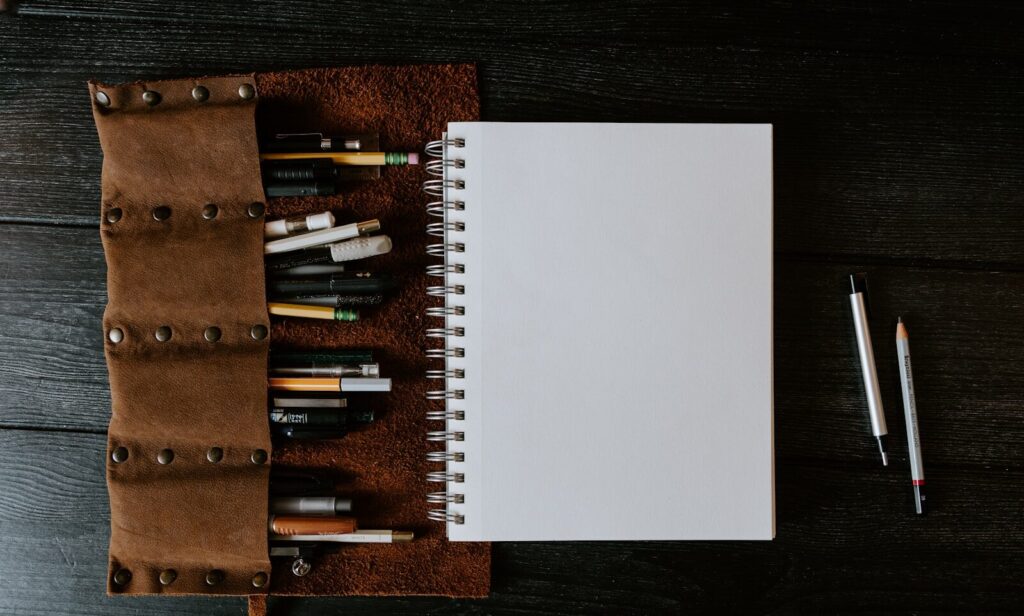
Photo by Kelly Sikkema
One of the keys to successfully integrating urban sketching into a commute is selecting compact, portable materials that suit short, spontaneous sessions. Here are practical recommendations:
- Sketchbook: Opt for a small, lightweight sketchbook around A5 size (5.8 x 8.3 inches). This size fits easily into a bag or jacket pocket and provides enough space to capture details.
- Drawing Instruments: Many commuters prefer fine liners, mechanical pencils, or a simple graphite pencil for quick, clean lines. A small set of colored pencils or watercolor pencils can add vibrancy without requiring bulky supplies.
- Pens and Markers: Waterproof pens or brush pens are popular for adding ink outlines or shading. Brands that combine quality and portability are commonly recommended.
- Accessories: A compact pencil sharpener and an eraser complete the basic kit. For those wanting to add color, a small water brush pen paired with watercolor pencils is a neat solution.
Prioritizing lightweight, mess-free tools ensures sketching can happen comfortably even in crowded or fast-moving environments.
Finding Inspiration on the Move
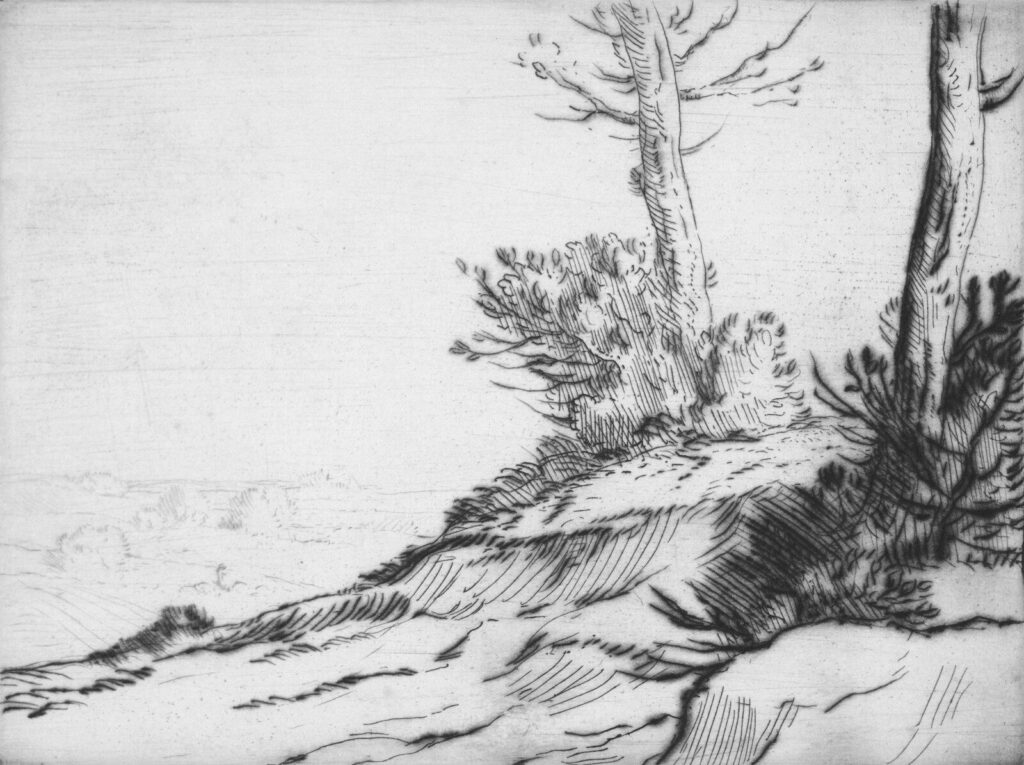
Photo by The Cleveland Museum of Art
Urban sketching thrives on observation. Commuters can use the changing scenery to draw inspiration from diverse subjects:
- Architecture: Notice unique building shapes, window patterns, or interesting doorways. Capturing architectural details encourages a closer look at the city’s design and history.
- People: Sketch fellow passengers, pedestrians, or street vendors. Quick gesture drawings of people in motion develop expressive skills.
- Street Scenes: Buses, bicycles, market stalls, and signage provide dynamic, everyday city life elements to illustrate.
- Nature in the City: Trees, parks, flowers, or birds offer contrast to the urban setting and bring organic forms into sketches.
Keeping a mental or physical list of favorite subjects can help commuters focus their sketching sessions and avoid feeling overwhelmed by the urban complexity.
Practical Tips for Sketching in Transit
Sketching while commuting comes with unique challenges, but with some preparation and mindset shifts, it becomes a seamless part of the journey:
- Keep Sessions Short: Aim for 5 to 15 minutes per sketch to accommodate stops, movement, or crowd changes. This keeps the process fun and manageable.
- Use Quick Gestures: Focus on capturing the essence rather than perfect details. Loose lines and shapes convey motion and atmosphere effectively.
- Choose Stable Surfaces: Use a lap board, a clipboard, or simply hold the sketchbook firmly on the lap to maintain stability during travel.
- Be Mindful of Surroundings: Respect others’ space and privacy. Avoid intrusive or distracting behavior.
- Embrace Imperfection: Urban sketching is about expression, not perfection. Smudges or uneven lines add character and reflect the spontaneity of the moment.
Building a Consistent Sketching Habit
Incorporating urban sketching into the commute regularly turns it from a casual pastime into a rewarding habit. Here are strategies that encourage consistency:
- Set a Goal: Committing to one sketch per commute or a weekly challenge helps maintain momentum.
- Create a Dedicated Sketch Journal: Keeping all sketches in one place allows tracking progress and seeing improvement over time.
- Share Your Work: Posting sketches on social media or joining urban sketching communities online can provide motivation and feedback.
- Experiment with Styles: Trying different techniques or subjects keeps the practice fresh and exciting.
- Reflect on Your Journey: Use sketches to map personal growth or document changes in the cityscape.
Benefits Beyond Creativity
Urban sketching during the commute offers more than artistic output. It fosters mindfulness, reducing stress by encouraging focus on the present moment. It also enhances awareness of surroundings, making commutes feel shorter and more engaging.
Furthermore, this creative habit can improve drawing skills through regular practice and nurture a deeper connection with the city and its people. For those interested, it can even be a stepping stone toward more involved art projects or community participation in local art events.
Conclusion: Turning Transit Time into Creative Time
Transforming daily commuting into an art session through urban sketching is a practical, enjoyable way to enhance routine travel. With minimal tools, a keen eye, and a willingness to observe, commuters can unlock a rewarding creative outlet that enriches their understanding of urban life.
By embracing this practice, people not only cultivate artistic skills but also bring more mindfulness and joy to their everyday journeys. Urban sketching proves that even the most ordinary parts of life can become sources of inspiration and creativity.
You Might Also Enjoy
- How to Pack Smarter Without Overpacking
- Simple Habits That Make Busy Days Feel More Manageable
- The Most Popular Online Trends Right Now
Featured Photo by Dieter K