
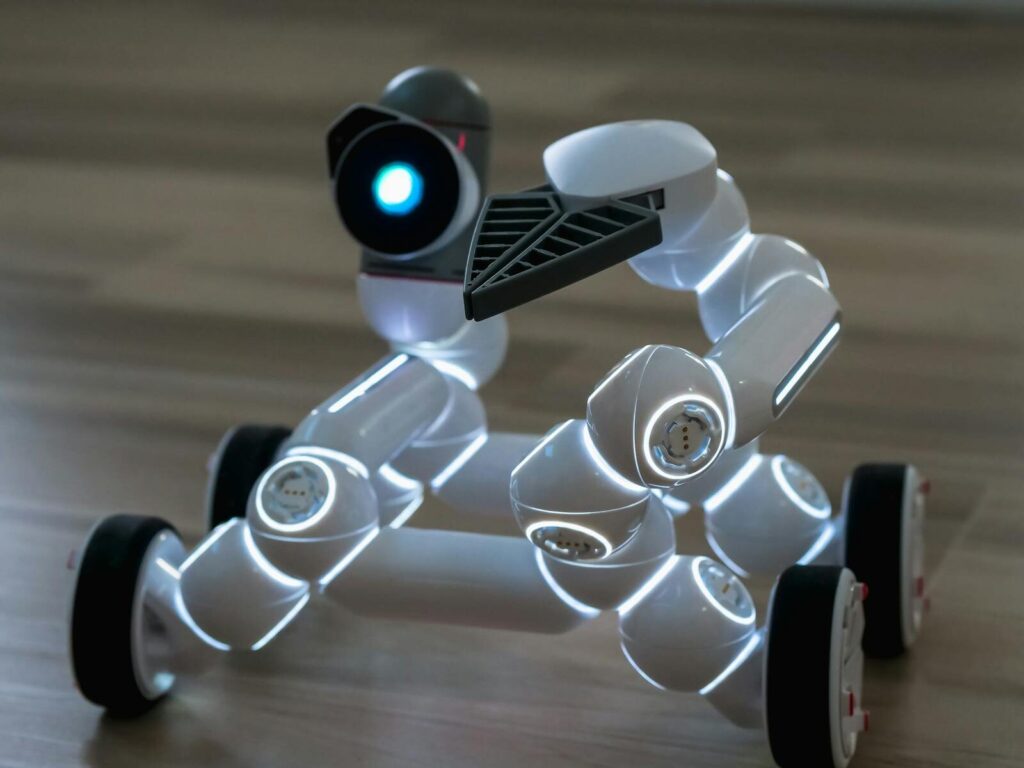
In a world where screens dominate much of children’s entertainment, finding toys that genuinely captivate young minds while fostering learning can feel like a challenge. STEM toys—those that incorporate science, technology, engineering, and math—have surged in popularity for their ability to blend education with play. But what makes certain STEM toys stand out as truly engaging, holding kids’ attention for hours instead of minutes? The answer lies in the science of fun: combining challenge, creativity, and hands-on interaction to spark curiosity and sustained interest.
How STEM Toys Tap Into Natural Curiosity
Kids are inherently curious explorers, driven by a desire to understand how things work. STEM toys harness this impulse by encouraging experimentation and problem-solving. Unlike passive screen time, these toys invite children to actively manipulate materials, test hypotheses, and see immediate results. Whether building circuits, coding simple robots, or constructing intricate models, kids engage in a dynamic learning process that feels less like homework and more like an adventure.
The best STEM toys are designed to evolve with the child’s skill level, offering layers of complexity that grow alongside them. This ensures that the toy remains stimulating over time, reducing the risk of boredom and encouraging repeated play sessions.
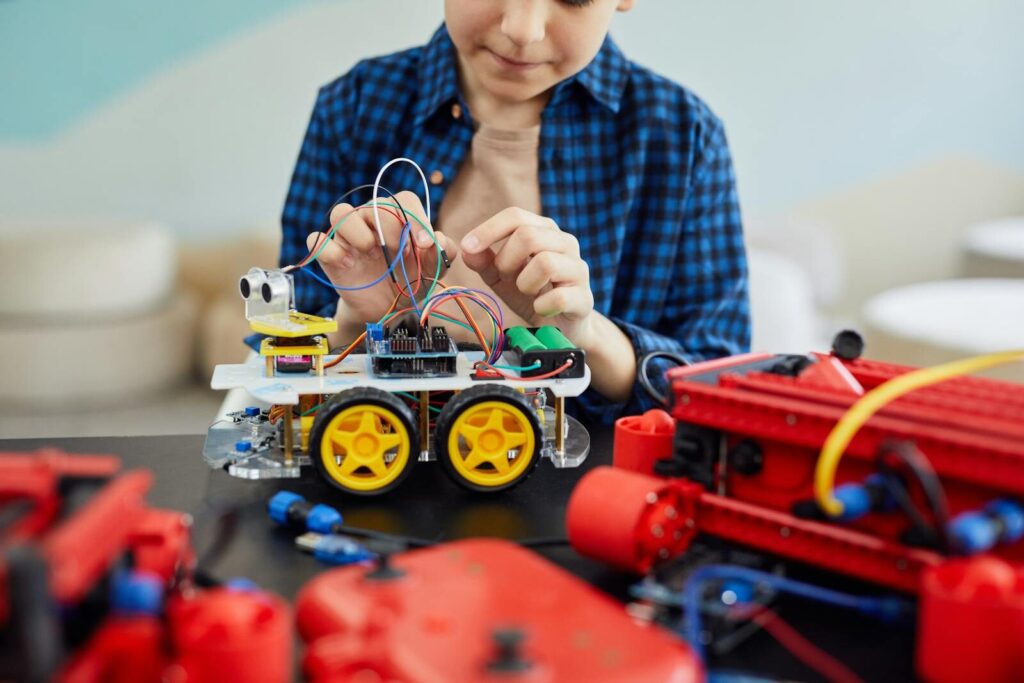
Photo by Vanessa Loring
Hands-On Learning That Feels Like Play
A key to keeping kids engaged is providing tactile, hands-on experiences. STEM toys that involve building, assembling, or experimenting give children a sense of accomplishment and control. Manipulating physical components creates a direct connection between actions and outcomes, reinforcing understanding in a memorable way.
For instance, kits that let kids build their own robots or design simple machines combine creativity with engineering principles. These activities not only teach technical skills but also nurture patience, perseverance, and fine motor coordination. The tangible progress kids see and feel motivates them to keep going, often for hours at a stretch.
Incorporating Technology Without Overwhelming
While technology is a natural fit for STEM play, the most successful toys strike a balance between digital and analog elements. Toys that integrate apps or software often enhance the experience without overshadowing the hands-on aspect. For example, programmable robots that can be controlled via a tablet allow kids to learn coding basics in an interactive and intuitive way.
This hybrid approach taps into children’s familiarity with devices while still encouraging critical thinking and creativity. It also helps develop digital literacy, a crucial skill in today’s world, without turning playtime into passive screen-watching.
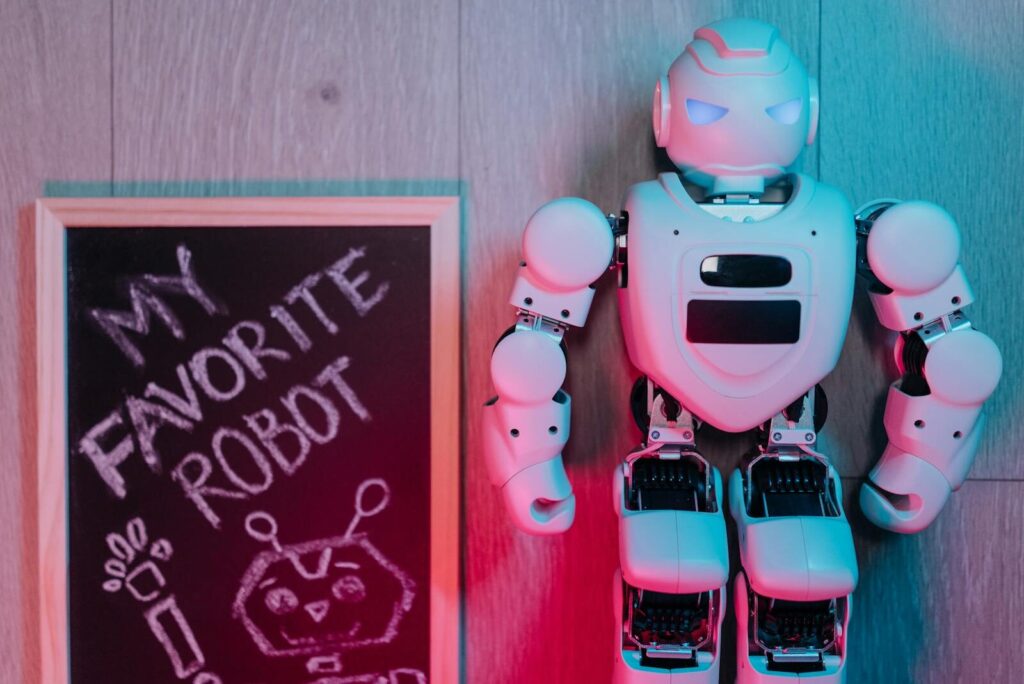
Photo by Pavel Danilyuk
Encouraging Social Interaction and Collaboration
STEM toys that promote teamwork and collaboration tend to keep kids engaged longer by adding a social component to learning. Many kits and projects are designed for multiple players, encouraging communication, shared problem-solving, and friendly competition. This social element not only makes play more enjoyable but also helps children develop collaboration and communication skills.
Group challenges—like building structures that can withstand weight or programming robots to complete tasks—create a fun and interactive environment. When kids work together, they learn from each other and stay motivated to push the boundaries of what they can create.
Flexibility and Open-Ended Play for Creativity
Rigid toys with a single correct way to play can quickly lose appeal. In contrast, STEM toys that offer open-ended possibilities invite creativity and exploration. Building sets that can be used to create countless designs or science kits that encourage kids to formulate their own experiments provide endless opportunities for discovery.
This flexibility is crucial for sustained engagement. When kids can put their own spin on a toy or project, it becomes a personal challenge that evolves with their interests and imagination. The ability to experiment freely fosters deeper engagement and a love of learning that lasts beyond the initial play session.
Real-World Relevance Boosts Motivation
Children are more invested in play when they see how it connects to the world around them. STEM toys that relate to real-world concepts—like renewable energy, robotics, or space exploration—tap into natural enthusiasm for science and innovation. When kids understand that their play mirrors actual technologies or phenomena, it adds a layer of meaning that enhances engagement.
Educational toys that showcase practical applications of STEM principles help children see themselves as future inventors, engineers, or scientists. This relevance provides a powerful incentive to dive deeper, experiment more, and stay engaged for longer periods.
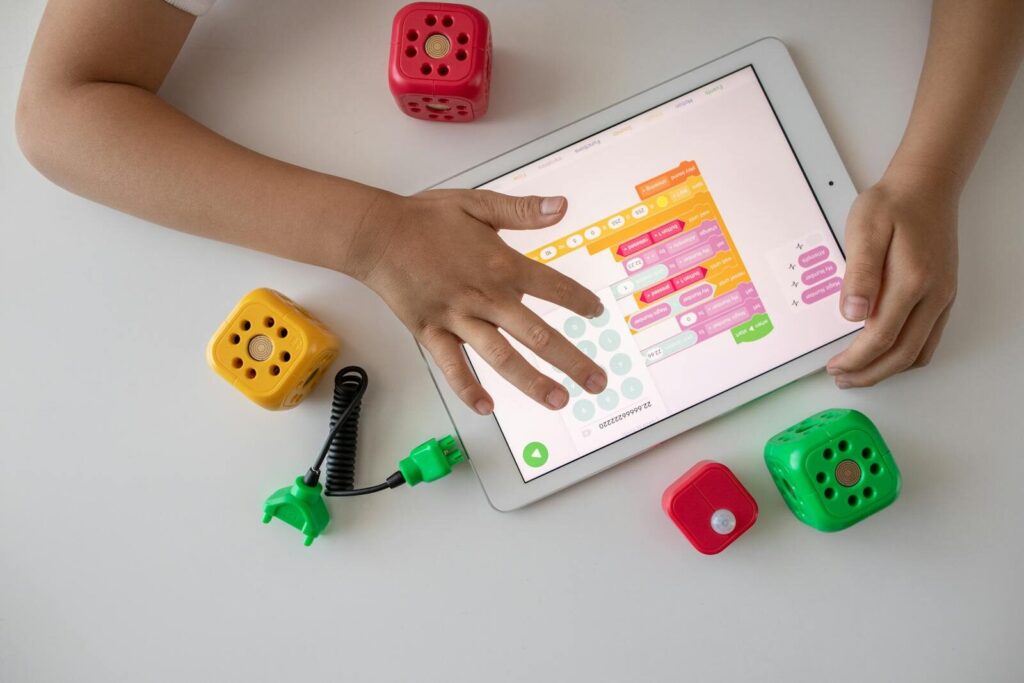
Photo by Robo Wunderkind
Choosing Age-Appropriate STEM Toys
Selecting the right STEM toy for a child’s age and developmental stage is essential to keeping their interest alive. Toys that are too complex can lead to frustration, while those that are too simple may cause boredom. Many popular STEM brands offer tiered options tailored to different age brackets, ensuring that the challenges are appropriate and achievable.
Age-appropriate toys also often come with clear instructions and learning goals, helping kids progress step-by-step. This scaffolding builds confidence and motivation, key elements for sustained engagement and growth.
The Role of Parents and Educators in Enhancing Engagement
While well-designed STEM toys do much of the heavy lifting, adult involvement can amplify the fun and learning. Parents and educators who show enthusiasm, ask questions, and participate in play help deepen children’s understanding and maintain their interest. Guided exploration often leads to richer experiences and longer engagement times.
Creating a supportive environment where curiosity is encouraged and mistakes are seen as learning opportunities helps children develop a growth mindset. This mindset is crucial for STEM success and for maintaining long-term engagement with educational toys.
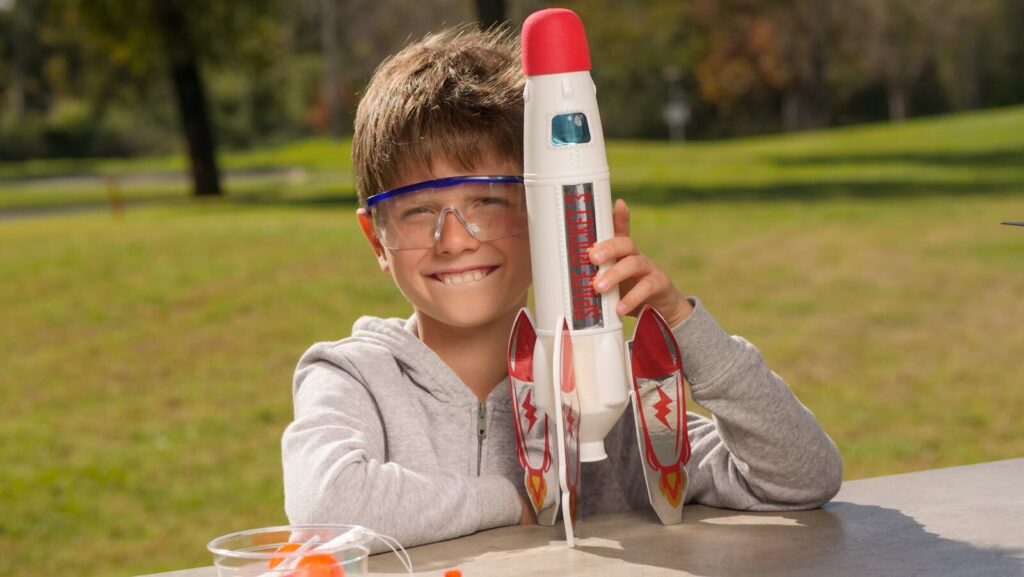
Photo by Kindel Media
Conclusion: The Future of Play Is Both Smart and Fun
STEM toys that keep kids engaged for hours share common traits: they ignite curiosity, involve hands-on interaction, balance technology with tactile play, promote social learning, encourage creativity, connect to real-world themes, and match the child’s developmental level. When these elements come together, playtime transforms into an immersive learning journey that feels effortless and exciting.
As parents and educators look for ways to enrich children’s play in a meaningful way, STEM toys continue to be a powerful tool—proving that the science of fun is not just a theory but a practical formula for engagement and growth.
You Might Also Enjoy
- How to Pack Smarter Without Overpacking
- Simple Habits That Make Busy Days Feel More Manageable
- The Most Popular Online Trends Right Now
Featured Photo by Kindel Media