
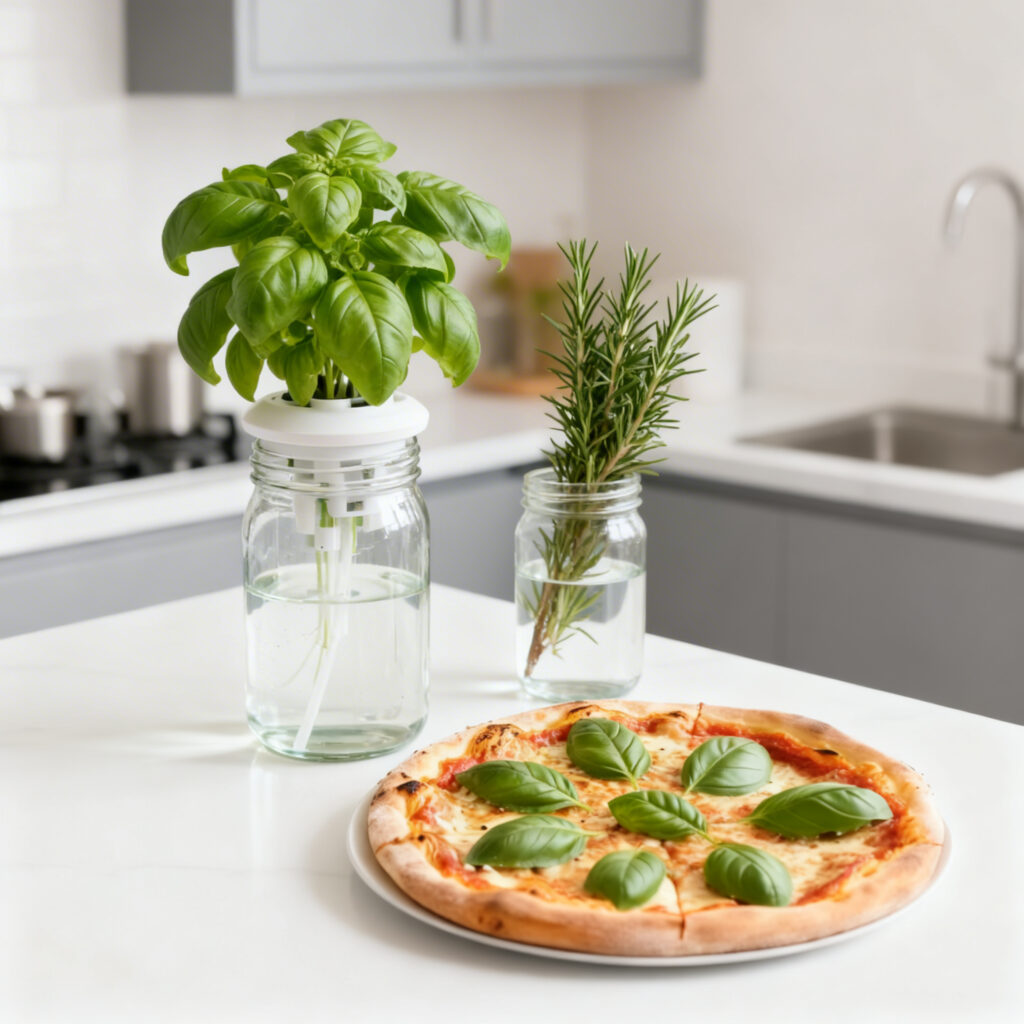
Growing fresh herbs at home is a satisfying way to elevate homemade meals, especially when it comes to crafting the perfect pizza. Imagine plucking vibrant basil leaves, fragrant oregano, and spicy arugula right from your own indoor garden, all year round. Hydroponic gardening offers a modern, space-efficient solution for cultivating these pizza essentials without the need for traditional soil or a sprawling backyard. This article explores how to establish a thriving hydroponic herb garden tailored specifically for pizza lovers, guiding readers through practical steps and expert tips to get from countertop to crust seamlessly.
Affiliate disclosure: Some links in this article are affiliate links. If you make a purchase through an affiliate link, I may earn a commission at no additional cost to you. As an Amazon Associate I earn from qualifying purchases.
Why Hydroponics is Ideal for Growing Pizza Herbs
Hydroponics, the method of growing plants in nutrient-rich water solutions instead of soil, has gained popularity for its efficient use of space, water, and nutrients. It allows for faster growth cycles and cleaner harvesting, making it particularly well-suited for urban dwellers or anyone limited on outdoor gardening space.
For pizza herbs, hydroponics ensures:
- Consistent Quality: Controlled nutrient delivery results in healthier, more flavorful herbs.
- Year-Round Growth: Indoor setups bypass seasonal limitations.
- Space Efficiency: Compact systems fit on countertops or windowsills.
- Reduced Pest Problems: Absence of soil lowers risk of common garden pests.
These advantages combine to create an ideal environment for growing pizza staples like basil, oregano, thyme, and parsley efficiently and sustainably.
Selecting the Right Herbs for a Complete Pizza Herb Garden
To cover all the classic pizza flavor profiles, consider these commonly recommended herbs:
- Basil: The quintessential pizza herb with sweet, aromatic leaves. It thrives in a hydroponic environment and should be the centerpiece.
- Oregano: Offers a slightly bitter, pungent flavor that complements tomato sauce perfectly.
- Thyme: Adds earthy, subtle notes that deepen pizza complexity.
- Parsley: While milder, parsley provides freshness and balances stronger flavors.
- Chili Peppers or Arugula (Optional): For those who enjoy a spicy or peppery kick, small pepper plants or arugula can round out the garden.
Starting with these herbs creates a versatile palette for homemade pizza sauces, toppings, and garnishes.
Setting Up a Hydroponic System for Herbs
A few popular hydroponic methods work exceptionally well for herbs:
Deep Water Culture (DWC)
Plants are suspended with roots submerged in oxygenated nutrient-rich water. This method is straightforward and low-maintenance, ideal for beginners.
Nutrient Film Technique (NFT)
A shallow stream of nutrient solution runs over roots in a slanted tray. NFT systems promote excellent oxygenation but require more precise setup.
Wick System
Uses capillary action to draw nutrients from a reservoir to the roots. This passive system suits small-scale countertop gardens.
Key Setup Considerations
- Lighting: Most herbs need 12-16 hours of light daily. Full-spectrum LED grow lights are energy-efficient and effective for indoor setups.
- Nutrients: Use hydroponic-specific nutrient solutions balanced for leafy greens and herbs.
- pH Monitoring: Maintain water pH between 5.5 and 6.5 for optimal nutrient absorption.
- Air Circulation: Good airflow prevents mold and promotes healthy growth.
- Temperature: Aim for 65-75°F (18-24°C) for most Mediterranean herbs.
When choosing or assembling a hydroponic system, prioritize ease of maintenance and scalability based on available space.
Practical Tips for Growing and Harvesting Pizza Herbs Hydroponically
Germination and Transplanting
Start seeds in a moist medium like rockwool or coco coir before transferring seedlings to the hydroponic system. This ensures strong root development.
Maintenance
- Water Changes: Replace nutrient solution every 1-2 weeks to prevent buildup of salts and pathogens.
- Pruning: Regularly trim herbs to encourage bushier growth and prevent flowering, which can reduce leaf flavor.
- Pest Management: Even indoors, watch for aphids or fungal issues. Introduce natural predators or use gentle organic sprays if needed.
Harvesting
Pick leaves as needed, ideally in the morning when essential oils are most concentrated. Regular harvesting encourages continuous growth.
Creative Uses for Your Hydroponically Grown Pizza Herbs
A homegrown pizza herb garden is more than just a garnish source. Here are some innovative ideas to make the most of your fresh harvest:
- Fresh Pesto: Blend basil, parsley, olive oil, garlic, and nuts for a versatile sauce or topping.
- Infused Oils: Soak herbs in olive oil to create flavorful drizzles.
- Herb-Infused Dough: Knead chopped fresh herbs directly into pizza dough for aromatic crusts.
- Garnishes: Add fresh oregano and thyme just before baking or after cooking for enhanced aroma.
- Herbal Salads: Combine arugula with other fresh herbs for a peppery side salad to accompany pizza.
These applications highlight the versatility and elevated taste profile that fresh herbs bring to homemade pizza.
Troubleshooting Common Issues in Hydroponic Herb Gardens
Even the best systems occasionally face challenges. Here are some common problems with practical solutions:
- Yellowing Leaves: Often caused by nutrient imbalance or pH issues. Test and adjust nutrient solution accordingly.
- Slow Growth: Check light intensity and duration; inadequate lighting is a common culprit.
- Root Rot: Caused by poor oxygenation or overly warm water. Ensure air stones or pumps are functioning properly.
- Leaf Curling or Wilting: May indicate pests or inconsistent watering. Inspect plants closely and maintain stable conditions.
Regular monitoring and prompt adjustments can keep the garden healthy and productive.
Conclusion: Bringing Freshness and Flavor to Every Slice
A hydroponic pizza herb garden transforms the cooking experience by providing fresh, vibrant ingredients at one’s fingertips. With the right herbs, a thoughtfully designed hydroponic system, and consistent care, anyone can cultivate a lush countertop garden that feeds creativity and flavor. From the sweet aroma of basil to the pungent punch of oregano, these herbs not only enhance homemade pizza but also inspire culinary experimentation. Embracing hydroponics for pizza herbs is a practical, modern approach to growing food that fits seamlessly into contemporary lifestyles, proving that a perfect pizza truly starts from the garden.