
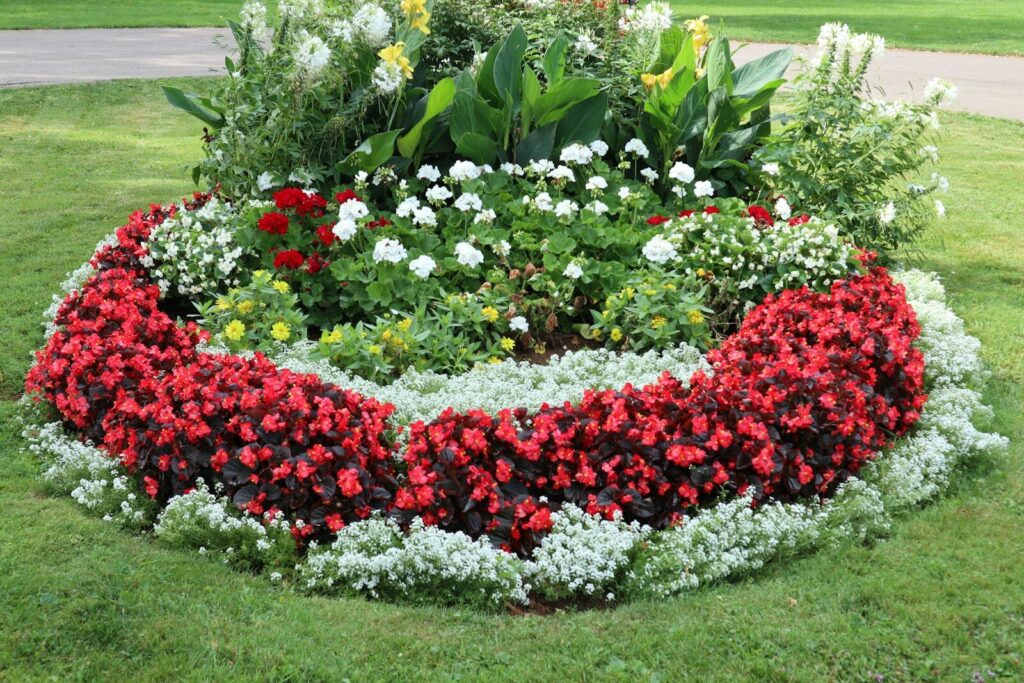
Perennials are the backbone of a thriving flowerbed, bringing reliable beauty year after year with minimal fuss. These hearty plants return season after season, adding texture, color, and structure to any garden space. For gardeners seeking both ornamental charm and practical resilience, incorporating the right hearty perennials can truly transform outdoor spaces into flourishing retreats.
Affiliate disclosure: Some links in this article are affiliate links. If you make a purchase through an affiliate link, I may earn a commission at no additional cost to you. As an Amazon Associate I earn from qualifying purchases.
What Makes Perennials Hearty and Valuable for Flowerbeds
Hearty perennials are plants that withstand a variety of weather conditions, pests, and soil types while requiring minimal intervention. Their durability ensures that they thrive in different environments, making them ideal for gardeners seeking reliable blooms without constant upkeep.
These perennials often have deep root systems that help them survive droughts and cold spells, reducing the need for frequent watering or replanting. Their ability to come back year after year means they develop strong, established root networks that improve soil structure and prevent erosion.
Choosing hearty perennials can save time and money in the long run. While the initial planting may require some investment, the longevity and robustness of these plants mean fewer replacements, less fertilizer, and reduced labor overall.
1. Coneflower (Echinacea)
Coneflowers are a favorite for their daisy-like appearance and long blooming season. They thrive in full sun and well-drained soil, attracting pollinators like bees and butterflies. Their sturdy stems and drought tolerance make them excellent for low-maintenance gardens.
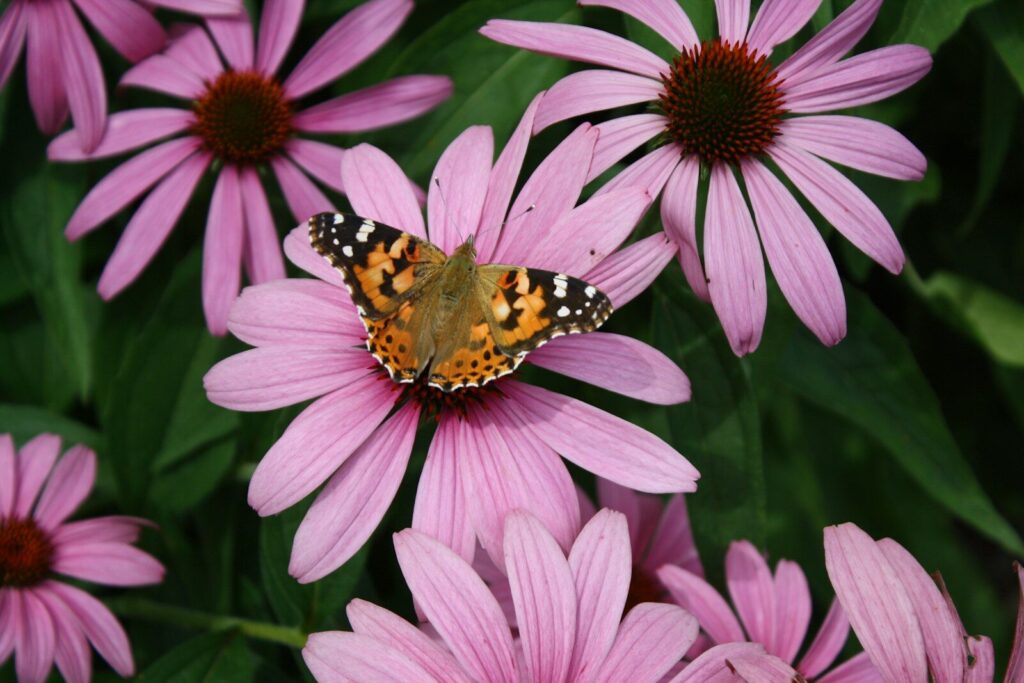
Why it stands out: Coneflowers provide vibrant color through summer and fall while supporting local wildlife, helping create a lively and sustainable garden environment.
2. Daylily (Hemerocallis)
Daylilies offer a spectacular array of colors and shapes, blooming repeatedly throughout the growing season. They are remarkably adaptable to different soil types and light conditions, tolerating both sun and partial shade. Their resilience against pests and diseases adds to their appeal.
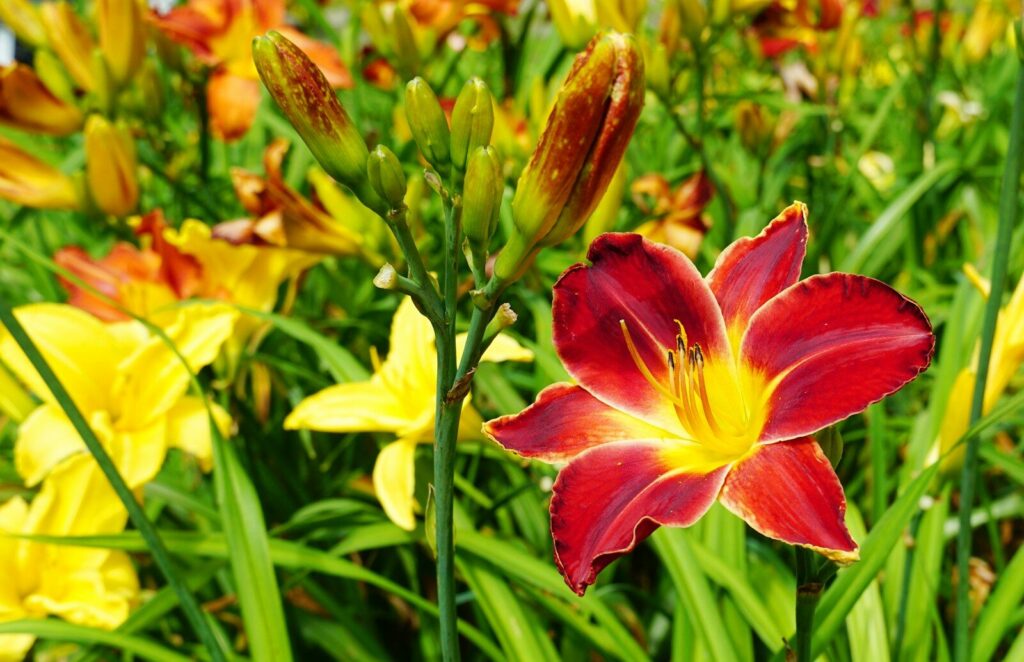
Why it stands out: Their ability to bloom profusely with minimal care makes daylilies a reliable choice for gardeners aiming to maximize visual impact without constant upkeep.
3. Black-eyed Susan (Rudbeckia)
Known for their bright yellow petals and dark centers, Black-eyed Susans are cheerful additions to any flowerbed. They flourish in full sun and can withstand dry spells once established. Their upright growth habit adds height and dimension to planting schemes.
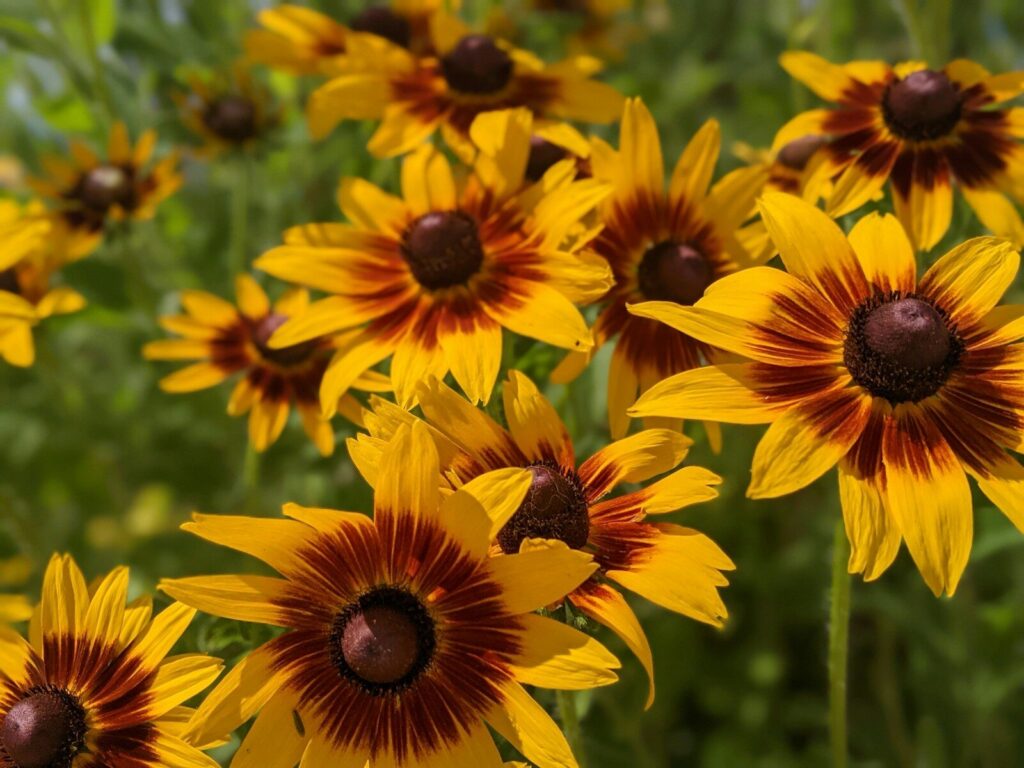
Why it stands out: Black-eyed Susans combine bold color and durability, creating a welcoming, lively garden scene that requires little maintenance.
4. Hostas
Hostas are prized for their lush foliage, which ranges from deep greens to variegated patterns. They thrive in shade to partial shade, making them perfect for spots where other perennials struggle. Hostas also produce delicate flowers that attract hummingbirds.
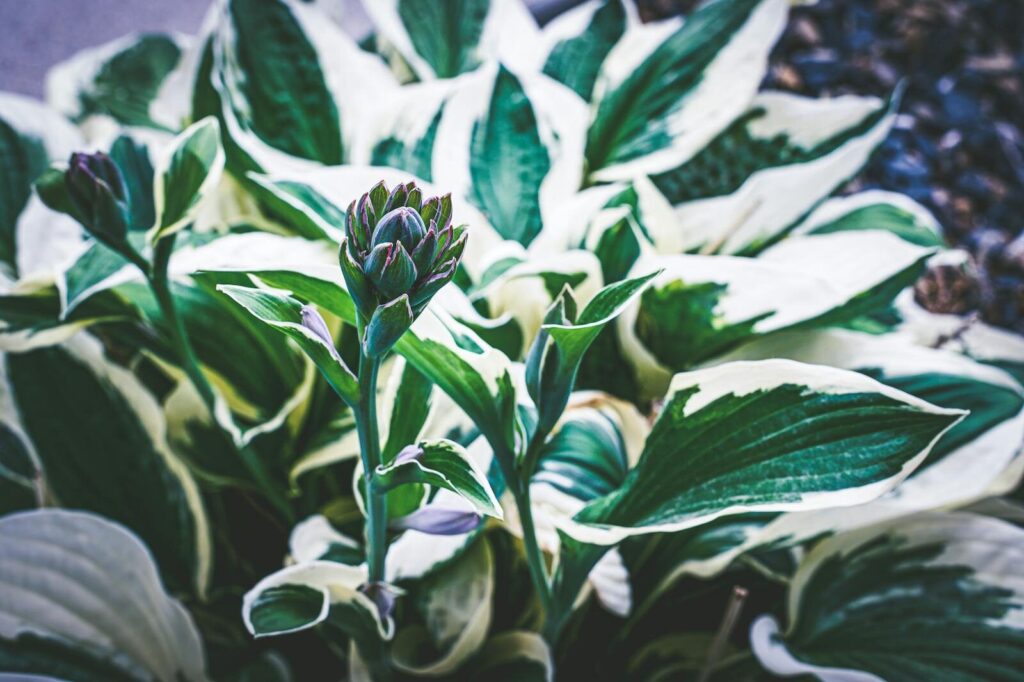
Why it stands out: Their ability to beautify shady areas with minimal water and maintenance fills a common gap in gardens, offering year-round texture and greenery.
5. Lavender (Lavandula)
Lavender stands out with its fragrant purple blooms and silvery-green foliage. It prefers full sun and well-drained soil, and it is drought-tolerant once established. Beyond its beauty, lavender is known for its calming scent and versatility for use in both gardens and homes.
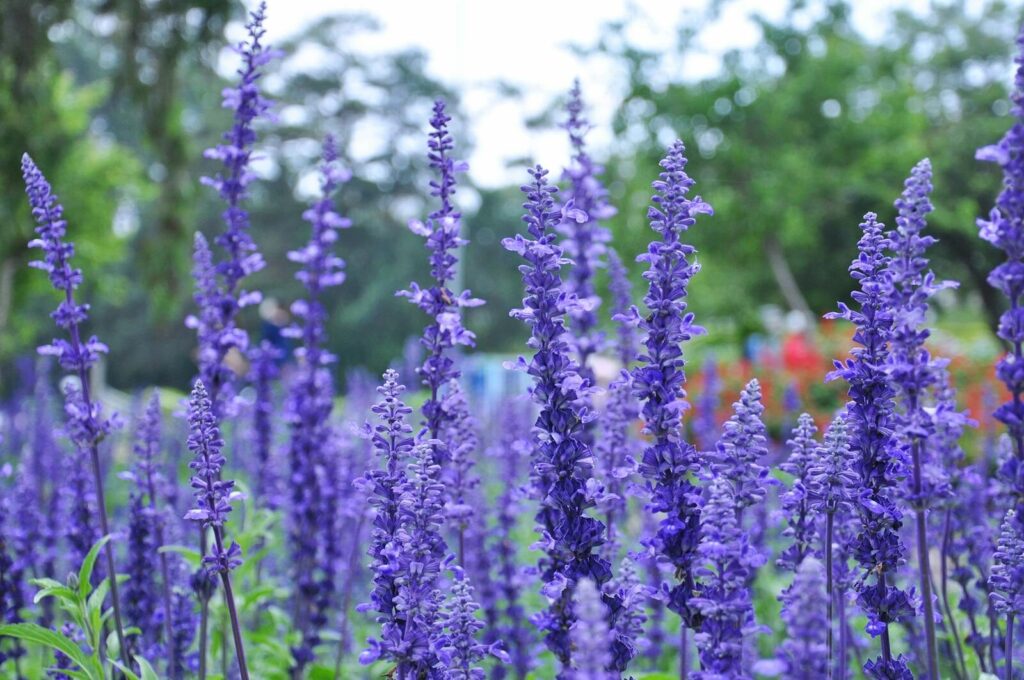
Why it stands out: Lavender adds sensory appeal through fragrance and attracts pollinators while requiring little water, making it a sustainable, multifunctional garden choice.
6. Sedum (Stonecrop)
Sedum varieties offer succulent leaves and star-shaped flowers that bloom late in the season. They grow well in poor, dry soils and full sun. Sedums are often used as ground cover or border plants, thanks to their spreading habit and toughness.
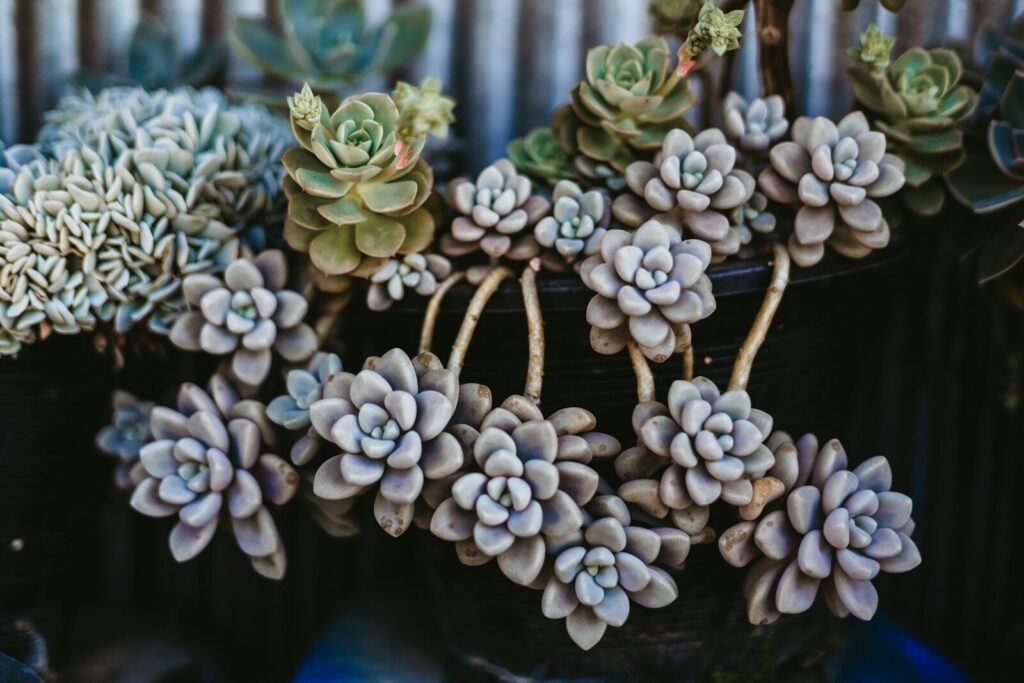
Why it stands out: Sedums thrive in challenging conditions where other plants falter, providing persistent greenery and late-season blooms to extend garden interest.
7. Bee Balm (Monarda)
Bee Balm is a vibrant perennial celebrated for its spiky red, pink, or purple flowers that flourish in both sun and partial shade. It’s a magnet for hummingbirds, butterflies, and bees, supporting biodiversity in the garden.
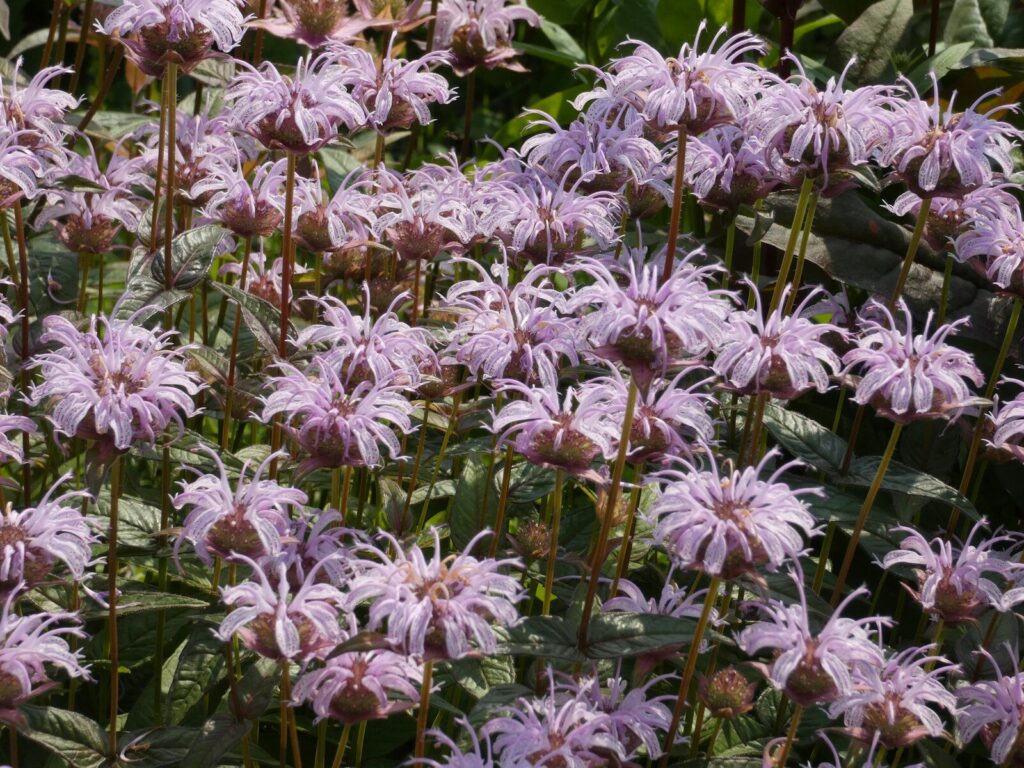
Why it stands out: Its strong fragrance and colorful blooms provide striking visual and sensory appeal, while its resilience to heat and humidity suits a wide range of climates.
8. Creeping Phlox
Creeping Thyme, also known as Mother-of-Thyme, this aromatic herb loves the Texas sun. It grows low, handles light foot traffic perfectly between stepping stones, and produces stunning purple-pink summer blooms.
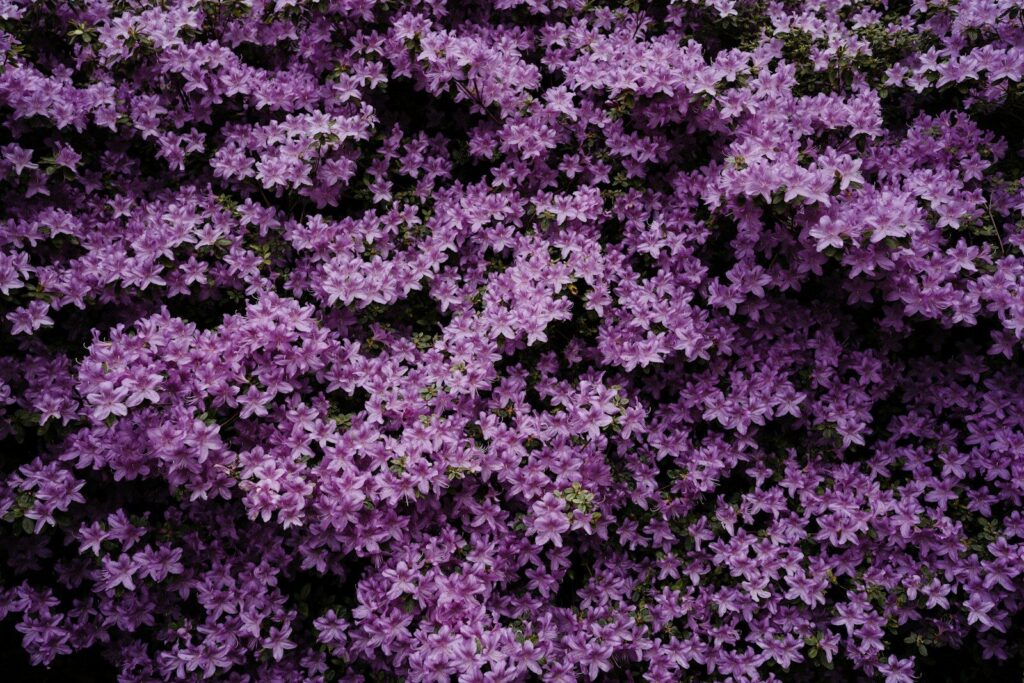
Why it stands out: Its ability to prevent soil erosion and its early-season color burst provide practical and aesthetic benefits, making it a favorite for gardeners wanting quick, attractive coverage.
How to Prepare Your Flowerbed for Perennials
Proper preparation is crucial to ensure hearty perennials establish well and flourish. Starting with a healthy foundation maximizes the plants’ growth potential and longevity.
- Soil Testing: Conduct a soil test to determine pH and nutrient levels. Most perennials prefer slightly acidic to neutral soil (pH 6.0–7.0).
- Amendments: Based on soil test results, add organic matter such as compost or well-rotted manure to improve texture and fertility.
- Drainage: Ensure the flowerbed has good drainage to prevent root rot, especially important for plants like sedum and coneflowers.
- Weed Control: Remove existing weeds and apply a weed barrier as needed to reduce competition for nutrients and water.
- Layout Planning: Arrange plants according to their sun and space requirements, grouping taller perennials toward the back and shorter ones in front for a layered effect.
Taking these steps before planting helps hearty perennials settle in quickly and reduces maintenance challenges later.
Care Tips to Maximize the Benefits of Hearty Perennials
Even the hardiest perennials benefit from attentive care during their early growth and throughout the seasons. Following a few key practices can lead to healthier plants and more abundant blooms.
- Watering: While many hearty perennials tolerate drought, regular watering during dry periods supports robust growth, especially in the first year.
- Mulching: Apply a layer of organic mulch around plants to conserve moisture, regulate soil temperature, and suppress weeds.
- Pruning and Deadheading: Remove spent flowers to encourage new blooms and trim back dead foliage in the fall to reduce disease risk.
- Fertilizing: Apply a balanced, slow-release fertilizer in early spring to provide essential nutrients without overwhelming the plants.
- Dividing: Many perennials benefit from division every few years to prevent overcrowding and rejuvenate growth.
Consistent care promotes longevity and ensures that the flowerbed remains attractive and healthy over time.
Designing with Hearty Perennials for Year-Round Interest
Strategic design choices can extend the visual appeal of a perennial flowerbed well beyond peak bloom times. Combining plants with staggered flowering periods and complementary foliage creates a dynamic garden space.
- Seasonal Layering: Select early bloomers like bleeding hearts or certain hostas for spring, mid-season stars like coneflowers and daylilies for summer, and late bloomers like asters and sedum for fall.
- Foliage Contrast: Mix plants with different leaf shapes, sizes, and colors to maintain texture and interest even when flowers are not present.
- Height Variation: Arrange perennials of varying heights to add dimension and ensure all plants are visible.
- Pollinator Appeal: Include nectar-rich perennials to support bees and butterflies throughout the growing season.
This thoughtful approach not only beautifies the garden but also encourages biodiversity and ecological health.
Practical Takeaways for Gardeners Interested in Hearty Perennials
- Choose perennials suited to the local climate and soil conditions to ensure they thrive with minimal intervention.
- Prepare the flowerbed carefully by improving soil quality and designing with plant needs in mind.
- Provide ongoing care with watering, mulching, and pruning to maintain plant vigor.
- Combine a variety of perennials to extend color and texture across seasons and attract beneficial wildlife.
- Consider dividing crowded perennials every few years to promote healthy growth and longevity.
By integrating these practices, any flowerbed can be transformed into a vibrant, sustainable garden feature that offers beauty and enjoyment year after year.