
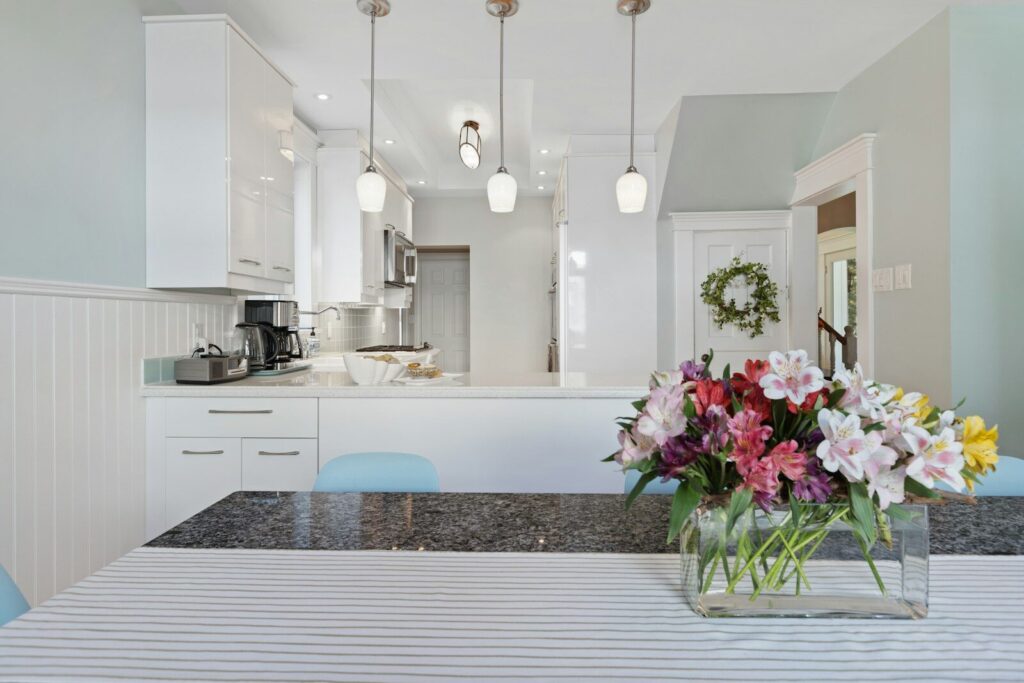
Creating a home that feels peaceful every day is a goal many aspire to but can find challenging amid busy schedules, clutter, and daily stresses. A peaceful home isn’t about perfection or a complete overhaul; it’s about cultivating an environment that supports calm, comfort, and relaxation. Whether living alone or with family, embracing simple strategies can transform everyday spaces into sanctuaries of tranquility, making it easier to unwind and recharge.
Peace in the home starts with intentional choices—about layout, décor, lighting, and routines—that promote a sense of order and ease. These choices often reflect personal taste and lifestyle, so flexibility and practicality are key. Small adjustments can have a big impact, especially when they help reduce noise, visual distractions, and stress triggers. Creating a sense of peacefulness also involves incorporating elements that inspire calm, such as natural materials, soft colors, and soothing scents.
This article explores approachable, practical ways to create a home that feels peaceful every day. From decluttering tips and mindful design ideas to budget-friendly products and maintenance advice, these insights aim to help readers build a nurturing space tailored to their needs and preferences.
Embrace Decluttering for a Calmer Space
Clutter is one of the biggest contributors to a chaotic, stressful home environment. When possessions pile up, it can be difficult to relax or focus. A key step toward daily peace is embracing a decluttering mindset that values simplicity and intentionality.
Start by identifying areas where clutter tends to accumulate, such as entryways, kitchen counters, or coffee tables. Setting aside short, manageable blocks of time regularly—like 10 to 15 minutes a day—can help maintain order without feeling overwhelming. Use a sorting system with categories like keep, donate, recycle, and discard to make decisions clearer.
Storage solutions also play an important role. Invest in storage containers, baskets, or bins that blend with your décor and provide effective hiding places for items that need to be kept. Labeling storage containers can further reduce visual confusion and make it easier to find things quickly.
Decluttering isn’t about creating an empty space but rather making room for what matters most. A tidy environment frees mental space, reduces distractions, and sets the foundation for a peaceful home.
Choose Soothing Colors and Natural Elements
The colors and materials in a home influence mood more than many realize. Soft, muted tones like creams, soft blues, gentle greens, and warm neutrals tend to evoke a sense of calm and relaxation. These colors work well on walls, furniture, textiles, and decor.
Natural elements further enhance a peaceful atmosphere. Incorporating wood, stone, or woven fibers adds texture and warmth, connecting the indoors with the outdoors. Houseplants are another popular choice—they not only purify the air but also add life and a sense of calm.
When selecting décor or paint colors, consider how lighting interacts with them throughout the day. Natural light enhances color vibrancy and promotes well-being, so keeping window treatments light and airy can help. For rooms with limited natural light, warm, soft artificial lighting can mimic daylight and create a cozy ambiance.
These design choices don’t require extensive renovation. Even small updates like new throw pillows, rugs, or curtains in calming colors and natural fabrics can make a noticeable difference.
Create Dedicated Relaxation Zones
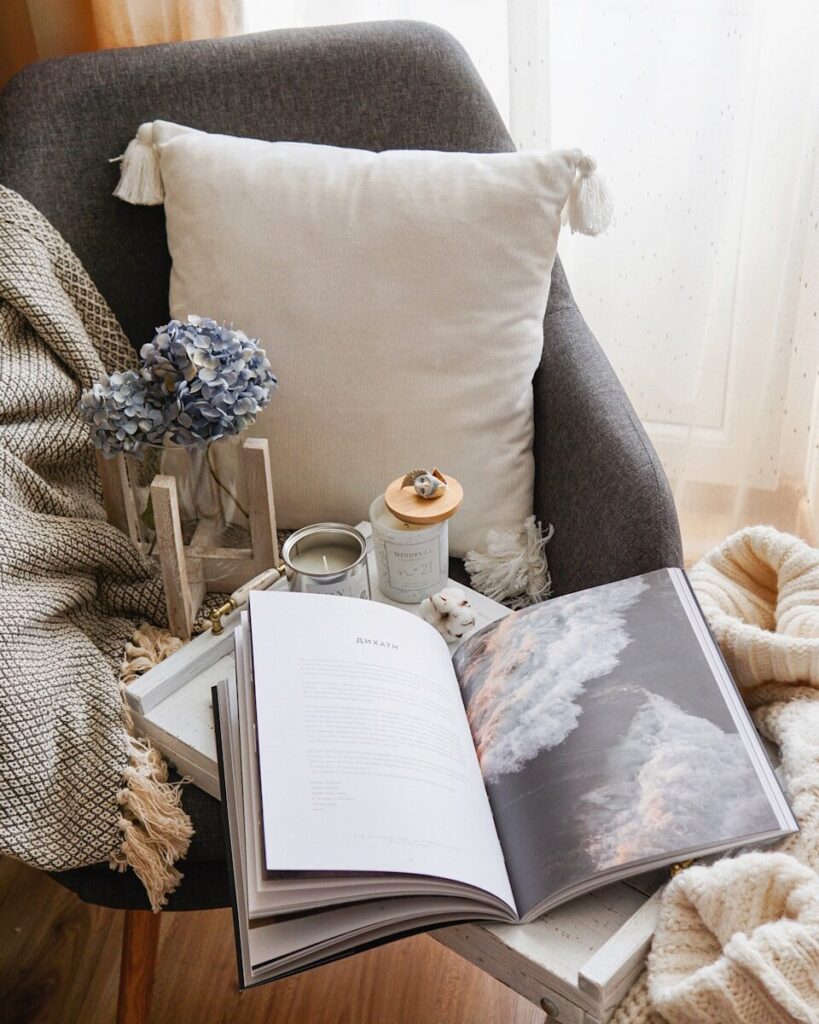
Designating specific areas for relaxation supports peaceful routines and signals to the brain that it’s time to unwind. Whether it’s a cozy reading nook, a meditation corner, or a comfortable spot by a window, having a dedicated space encourages regular self-care.
When setting up a relaxation zone, prioritize comfort and minimal distractions. A plush chair, soft blankets, and gentle lighting help make the space inviting. Incorporating calming sounds, such as a small tabletop fountain or a white noise machine, can further enhance the atmosphere.
For those with limited space, even a small corner with a floor cushion and a low shelf for favorite books can serve as a peaceful retreat. The key is to make it personal and easy to access daily.
Incorporate Soothing Scents and Sounds
Scent and sound have powerful effects on mood and stress levels. Utilizing them thoughtfully can deepen the sense of peace in the home.
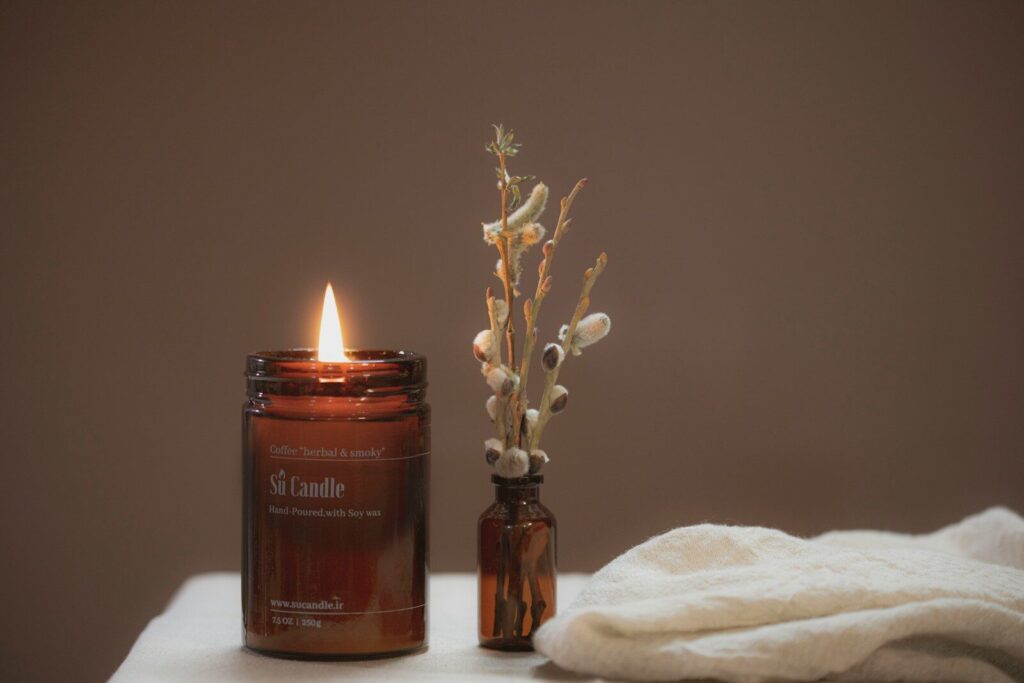
Essential oil diffusers with relaxing scents like lavender, chamomile, or eucalyptus are widely used to promote calm and improve sleep quality. Candles with natural fragrances can also add warmth and softness to a room’s atmosphere.
Soundscapes such as gentle instrumental music, nature sounds, or subtle white noise machines help mask background noise and create a serene environment, especially in urban or noisy areas.
Because scent sensitivity varies, it’s important to choose subtle options and ensure good ventilation. Non-flammable alternatives like reed diffusers or wax melts may be preferable for certain households.
Establish Simple Daily Routines that Foster Calm
Peaceful homes often reflect peaceful habits. Developing simple daily routines can reduce stress and create a rhythm that supports wellbeing.
Morning rituals might include opening windows for fresh air, enjoying a quiet cup of tea, or a brief stretching practice. Evening routines could involve dimming lights, turning off screens early, and spending a few minutes journaling or reading.
Consistency matters more than complexity. Even small rituals signal to the brain that it’s time to transition between work and relaxation, which can improve mental clarity and sleep quality.
In multi-person households, communicating about shared routines and respecting quiet times helps maintain harmony and reduces tension.
Use Practical Products Designed for Calm and Comfort
Certain products can enhance a home’s sense of peace by promoting comfort, organization, or sensory calm.
- Weighted blankets: Designed to provide gentle pressure that may reduce anxiety and improve sleep quality.
- Noise-canceling devices or white noise machines: Help block disruptive sounds for better focus or rest.
- Soft textiles: Throw blankets, cushions, and rugs in natural fibers like cotton or wool add tactile comfort.
- Smart lighting: Adjustable lights that mimic natural daylight cycles can support circadian rhythms and mood.
- Air purifiers: Improve indoor air quality, contributing to a fresher, more pleasant environment.
When selecting products, consider ease of maintenance, durability, and suitability to household members’ preferences. Affordable options often deliver noticeable benefits without requiring a large investment.
Plan for Maintenance and Seasonal Refreshes
Maintaining a peaceful home requires ongoing attention and occasional refreshes. Scheduling routine tidying sessions prevents clutter from accumulating again. A seasonal review every few months allows for adjustments to décor, scents, and routines that align with changing needs and weather.
Planning also involves practical considerations like storage for out-of-season items, cleaning supplies for regular upkeep, and dedicated spots for keys, mail, and daily essentials to minimize chaos.
Acknowledging that life brings unpredictability and mess helps keep expectations realistic. A peaceful home is a work in progress, not a static ideal.
Final Thoughts
Creating a home that feels peaceful every day involves thoughtful choices that prioritize simplicity, comfort, and calm. Decluttering, soothing colors, natural elements, and dedicated relaxation spaces all contribute to an environment that supports wellbeing. Incorporating gentle scents, sounds, and simple routines further deepens the sense of tranquility.
Peace at home doesn’t require perfection or major expense—it grows from intentional habits and practical adjustments tailored to individual lifestyles. By embracing these approachable ideas and maintaining realistic expectations, it becomes possible to build a nurturing space that offers daily respite from life’s demands. Ultimately, a peaceful home is a personal sanctuary where comfort and calm come naturally.