
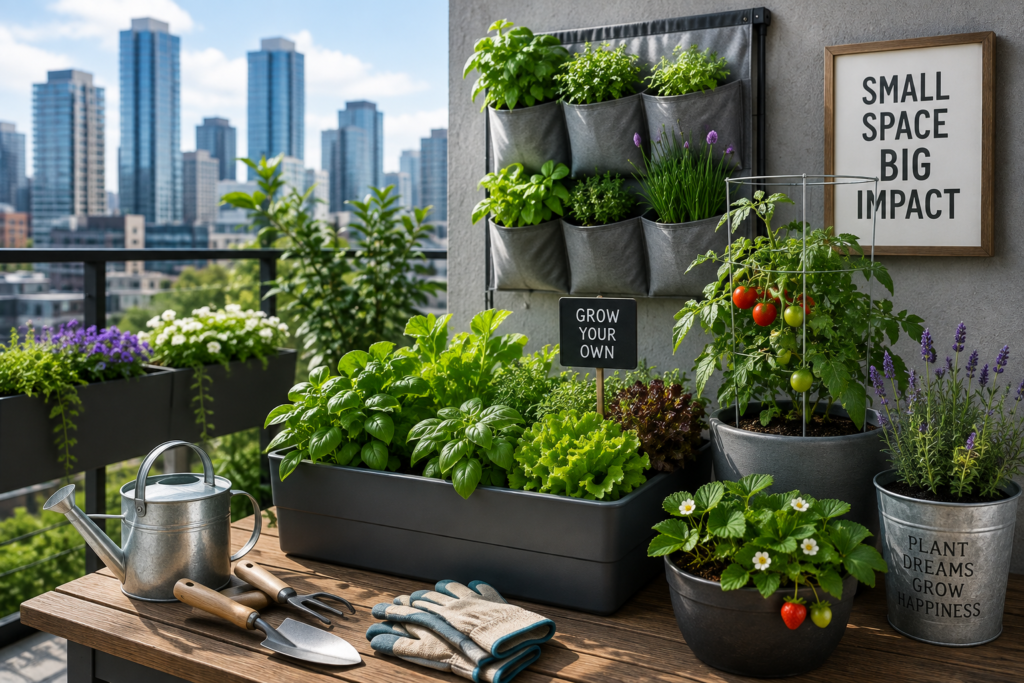
Urban gardening has become an increasingly popular way for city dwellers to reconnect with nature, grow fresh produce, and create green spaces in limited areas. This trend reflects a growing desire for sustainable living, healthier eating habits, and a hands-on approach to food production despite the challenges of urban environments. Whether it’s a small balcony, rooftop, or community plot, urban gardening offers practical benefits that enhance quality of life and contribute to environmental well-being.
The rise of urban gardening is partly driven by the accessibility of new tools, compact growing systems, and an abundance of resources tailored for small spaces. From container gardens to vertical setups, urban gardeners have more options than ever to cultivate herbs, vegetables, and flowers. This article explores practical tips and tricks to help urban gardeners maximize their efforts, whether they are beginners or experienced green thumbs looking for fresh ideas.
Choosing the Right Space and Containers for Urban Gardening
One of the first steps in starting an urban garden is selecting a suitable location that receives adequate sunlight and fits your available space. Most vegetables and herbs require at least six hours of direct sunlight daily, so balconies, windowsills, and rooftops facing south or west are ideal.
Container choice plays a crucial role in the success of your garden. Containers should have good drainage to prevent waterlogging and root rot. Popular materials include terracotta, plastic, and fabric pots, each with different properties:
- Terracotta pots are breathable and aesthetically pleasing but dry out quickly, requiring more frequent watering.
- Plastic pots retain moisture better and are lightweight, but may not provide as much airflow to the roots.
- Fabric grow bags provide excellent drainage and aeration, promoting healthy root systems, and are easy to store when not in use.
Choosing containers that match your watering habits, space, and plant needs will reduce maintenance challenges and help your plants thrive.
Selecting Suitable Plants for Urban Environments
Urban gardening often involves limited space, so selecting plants that are compact, fast-growing, and well-suited to container life is essential. Some commonly grown urban garden plants include:
- Herbs like basil, parsley, mint, and chives are compact, useful in everyday cooking, and relatively low-maintenance.
- Leafy greens such as lettuce, spinach, and kale grow quickly and can be harvested repeatedly, making them perfect for small spaces.
- Compact vegetables like cherry tomatoes, peppers, and radishes adapt well to containers and provide rewarding harvests.
- Edible flowers and small fruiting plants like strawberries add color and variety without requiring large areas.
It’s important to check each plant’s sunlight and water requirements and choose varieties labeled as “container-friendly” or “compact” to ensure they fit your urban garden setup.
Soil and Fertilization Tips for Healthy Growth
High-quality soil is foundational for urban gardening success because container plants rely entirely on their potting mix for nutrients and water retention. Use a well-draining, nutrient-rich potting soil formulated for containers rather than garden soil, which can compact and hinder root growth.
Regular fertilization is necessary since nutrients in pots wash out over time. Slow-release fertilizers designed for container plants offer steady nutrition, while liquid fertilizers can provide a quick boost during the growing season. Organic options such as compost tea or fish emulsion may appeal to those seeking natural fertilization methods.
Proper soil and feeding techniques improve plant vigor, support steady growth, and contribute to bountiful harvests in limited space.
Watering Strategies to Avoid Common Pitfalls
Water management is often a challenge in urban gardening because containers can dry out faster than garden beds. Consistent watering is key, but overwatering can be just as harmful as underwatering.
A few watering tips to consider:
- Check soil moisture regularly by inserting a finger an inch deep; if it feels dry, it’s time to water.
- Water early in the day to reduce evaporation and give plants time to absorb moisture.
- Use self-watering containers or add water-retaining crystals to the soil to maintain consistent moisture levels.
- Avoid letting containers sit in standing water, which can cause root rot.
Good watering practices not only keep plants healthy but also reduce waste and the frequency of maintenance.
Maximizing Space with Vertical and Creative Gardening Techniques
Urban gardeners often face the challenge of limited floor space, making vertical gardening a popular solution. Vertical systems allow plants to grow upwards rather than outwards, making efficient use of balconies, walls, fences, or railings.
Options for vertical gardening include:
- Wall-mounted planters and pocket gardens that hold herbs or small plants.
- Trellises and cages for vining plants like beans, cucumbers, and peas.
- Stacked or tiered planters that add layers of growing space without expanding the footprint.
Creative solutions such as hanging baskets, repurposed pallets, or ladder shelves can also increase growing capacity and add visual interest while keeping plants accessible and well-spaced.
Utilizing Urban Gardening Tools and Accessories
Having the right tools and accessories tailored to urban gardening can streamline care routines and improve results. Essential tools include:
- A compact watering can or hose attachment with a gentle spray to avoid soil disruption.
- Pruning shears for trimming and harvesting to keep plants healthy.
- Lightweight hand trowels and cultivators suited for working in small containers.
- Moisture meters to monitor soil hydration accurately without guesswork.
Optional accessories like grow lights can extend growing seasons or supplement low natural light. Plant supports, labels, and timers also add convenience and organization, especially for gardeners balancing busy schedules.
Addressing Common Urban Gardening Challenges
Urban environments present specific challenges, including pollution, limited sunlight, pests, and space constraints. Awareness and proactive management can help mitigate these issues:
- Use organic mulches or reflective materials to improve light exposure and reduce soil temperature fluctuations.
- Choose pest-resistant plant varieties, and employ natural pest control methods like companion planting or neem oil sprays.
- Rotate crops if possible to reduce disease buildup and maintain soil health.
- Regularly clean containers and tools to prevent mold and pests.
Understanding these challenges and adjusting care routines accordingly will increase the likelihood of a successful and sustainable urban garden.
Final Thoughts
Urban gardening is a rewarding way to bring nature into city living, offering fresh produce, creative expression, and a sense of accomplishment. By thoughtfully selecting spaces, containers, plants, and care techniques, urban gardeners can overcome common obstacles and enjoy a thriving green oasis, even in modest quarters. Practical tools, smart watering, and space-saving methods further enhance the experience, making urban gardening accessible and enjoyable for all skill levels.
Whether growing herbs on a windowsill or cultivating a full balcony garden, embracing these tips and tricks can transform limited urban spaces into productive, vibrant gardens. With patience and attention, urban gardening becomes not only a sustainable lifestyle choice but a daily source of joy and practical benefits.