
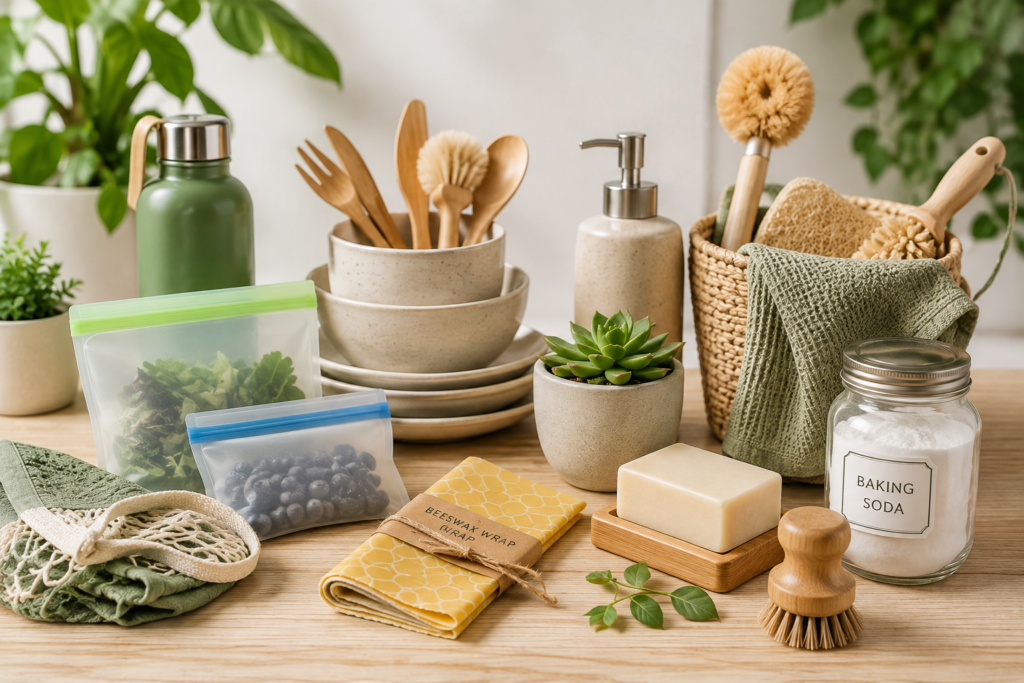
Eco-friendly home products are gaining attention as more people look for practical ways to reduce their environmental impact without sacrificing convenience or style. Choosing sustainable items for everyday living can seem overwhelming given the multitude of options available. Yet, selecting the right products can make a meaningful difference in reducing waste, conserving resources, and supporting a greener lifestyle.
This article explores a curated selection of popular eco-friendly home products that address common household needs while emphasizing durability, usefulness, and environmental benefits. The goal is to help readers understand which choices fit their lifestyle, budget, and sustainability goals without falling for hype or novelty.
Affiliate disclosure: Some links in this article are affiliate links. If you make a purchase through an affiliate link, I may earn a commission at no additional cost to you. As an Amazon Associate I earn from qualifying purchases.
Product Roundup Overview
Sustainable home products often earn attention for their potential to replace disposable or energy-intensive alternatives. This roundup focuses on items that help reduce single-use plastics, minimize waste, conserve water or energy, and support eco-conscious consumption habits. Each product is evaluated for how well it performs its intended function, its environmental credentials, and practical considerations like cost and maintenance.
The featured products span kitchenware, cleaning supplies, personal care items, and home organization tools. They reflect a balance between trending eco-friendly innovations and proven sustainable staples. While some may demand a higher upfront investment, their durability and reusable design often justify the cost over time. Others offer budget-friendly options suitable for anyone beginning to embrace a greener routine.
What to Consider Before Choosing
When selecting eco-friendly home products, it’s important to clarify the problem or desire driving the purchase. Are you aiming to eliminate plastic waste, save energy, reduce chemical exposure, or simply adopt more mindful consumption patterns? Understanding this helps narrow options to items that deliver meaningful benefits rather than just green marketing.
Practical factors include product materials, longevity, ease of cleaning, and compatibility with existing household habits. Some sustainable products require a period of adjustment or specific care routines, which may affect suitability. Price is another key consideration—while many eco-friendly items can be cost-effective over time, initial expenses vary widely.
Finally, consider the product’s environmental impact beyond its immediate use. Does it utilize renewable materials? Is it biodegradable or recyclable? How does its manufacturing process affect carbon footprint? These questions help separate lasting value from trend-driven buys.
Featured Products
1. Bamboo Fiber Dinnerware Set
This set includes plates, bowls, and cups made from bamboo fiber combined with food-safe resins. Designed as a reusable alternative to disposable plastic or paper dinnerware, it is lightweight and dishwasher-safe. Ideal for families or individuals seeking to reduce single-use waste during meals or outdoor events.
Why it stands out: It replaces disposable dishware with a biodegradable, durable option that supports waste reduction without compromising convenience.
2. Reusable Silicone Food Storage Bags
These flexible silicone bags serve as a substitute for disposable plastic sandwich and freezer bags. They seal tightly to preserve food freshness and withstand repeated use and washing. They are heat-resistant, making them suitable for sous vide cooking or microwave reheating.
Why it stands out: They reduce reliance on single-use plastic bags while offering versatility for food storage and preparation.
3. Compostable Trash Bags
Made from plant-based materials, these trash bags break down more quickly than traditional plastic bags in composting environments. They are designed for kitchen waste and yard debris and help reduce plastic pollution from everyday garbage disposal.
Why it stands out: They provide a practical way to manage waste with less environmental harm, especially for those with access to composting facilities.
4. Wool Dryer Balls
Wool dryer balls replace single-use dryer sheets and reduce drying time by improving air circulation in the dryer. They are naturally hypoallergenic and free from synthetic fragrances or chemicals, making them suitable for sensitive skin.
Why it stands out: They save energy and eliminate disposable dryer sheet waste while softening clothes naturally.
5. Water-Saving Showerhead
This showerhead uses pressure-compensating technology to maintain water flow while reducing overall consumption. It is easy to install and can lower water bills without sacrificing shower comfort.
Why it stands out: It addresses water conservation in a high-use area of the home with minimal lifestyle disruption.
6. Beeswax Food Wraps
Beeswax wraps are a reusable alternative to plastic wrap for covering bowls or wrapping food. They are made from cotton coated with beeswax, jojoba oil, and tree resin, providing a breathable yet protective barrier for perishables.
Why it stands out: They cut down plastic wrap waste and can be refreshed with simple care, fitting well into low-waste kitchens.
7. Plant-Based Cleaning Pods
These concentrated cleaning pods dissolve in water to create cleaning solutions without harsh chemicals or plastic bottles. They come in compostable packaging and target common household cleaning needs like surfaces, glass, and floors.
Why it stands out: They reduce plastic waste and chemical exposure while maintaining cleaning effectiveness.
8. Solar-Powered Outdoor Lights
Solar lights charge during the day to provide illumination at night without using electricity from the grid. They’re easy to install in gardens or patios and often include automatic sensors for dusk-to-dawn operation.
Why it stands out: They offer a renewable energy solution for outdoor lighting, lowering energy consumption and cost.
9. Stainless Steel Reusable Straws
These durable straws eliminate the need for disposable plastic straws. They’re easy to clean, often come with cleaning brushes, and are suitable for hot or cold beverages.
Why it stands out: They provide a simple, low-cost way to reduce plastic waste in daily beverage consumption.
10. Rechargeable Battery Set
Rechargeable batteries and a charger replace disposables for household electronics. Modern options hold charge longer and support hundreds of recharge cycles, minimizing hazardous waste.
Why it stands out: They reduce the need for frequent battery purchases and environmental contamination from single-use batteries.
How the Options Compare
Across these eco-friendly home products, several criteria help gauge their practical value:
- Usefulness: Most items address common household waste or resource-use issues—such as food storage, cleaning, energy use, or waste disposal.
- Durability: Products like bamboo dinnerware, silicone bags, and stainless steel straws tend to last for years with proper care, whereas compostable bags and beeswax wraps are consumables that require regular replacement.
- Ease of Use: Many items integrate easily into daily routines, though beeswax wraps and wool dryer balls may require a learning curve.
- Maintenance: Silicone bags and stainless steel straws clean easily; beeswax wraps need gentle hand washing; wool dryer balls require occasional sun drying.
- Environmental Impact: Products made from renewable or biodegradable materials score higher, but manufacturing processes and packaging should also be considered.
- Price and Value: Initial costs vary. For example, wool dryer balls and reusable straws are low-cost and have long service lives, while water-saving showerheads and solar lights may have higher upfront costs justified by energy savings.
Best Choice for Different Needs
For Waste Reduction Beginners
Reusable silicone food storage bags and stainless steel straws offer simple switches from single-use plastics without requiring major lifestyle adjustments. Their ease of use and cleaning make them accessible for those new to sustainable living.
For Kitchen Sustainability Enthusiasts
Bamboo fiber dinnerware and beeswax food wraps suit those focused on reducing disposable kitchen waste. While beeswax wraps require some care, both products effectively replace disposable plastics.
For Energy and Water Savers
Water-saving showerheads and solar-powered outdoor lights directly address resource conservation. They fit households aiming to lower utility bills and environmental footprint with minimal behavior change.
For Allergy or Sensitivity Concerns
Wool dryer balls provide a chemical-free alternative to dryer sheets, appealing to those with sensitive skin or fragrance allergies.
For Composting Households
Compostable trash bags support organic waste management for homes with composting options, reducing plastic contamination in the waste stream.
Final Thoughts
Choosing eco-friendly home products involves balancing environmental benefits with practical needs and habits. The items highlighted here demonstrate how sustainable options can fit into everyday living without undue complexity or expense. From reusable food storage to energy-saving devices, these products address real problems like waste reduction and resource conservation while offering varying degrees of convenience and cost.
Ultimately, the best choice depends on individual priorities—whether to start with straightforward plastic replacements or invest in resource-saving upgrades. Keeping an eye on durability, ease of use, and environmental impact helps ensure these products contribute meaningfully to a sustainable lifestyle rather than simply following trends. Thoughtful selection encourages lasting positive change in the home and beyond.
Frequently Asked Questions
What materials are best for eco-friendly home products?
Renewable, biodegradable materials like bamboo, cotton, beeswax, and plant-based plastics are often preferred. Durable materials like stainless steel also support long-term sustainability by reducing reliance on disposables.
How do reusable silicone bags compare to traditional plastic bags?
Silicone bags are more durable and can be washed and reused many times, reducing plastic waste. They also withstand heat better, allowing for cooking or reheating, but have a higher upfront cost.
Are compostable trash bags compatible with all waste disposal services?
Compostable bags typically require access to industrial or home composting facilities to break down properly. They may not be suitable for all municipal waste systems, so it is important to check local guidelines.
Can wool dryer balls replace fabric softeners entirely?
Wool dryer balls soften clothes naturally and reduce drying time but do not add scent or reduce static as some fabric softeners do. Some users add essential oils for fragrance if desired.
How much water can a water-saving showerhead realistically save?
Water-saving showerheads can reduce water flow by 20-50% compared to standard models, leading to meaningful water and energy savings over time, depending on usage patterns.