
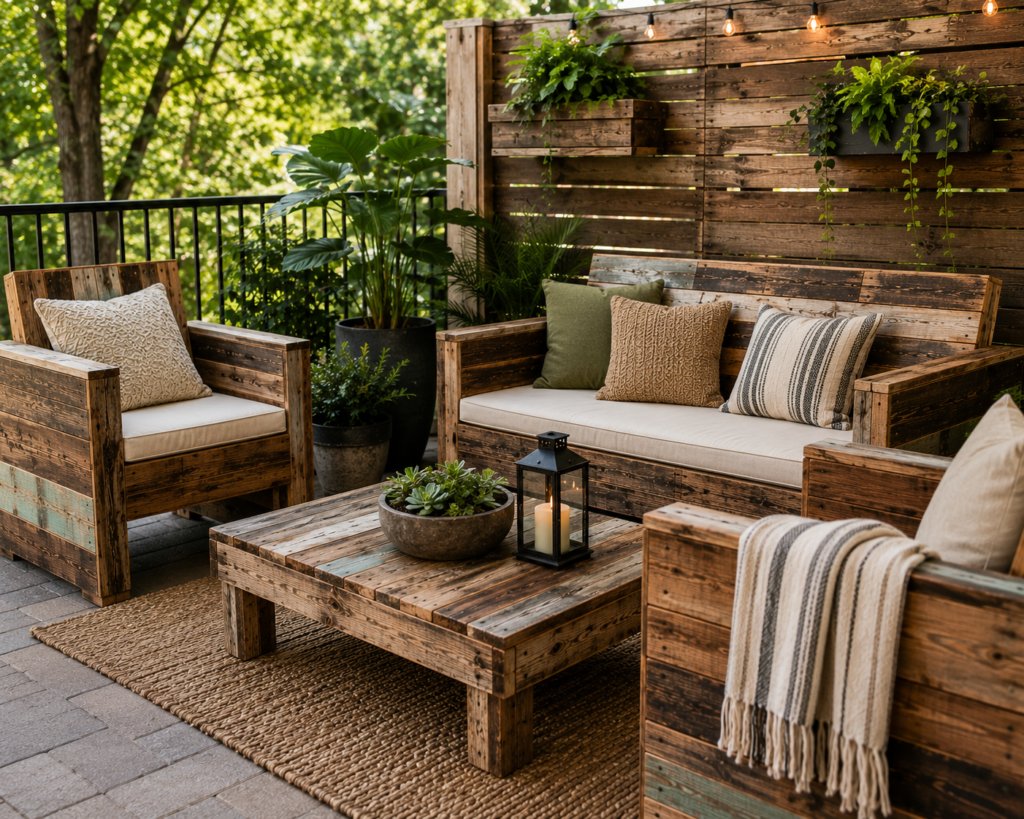
Sustainable home decor has moved from niche interest to a vital part of modern living spaces, reflecting a growing desire to make eco-friendly choices without sacrificing style. Many homeowners and renters alike seek ways to refresh their interiors with materials and designs that minimize environmental impact while enhancing comfort and function. Embracing sustainable trends can help reduce waste, support ethical production, and create a healthier home environment.
Incorporating these trends doesn’t require a complete overhaul or a large budget. Instead, practical changes—from choosing natural fibers to repurposing old items—can make a meaningful difference. Here are ten sustainable home decor trends that blend beauty and responsibility, offering ideas for every room and lifestyle.
Affiliate disclosure: Some links in this article are affiliate links. If you make a purchase through an affiliate link, I may earn a commission at no additional cost to you. As an Amazon Associate I earn from qualifying purchases.
1. Reclaimed Wood Furniture Pieces
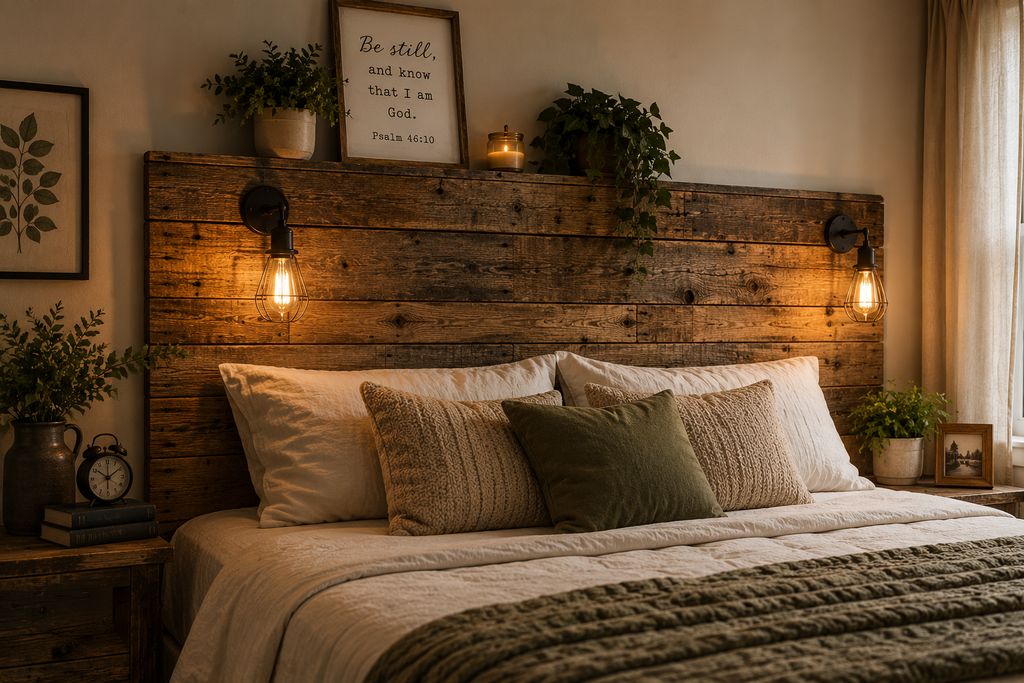
Reclaimed wood furniture uses wood salvaged from old buildings, barns, or other structures, giving it a second life as chairs, tables, or shelving. These pieces often showcase unique grains and textures not found in newly sourced wood. Ideal for homeowners or renters looking for durable, one-of-a-kind furniture, reclaimed wood adds warmth and character to living rooms, dining areas, or bedrooms.
Why it stands out: By reusing existing materials, reclaimed wood furniture reduces demand for new lumber and lowers the environmental footprint associated with furniture production.
2. Organic Cotton and Linen Textiles
Textiles made from organic cotton or linen avoid synthetic pesticides and fertilizers, making them gentler on the environment and often softer on the skin. These fabrics are commonly found in curtains, throw pillows, bedding, and upholstery. They suit anyone seeking natural, breathable materials that also support sustainable farming practices.
Why it stands out: Organic textiles offer a practical, affordable way to replace synthetic fabrics, improving indoor air quality and reducing chemical exposure.
3. Indoor Plants for Air Quality and Style
Incorporating indoor plants is a trend that blends sustainability with wellness. Plants like snake plants, pothos, and peace lilies naturally filter airborne toxins while adding greenery that softens and enlivens any room. They fit well in small apartments or large homes, require minimal care, and are budget-friendly for planters.
Why it stands out: Beyond aesthetics, indoor plants improve indoor air quality and create a calming atmosphere, making them a sustainable decor choice with clear functional benefits.
4. Upcycled and Vintage Decor Items
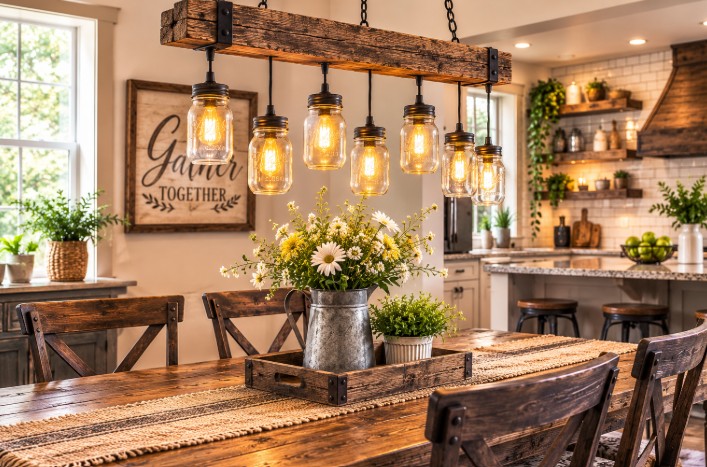
Upcycling transforms old or discarded items into fresh decor pieces, such as turning glass jars into light fixtures or repurposing vintage suitcases as storage benches. Vintage decor sourced from thrift stores or online markets introduces character and history without the environmental cost of new manufacturing. These choices work especially well for renters or those on a budget who want unique, sustainable accents.
Why it stands out: Upcycled and vintage pieces reduce waste and promote creativity, often requiring less investment than buying new.
5. Natural Fiber Rugs
Rugs made from jute, sisal, coir, or wool are sustainable alternatives to synthetic carpets. These natural fibers biodegrade more easily and are often harvested with lower environmental impact. Available in various textures and patterns, these rugs enhance living rooms, bedrooms, or entryways with earthy tones and durability suited for high-traffic areas.
Why it stands out: Natural fiber rugs balance comfort, style, and sustainability by using renewable materials that typically require less processing.
6. Low-VOC and Natural Paints
Choosing paints with low volatile organic compounds (VOCs) or natural ingredients reduces harmful fumes during application and over time. These paints come in many colors and finishes and can be used in any room, including nurseries and bedrooms where air quality matters most. They are a practical option for anyone repainting or refreshing walls with health and sustainability in mind.
Why it stands out: Low-VOC paints improve indoor air quality and reduce environmental impact without compromising color or coverage.
7. Energy-Efficient Lighting Fixtures
Energy-efficient lighting, such as LED bulbs and fixtures designed to maximize light output, reduces electricity consumption and related emissions. These fixtures come in modern and vintage-inspired designs, suitable for task lighting, ambient light, or decorative accents in kitchens, offices, and living spaces. Using energy-efficient lighting benefits those aiming to lower utility bills and carbon footprints.
Why it stands out: Energy-efficient lighting significantly reduces energy use, offering long-term savings and environmental benefits while effectively brightening the home.
8. Biodegradable Tableware and Accessories
Biodegradable tableware—such as bamboo plates, utensils, and serving trays—and accessories like coasters or planters made from natural or recycled materials offer sustainable alternatives to plastic. These items combine function with eco-consciousness and are especially helpful for casual dining areas, outdoor spaces, or entertaining setups.
Why it stands out: These products reduce plastic waste and support composting or recycling efforts, aligning everyday use with sustainability goals.
9. Modular and Multifunctional Furniture
Modular furniture includes pieces that can be rearranged or expanded to suit changing needs, while multifunctional furniture serves more than one purpose—like a sofa bed or storage ottoman. These designs maximize space efficiency, reduce the need for excess furniture, and often incorporate sustainable materials. They suit small-space dwellers, renters, and anyone valuing adaptability.
Why it stands out: Modular and multifunctional furniture supports sustainable living by reducing clutter, extending the life of furniture, and adapting to evolving household needs.
10. Natural and Handmade Decorative Accents
Decorative accents crafted from natural materials—such as woven baskets, ceramic vases, or hand-carved wooden objects—offer artisanal charm alongside sustainability. Handmade items typically support small businesses or local artisans and avoid mass production impacts. These accents can personalize any room with texture and warmth while reflecting mindful consumption.
Why it stands out: Choosing natural, handmade decor fosters connection to craftsmanship and reduces reliance on resource-intensive manufacturing.
Final Thoughts
Adopting sustainable home decor trends offers practical benefits beyond style, including healthier indoor environments and reduced environmental impact. Whether through choosing organic textiles, adding plants, or selecting energy-efficient lighting, these ideas offer ways to create a more comfortable and functional home while supporting broader sustainability goals. Each choice can be tailored to fit budgets, spaces, and lifestyles, proving that responsible decorating doesn’t require compromise.
For readers looking to refresh their homes, blending these sustainable trends with personal tastes and daily needs can lead to thoughtful, enjoyable spaces that feel good to live in and kind to the planet. Practicality and beauty coexist in these trends, making it easier to embrace sustainability as part of everyday home life.