Travel & Adventure

Long-Flight Travel Accessories
Travel & Adventure

9 Long-Flight Travel Accessories That Solve Real Problems

Long flights ask a lot of a very small space. The best long-flight travel accessories solve the little problems that become increasingly annoying after several hours: dry cabin air, bright lights, dead batteries, tangled cords, stiff legs, and essentials trapped in the overhead bin.

The best travel accessories that solve long flight problems aren’t necessarily the flashiest ones. They solve the annoying little problems that build up over several hours: dry air, bright cabin lights, dead batteries, tangled cords, stiff legs, and essentials that disappear into the overhead bin at exactly the wrong moment.

Some of these items are practical for nearly anyone, while others are comfort upgrades worth choosing based on your budget, health needs, seating arrangement, and tolerance for being mildly inconvenienced in public.

1. Properly Fitted Compression Socks for Long Periods of Sitting

Long stretches in an airplane seat can leave your legs feeling heavy, stiff, or generally unhappy with the arrangement. Properly fitted, below-the-knee graduated compression socks can be useful for some travelers, particularly those at increased risk of venous thromboembolism (VTE). Travelers without increased VTE risk generally do not need compression socks specifically for blood-clot prevention, although some may still prefer them for comfort. If you are unsure whether they are appropriate for you, ask a healthcare professional.

That said, they’re not a universal travel requirement, and they shouldn’t be treated as a guarantee against blood clots. The CDC notes that the overall risk of a travel-related blood clot is generally small. It also recommends moving your legs frequently and walking around when possible during long-distance travel. Travelers with a history of blood clots or other risk factors should speak with a clinician about appropriate precautions. The CDC’s guidance on blood clot risk and travel is a helpful starting point.

For many people, the basic strategy is refreshingly unglamorous: wear comfortable clothing, flex your ankles occasionally, and get up to walk when it’s safe to do so. Compression socks are not a substitute for movement or personalized medical advice.

2. A Sleep Eye Mask for Unpredictable Cabin Lighting

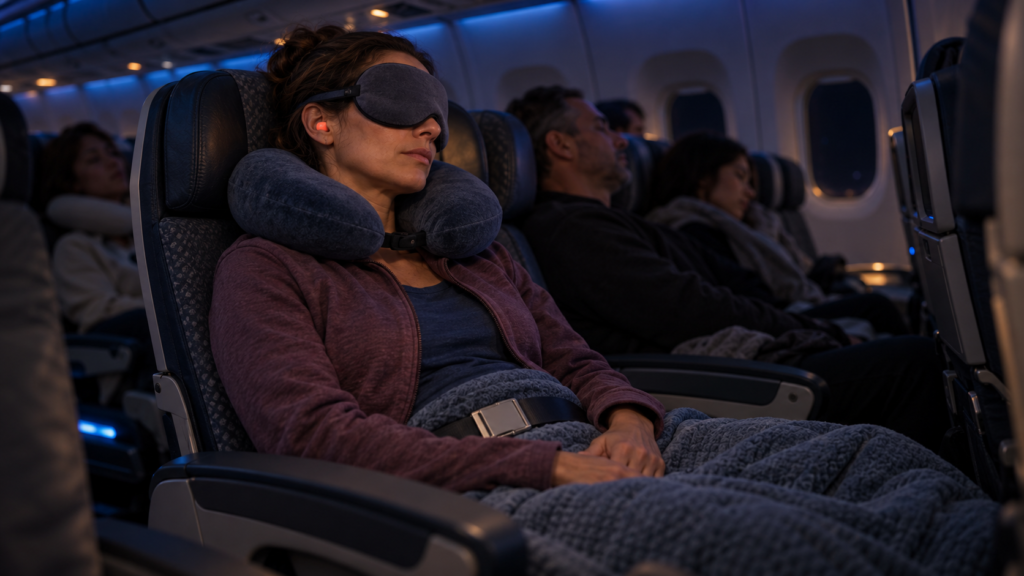
Evening flights, overnight flights, and flights where the person next to you is watching a very bright action movie at 2 a.m. can make resting difficult. A soft eye mask gives you some control over cabin light without requiring everyone else to follow your sleep schedule.

The CDC includes eye masks among the items that may help travelers nap during a flight. They won’t guarantee actual sleep, of course. Airplane rest is often more like “eyes closed while someone opens a bag of pretzels nearby.” Still, blocking overhead lights, window glare, and screen glow can make it easier to settle down.

Look for a lightweight mask with an adjustable strap rather than one that presses hard against your eyes. If you wear eyelash extensions, use a CPAP mask, or simply dislike anything touching your face, this may be a skip-it accessory rather than an essential.

3. Soft Earplugs for Cabin and Neighbor Noise

Airplane cabins have a steady soundtrack: engine noise, announcements, carts rolling down the aisle, crying babies, enthusiastic seatmates, and the occasional mystery rattle. Soft earplugs are one of the smallest and least expensive ways to reduce some of that background noise.

CDC travel guidance lists earplugs alongside eye masks as tools that may help with in-flight naps. They can also be useful if you’re sensitive to noise but don’t want to wear over-ear headphones for hours.

Foam or soft silicone earplugs take up almost no space, making them an easy backup even if you already plan to bring headphones. Just don’t expect total silence. They may, however, make the cabin feel less like you’re trying to rest inside a busy appliance.

4. A Carry-On Power Bank for a Dead Device

A fully charged phone is useful for far more than entertainment. It may hold your boarding pass, hotel address, transit directions, confirmation emails, emergency contacts, and the audiobook you downloaded with such good intentions.

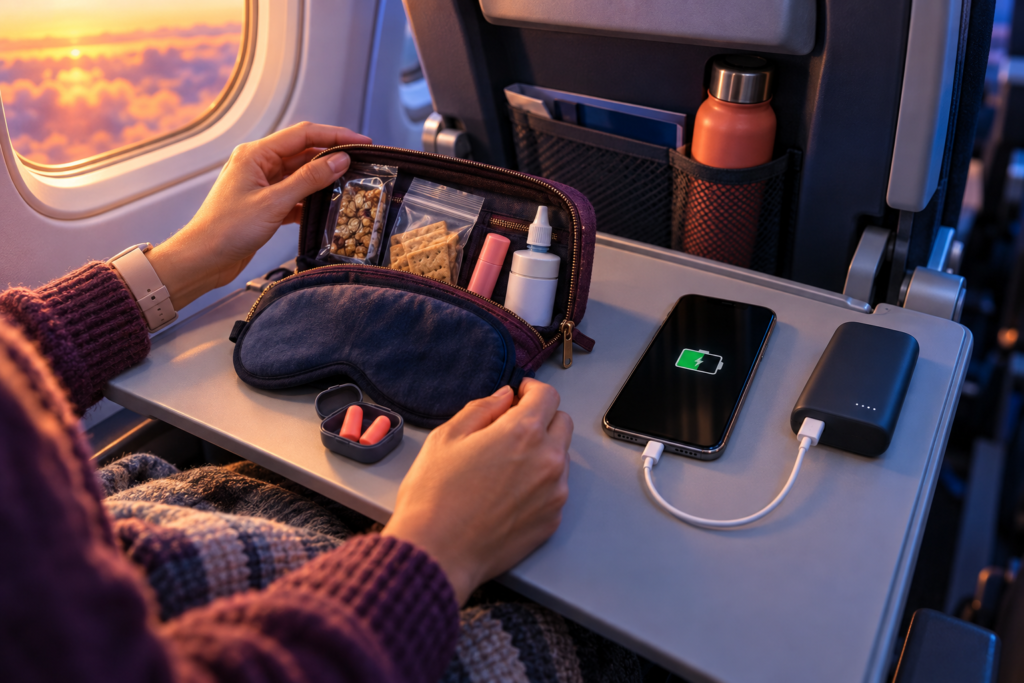
A compact power bank helps when the seat charging port doesn’t work, your seat doesn’t have one, or you’re spending extra time in an airport because travel plans have developed “character.” Keep it in an easy-to-reach pocket along with the correct charging cable for your device.

There’s an important airline safety rule here: power banks and spare lithium batteries must go in your carry-on baggage, not your checked suitcase. The Federal Aviation Administration says most rechargeable lithium-ion batteries up to 100 watt-hours are allowed in carry-on luggage; batteries from 101 to 160 watt-hours generally require airline approval, with a limit of two spare batteries. Check the watt-hour label and your airline’s current rules before you leave, and protect exposed terminals from short circuits. Never fly with a battery or device that is damaged, swollen, smoking, overheating, or subject to a safety recall. Review the FAA’s lithium battery guidance before packing.

This is one accessory where buying the biggest option isn’t automatically best. A smaller, clearly labeled power bank is often easier to pack and simpler to verify against airline rules.
Long-Flight Travel Accessories_tray

5. An Empty Reusable Water Bottle

Cabin air is typically very dry, and the CDC notes that low humidity on flights can contribute to dry eyes and upper-airway dryness. A reusable water bottle gives you a simple way to keep water nearby after you’ve passed through security.

Bring it empty through screening, then fill it after security where a refill station or water fountain is available. Standard U.S. carry-on rules generally limit liquids, gels, aerosols, creams, and pastes to containers of 3.4 ounces, or 100 milliliters, or less, with those containers fitting inside one quart-size liquids bag.

A leakproof bottle with a secure lid is worth the small amount of bag space. You don’t need a giant jug that becomes awkward in a seat pocket. A modest-size bottle is usually easier to refill, carry around the airport, and tuck into your personal item.

If mobility is a concern or getting up during the flight is difficult, having water within reach can be particularly helpful. Flight attendants can provide water when service allows, but keeping your own bottle handy gives you more flexibility.

6. A Small Dry-Air Comfort Kit

A long flight can be rough on lips, hands, and eyes. A simple pouch with travel-size moisturizer, lip balm, and lubricating eye drops can make the cabin’s dry air feel less irritating.

The CDC notes that typical aircraft humidity can be around 10% to 20%, which may contribute to dry mucous membranes and eyes. This doesn’t mean everyone needs a full skincare routine at cruising altitude. It simply means a few familiar comfort items may earn their place in your personal bag.

Stick to TSA-compliant sizes for liquids, creams, and gels unless an item is medically necessary and declared during screening. A solid lip balm is especially easy to pack, while lotion and eye drops should be checked for size before you head to the airport.

If you have persistent eye symptoms, contact-lens concerns, or an existing eye condition, seek personalized guidance from an eye-care professional rather than experimenting mid-flight. For general context on aircraft cabin conditions, see the CDC’s air travel guidance.

7. A Medication Pouch That Stays With You

Essential medication belongs in your personal item or carry-on, not in checked luggage or a suitcase you’ll stow several rows away. A small zip pouch or compact organizer keeps it separate from snacks, cables, and the mysterious collection of receipts that seems to form inside every travel bag.

TSA permits medications in pill, liquid, and other forms, subject to screening. Medically necessary liquids and creams may be allowed in quantities larger than the usual 3.4-ounce limit, but you should declare them during screening.

A simple pouch works best when it holds only what you may need during the journey: regular medication, necessary dosing information, and an appropriate supply in case of delays. Keep labels and original packaging when practical, especially for international travel, where medication rules may differ by destination.

This is an essential-preparation item, not a glamorous travel purchase. But it can save you from the deeply inconvenient experience of realizing your medication is in the overhead bin after the seatbelt sign comes on.
Long-Flight Travel Accessories_sleep

8. A Neck Pillow That Fits Your Sleep Style

Neck pillows are very personal. One traveler swears by a wraparound memory-foam pillow; another finds it feels like wearing a flotation device indoors. There is no universal winner here.

Still, if you tend to nod off and wake up with your head tilted at an alarming angle, a travel pillow may make resting in an upright seat more comfortable. The best shape depends on how you naturally sleep: against a window, straight back, leaning forward, or not at all because you’ve accepted that planes are not bedrooms.

Try it at home before committing it to a trip. Check whether it fits over headphones, works with the headrest, and can attach to your bag without becoming a bulky accessory that catches on every armrest in the terminal.

For travelers with neck pain, limited mobility, or a medical condition affecting posture, a standard travel pillow may not be suitable. Comfort is the goal, not forcing your body into a position it dislikes.

9. A Small Seat-Access Pouch for In-Flight Essentials

This accessory can be as simple as a zip pouch, slim sling bag, or small organizer that fits inside the personal item under the seat in front of you. Its job is to prevent the long-flight version of a scavenger hunt.

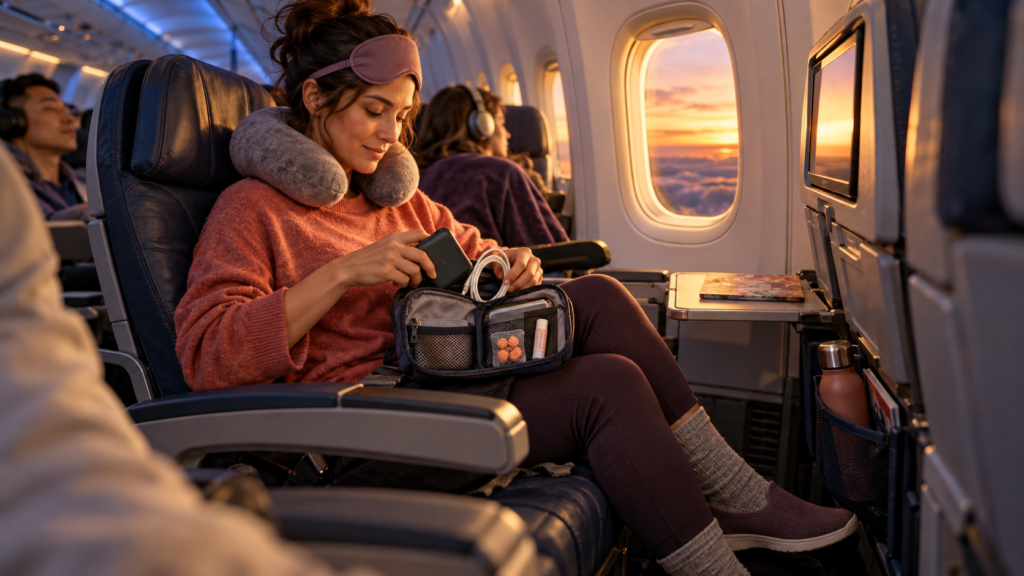
Keep your immediate essentials together: passport, phone, charging cable, headphones, eye mask, earplugs, lip balm, medication, and a snack if you’ve packed one. Once you’re seated, you can reach the pouch from your under-seat bag rather than repeatedly opening the overhead bin.

This is especially useful for families, travelers with limited mobility, or anyone seated in a middle or window seat. It can also make boarding less stressful because your larger carry-on can go overhead while the things you’ll actually use stay within reach.

You don’t need to buy a purpose-made travel organizer. A sturdy pouch you already own can do the job perfectly well. The real upgrade is deciding what needs to remain accessible before boarding begins.

Final Thoughts

The most useful long-flight accessories solve problems you can reasonably expect, not problems a glossy travel ad invented. Start with the essentials: accessible medication, water, power, and a way to manage light or noise if those things bother you.

After that, choose comfort upgrades based on your actual travel style. A frequent overnight flyer may love an eye mask and neck pillow, while someone taking a daytime flight may be happier with a charged phone, a water bottle, and less stuff to carry.
You Might Also Enjoy

lake and trees; Perfect Summer Retreat
Travel & Adventure

The Most Beautiful Lakes in America for a Summer Getaway

Summer invites many to seek calm and picturesque spots where nature’s charm offers both relaxation and adventure. Lakes, in particular, provide an ideal backdrop for unwinding, with their tranquil waters, scenic surroundings, and opportunities for outdoor activities. Choosing the right lake for the perfect summer retreat can make all the difference in creating memorable experiences away from the daily grind.

This guide highlights 10 scenic lakes popular among travelers seeking the perfect summer getaway. From crystal-clear waters to lush landscapes, these destinations offer something for everyone — whether it’s hiking, fishing, boating, or simply soaking in breathtaking views.

1. Lake Tahoe, California/Nevada

body of water near forest and mountains
Photo by Ben Carless

~ Visit Lake Tahoe

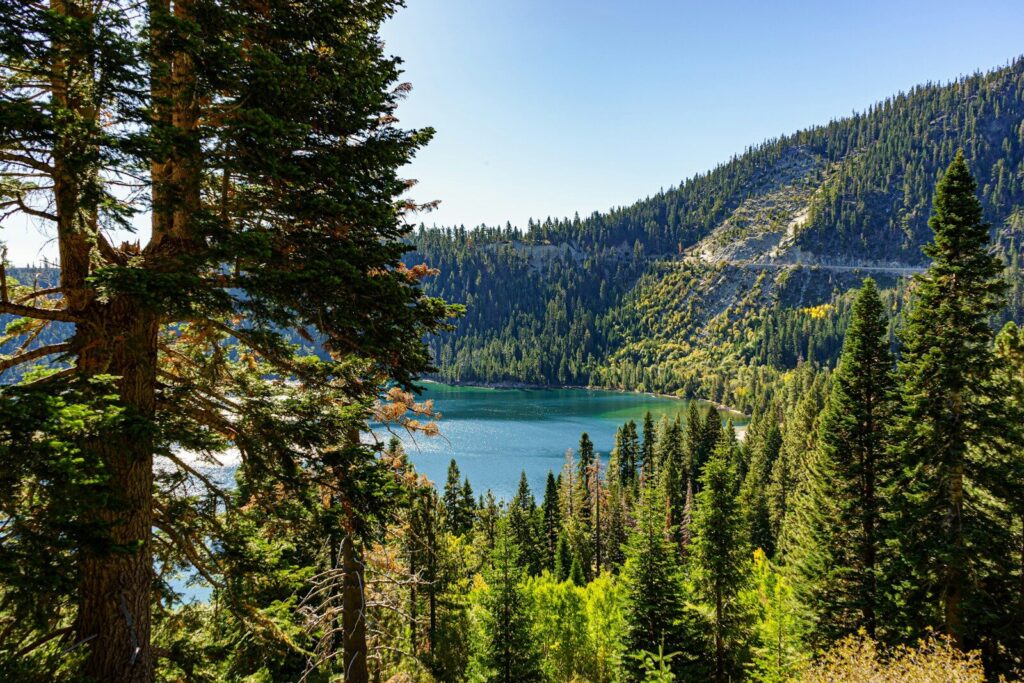
Nestled in the Sierra Nevada mountains, Lake Tahoe is renowned for its strikingly clear blue water and panoramic alpine views. The lake supports a wide range of activities, including kayaking, paddleboarding, and hiking along numerous trails. Nearby towns offer charming accommodations and dining, making it easy to enjoy both nature and comfort. Visitors appreciate the balance of outdoor adventure and well-developed amenities.

Why it stands out: Its combination of pristine water quality and diverse recreational options makes it a versatile destination for families, couples, and solo travelers seeking a refreshing summer break.


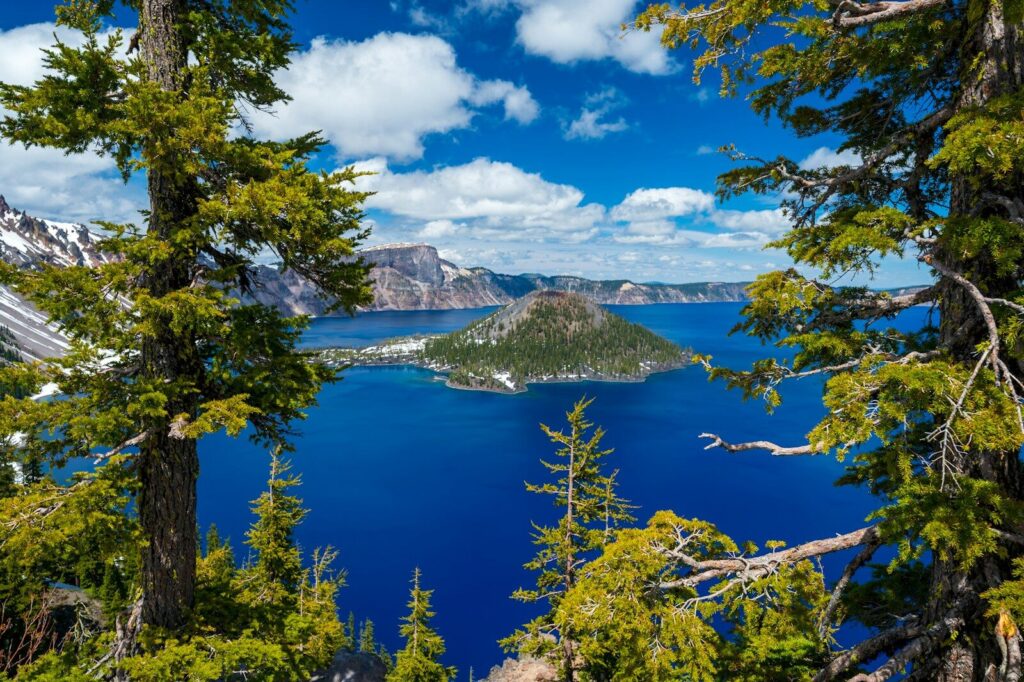
2. Crater Lake, Oregon

green trees near blue lake under blue sky during daytime
Photo by Varadh Jain

~ Visit Crater Lake

Famous for its deep blue color and clarity, Crater Lake is the centerpiece of Crater Lake National Park. Formed in a volcanic caldera, this lake offers stunning views from the rim and opportunities for boat tours. The surrounding park features hiking trails that showcase the unique geology and forested landscape. It’s an exceptional spot for visitors who appreciate dramatic natural scenery.
Why it stands out: The lake’s volcanic origin and remarkable clarity create a visually spectacular retreat that feels remote yet accessible.


3. Lake George, New York

Perfect Summer Retreat; a bald eagle flying over a body of water
Photo by Bill Alexy

~ Visit Lake George

Known as the “Queen of American Lakes,” Lake George is a favorite summer destination in the Adirondacks. It features a 32-mile-long expanse of water dotted with islands and surrounded by mountains. The area offers family-friendly beaches, boat rentals, and a lively village with shops and restaurants. It’s ideal for those who want a mix of outdoor fun and local culture.

Why it stands out: The combination of expansive water activities and a vibrant lakeside community makes it perfect for an active yet laid-back summer vacation.


4. Lake Winnebago, Wisconsin

a boat traveling across a large body of water
Photo by Nicole Winchel Brayton

~ Visit Lake Winnebago

As the largest lake in Wisconsin, Lake Winnebago attracts anglers and water sport enthusiasts. It has well-maintained parks, fishing piers, and public boat launches that encourage recreational use. Its accessibility for day trips from nearby cities adds to its appeal for those seeking a quick summer escape without extensive travel.

Why it stands out: Its size and accessibility allow visitors to enjoy varied activities without the crowds often found at more famous lakes.


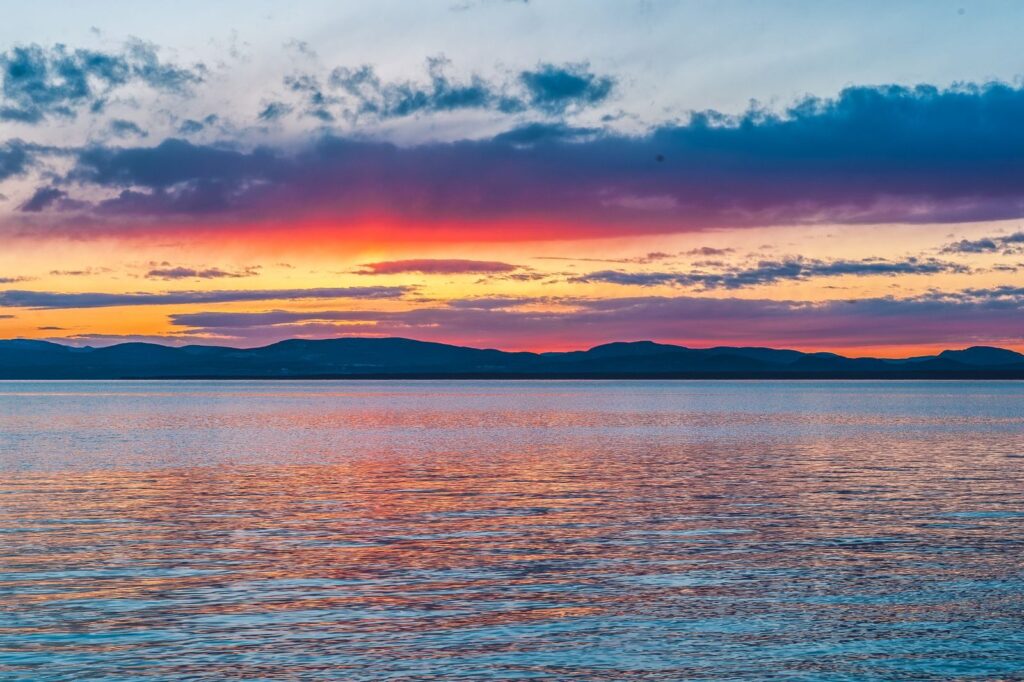
5. Lake Champlain, Vermont/New York

A breathtaking sunset over a serene body of water with vibrant colors and reflections.
Photo by Harrison Haines

~ Visit Lake Champlain

Bordering both Vermont and New York, Lake Champlain offers a scenic retreat with a laid-back atmosphere. It’s popular for sailing, fishing, and biking along its shores. The lake is surrounded by quaint towns and historic sites, providing enriching experiences alongside natural beauty. Budget-conscious travelers find many affordable lodging and dining options here.
Why it stands out: The lake’s affordability, combined with its charming towns and diverse recreational opportunities, makes it a practical choice for summer travelers.


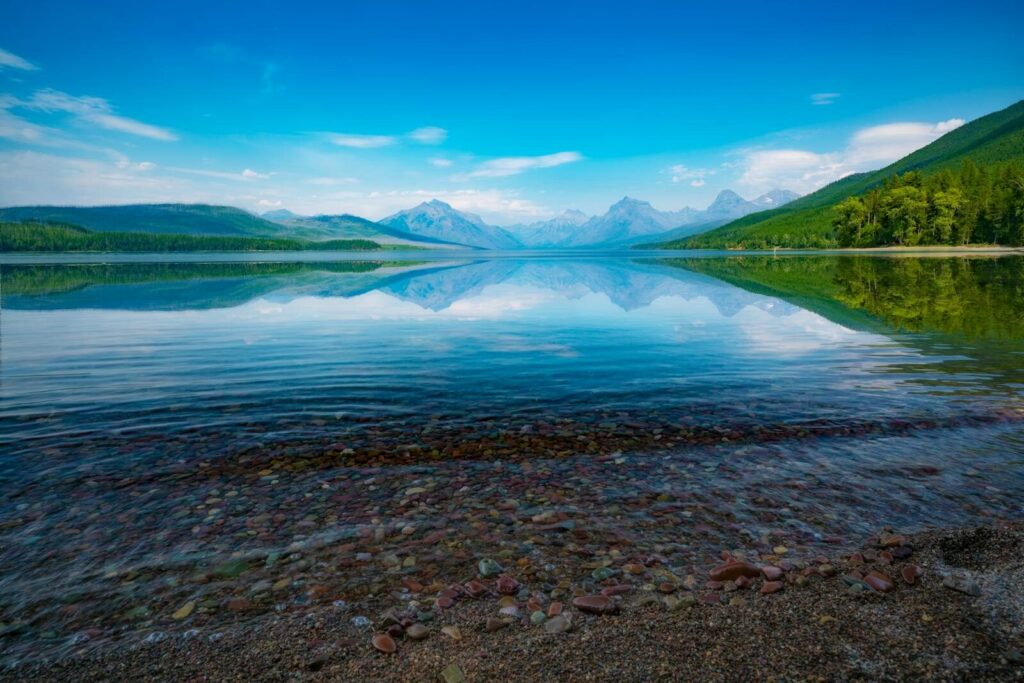
6. Flathead Lake, Montana

Breathtaking view of Lake McDonald with mountains reflecting in clear water, Glacier National Park.
Photo by Joshua Woroniecki

~ Visit Flathead Lake

Flathead Lake is one of the largest natural freshwater lakes in the western United States. Known for its warm waters and clean beaches, it’s a prime spot for swimming, boating, and fishing. The surrounding area includes vineyards and hiking trails, appealing to visitors who want a blend of outdoor activity and local flavor.

Why it stands out: Its warm water temperatures and scenic setting create a welcoming environment for a variety of summer pastimes.


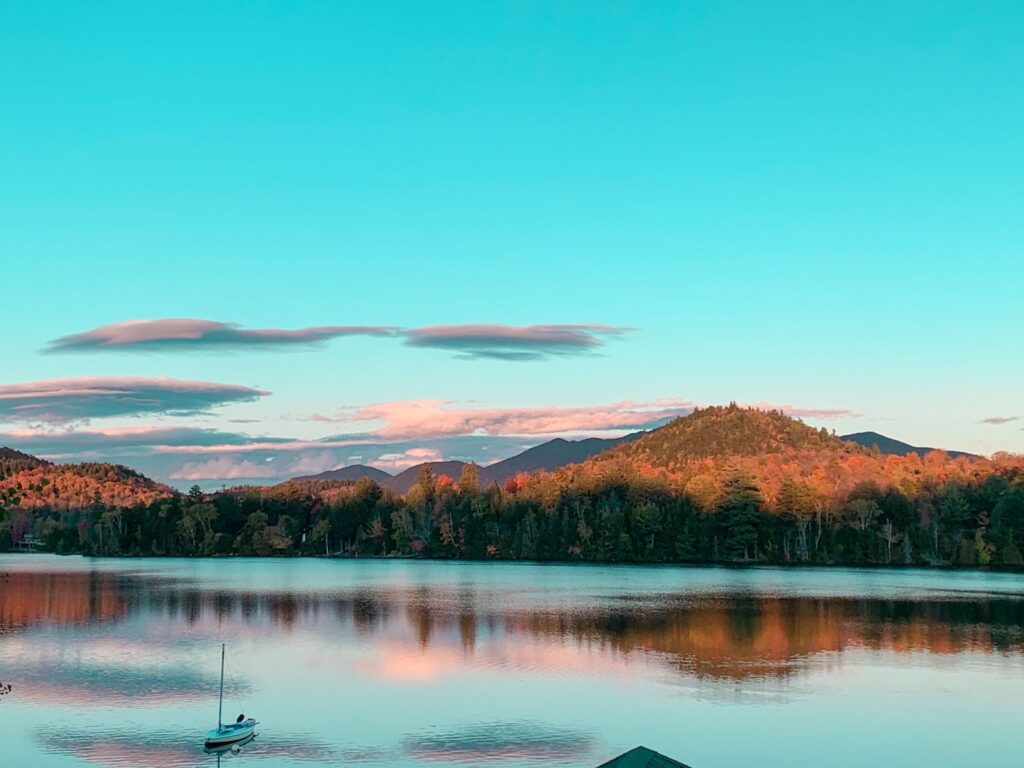
7. Lake Placid, New York

Breathtaking autumn landscape of Lake Placid with reflections and a sailboat.
Photo by Erica Zhao

~ Visit Lake Placid

Located in the Adirondack Mountains, Lake Placid is famous for its Olympic history and stunning natural environment. The lake itself offers calm waters perfect for canoeing and kayaking, while the surrounding area boasts hiking and biking trails. The town’s cozy ambiance and cultural attractions enhance the overall retreat experience.

Why it stands out: The mix of outdoor recreation and rich local heritage offers visitors a meaningful, active summer getaway.


8. Lake Okeechobee, Florida

Peaceful lake view with tall reeds under a vibrant sky.
Photo by Blair Damson

~ Visit Lake Okeechobee

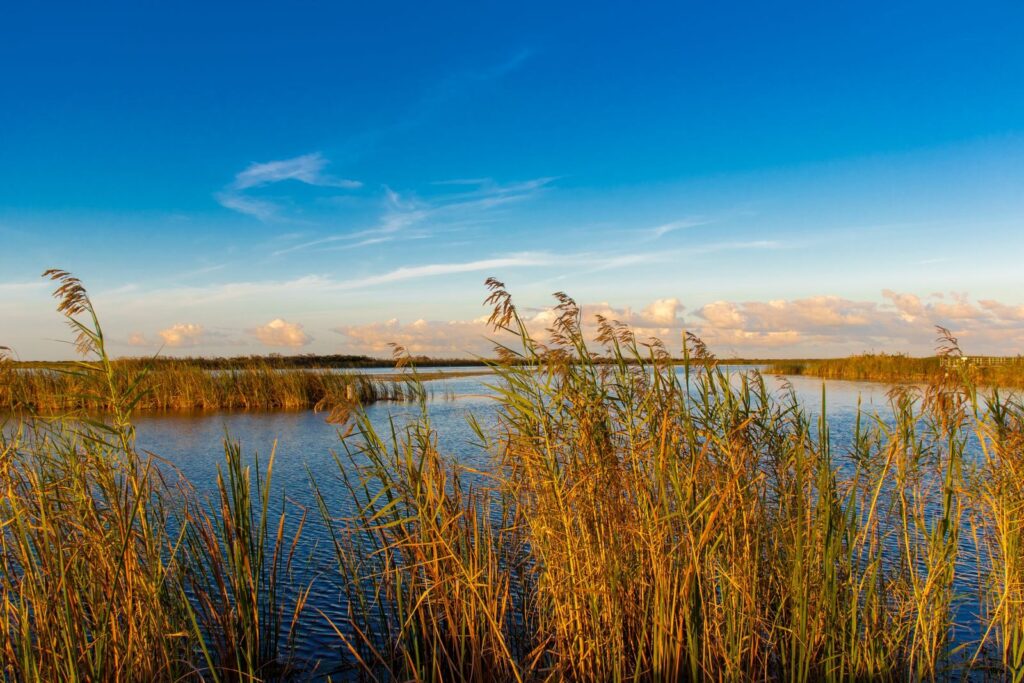
As Florida’s largest freshwater lake, Lake Okeechobee supports excellent fishing and birdwatching. Its vast wetlands and marshes make it a hotspot for nature enthusiasts seeking to observe diverse wildlife. The lake’s flat terrain is ideal for cycling and boating.

Why it stands out: Its unique ecosystem offers a distinctive summer retreat focused on nature immersion and outdoor exploration.


9. Shasta Lake, California

Breathtaking sunset over a calm lake, highlighting silhouettes of hilly landscapes.
Photo by Diane Orey

~ Visit Shasta Lake

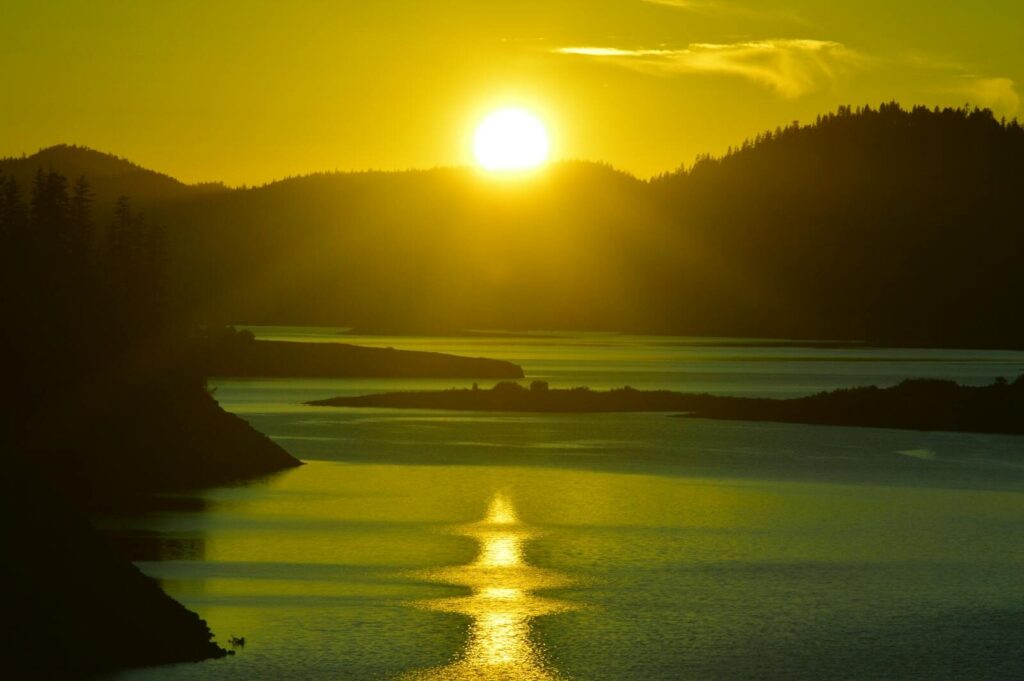
Shasta Lake is a reservoir surrounded by rugged hills and forests, popular for houseboating and water sports. It features numerous coves and inlets perfect for fishing and swimming. The lake’s extensive shoreline offers plenty of spots for camping and picnicking, appealing to those who love extended stays outdoors.

Why it stands out: Its expansive water playground and camping options create an immersive nature retreat for families and groups.


10. Lake Superior, Minnesota/Wisconsin/Michigan

wavy body of water during daytime
Photo by Andrew Ling

~ Visit Lake Superior

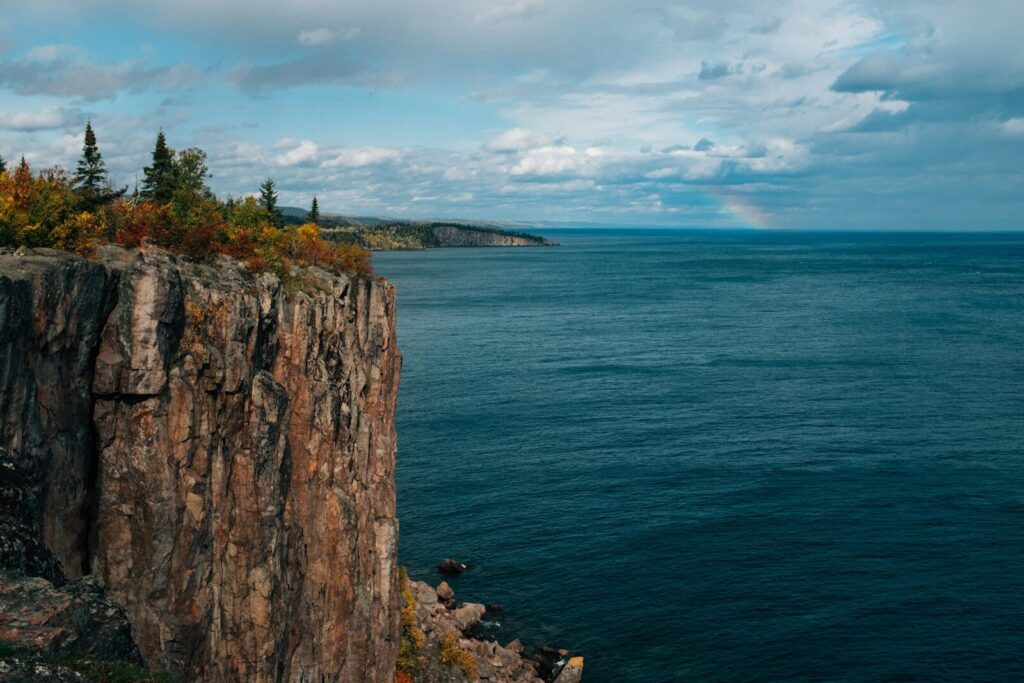
The largest of the Great Lakes, Lake Superior, offers dramatic cliffs, sandy beaches, and clear, cold water. Its vast size means visitors can find secluded spots for swimming, hiking, and scenic drives. The surrounding national and state parks showcase the region’s natural beauty and provide excellent wildlife viewing.

Why it stands out: The lake’s scale and varied landscapes provide a peaceful yet adventurous summer escape with plenty of room to explore.


Final Thoughts

Selecting a scenic lake for a summer retreat opens the door to rejuvenating experiences that blend natural beauty with outdoor activities. The lakes featured here are popular choices because they offer accessible, diverse environments that cater to a range of interests and budgets. Whether it’s the alpine clarity of Lake Tahoe, the historic charm of Lake Placid, or the budget-friendly shores of Lake Champlain, each destination provides a unique way to unwind and connect with nature.

Planning a trip to one of these lakes means more than just a change of scenery — it’s an opportunity to slow down, enjoy fresh air, and engage in activities that promote well-being. The variety among these lakes ensures that most travelers can find a spot that fits their preferences, making summer escapes both refreshing and memorable. For anyone looking to recharge this season, a scenic lake retreat offers a practical and fulfilling choice.


You Might Also Enjoy

Year-Round Mountain Retreat; cars parked beside road near mountain
Travel & Adventure

Year-Round Mountain Retreats for a Perfect Getaway

Mountain towns offer more than just scenic views—they provide a lifestyle that blends outdoor adventure, community spirit, and seasonal charm. However, not all mountain towns are equally inviting year-round. Some flourish in summer but quiet down in winter, while others come alive only during ski season. For those seeking a year-round mountain retreat, finding a town that balances accessibility, amenities, and activities across all seasons is essential.

Whether you’re looking for a second home, a vacation spot, or a permanent move, a mountain town with four-season appeal ensures you can enjoy hiking, skiing, festivals, and cozy retreats whenever you please. This list highlights eight mountain towns known for their vibrant year-round lifestyle, practical amenities, and natural beauty that adapts with the seasons.


1. Bend, Oregon

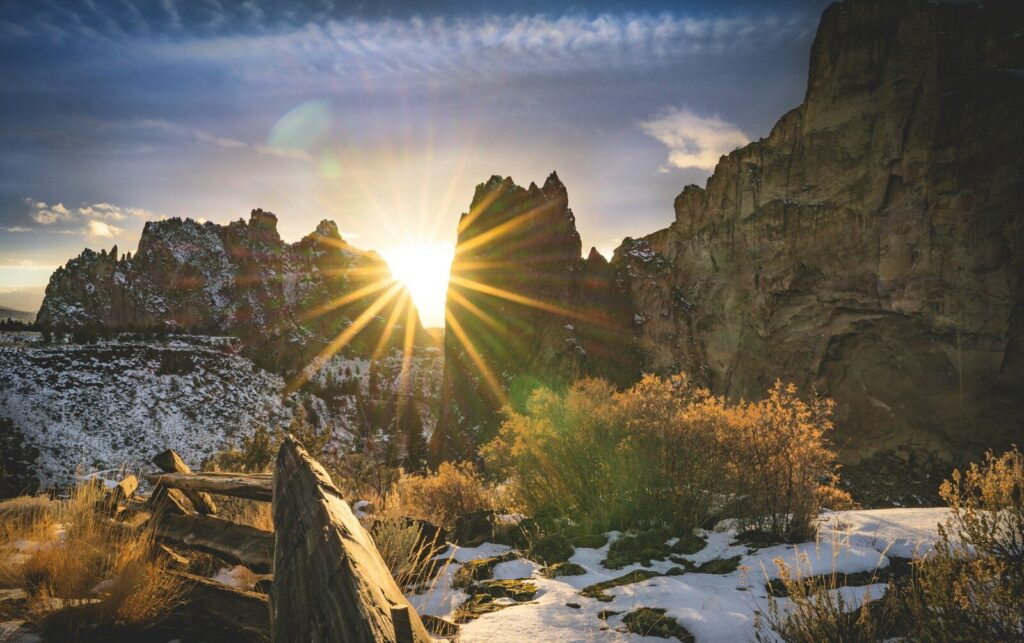
Year-Round Mountain Retreat; sunrise between canyons

~ Bend, Oregon Travel

Nestled in the high desert east of the Cascades, Bend offers a diverse range of outdoor activities throughout the year. Summers are perfect for mountain biking, fishing, and exploring the nearby Deschutes River, while winters bring ample snow for skiing and snowboarding at Mount Bachelor. The town itself has a thriving cultural scene, with craft breweries, restaurants, and art galleries that keep the community engaged year-round.

Why it stands out: Bend’s balance of outdoor adventure and urban amenities makes it ideal for those who want mountain living combined with a lively town atmosphere year-round.


2. Boone, North Carolina

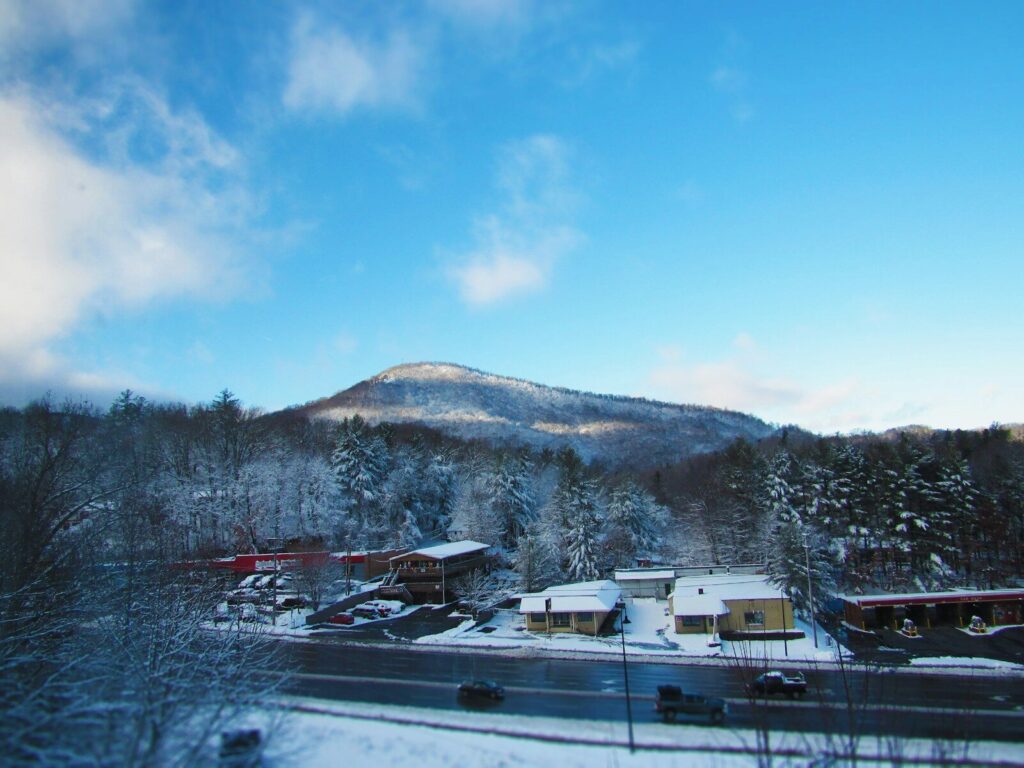
Year-Round Mountain Retreat; a snowy mountain with buildings and trees
Photo by Leiada Krözjhen

~ Boone, North Carolina Travel

Located in the Blue Ridge Mountains, Boone offers affordable living with access to hiking, skiing, and scenic drives. The town is home to Appalachian State University, which adds a youthful energy and cultural events throughout the year. Winters bring snow to nearby ski resorts, while spring and summer reveal wildflowers and waterfall trails.

Why it stands out: Boone offers an accessible mountain lifestyle with budget-friendly options and a strong community vibe that’s active year-round.


3. Truckee, California

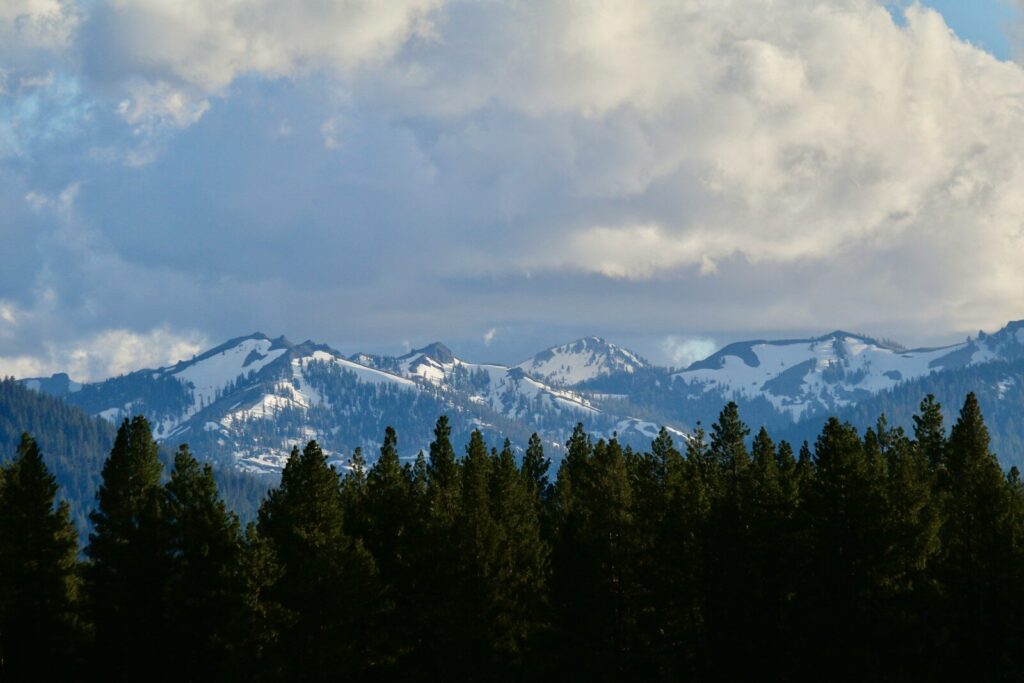
a view of a mountain range with trees in the foreground
Photo by Arnaud Gillard

~ Truckee, California Travel

Truckee sits near Lake Tahoe and offers a classic mountain town experience with a historic downtown full of shops, restaurants, and seasonal festivals. Winter is prime time for skiing and snowboarding at nearby resorts, while summer invites boating, hiking, and mountain biking. The town’s four-season climate ensures outdoor activities and local events don’t stop.

Why it stands out: Truckee’s combination of historic charm and proximity to Lake Tahoe creates a year-round destination for outdoor lovers and culture seekers alike.


4. Stowe, Vermont

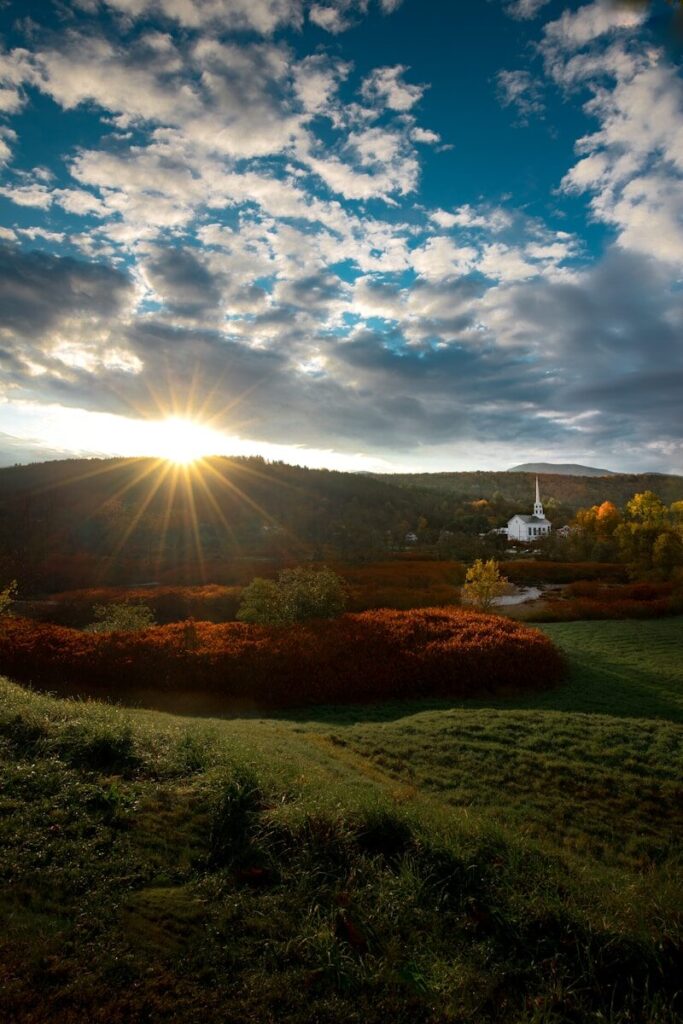
green grass field under cloudy sky during daytime
Photo by Dan Mall

~ Stowe, Vermont Travel

Famous for its ski slopes, Stowe also offers vibrant fall foliage and summer hiking trails. The town has a welcoming small-town feel, with art galleries, farm-to-table dining, and seasonal events celebrating local culture. Its well-maintained trails and parks provide opportunities for outdoor enjoyment regardless of the season.

Why it stands out: Stowe’s ability to attract visitors and support residents with activities and amenities beyond winter sports makes it an excellent all-season mountain town.


5. Flagstaff, Arizona

A field with a mountain in the background
Photo by Lauren Finch

~ Flagstaff, Arizona Travel

Flagstaff surprises many with its pine-covered mountains and snowy winters. It’s a hub for outdoor enthusiasts who enjoy skiing in winter and hiking or camping in summer. The town’s elevation creates a cooler climate than the surrounding desert, making it a refreshing retreat year-round. Additionally, Flagstaff offers museums, live music, and a historic downtown area.

Why it stands out: Flagstaff’s unique position as a mountain town in the Southwest offers four-season appeal, blending desert and alpine influences.


6. Whitefish, Montana

a view of a snowy mountain range with trees and mountains in the background
Photo by Andrew Christensen

~ Whitefish, Montana Travel

Whitefish combines a laid-back mountain vibe with access to Glacier National Park and a popular ski resort. Summer visitors enjoy fishing, hiking, and boating on Whitefish Lake, while winter transforms the area into a snow sports playground. The town’s local shops and eateries maintain a community feel all year.

Why it stands out: Whitefish’s close proximity to national parks and year-round recreational options make it a natural destination for outdoor lovers seeking seasonal variety.


7. Bozeman, Montana

brown field near mountains under white clouds during daytime
Photo by Matthew Lancaster

~ Bozeman, Montana Travel

Bozeman has grown rapidly due to its vibrant economy and outdoor lifestyle. It offers excellent skiing, hiking, and fishing opportunities, along with a lively downtown featuring shops, restaurants, and cultural events. The nearby Yellowstone National Park adds to its appeal as a four-season destination.

Why it stands out: Bozeman’s mix of economic growth and outdoor access means residents enjoy both job opportunities and mountain activities regardless of the season.


8. Park City, Utah

white snow covered mountain during daytime
Photo by Matt Omann

~ Park City, Utah Travel

Park City is well known for its ski resorts and film festivals, but it also shines in the warmer months with hiking, mountain biking, and golf. The town’s infrastructure supports a strong year-round tourism industry, with plenty of dining and entertainment options. Its proximity to Salt Lake City offers additional urban conveniences.

Why it stands out: Park City’s consistent influx of visitors and robust amenities make it a mountain town that thrives beyond just the winter season.


Final Thoughts

Choosing a mountain town that offers a vibrant lifestyle in all seasons can transform the way you enjoy nature and community. The towns listed here provide a balance of outdoor activities, cultural events, and practical amenities that keep life engaging no matter the weather. Whether you’re drawn to the Pacific Northwest’s rugged landscapes or the welcoming Appalachian range, these towns offer a dependable retreat all year long.

A year-round mountain town means more than just access to slopes or trails—it’s about finding a place where the community and environment support your lifestyle, no matter the month. Considering factors like climate, local economy, and available activities will help you select a town that fits your needs and interests. With the right choice, you can enjoy the best of mountain living every day of the year.


You Might Also Enjoy

Cozy Cabin Getaways; brown wooden house near green trees and mountain under white clouds and blue sky during daytime
Travel & Adventure

10 Cozy Cabin Getaways Across the U.S.

Finding a peaceful retreat away from the bustle of everyday life is a common desire, especially as the weather cools down and the idea of cozying up indoors becomes more appealing. For those seeking a perfect blend of comfort and nature, cabin getaways offer an ideal solution. These escapes provide a chance to unwind, reconnect with loved ones, and enjoy the tranquility of some of the most beautiful landscapes across the United States.

Cozy Cabin Getaways have gained popularity for delivering warmth and charm while offering modern conveniences. Whether nestled in the mountains, tucked into a forest, or perched lakeside, each cabin destination offers a unique experience suited to a range of tastes and budgets. Here are ten exceptional cabin getaways across the U.S. that promise relaxation, adventure, and memorable moments.

1. Smoky Mountains Cabin, Tennessee

Smoky Mountains Cabin, Tennessee; a bench on a deck
Photo by Travis Wyatt

~ Smoky Mountains Travel

Located in the heart of the Great Smoky Mountains National Park, this cabin offers stunning mountain views and easy access to hiking trails. It features a rustic yet comfortable interior with a fireplace and a fully equipped kitchen, making it ideal for families or couples. The proximity to Gatlinburg and Pigeon Forge offers dining and entertainment without sacrificing tranquility.

Why it stands out: Its location blends natural beauty with convenient access to amenities, allowing guests to enjoy both outdoor adventure and cozy indoor relaxation.


2. Cozy Cabin in the Catskills, New York

Cozy Cabin Getaways; green grass field near body of water during sunset
Photo by Erika Zhuravskiy

~ Catskills Travel

This budget-friendly cabin is perfect for those wanting a peaceful escape without stretching their wallet. Set among dense woodlands, it offers a simple, inviting space with essential comforts like a wood stove and a porch for morning coffee. The surrounding area is well known for its fall foliage and hiking, making it a great seasonal getaway.

Why it stands out: It offers affordable comfort in a scenic setting, making it accessible to budget-conscious travelers seeking nature and quiet.


3. Lake Tahoe Log Cabin, California/Nevada

brown wooden house on snow covered ground near body of water during daytime
Photo by adrianna geo

~ Lake Tahoe Travel

Overlooking the pristine waters of Lake Tahoe, this cabin features expansive windows that let in natural light and offer panoramic views. Guests can enjoy fishing, kayaking, or simply relaxing on the deck with a book. The cabin’s rustic charm is complemented by modern amenities such as a hot tub and Wi-Fi.

Why it stands out: It combines lakeside recreation with cozy indoor spaces, perfect for both active and restful vacations.


4. Asheville Mountain Retreat, North Carolina

a scenic view of a mountain range with trees in the foreground
Photo by Parker Ward

~ Asheville Travel

Situated near the Blue Ridge Parkway, this cabin is a haven for art lovers and nature enthusiasts alike. It boasts handcrafted wooden furnishings and a screened porch to enjoy the mountain air. The nearby town of Asheville offers vibrant cultural experiences, including galleries, breweries, and farm-to-table dining.

Why it stands out: It offers an inspiring mix of mountain scenery and cultural richness, ideal for travelers who appreciate both.


5. Adirondack Cabin, New York

brown wooden house near body of water during daytime
Photo by Samarth Mair

~ Adirondack Travel

This cabin is set deep within the Adirondack Mountains, surrounded by forests and lakes. It features a cozy stone fireplace and a deck with a grill, perfect for family cookouts. The area is popular for boating, hiking, and winter sports, making the cabin a year-round destination.

Why it stands out: Its all-season appeal supports a variety of outdoor activities while providing a snug base for relaxation.


6. Big Bear Cabin, California

A cabin is nestled in a lush, green forest.
Photo by Tammy Taabassum

~ Big Bear Travel

Nestled in the San Bernardino National Forest, this cabin offers a warm retreat with a large stone fireplace and a spacious living area. It’s close to Big Bear Lake, where guests can enjoy fishing, boating, and mountain biking. The cabin’s deck is ideal for stargazing and quiet evenings.

Why it stands out: It offers a versatile escape that combines forest surroundings with lakefront recreation.


7. Olympic Peninsula Cabin, Washington

a cabin in the woods with a mountain in the background
Photo by Mark Raptapolus

~ Olympic Peninsula Travel

This cabin is a secluded spot near Olympic National Park, known for its diverse ecosystems from rainforests to rugged coastlines. It has a simple, natural décor and a wood-burning stove. The location is perfect for wildlife watching, hiking, and beachcombing along the nearby shore.

Why it stands out: It offers immersive nature experiences in a quiet, off-the-grid style setting.


8. Glacier National Park Cabin, Montana

green grass lawn
Photo by Harold Eggar

~ Glacier National Park Travel

Set near Glacier National Park’s famous trails, this cabin offers rustic comfort with modern touches such as heated floors and a well-equipped kitchen. It’s a great base for exploring glaciers, alpine meadows, and crystal-clear lakes. The cabin’s large windows help guests stay connected to the stunning environment.

Why it stands out: It blends outdoor adventure with thoughtful amenities to enhance comfort during exploration.


9. Shenandoah Valley Cabin, Virginia

Rolling hills and a lone building under a cloudy sky.
Photo by Janay Peters

~ Shenandoah Valley Travel

This charming cabin is located within easy reach of Shenandoah National Park and the Blue Ridge Mountains. It offers a peaceful atmosphere, a fireplace, and a porch overlooking rolling hills. The area is known for scenic drives, hiking, and local wineries.

Why it stands out: It provides a serene countryside retreat with opportunities for leisurely exploration and relaxation.


10. Upper Peninsula Cabin, Michigan

a boat traveling along a river next to a body of water
Photo by Brad Switzer

~ Upper Peninsula Travel

Tucked away near Lake Superior, this cabin is surrounded by dense forests and freshwater beaches. It’s a cozy space with rustic wooden interiors and a stone fireplace. The region is popular for fishing, kayaking, and snowshoeing in winter.

Why it stands out: It offers a remote, nature-focused getaway with year-round outdoor activities.


Final Thoughts

Cabin getaways across the U.S. offer a wonderful way to recharge by immersing oneself in nature while maintaining the comforts of home. From mountainous retreats to lakeside hideaways, these cabins cater to different preferences and budgets, making it easier than ever to find the perfect spot for a relaxing escape. Whether travelers want to hike, stargaze, or simply enjoy quiet moments by a fire, these destinations provide a refreshing break from daily routines.

Choosing the right cabin can transform a simple trip into an unforgettable experience, delivering peace, adventure, and quality time with friends or family. Exploring these cozy options encourages planning ahead to match individual needs, ensuring every getaway is both enjoyable and restorative. Embracing the charm and tranquility of cabin life can be a rewarding way to reconnect with nature and oneself.


You Might Also Enjoy

brown rock formation on river; top state parks
Travel & Adventure

Unplug and Explore: The Top State Parks for Outdoor Enthusiasts

Unplugging from daily routines and immersing oneself in nature is a powerful way to recharge both body and mind. For outdoor enthusiasts, state parks offer a perfect blend of scenic beauty, diverse landscapes, and opportunities for adventure. Whether hiking rugged trails, fishing in serene lakes, or camping under starry skies, these top state parks provide a gateway to reconnect with the natural world.

You might also find this helpful: When You Want to Explore the Joy of Camping But Don’t Know Where to Start

This list highlights seven top state parks across the country that consistently draw visitors seeking outdoor activities, breathtaking views, and well-maintained facilities. Each park caters to different interests and skill levels, making them ideal destinations for anyone looking to explore the great outdoors.


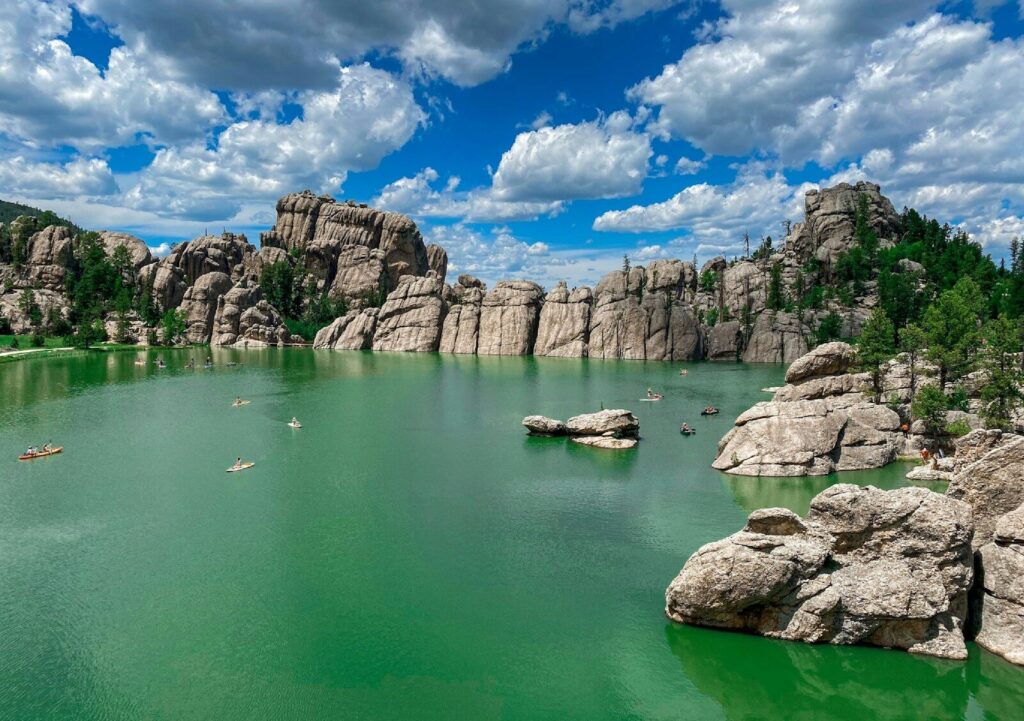
1. Custer State Park, South Dakota

Custer State Park is a sprawling wilderness area known for its dramatic granite peaks and abundant wildlife, including bison herds that roam freely across the grasslands. Visitors can explore over 70 miles of hiking trails, fish in crystal-clear lakes, or drive the scenic Wildlife Loop Road to spot wildlife such as pronghorns and mountain goats.

a body of water with rocks and trees around it with Sylvan Lake in the background
Photo by Lindy Murphy

Why it stands out: The park combines rugged landscapes with accessible wildlife viewing, making it an excellent destination for those seeking an immersive yet manageable outdoor experience.

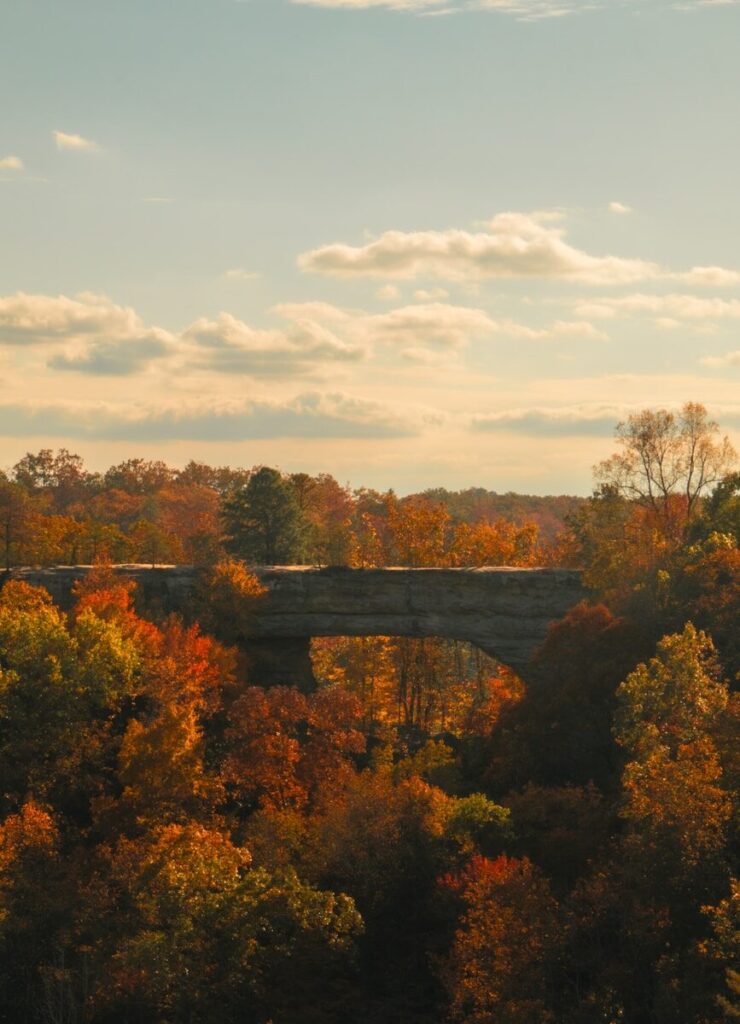
2. Red River Gorge, Kentucky

Red River Gorge is a favorite among hikers and rock climbers due to its unique sandstone arches and dense forest canopy. The park offers numerous trails ranging from easy walks to challenging climbs, as well as opportunities for camping and kayaking on the river below.

A bridge over a forest filled with lots of trees
Photo by Michaela Challies

Why it stands out: Its distinctive geological formations and extensive trail network offer a versatile playground for adventurers seeking both land and water activities.

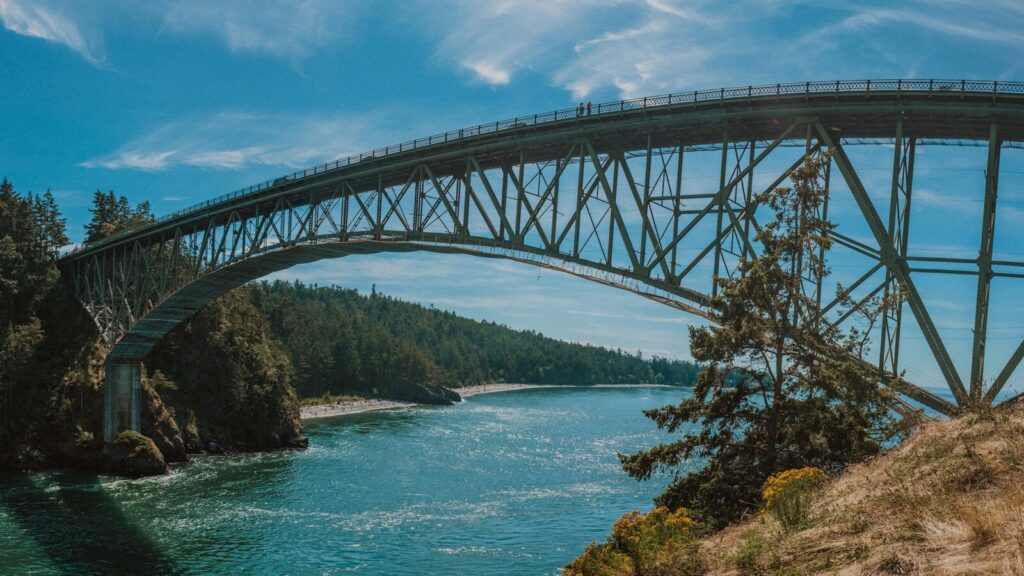
3. Deception Pass State Park, Washington

Perched on the rugged northwestern coast, Deception Pass features stunning views of the Puget Sound, dramatic cliffs, and tidal pools teeming with marine life. The park has well-maintained trails for hiking and biking, as well as picnic areas and boat launches.

a bridge spanning over a river with a forest in the background
Photo by Brian Beckwith

Why it stands out: Its combination of coastal scenery and forested trails allows visitors to experience a diverse ecosystem in one location, perfect for nature photography and relaxing exploration.

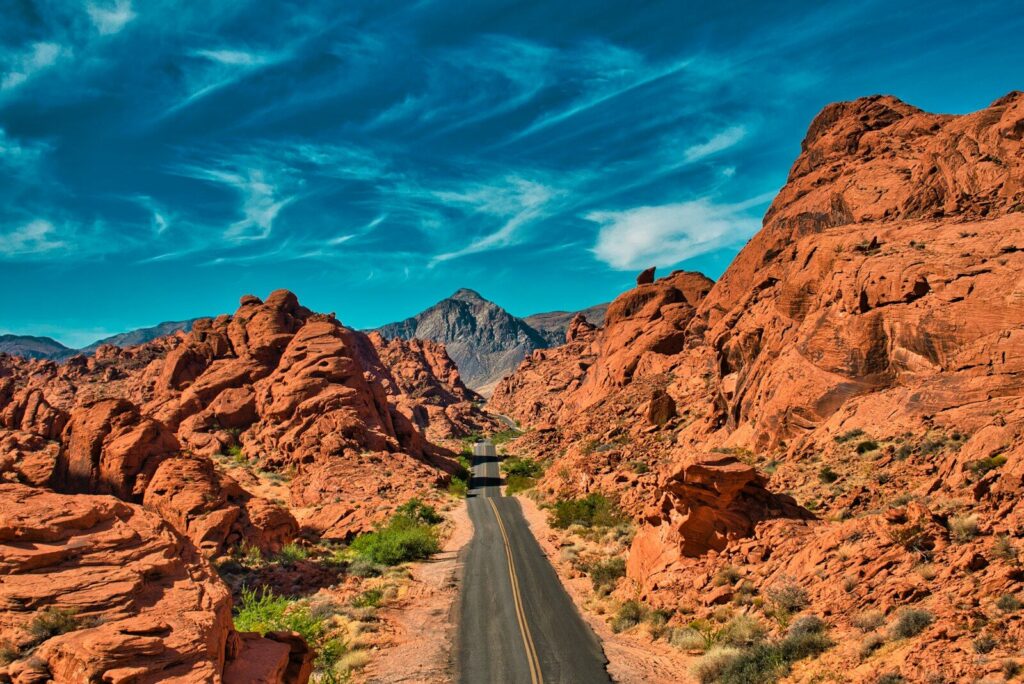
4. Valley of Fire State Park, Nevada

Valley of Fire is renowned for its striking red sandstone formations and ancient petroglyphs. Hiking trails wind through vibrant rock formations, and the park’s desert landscape offers an otherworldly backdrop for camping and stargazing.

gray asphalt road between brown rocky mountains under blue sky during daytime
Photo by Stin-Niels Musche

Why it stands out: The unique terrain and rich history provide a captivating setting for visitors interested in geology and cultural heritage, as well as classic outdoor activities.

5. Letchworth State Park, New York

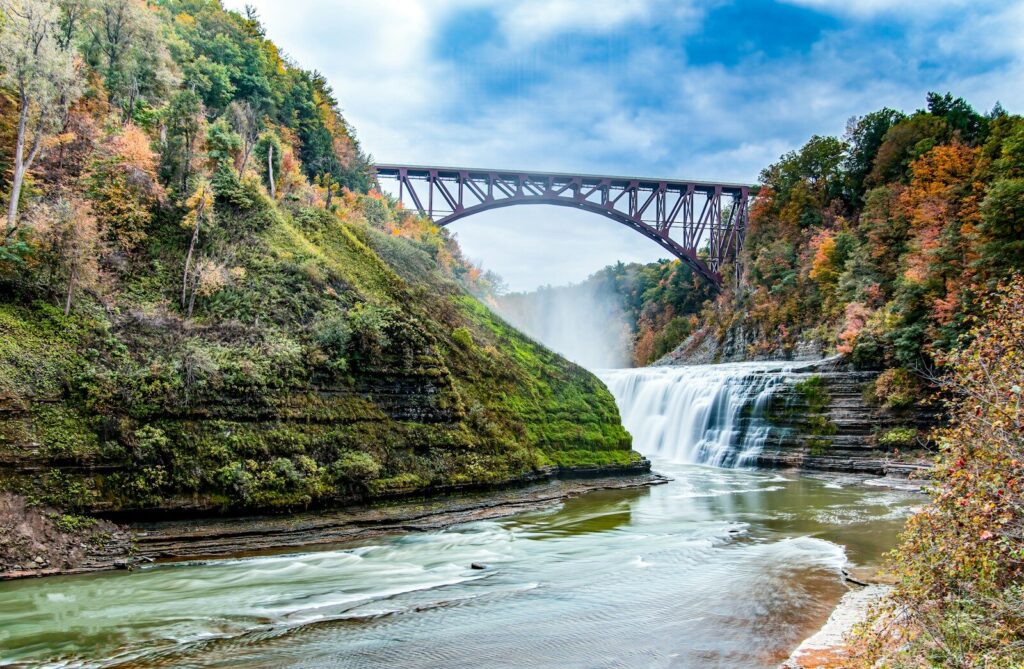
Often called the “Grand Canyon of the East,” Letchworth State Park features impressive waterfalls and deep gorges carved by the Genesee River. Visitors can enjoy hiking, horseback riding, and whitewater rafting, with plenty of scenic overlooks accessible by short walks.

a bridge over a river with a waterfall below
Photo by Stephen Crane

Why it stands out: Its dramatic natural features combined with diverse recreational options make it a well-rounded destination for families and thrill-seekers alike.

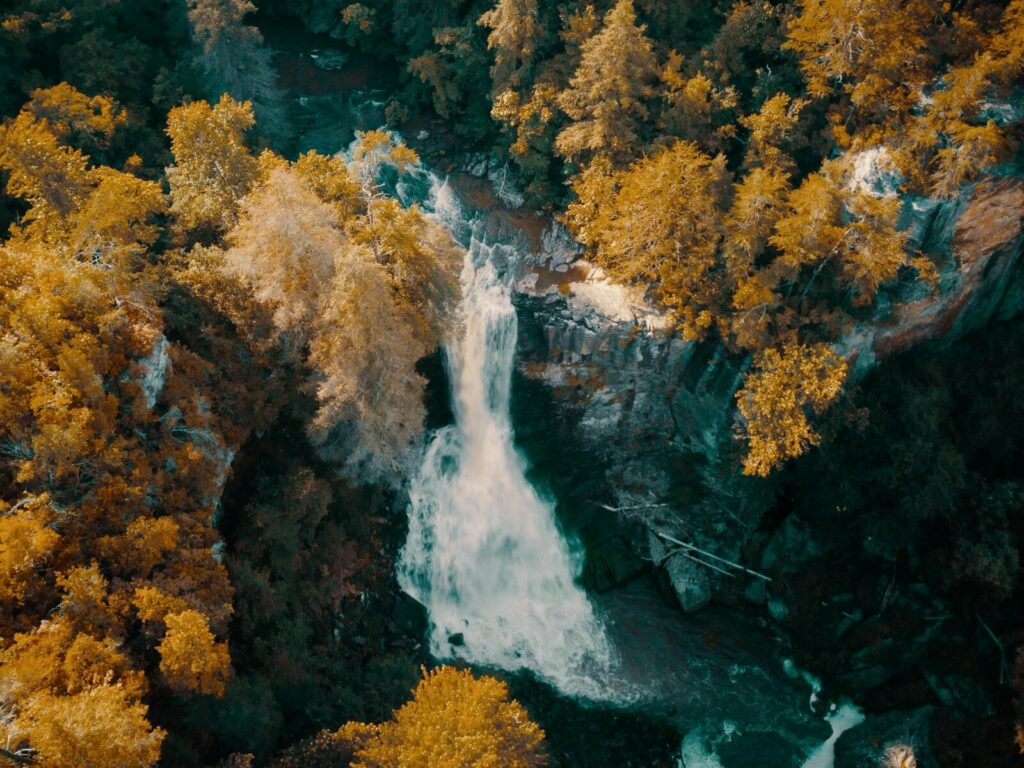
6. Fall Creek Falls State Park, Tennessee

Fall Creek Falls boasts one of the tallest waterfalls in the eastern United States, surrounded by lush forests and clear streams. The park offers extensive hiking and biking trails, a large campground, and opportunities for fishing and swimming.

waterfalls in the middle of forest during daytime
Photo by Rodney Truitt Jr

Why it stands out: The impressive waterfall and variety of activities provide a refreshing environment for visitors seeking both relaxation and adventure in a single spot.

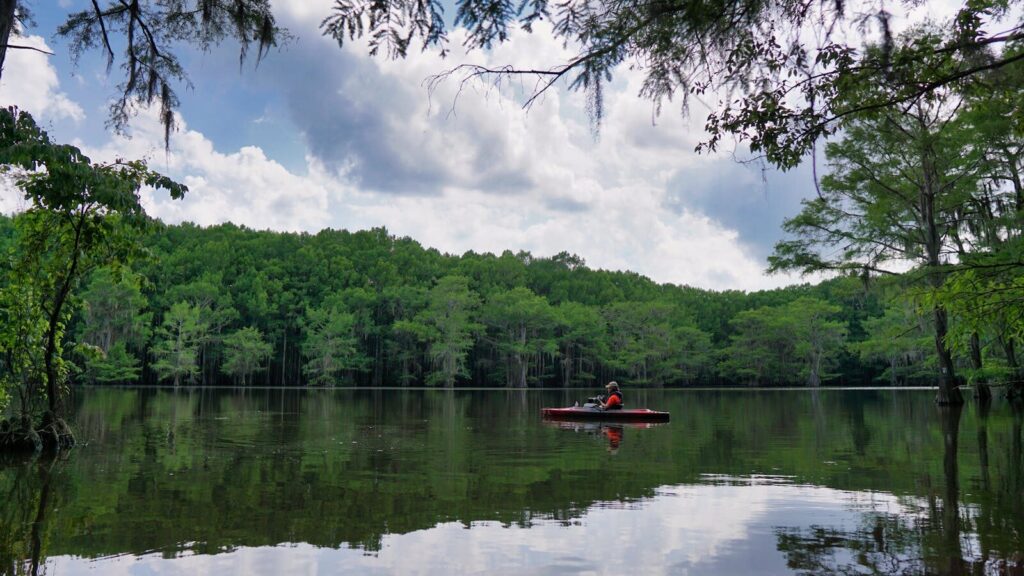
7. Caddo Lake State Park, Texas

Caddo Lake is a unique wetland environment filled with towering cypress trees draped in Spanish moss. Kayaking and canoeing through the maze of bayous and sloughs reveal abundant wildlife and peaceful solitude. The park also has well-kept campsites and fishing spots.

A tranquil scene of a kayaker enjoying the serene beauty of Caddo Lake in Texas; Top State Parks
Photo by Bearded Texan Travels

Why it stands out: Its distinctive swamp-like setting offers a tranquil, immersive experience, perfect for paddlers and wildlife watchers looking to escape the crowds.

You Might Also Enjoy

Must-See U.S. Beaches
Travel & Adventure

Feel the Sand Between Your Toes at These Must-See U.S. Beaches

Feeling the sand between your toes is one of the simplest pleasures of a beach day. The United States offers a remarkable variety of coastal destinations where visitors can soak up sun, swim in sparkling waters, and enjoy scenic shorelines. From tranquil bays to vibrant boardwalks, these must-see U.S. beaches provide diverse experiences for every type of beachgoer. This guide highlights some of the top spots to explore, with practical tips to make the most of your visit.

You might also find this helpful: 10 Simple Ways to Make Your Day Feel More Enjoyable

Explore Diverse Coastal Landscapes Across the U.S.

The geography of U.S. beaches varies widely, from the soft, white sands of the Gulf Coast to the rugged cliffs of the Pacific Northwest. This diversity means there’s a beach suited to nearly every preference, whether seeking solitude or lively seaside entertainment.

a body of water with mountains in the background
Photo by Katie Moum
  • Gulf Coast Soft Sands: Beaches like those in Florida’s Panhandle or Alabama’s Gulf Shores are known for their powdery white sand and warm, shallow waters, perfect for families and casual swimmers.
  • Pacific Coast Rugged Beauty: California’s coastline offers rocky coves and expansive sandy stretches, such as those at Big Sur or Santa Monica, where dramatic ocean views meet bustling beach culture.
  • Northeast Charm: Beaches from Cape Cod to the Jersey Shore combine charming boardwalks, historic lighthouses, and cooler waters, appealing to those who love a mix of nature and local culture.
  • Pacific Northwest Serenity: Washington and Oregon beaches often feature pebble shores, tide pools, and towering evergreens, ideal for nature lovers and photographers.

Popular U.S. Beaches for Families and Relaxation

When visiting with children or seeking a laid-back environment, certain beaches stand out for their family-friendly amenities and calm atmospheres.

The sun is setting over the ocean with a sailboat in the distance
Photo by Juliana Uribbe
  • Clearwater Beach, Florida: Known for gentle waves and clean sand, Clearwater Beach offers playgrounds, picnic areas, and nearby attractions like aquariums, making it a top choice for families.
  • Myrtle Beach, South Carolina: With a wide stretch of sand, amusement parks, and affordable accommodations, Myrtle Beach attracts families looking for entertainment and beach time in one spot.
  • Coronado Beach, California: This beach near San Diego features soft sand and gentle surf, plus easy access to hotels and restaurants, making it perfect for a relaxing family getaway.

Beaches for Adventure Seekers and Outdoor Enthusiasts

For those craving more active beach experiences, the U.S. coastline offers numerous opportunities for surfing, hiking, and water sports.

man in yellow surfing board on sea waves during daytime
Photo by Nakul
  • Huntington Beach, California: Dubbed “Surf City USA,” it’s famous for consistent waves, surf competitions, and a vibrant beach culture. Surf lessons and rentals are widely available.
  • Cape Hatteras National Seashore, North Carolina: This protected area is a hotspot for kiteboarding, windsurfing, and fishing, with miles of undeveloped shoreline for hiking and wildlife viewing.
  • Waikiki Beach, Hawaii (U.S. State): Although technically outside the continental U.S., Waikiki remains a popular U.S. destination for beginner surfers, snorkeling, and beachfront dining.

Hidden Gems for Quiet Beach Experiences

Not every great beach destination is crowded. Several lesser-known spots provide peaceful escapes with unspoiled beauty and fewer tourists.

a brown horse laying on top of a sandy beach
Photo by Michael Hamments
  • Assateague Island, Maryland/Virginia: Famous for wild horses roaming the beach, this barrier island offers pristine sand dunes, camping, and kayaking away from the crowds.
  • Padre Island National Seashore, Texas: As the longest stretch of undeveloped barrier island in the world, it features vast sandy beaches, birdwatching, and turtle nesting areas.
  • Second Beach, Washington: Located in Olympic National Park, it offers a dramatic coastline with sea stacks and tide pools, ideal for visitors seeking solitude and nature walks.

Tips for Planning a Memorable Beach Visit

To fully enjoy the sand between your toes and the surrounding coastal environment, consider these practical tips when choosing and visiting U.S. beaches:

packing for Must-See U.S. Beaches
Photo by Julia Kicova
  • Check Local Conditions: Weather, tides, and water quality can vary. Visit official state or park websites for up-to-date information before your trip.
  • Pack Smart: Bring essentials like sunscreen, water, beach chairs, and umbrellas. For more remote locations, consider insect repellent and sturdy footwear.
  • Respect the Environment: Stay on marked paths, dispose of trash properly, and avoid disturbing wildlife to help preserve the natural beauty of beaches.
  • Explore Beyond the Shore: Many beaches have nearby trails, cultural sites, or local markets worth visiting to enrich the overall experience.
  • Plan for Parking and Access: Popular beaches may have limited parking or require advance reservations, so research and plan accordingly to avoid surprises.

With so many stunning beaches across the United States, each offering unique sand, surf, and scenery, beach lovers can find the perfect spot to unwind, explore, or play. Whether it’s a bustling boardwalk or a secluded shoreline, feeling the sand between your toes is a universal invitation to relax and connect with nature. Consider these options and tips to find your ideal beach destination and create lasting memories.

You Might Also Enjoy

a group of tents sitting on top of a field under a night sky
Travel & Adventure

When You Want to Explore the Joy of Camping But Don’t Know Where to Start

Camping offers a unique way to reconnect with nature, unwind from the digital hustle, and create memorable experiences. Across the globe, certain campgrounds have captured the hearts of travelers seeking enchanting landscapes, exceptional amenities, and a sense of community. These destinations are widely recommended for their charm, accessibility, and immersive outdoor adventures. For those longing to discover the joy of camping, exploring the most enchanting campgrounds can be the perfect start to a rejuvenating journey.

Embracing Nature’s Beauty: Campgrounds with Stunning Scenery

One of the biggest draws to camping is the opportunity to wake up surrounded by breathtaking views. Campgrounds that sit amidst majestic mountains, serene lakes, or dense forests are particularly beloved. These spots offer not only a peaceful retreat but also incredible photo opportunities and adventure options.

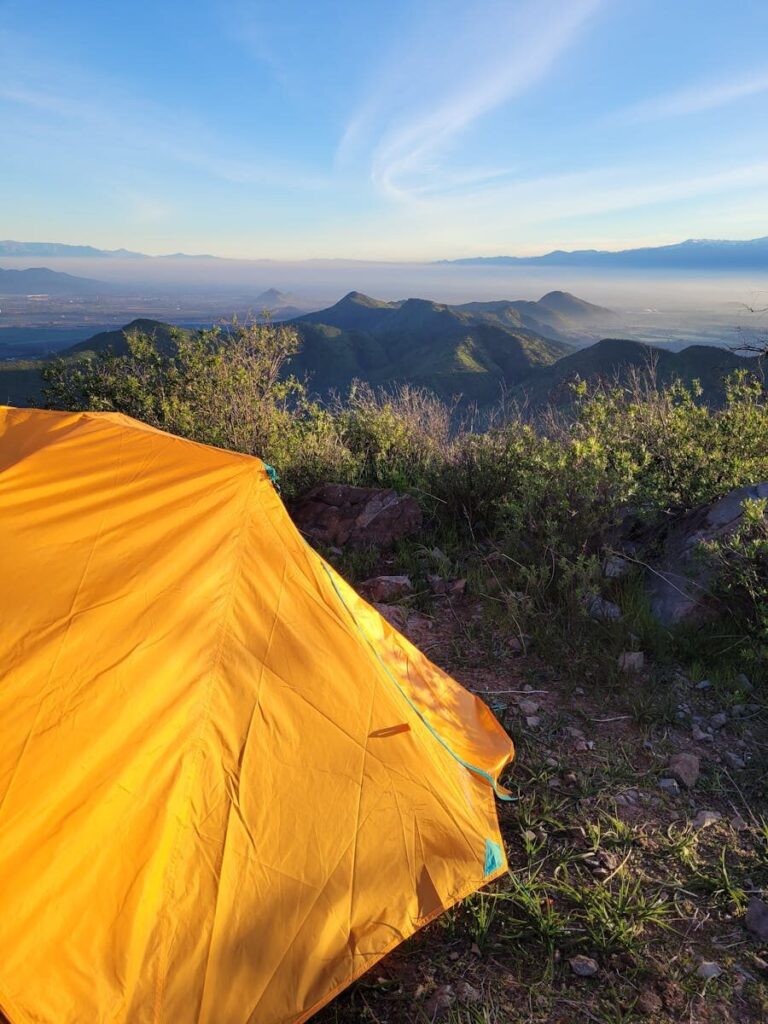
Yellow tent setup overlooking breathtaking mountains in Buin, Chile at sunrise.
Photo by Joaquín Alonso
  • Mountain Ridge Campsites: Elevated sites that provide panoramic vistas of valleys and peaks, ideal for sunrise watchers and hikers.
  • Lakeside Retreats: Campgrounds located on the shores of crystal-clear lakes, perfect for fishing, kayaking, and swimming.
  • Forest Hideaways: Nestled deep within woodlands, these campsites offer shade, wildlife sightings, and tranquility away from urban noise.

Travelers are loving these natural sanctuaries for their ability to blend comfort with the raw beauty of the environment.


Family-Friendly Campgrounds with Activities for All Ages

Camping doesn’t have to mean roughing it, especially when choosing spots designed with families in mind. Many campgrounds now cater to visitors of all ages, offering recreational facilities and kid-friendly programs that make outdoor living enjoyable and safe.

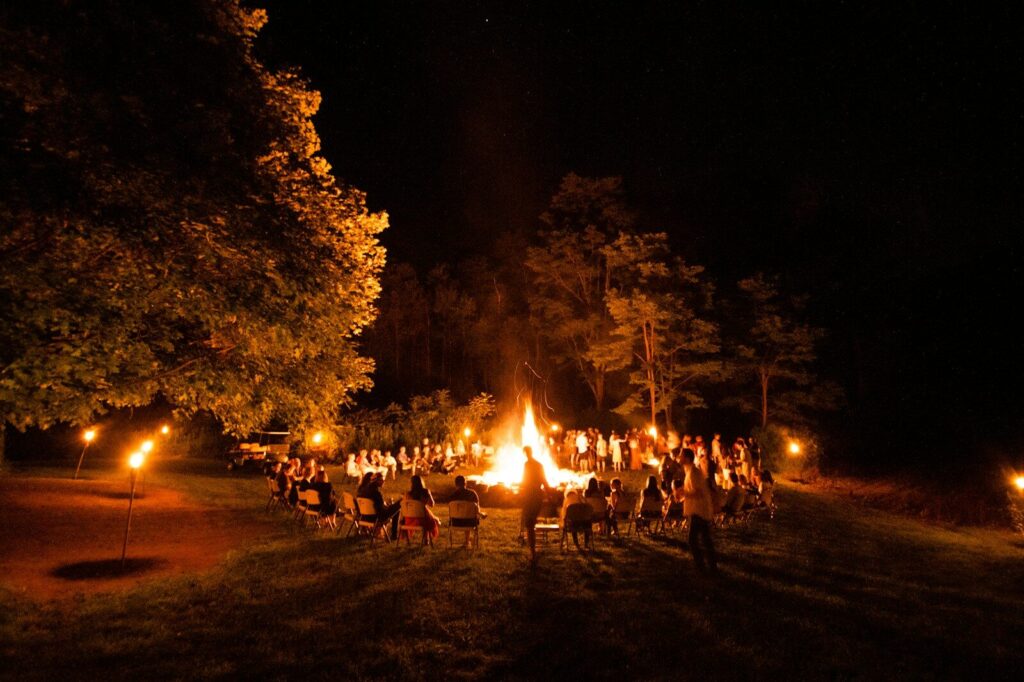
people sitting around bonfire
Photo by Jack Cohen
  • Adventure Playgrounds: Equipped with climbing structures, swings, and obstacle courses to keep children entertained.
  • Guided Nature Walks: Educational hikes led by knowledgeable rangers that teach about local flora and fauna.
  • Community Campfires: Evening gatherings where families can share stories, roast marshmallows, and enjoy live music.

These family-oriented campgrounds are commonly recommended for creating lasting memories and encouraging outdoor exploration among younger campers.


Eco-Conscious Campgrounds Focusing on Sustainability

More travelers are seeking ways to minimize their environmental footprint, and campgrounds that prioritize sustainability are gaining popularity. These sites implement eco-friendly practices while still providing excellent facilities.

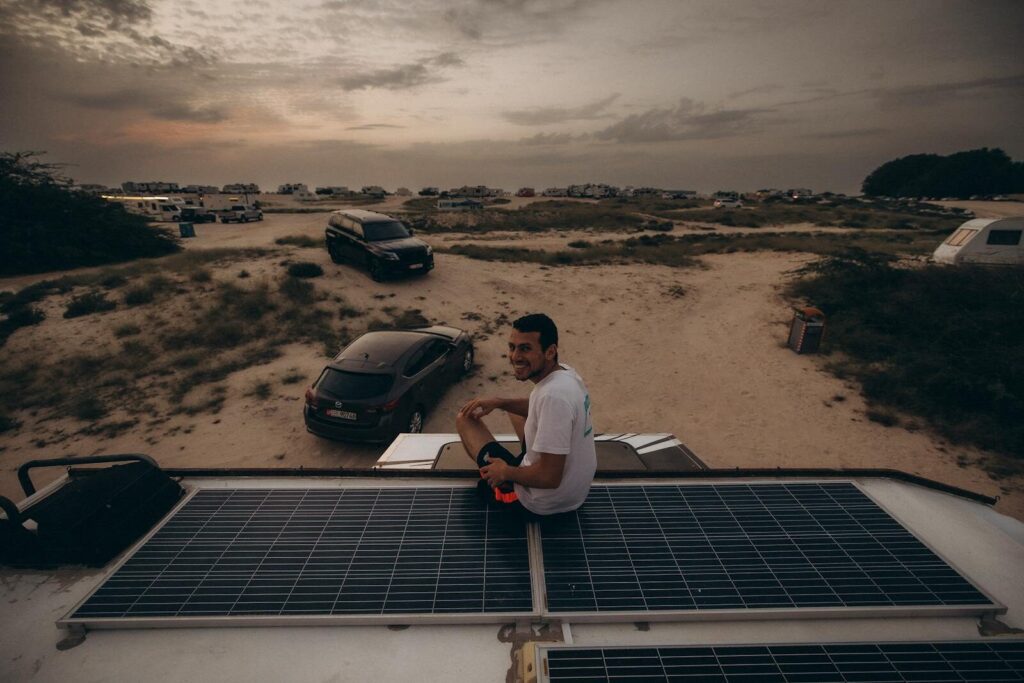
Explore the serene desert landscape in Dubai at sunset with camping and solar panels.
Photo by Eslam Mohammed Abdelmaksoud
  • Solar-Powered Amenities: Use of renewable energy sources for lighting, heating, and charging stations.
  • Waste Reduction Programs: Composting toilets, recycling centers, and strict waste management policies.
  • Native Plant Preservation: Landscaping that protects local ecosystems and encourages biodiversity.

Choosing an eco-conscious campground allows visitors to enjoy nature responsibly and support conservation efforts.


Campgrounds with Unique Accommodations for a Different Experience

Not everyone prefers a traditional tent setup; many travelers are drawn to campgrounds offering distinctive lodging options that enhance the camping experience.

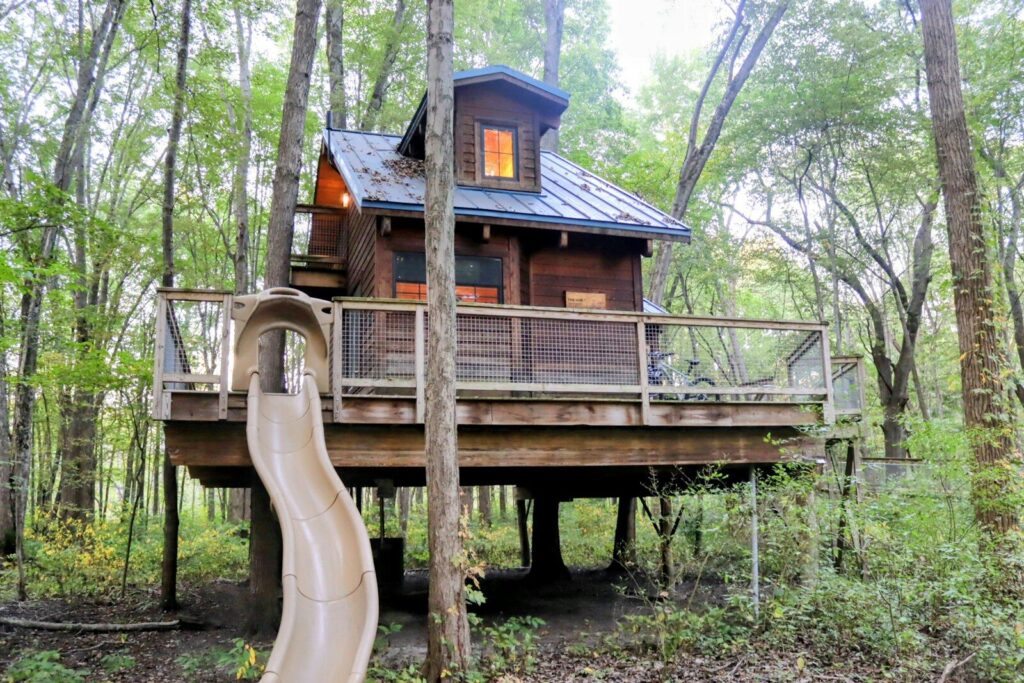
Wooden treehouse with slide in a forest setting.
Photo by K F
  • Yurts and Tipis: Sturdy, insulated tents that combine rustic charm with comfort, perfect for all seasons.
  • Treehouses: Elevated shelters that provide a whimsical and immersive way to sleep among the treetops.
  • Glamping Pods: Compact, stylish units equipped with modern conveniences, ideal for those who want nature without sacrificing luxury.

These unique accommodations are widely used by travelers who want to mix adventure with comfort and style.


Remote and Secluded Campgrounds for True Escape

For those craving solitude and a break from crowded destinations, remote campgrounds offer a chance to fully disconnect and immerse in peaceful surroundings. These hidden gems often require a bit more effort to reach but reward visitors with unparalleled serenity.

yellow and white tent on brown sand during daytime
Photo by Sara Cottle
  • Backcountry Sites: Accessible only by hiking or canoeing, these spots are perfect for wilderness enthusiasts.
  • Desert Campsites: Located in arid landscapes that showcase dramatic sunsets and star-filled skies.
  • Island Campgrounds: Small, isolated islands where campers can enjoy beaches and marine wildlife away from the mainland bustle.

These secluded sites are cherished by travelers who value privacy and the rawness of untouched nature.


Campgrounds Near Cultural and Historical Attractions

Blending outdoor adventure with cultural enrichment, some campgrounds are situated close to historic landmarks, indigenous heritage sites, or vibrant local communities. This combination allows visitors to broaden their travel experience beyond nature.

  • Heritage Trails: Campsites near paths that highlight historical events or ancient civilizations.
  • Artisan Villages: Locations that provide access to local crafts, markets, and festivals.
  • Archaeological Parks: Areas where campers can explore ruins and learn about past cultures.

Campgrounds near cultural sites appeal to travelers looking for meaningful experiences that connect nature with human history.


Tech-Friendly Campgrounds for the Connected Camper

While camping is often about unplugging, many popular campgrounds now offer high-speed Wi-Fi, charging stations, and other tech amenities to keep guests connected if needed. This blend of nature and technology caters to digital nomads and families seeking balance.

  • Wi-Fi Hotspots: Reliable internet access in common areas and select campsites.
  • Electric Hookups: Power sources for RVs, laptops, and other devices.
  • Mobile App Integration: Campground apps for reservations, trail maps, and event schedules.

These tech-forward campgrounds are increasingly recommended for those who want the best of both worlds—outdoor living with modern convenience.


Outdoor Adventure Hubs: Campgrounds as Bases for Exploration

Many campers choose their destination based on access to thrilling outdoor activities. Campgrounds that serve as gateways to hiking, biking, rafting, or climbing are beloved by active travelers.

a tent pitched up in a field with a mountain in the background
Photo by Clayton Manche
  • Trailhead Campsites: Located at the start of popular hiking or biking trails.
  • Riverfront Sites: Ideal for kayaking, fishing, or whitewater rafting adventures.
  • Climbing Base Camps: Close to renowned rock climbing spots with gear rental and guide services nearby.

These adventure hubs cater to visitors eager to explore and push their limits while enjoying the comfort of a well-equipped campground.


For travelers eager to immerse themselves in nature, discover new cultures, or simply find a peaceful retreat, exploring enchanting campgrounds offers something for everyone. Whether prioritizing scenic beauty, family fun, sustainability, or unique lodging, these popular spots capture the essence of modern outdoor adventure and continue to inspire countless memorable escapes.


You Might Also Enjoy

Comfortable Camping Trip; set-up tents near body of water
Travel & Adventure

Unlock the Secrets to a Comfortable Camping Trip with These Gear Tips

Camping offers an unparalleled way to reconnect with nature, but comfort on a camping trip often hinges on the gear you bring. Without the right equipment, even the most scenic location can feel challenging or uncomfortable. Understanding which items truly enhance convenience and comfort can transform any outdoor adventure into a memorable, relaxing experience. This guide explores essential gear tips to help campers fully enjoy their trip without unnecessary hassle.

Affiliate disclosure: This article contains affiliate links. If you make a purchase through one of these links, I may earn a commission at no additional cost to you. As an Amazon Associate, I earn from qualifying purchases.

Prioritize a Quality Sleeping Setup

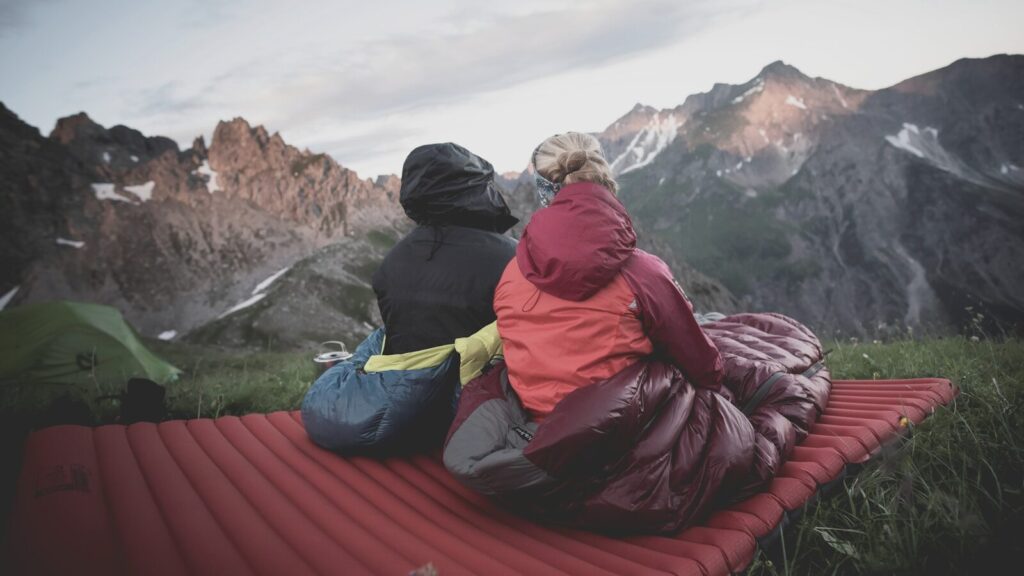
A restful night’s sleep is crucial when camping. The right sleeping gear supports relaxation and recovery for the next day’s activities. Key components include:

a couple of people sitting on top of a red blanket
Photo by Lucas Canino
  • Sleeping Bag: Opt for a sleeping bag rated for the lowest expected temperature. Materials like down offer excellent warmth-to-weight ratios but can be pricey and require careful care. Synthetic bags perform well in damp conditions and are easier to clean.
  • Sleeping Pad: A quality sleeping pad provides insulation and cushioning from the uneven ground. Inflatable pads are popular for their compact storage, while foam pads deliver durability and consistent insulation.
  • Pillow: A compact camping pillow or an inflatable pillow adds neck support and improves overall comfort.

Investing in these essentials ensures uninterrupted sleep, which enhances energy and mood during the trip.


Choose a Shelter That Matches Your Adventure

Selecting the right tent or alternative shelter impacts both comfort and practicality. Consider these factors when picking shelter gear:

white, yellow, and blue dome tent near green hammock
Photo by Laura Pluth
  • Size and Weight: For solo or lightweight camping, a smaller tent or hammock setup may be preferable. Families or groups benefit from larger tents with multiple rooms and extra headroom.
  • Weather Resistance: Look for sturdy materials and design features like rain flies, sealed seams, and ventilation options to manage moisture and airflow.
  • Ease of Setup: Freestanding tents that use fewer poles are often easier and faster to pitch, especially for less experienced campers.

Alternative options such as tarps or bivy sacks can also provide adequate shelter while reducing pack weight, though with less protection and comfort than traditional tents.


Optimize Cooking Gear for Convenience and Safety

Meal preparation during camping can be a highlight rather than a hassle with the right kitchen equipment. Selecting gear that balances portability, efficiency, and safety is key:

person holding pot on red single burner top on brown wooden table
Photo by Sandra Harris
  • Portable Stove: Compact gas or multi-fuel stoves enable quick, controlled cooking, ideal for boiling water or preparing hot meals.
  • Cookware: Lightweight pots and pans made from aluminum or titanium are durable and easy to clean. Non-stick coatings reduce food residue.
  • Utensils and Accessories: Collapsible or nesting utensils save space. Items like a windscreen for the stove and a lighter or waterproof matches enhance reliability.
  • Food Storage: Airtight containers and resealable bags protect food from wildlife and spoilage.

By packing smart cooking gear, campers can easily enjoy nutritious meals, making the trip more enjoyable and less stressful.


Invest in Comfortable and Functional Clothing

Clothing choices significantly affect comfort, especially as weather conditions change outdoors. Tips for clothing gear include:

A person relaxes in hiking boots overlooking stunning coastal cliffs and ocean view.
Photo by Lisa from Pexels
  • Layering System: Base layers wick moisture away, insulating layers retain heat, and outer shells protect against wind and rain. This approach allows campers to adjust to temperature fluctuations.
  • Quick-Drying Fabrics: Materials like merino wool or synthetic blends dry faster than cotton, reducing chill and discomfort.
  • Men’s Footwear & Women’s Footwear: Well-fitting hiking boots or trail shoes with good traction and ankle support help prevent injuries and fatigue. Moisture-wicking socks help avoid blisters.

Packing versatile, weather-appropriate clothing enhances comfort during hikes and around the campsite.


Enhance Lighting and Navigation Options

Reliable light sources and navigation tools increase safety and ease of movement after dark or in unfamiliar terrain:

man standing beside camping tent wearing headlamp during nighttime
Photo by Rahul Bhosale
  • Headlamps: Hands-free lighting is invaluable for setting up tents, cooking, or moving around at night.
  • Lanterns: Battery-operated or solar lanterns provide ambient light for group areas.
  • Navigation Devices: GPS units, compasses, and detailed maps help campers stay on course. Apps on smartphones are widely used, but should be supplemented with traditional tools due to battery limits and signal issues.

Proper lighting and navigation gear prevent accidents and make night activities more manageable.


Pack Smart with Organization and Storage Solutions

Keeping gear organized reduces stress and saves time when finding essentials. Practical storage tips include:

two gray and orange backpacks on gray rocks at daytime
Photo by Andrew Ly

Efficient packing and organization help maintain a comfortable and orderly campsite environment.


Include Comfort-Boosting Extras

Small additions can make a significant difference in comfort levels throughout a camping trip:

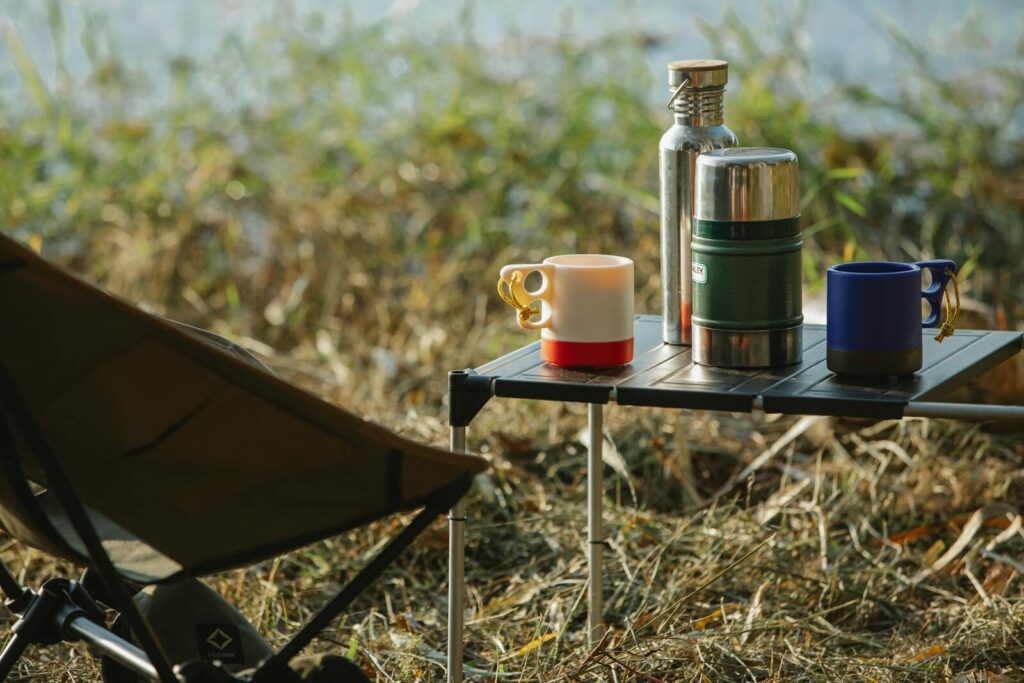
Stainless steel vacuum flasks and mugs with hot drinks on portable table near folding chair on grass shore
Photo by Uriel Mont
  • Camping Chairs: Lightweight, foldable chairs provide a comfortable place to sit and relax.
  • Portable Tables: A compact table makes meal prep and games easier.
  • Bug Protection: Insect repellents, nets, and citronella candles keep pests at bay.
  • Portable Power Banks: These allow charging of essential electronics, improving convenience and safety.

These extras are widely recommended by seasoned campers to enhance the overall experience without adding much weight.

By focusing on these gear tips, campers can unlock the secrets to a comfortable camping trip that balances practicality with enjoyment. Thoughtful preparation with the right equipment sets the foundation for a memorable outdoor adventure where comfort meets convenience seamlessly.


You Might Also Enjoy

black DSLR camera near sunglasses and bag
Travel & Adventure

Smarter Packing Strategies for Stress-Free Travel

Are you tired of lugging around heavy suitcases only to find you didn’t wear half the items you packed? Packing can be a daunting task, especially for long trips. However, with a few strategic techniques, you can pack smarter without overpacking. In this blog post, we’ll dive into practical strategies that will help you streamline your packing process and bring only what you truly need.

Understand Your Destination and Duration

Research the Climate

Before you start packing, it’s important to understand the climate of your destination. Research the temperature, humidity, and even the local culture. By knowing what to expect, you can choose versatile clothing appropriate for the weather and avoid unnecessary items.

Consider Your Itinerary

Your itinerary plays a crucial role in what you should pack. If your schedule includes formal dinners, packing one or two dressy outfits makes sense. Conversely, if you plan on hiking or exploring, prioritize comfortable outdoor wear. Make a list of activities to help you visualize what you’ll actually need.

Create a Packing List

The Power of Lists

Creating a packing list can significantly reduce the risk of overpacking. Start by jotting down essentials: clothing, toiletries, electronics, and travel documents. Once you’ve made your list, review it and ask yourself whether each item is necessary. This method not only helps you avoid bringing too much but also ensures you don’t forget anything important.

Use a Packing Template

Many travelers find it helpful to use a packing template that categorizes items based on their use. This can include sections like clothing, toiletries, and entertainment. By using a structured approach, you can easily spot redundancies and prioritize important items.

Choose Versatile Clothing

Mix and Match

One of the best ways to save space is by choosing clothing items that can be mixed and matched. Consider packing a limited color palette that allows for various outfits. For example, a neutral palette of black, white, and gray can yield numerous outfit combinations with just a few pieces.

Pack Multi-functional Items

When selecting clothing, opt for multi-functional items. A dress can be dressed up for an evening out or worn casually with sneakers during the day. Similarly, lightweight sarongs can serve as beach cover-ups, scarf alternatives, or even makeshift blankets.

Utilize Packing Techniques

The Art of Rolling

Rolling clothes instead of folding them not only saves space in your suitcase but also minimizes wrinkles. By rolling tightly, you can fit more into your bag and make unpacking easier.

Use Packing Cubes

Packing cubes can help organize your suitcase and prevent clothing from shifting. By categorizing items within cubes (e.g., tops in one, bottoms in another), packing becomes more efficient, and you can avoid rummaging through your bag to find what you need.

Limit Accessories and Shoes

Accessories Matter

While accessories can elevate an outfit, excessive jewelry or accessories can add unnecessary bulk. Choose a few versatile pieces that can complement multiple outfits rather than packing a separate accessory for each ensemble.

Keep Shoes to a Minimum

Shoes can take up a significant amount of space in your luggage. Aim to bring no more than three pairs: a comfortable pair for walking, dress shoes for formal occasions, and sandals or flip-flops for the beach or casual outings. Stick to neutral colors that can be easily paired with your outfit choices.

Reevaluate After Packing

Before closing your suitcase, take a moment to reevaluate what you’ve packed. Ask yourself whether you can remove any items without compromising your trip. Consider if there’s anything you can buy at your destination instead or if you have duplicates (like three different shirts that serve the same purpose).

Travel Tip

If you want to make packing even easier, add Things People Always Forget to your packing list!

Conclusion

Packing smarter without overpacking is an achievable goal for any traveler. By understanding your destination, creating a detailed packing list, selecting versatile clothing, utilizing packing techniques, limiting accessories, and reevaluating before you zip up your suitcase, you can travel light while still being prepared. With these strategies, you’ll not only improve your travel experience but also make your journey more enjoyable and stress-free. Happy travels!

Featured Photo by Anete Lūsiņa

White cosmetic containers with green leaves backdrop, perfect for eco-friendly product representation.
Travel & Adventure

Things People Always Forget to Pack (And Regret Later)

Packing for a trip can feel straightforward—until you realize you forgot something important. Whether it’s a short weekend getaway or a longer vacation, there are always a few items that slip through the cracks. These small but essential things are often overlooked, yet they can make a big difference in how smooth and stress-free your trip feels.


two phones on white table

Photo by Steve Johnson

1. Phone Charger (or Backup Charger)

It sounds obvious, but phone chargers are one of the most commonly forgotten items. Even if you remember your main charger, a portable backup charger can be a lifesaver when you’re out exploring all day.


a group of bottles

Photo by QingYu

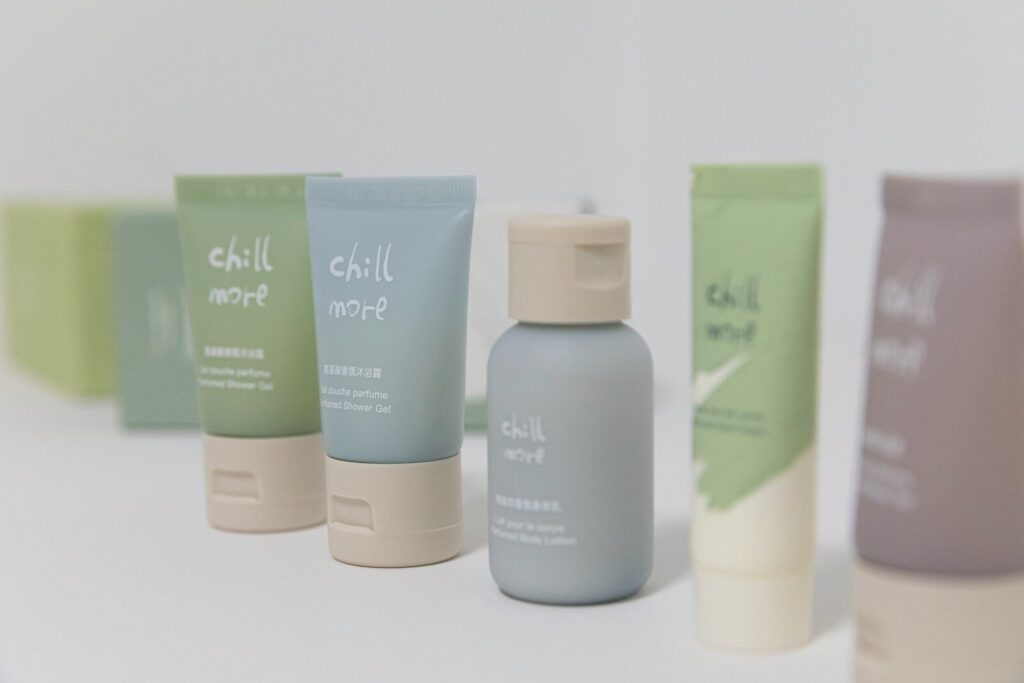
2. Travel-Size Toiletries

Many people assume they’ll just buy toiletries when they arrive, but that can be inconvenient and expensive. Having your essentials ready—like toothpaste, shampoo, and deodorant—makes things easier from the start.


a close up of a water bottle on a table

Photo by Marek Mucha

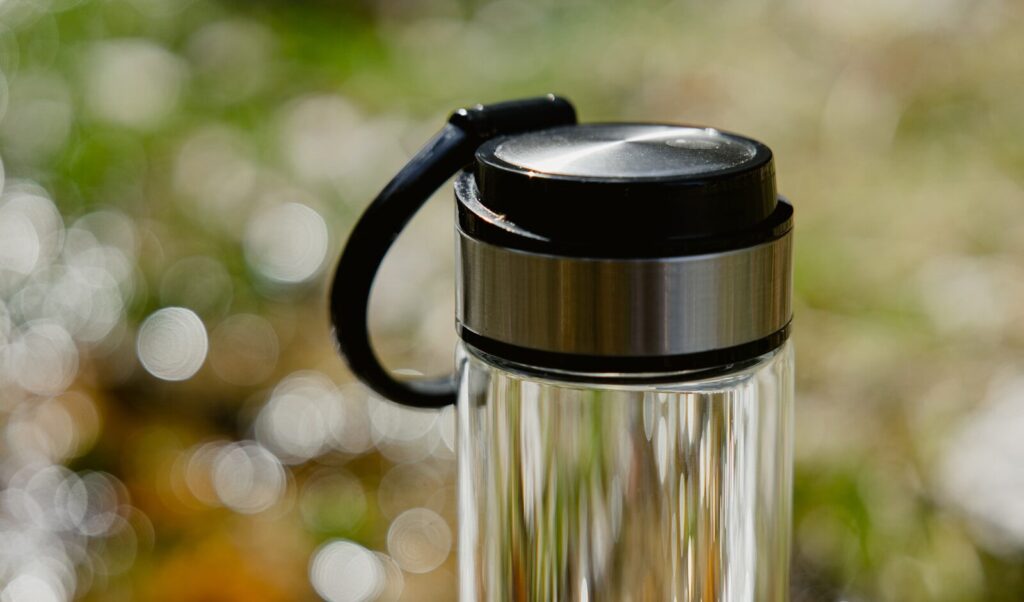
3. Reusable Water Bottle

Staying hydrated while traveling is important, but constantly buying bottled water adds up. A reusable bottle is convenient, cost-effective, and better for the environment.


three person showing sneaners

Photo by Emma Van Sant

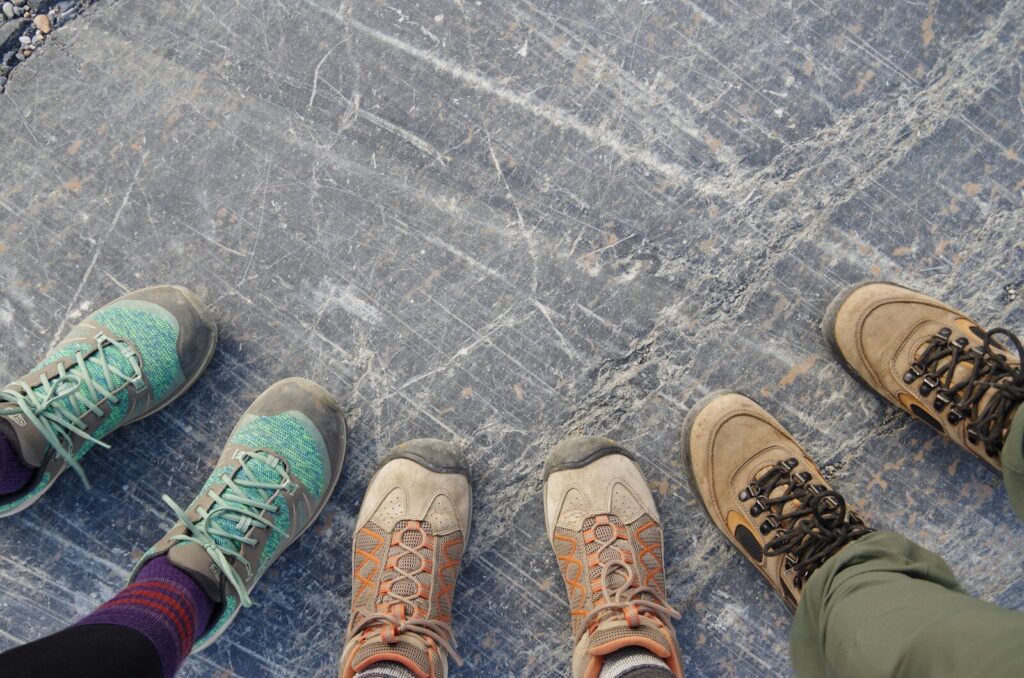
4. Comfortable Walking Shoes

It’s easy to prioritize style over comfort, but uncomfortable shoes can quickly ruin a trip. Having a reliable pair of walking shoes can make exploring much more enjoyable.


Two first aid kits on a white background with ample copy space.

Photo by Roger Brown

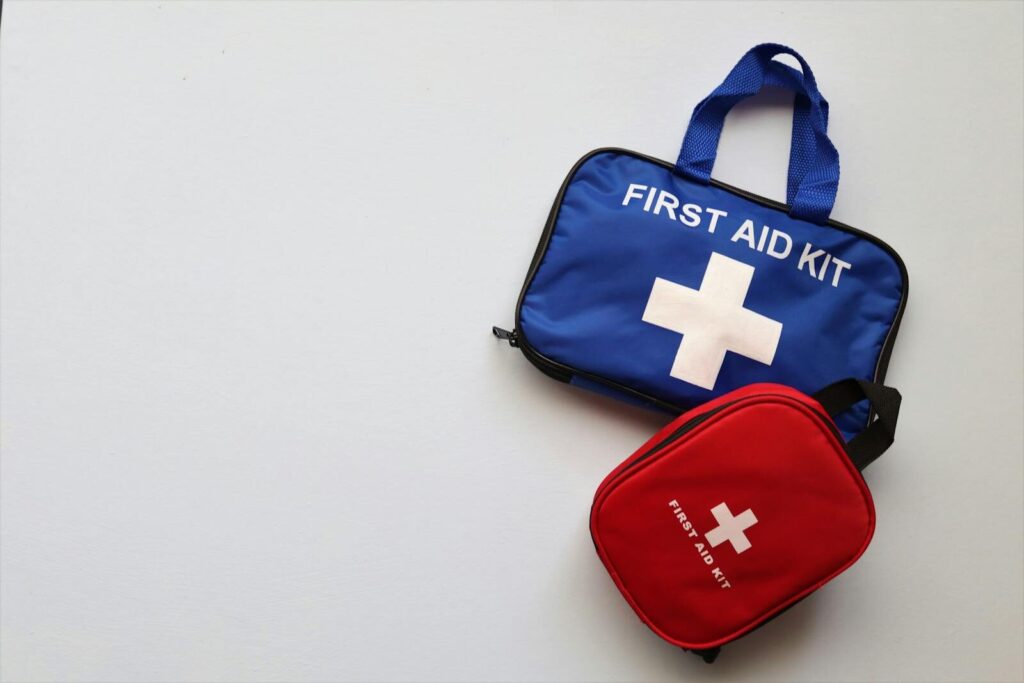
5. Basic First Aid Items

Small items like pain relievers, bandages, or motion sickness tablets are often overlooked. You may not need them—but if you do, you’ll be glad you packed them.


a pile of clothes sitting on top of a wooden floor

Photo by Deborah Altenbeck

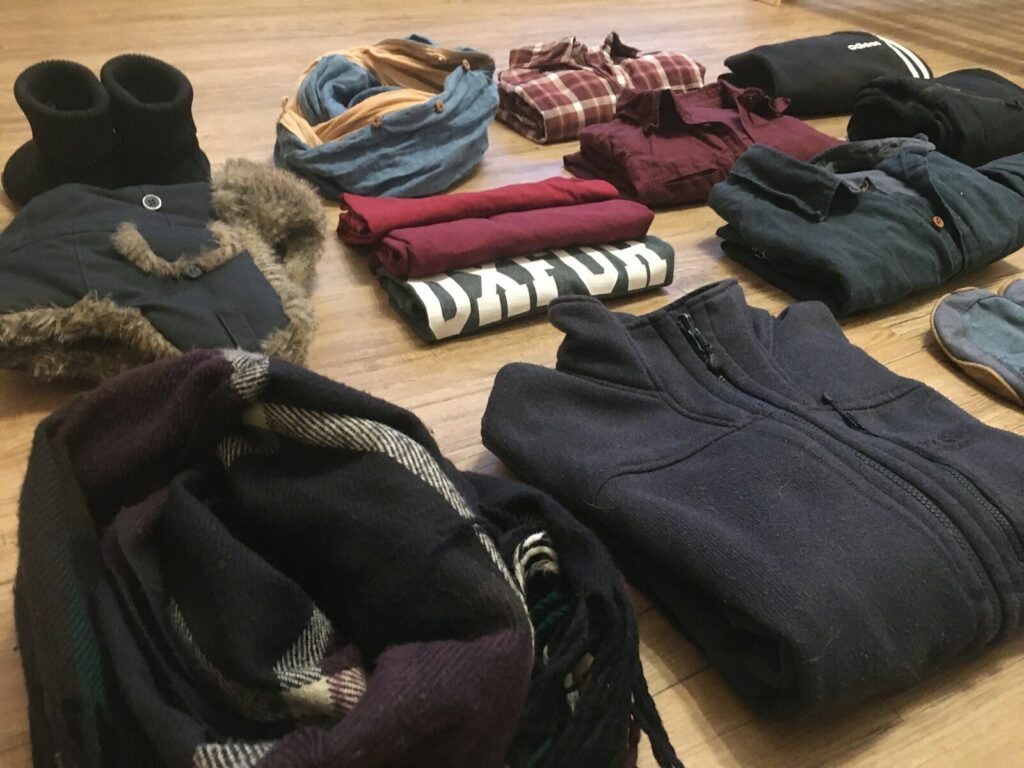
6. Weather-Appropriate Layers

Weather can change quickly, even in destinations that seem predictable. A light jacket, sweater, or extra layer can help you stay comfortable in unexpected conditions.


A close-up of a US passport with credit cards, tickets, and a mobile phone on a table.

Photo by DΛVΞ GΛRCIΛ

7. Copies of Important Documents

Having copies of your ID, passport, or travel confirmations can be incredibly helpful if anything gets lost. Keeping digital or printed backups adds an extra layer of security.


Photo by erik-mclean

8. Snacks for Travel Days

Airports, road trips, and long travel days often come with limited food options. Packing a few snacks can save time, money, and frustration.


black and red floral pouch

Photo by Peter Burdon

9. Sleep Essentials

Items like a neck pillow, eye mask, or earplugs can make a big difference during flights or long drives. Better rest means you’ll arrive feeling more refreshed.


Photo by elaine-tu

10. A Simple Day Bag

A lightweight bag for daily outings is often forgotten but incredibly useful. It helps carry essentials like water, snacks, and personal items while you explore.


Travel Tip

If you want to make packing even easier, check out how to pack smarter without overpacking for more simple travel strategies.


Final Thoughts

Forgetting small items can lead to unnecessary stress during your trip. Taking a few extra minutes to double-check your packing list can make your experience smoother and more enjoyable. Sometimes it’s the simplest things that make the biggest difference when you’re away from home.

Photo by Cup of Couple

Scroll to Top