Author name: Amber Campbell

Amber Campbell is the creator behind Trendy Tidbits, a modern content platform focused on trends, tools, and everyday insights designed to keep readers informed and inspired.

Organic Modern Decorating
House & Home

The Beauty of Organic Modern Decorating: 10 Ideas to Elevate Your Home

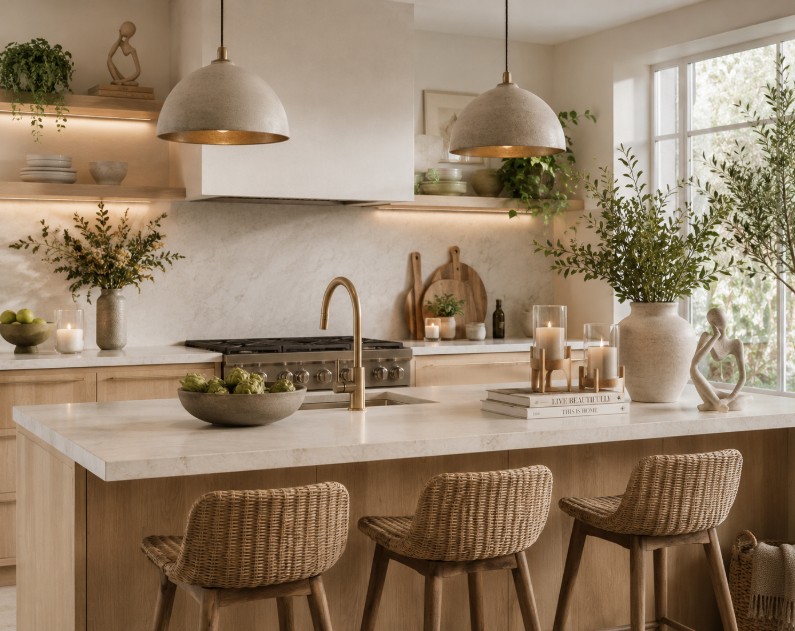
Creating a home that feels both contemporary and connected to nature can be a challenging balance. Many homeowners struggle to find dΓ©cor that brings warmth and simplicity without sacrificing modern elegance. Integrating organic modern decorating elements offers a refreshing solution, blending natural textures and clean lines to create inviting, stylish spaces.

This design style emphasizes materials and shapes inspired by the environment, promoting a sense of calm and authenticity. By incorporating thoughtful accents and fixtures, anyone can elevate their living space with a subtle yet impactful transformation. Here are ten ideas that bring organic modern design into everyday living.

Affiliate disclosure: This article contains affiliate links. If you make a purchase through one of these links, I may earn a commission at no additional cost to you. As an Amazon Associate I earn from qualifying purchases.


πŸ”₯ Top Picks

  • Best Overall: Wood Linear Pendant Light
  • Best Budget: Neutral Linen Pillow Covers

1. Whitewashed Decorative Wood Bowl

πŸ‘‰ View on Amazon β†’

A whitewashed decorative wood bowl adds a soft, rustic touch to tables or countertops. Its lightly distressed finish enhances the natural wood grain while keeping the appearance bright and airy. Perfect for holding fruit or keys, or for standing alone as an artful centerpiece, it blends functionality with subtle beauty.

Why it stands out: It introduces natural texture and a handcrafted feel that grounds modern interiors without overwhelming them.


2. Large Woven Blanket Basket

πŸ‘‰ View on Amazon β†’

This large woven blanket basket offers practical storage while contributing to a cozy atmosphere. Crafted from natural fibers, it complements neutral and earthy color schemes. Ideal for living rooms or bedrooms, it keeps blankets and throws organized and accessible, adding warmth through texture.

Why it stands out: It solves clutter while enhancing the tactile, organic vibe essential to this design style.


3. Dried Flowers Set

πŸ‘‰ View on Amazon β†’

A dried-flower set brings preserved natural elements into the home and requires no maintenance. Their muted tones and delicate forms provide understated decoration that fits effortlessly on shelves, desks, or in vases. They offer a lasting reminder of nature’s beauty without the need for watering or sunlight.

Why it stands out: It maintains a natural aesthetic with minimal upkeep, perfect for busy households wanting organic touches.


4. Hurricane Glass Candle Holders

πŸ‘‰ View on Amazon β†’

Hurricane glass candle holders combine the transparency of glass with the soft glow of candlelight. Their clean shapes and protective design make them suitable for various rooms, creating ambient lighting that enhances the natural materials around them. They add a refined yet approachable elegance to any setting.

Why it stands out: They provide a cozy atmosphere while complementing the simplicity and openness central to organic modern design.


5. Wood Linear Pendant Light

πŸ‘‰ View on Amazon β†’

A wood linear pendant light serves as a striking overhead fixture that merges natural wood tones with sleek, modern form. It works well in kitchens, dining areas, or entryways, offering focused illumination without sacrificing style. Its elongated shape fits well in minimalist spaces while bringing subtle warmth.

Why it stands out: It balances function and style, anchoring rooms with natural material in a contemporary silhouette.


6. Neutral Linen Pillow Covers

πŸ‘‰ View on Amazon β†’

Neutral linen pillow covers add softness and organic texture to sofas or beds without overwhelming existing dΓ©cor. Their breathable fabric and muted hues work well in layering and creating a relaxed, inviting environment. They’re easy to swap seasonally or when updating a room’s palette.

Why it stands out: They subtly enhance comfort and aesthetics, reinforcing an understated, natural vibe.


7. Triangular Wall Mirror

πŸ‘‰ View on Amazon β†’

A triangular wall mirror introduces geometric interest while reflecting light to open up spaces. Its shape breaks from traditional rectangles or circles, adding a modern edge that pairs well with organic materials. Ideal for hallways or living rooms, it can serve as both a functional and decorative piece.

Why it stands out: It adds depth and dimension, making rooms feel larger and more dynamic without clutter.


8. Be Still and Know

πŸ‘‰ View on Amazon β†’

Incorporating a β€œBe Still and Know” art piece or dΓ©cor item offers a moment of mindfulness and calm within a home. Its simple message encourages relaxation and presence, enhancing the tranquil atmosphere cultivated by organic modern interiors. It often uses natural materials or subtle typography to maintain cohesion.

Why it stands out: It fosters a peaceful mindset that aligns with the soothing qualities of organic modern design.


9. Linen Curtains

πŸ‘‰ View on Amazon β†’

Linen curtains filter natural light gently while providing privacy with their breathable, lightweight fabric. Their soft drape and neutral colors complement an organic modern palette, adding movement and texture to windows. They work well in any room seeking a natural yet refined window treatment.

Why it stands out: They let natural light create warmth and openness, key to making spaces welcoming.


10. ModernClear Glass Organic Globe Hanging Light

πŸ‘‰ View on Amazon β†’

This modern, clear glass organic globe-hanging light features smooth, rounded shapes that evoke natural forms while illuminating effectively. Its transparent design keeps spaces feeling open and airy. It suits kitchens, dining rooms, or living areas where a clean but distinctive lighting element is desired.

Why it stands out: It introduces sculptural interest and soft illumination that enhances the organic modern aesthetic.


Final Thoughts

Organic modern design invites a balance between the simplicity of modern style and the comforting textures of nature. Each of these carefully chosen elements contributes to creating spaces that feel serene, grounded, and visually pleasing. By thoughtfully layering natural materials, shapes, and soft hues, homeowners can foster environments that support relaxation and everyday enjoyment.

Incorporating even a few of these ideas can make a noticeable difference, making rooms feel more connected to the natural world while maintaining a contemporary edge. This approach not only elevates the look of a home but also its livability, offering a sanctuary from hectic daily routines. Embracing organic modern design is a practical way to bring timeless beauty and calm into any living space.

You Might Also Enjoy

biggest home trends
House & Home

The Biggest Home Trends Right Now

In the ever-evolving world of home design and lifestyle, new trends emerge, shaping how people create their living spaces. As 2026 unfolds, several noteworthy home trends are gaining attention, reflecting broader shifts in values, technology, and daily routines. These trends go beyond mere aesthetics, addressing real desires for comfort, sustainability, and functionality. Understanding these movements can help homeowners and renters alike make informed decisions that meaningfully enhance their living environments.

The biggest home trends taking over in 2026 blend innovation and mindful living. From smart home technology that prioritizes convenience and energy efficiency to decor choices inspired by nature and wellness, these trends reveal what people are genuinely seeking in their homes. Rather than fleeting fads, many of these ideas show lasting potential by solving everyday problems or supporting healthier, more balanced lifestyles. Exploring these trends with a critical eye on practical usefulness and value can offer readers fresh inspiration for updating their own spaces.

Sustainability as a Core Design Principle

Sustainability continues to grow as a central theme in home design, moving past greenwashing toward authentic, thoughtful choices. In 2026, more homeowners are prioritizing eco-conscious materials, energy-efficient appliances, and waste-reducing practices that align with environmental values while delivering long-term savings.

The attention on sustainable home features addresses a real problem: reducing the environmental footprint of daily living without sacrificing comfort or style. For instance, reclaimed wood and recycled metal are popular as durable, character-rich materials that avoid the need for new resource extraction. Energy-efficient windows, LED lighting, and smart thermostats help lower utility bills and reduce carbon emissions, appealing to those who want to combine cost savings with climate responsibility.

While sustainable products often come with a higher upfront price, many prove to be worthwhile investments due to durability and efficiency gains. However, not all green claims hold up, so it’s important to evaluate certifications and proven performance rather than relying solely on marketing buzz. These options tend to suit homeowners committed to long-term environmental impact and value, rather than those seeking quick fixes or purely decorative updates.

biggest home trends

Wellness-Focused Living Spaces

The shift toward wellness at home remains a defining trend in 2026, emphasizing spaces that support physical, mental, and emotional health. This trend answers a widespread desire for homes to serve as sanctuaries where well-being is actively nurtured through design and functionality.

Key elements gaining traction include rooms or zones dedicated to mindfulness, exercise, and quality rest. For example, creating quiet meditation corners with calming colors and soft lighting helps reduce stress. Incorporating adjustable ergonomic furniture and air-purifying plants contributes to comfort and healthier indoor environments. Smart air quality monitors and circadian lighting systems are increasingly common in wellness-conscious homes, offering measurable benefits.

While wellness-focused features enrich daily life, they sometimes require a balance between aesthetics and practicality. Specialized equipment or technology can be costly and may demand ongoing maintenance. These investments tend to suit individuals or families prioritizing health and lifestyle optimization, while others might find simpler enhancements sufficient. In all cases, wellness trends in home design reflect a meaningful shift toward intentional living rather than superficial style.

biggest home trends
Photo by Fajrul Islam

Integration of Smart Home Technology with Practicality

Smart home technology continues to evolve rapidly, but in 2026 the emphasis is on integration that genuinely improves everyday living rather than flashy gadgets. Homeowners are looking for technology that solves specific problems, enhances convenience, and promotes energy efficiency without overwhelming complexity.

Popular smart devices include voice-controlled lighting and climate systems, security cameras with remote access, and kitchen appliances that simplify cooking and cleanup. More sophisticated setups now prioritize interoperability, allowing seamless control through unified apps or assistants. For example, smart thermostats that learn users’ routines can optimize heating and cooling, reducing waste and lowering bills.

The real appeal of these technologies lies in their practicalityβ€”saving time, improving comfort, and supporting sustainable habits. Yet, the learning curve and upfront costs remain considerations. Some users may find certain systems too complex or unnecessary, especially if they prefer simpler, manual controls. Smart home trends in 2026 best suit tech-savvy homeowners eager to streamline daily tasks and enhance home management without sacrificing ease of use.

Emphasis on Multi-Functional and Flexible Spaces

With lifestyles becoming more dynamic, many homes in 2026 are designed or adapted to offer flexible, multi-purpose spaces. This trend responds to the increasing need for rooms that serve multiple functionsβ€”such as home offices doubling as guest rooms or dining areas converting to creative studios.

Such versatility addresses the practical challenge of limited square footage and changing household needs. Furniture that folds away, modular shelving, and movable partitions enable residents to easily customize their spaces. This trend is particularly relevant for urban dwellers and those working remotely, for whom maximizing functionality without expanding their footprint is crucial.

While multi-functional spaces offer clear benefits, they require thoughtful planning and investment in adaptable furnishings. Some solutions may be less comfortable or convenient than dedicated rooms, so trade-offs exist. This trend is best suited for individuals or families who value flexibility and efficiency and are willing to experiment with spatial arrangements to accommodate evolving routines.

natural colors for living room

Natural Materials and Earthy Color Palettes

A return to natural materials and earthy color palettes is another prominent trend influencing home interiors in 2026. This aesthetic connects homeowners to nature, fostering a sense of calm and grounding in indoor environments.

Materials such as stone, clay, linen, and bamboo bring texture and authenticity to spaces, while colors inspired by soil, foliage, and sky create soothing atmospheres. This approach aligns with the wellness movement and sustainability focus by promoting timeless style and tactile comfort.

While natural elements can elevate design, they sometimes entail higher costs or require more maintenance than synthetic alternatives. For example, untreated wood may require regular care to prevent wear. This trend typically appeals to those seeking harmony between style and nature, valuing durability and environmental mindfulness over the convenience of mass-produced finishes.

Final Thoughts

The biggest home trends taking over in 2026 reflect a thoughtful blend of innovation, comfort, and conscious living. From sustainable materials and wellness-oriented spaces to practical smart technology and flexible layouts, these trends address genuine needs and desires that go beyond surface appeal. Recognizing the real value and limitations of each trend can help homeowners make choices that enhance their daily lives and align with their long-term goals.

Ultimately, the most lasting home trends are those that combine style with substanceβ€”delivering practical benefits, supporting personal well-being, and respecting the environment. As these themes continue to shape living spaces, they invite everyone to create homes that are not just current but truly meaningful and enjoyable. Embracing such trends with an informed perspective ensures that updates and investments pay off in comfort, function, and satisfaction.

You Might Also Enjoy

digital minimalism
Trending

Why Everyone Is Suddenly Talking About Digital Minimalism

Digital minimalism has become a buzzword in recent conversations about lifestyle and technology. As people grow increasingly aware of how digital devices and constant connectivity affect their well-being and productivity, digital minimalism offers a compelling response. This approach encourages intentional use of technology, focusing on tools and habits that truly enhance life rather than distract from it.

The surge in interest around digital minimalism reflects broader concerns about digital overload, social media fatigue, and the challenge of balancing screen time with meaningful offline experiences. But what exactly is driving this trend, and why has it captured the attention of so many? Understanding the principles behind digital minimalism helps clarify whether it is a passing fad or a practical lifestyle choice worth considering.

What Is Digital Minimalism and Why Is It Gaining Attention?

At its core, digital minimalism is about simplifying one’s relationship with technology. It involves consciously choosing how and when to engage with digital tools, aiming to reduce unnecessary digital clutter and distractions. This concept resonates with many as a counterpoint to the relentless barrage of notifications, apps, and platforms vying for attention.

People are drawn to digital minimalism because it addresses real challenges such as:

  • Digital Overwhelm: Many feel bombarded by constant alerts, messages, and information streams that fragment focus and increase stress.
  • Time Management: Excessive screen time can encroach on time meant for work, rest, and social interaction, leading to a desire for better balance.
  • Mental Clarity: Reducing digital noise can promote mindfulness and improve concentration.
  • Quality of Life: By reducing passive scrolling and digital distractions, individuals often have more time for hobbies, relationships, and offline activities.

This philosophy encourages reflection on which digital habits serve genuine goals and which contribute to feelings of burnout or dissatisfaction.

Practical Usefulness of Digital Minimalism

Digital minimalism is not about abandoning technology but using it with purpose. It helps people regain control over their digital environment by:

  • Streamlining Devices and Apps: Encouraging users to keep only essential apps and tools, thereby reducing decision fatigue.
  • Setting Boundaries: Implementing rules like scheduled tech-free times or limiting social media usage to specific periods.
  • Fostering Intentionality: Choosing activities that add value, such as using productivity apps for work or connecting meaningfully with friends and family online, rather than mindless scrolling.

By adopting these practices, many report improved focus, reduced anxiety, and a stronger sense of well-being. The approach can be particularly beneficial for those who feel their digital habits interfere with sleep, work-life balance, or mental health.

Who Benefits Most from Digital Minimalism?

While digital minimalism offers broad appeal, certain groups may find it especially valuable:

  • Professionals Facing Digital Burnout: Individuals overwhelmed by constant connectivity and the demands of multitasking can use minimalism to reclaim focus.
  • Students and Learners: Reducing distractions can aid concentration and academic performance.
  • Parents: Managing family screen time and setting digital boundaries can improve household harmony.
  • Anyone Seeking Better Balance: Those who want to spend less time on devices and more time engaged in meaningful offline activities.

However, digital minimalism may not suit everyone’s needs or lifestyle. For example, people whose work depends heavily on constant online interaction or who rely on multiple apps for essential tasks might find strict minimalism challenging to maintain.

apple screen time

Apple Screen Time

Price and Value Considerations

Digital minimalism itself is a mindset and strategy rather than a product, so it carries no direct financial cost. However, some people invest in tools that support minimalist digital habits:

  • Apps that Block or Limit Screen Time: These can be free or subscription-based and offer various levels of control and customization.
  • Simpler Devices: Some choose to use basic phones with limited smart features to reduce distractions.
  • Courses or Books: Resources that provide structured guidance on adopting digital minimalism principles.

When considering these options, it’s important to weigh whether the investment aligns with personal goals and delivers meaningful improvements in daily life.

digital wellbeing

Digital Wellbeing

Limitations and Trade-Offs of Digital Minimalism

Digital minimalism requires intentional effort and may involve trade-offs:

  • Learning Curve: Changing entrenched digital habits can be difficult and uncomfortable at first.
  • Social Impact: Limiting digital engagement might reduce spontaneous social interactions or updates.
  • Work Constraints: Some professions demand continuous digital connectivity, making strict minimalism impractical.
  • Balance, Not Elimination: The goal is moderation, not complete digital avoidance, which can be unrealistic and isolating.

Awareness of these challenges helps set realistic expectations and encourages adaptable approaches tailored to individual circumstances.

Separating Novelty from Lasting Usefulness

Digital minimalism may seem like another trend in a long line of lifestyle movements, but its emphasis on thoughtful technology use addresses ongoing cultural and personal challenges. Unlike fleeting fads, its principles stem from a desire to improve mental health, productivity, and overall quality of life.

The lasting appeal of digital minimalism lies in its flexibilityβ€”it can be customized to different needs and levels of reliance on technology. Focusing on intentional choices helps users avoid the pitfalls of digital excess without rejecting the benefits technology offers.

How to Evaluate If Digital Minimalism Deserves Consideration

To determine whether digital minimalism is a practical fit, consider:

  • Current Digital Habits: Are there clear pain points like distraction, stress, or wasted time caused by technology?
  • Openness to Change: Is there willingness to experiment with new boundaries or tools?
  • Lifestyle Demands: Does work or personal life allow for reduced or more deliberate use of tech?
  • Desired Outcomes: Are the goals improved focus, reduced stress, or enhanced offline experiences?

If these align positively, exploring digital minimalism can be a worthwhile endeavor.

Final Thoughts

Digital minimalism has captured attention because it offers a thoughtful response to the challenges of modern digital life. Encouraging intentional technology use helps individuals reclaim time, reduce stress, and foster deeper engagement with what truly matters. While not a one-size-fits-all solution, its principles provide a valuable framework for anyone seeking balance in an increasingly connected world.

Ultimately, digital minimalism is about making technology serve life’s priorities rather than dominate them. For those feeling overwhelmed by digital noise or eager to deepen focus and well-being, it’s a trend worth exploring with practical, adaptable steps. This approach invites a fresh perspective on technologyβ€”one that values quality over quantity and mindful use over mindless consumption.

You Might Also Enjoy

quiet luxury
Trending

Why Quiet Luxury Still Isn’t Going Away

Quiet luxury has quietly become more than just a passing trend; it’s an enduring lifestyle choice reshaping how people think about style, comfort, and value. Unlike flashy logos and overt brand statements, quiet luxury emphasizes subtlety, timelessness, and qualityβ€”appealing to those who appreciate refinement without the need to broadcast it loudly. This understated elegance continues to resonate, especially as many seek balance between conscious consumption and meaningful enjoyment.

In a world saturated with fast fashion and loud marketing, quiet luxury offers a refreshing alternative. It speaks to a desire for authenticity and thoughtful investment, whether in clothing, home decor, or lifestyle products. As consumer preferences shift toward sustainability and long-lasting quality, quiet luxury stands out as a practical, stylish, and highly personal way to express taste. Understanding why this approach remains relevant helps illuminate how it fits into seasonal planning, gifting, and everyday living.

Affiliate disclosure: This article contains affiliate links. If you make a purchase through one of these links, I may earn a commission at no additional cost to you. As an Amazon Associate, I earn from qualifying purchases.

What Is Quiet Luxury and Why Does It Matter?

Quiet luxury is defined by its emphasis on craftsmanship, subtle details, and materials that age well. Instead of flashy logos and trend-driven designs, it focuses on pieces that feel timeless and versatile. This style prioritizes an investment mindsetβ€”buying fewer higher-quality items that last longer rather than frequently replacing cheaper, disposable goods.

This approach appeals to a wide range of people, from professionals curating a refined wardrobe to homeowners looking to create serene, elegant living spaces. Quiet luxury reflects confidence and sophistication without needing to shout for attention. It’s a lifestyle aligned with values like sustainability, mindfulness, and intentionalityβ€”qualities increasingly important during seasonal transitions or holiday gift-giving moments.

How Quiet Luxury Fits Into Seasonal Planning and Gifting

Seasonal and holiday periods often create pressure to overspend or choose trendy, flashy gifts that may not suit everyone’s taste. Quiet luxury offers an alternative that respects different household traditions and budgets. Its focus on quality over quantity encourages thoughtful planning and purchasing.

When selecting gifts or updating seasonal wardrobes, quiet luxury principles suggest choosing classic items with enduring appeal. For example, a finely crafted cashmere scarf or a well-made leather accessory can be both practical and luxurious without overwhelming the recipient. These choices also tend to require less frequent replacement, reducing clutter and waste after the season ends.

Practical timing is key: planning purchases well in advance allows for mindful selection and reduces last-minute stress. Quiet luxury also encourages considering storage and care, so items remain in excellent condition for years to come, enhancing their value and enjoyment.

Vintage Leather Bound Journal

Practical Ideas for Embracing Quiet Luxury on Different Budgets

Quiet luxury isn’t about spending excessively; it’s about prioritizing what matters and making smart choices. Here are some approachable ways to incorporate this style into everyday life and seasonal preparations:

  • Wardrobe Staples: Focus on timeless, well-made basics like tailored coats, silk blouses, or quality denim. These items mix and match easily, making them versatile investments rather than trend-driven pieces that rapidly go out of style.
  • Home Accents: Choose natural materials such as linen, stone, or wood for seasonal decor. Simple, elegant pieces like handcrafted candles, neutral-toned throws, or artisanal ceramics elevate spaces without creating clutter.
  • Gifts with Meaning: Consider experiences or personalized items that reflect the recipient’s tastes rather than flashy gadgets or branded merchandise. A minimalist leather journal, a curated selection of teas, or a donation in their name can embody the values of quiet luxury.
  • Mindful Shopping: Explore smaller, independent brands that prioritize ethical production and quality craftsmanship. These often offer unique, durable products that align with quiet luxury ideals at a range of price points.

Dough Bowl Candles

Why Quiet Luxury Is More Than Just a Style Trend

Quiet luxury’s staying power is rooted in a broader cultural shift toward intentional living. It encourages consumers to slow down and appreciate the beauty in simplicity and durability. This mindset supports sustainability by reducing waste and fostering care for possessions.

Moreover, quiet luxury transcends seasons and fleeting trends, making it a practical long-term approach. It respects diverse lifestyles and budgets by focusing on essentials while leaving room for optional extras, so it doesn’t impose perfectionist standards or pressure to overspend.

Whether updating a seasonal wardrobe, selecting gifts, or refreshing home decor, quiet luxury offers a way to celebrate the moment with meaning and ease. Its emphasis on quality and subtlety helps create spaces and styles that feel personal and enduring, rather than temporary or superficial.

Final Thoughts

Quiet luxury continues to hold a valuable place in contemporary life by blending understated elegance with mindful consumption. Its focus on quality, timelessness, and subtle detail responds to a growing desire for authenticity and sustainable living. By embracing quiet luxury, individuals can enjoy a refined style that feels both practical and luxuriousβ€”without the noise of fast fashion or flashy branding.

As readers prepare for seasonal changes or holiday celebrations, quiet luxury provides a helpful framework for thoughtful planning and gifting. Prioritizing meaningful, well-made items that suit different budgets and traditions can reduce stress and clutter while enhancing enjoyment. Ultimately, quiet luxury invites everyone to celebrate style and comfort in a way that’s personal, enduring, and refreshingly simple.

You Might Also Enjoy

AI Is Changing Everyday Life; a computer chip with the letter a on top of it
Trending

How AI Is Changing Everyday Life Faster Than Expected

Artificial intelligence (AI) is no longer a distant concept confined to science fiction or specialized industries. It has become an integral part of everyday life, influencing how people communicate, work, shop, and entertain themselves. What’s striking is how quickly AI is embedding itself into daily routines, often in ways that feel seamless and intuitive. From personalized recommendations to smart home devices, AI’s reach is expanding faster than many anticipated, reshaping convenience and efficiency in practical ways.

This rapid adoption can leave many wondering what exactly AI is doing behind the scenes and whether these changes are worth embracing. Understanding the practical impact of AIβ€”and how to make it work for personal lifestylesβ€”can empower readers to navigate this evolving landscape with confidence. This article explores the key areas where AI is changing everyday life, breaking down the technology in clear terms and highlighting what it means for users.

Affiliate disclosure: This article contains affiliate links. If you make a purchase through one of these links, I may earn a commission at no additional cost to you. As an Amazon Associate, I earn from qualifying purchases.

How AI Enhances Communication and Connectivity

Close-up of a sleek smartwatch with a white strap on a dark surface, showcasing its digital clock display.
Photo by Atlantic Ambience

Apple Watch

One of the most visible ways AI is changing daily life is through communication. AI-powered tools now assist with everything from improving email management to enabling real-time language translation. For example, many smartphone keyboards use AI to predict words or correct typos, making texting faster and less error-prone. Virtual assistants like Siri, Google Assistant, and Alexa leverage AI to understand voice commands, set reminders, answer questions, and control smart home devices.

These tools typically require internet connectivity and work across popular platforms such as iOS, Android, and Windows. While many basic features are free, some advanced capabilities may require subscriptions or in-app purchases. Privacy is an important consideration: users should review permissions and data policies, especially since voice commands and messages may be processed in the cloud.

Learning to use AI communication aids is generally straightforward, with intuitive interfaces designed for all experience levels. People who juggle busy schedules or communicate across different languages and time zones stand to benefit most from these tools. The time saved and convenience gained can make communication less stressful and more effective.

AI in Everyday Entertainment and Content Discovery

Entertainment platforms are among the biggest beneficiaries of AI technology. Streaming services like Netflix, Spotify, and YouTube use AI algorithms to analyze viewing and listening habits, then recommend movies, shows, music, or videos tailored to individual tastes. This personalization helps users discover content they might not find otherwise, creating a more enjoyable experience without the frustration of endless searching.

The algorithms behind these recommendations work by collecting user dataβ€”such as watch history, ratings, and search queriesβ€”and comparing patterns across millions of users. While this raises some privacy questions, most platforms offer settings to limit data use or opt out of personalized ads. Users should weigh the convenience of recommendations against their comfort with data sharing.

These AI-driven services are designed for ease of use and are compatible with smartphones, tablets, smart TVs, and computers. Most require a subscription, though some offer ad-supported free tiers. For anyone who values curated entertainment and efficient content discovery, AI enhancements in this area are a clear benefit.

Smarter Homes with AI-Powered Devices

a blue ball on a black surface; AI Is Changing Everyday Life
Photo by Jonathan Borba

Amazon Echo Dot

Smart home technology has surged in popularity, fueled by AI’s ability to learn user preferences and automate routine tasks. Devices such as smart thermostats, security cameras, and lighting systems use AI to optimize energy use, enhance security, and improve comfort. For example, smart thermostats can learn your schedule and adjust temperatures accordingly, potentially reducing utility bills without sacrificing comfort.

Setting up these devices generally involves connecting them to a home Wi-Fi network and installing a companion app on a smartphone or tablet. Compatibility varies, so it’s important to choose products that work with existing smart home ecosystems, such as Apple HomeKit, Google Home, or Amazon Alexa. While some devices require a one-time purchase, others may require a subscription fee for advanced features like cloud storage for security footage.

Privacy and security are top concerns in smart homes. Users should change default passwords, keep software updated, and understand what data the devices collect. Those who prioritize convenience and energy efficiency may find smart home AI worth the investment, but it’s not essential for everyone.

AI’s Role in Everyday Productivity and Organization

AI is also making a significant impact on productivity tools and personal organization. Applications like calendar apps, task managers, and note-taking software increasingly incorporate AI to help prioritize tasks, schedule meetings, and even generate meeting summaries. Email clients use AI to filter spam, categorize messages, and suggest quick replies, reducing inbox overload.

Most productivity AI tools are available on multiple platforms and devices, syncing data to maintain continuity. Many offer free versions with essential features, while premium plans unlock additional functionality such as team collaboration or cloud storage. Setup is typically user-friendly, but some features may require learning to maximize usefulness.

Individuals balancing work, family, or multiple projects can gain from AI’s organizational support. However, users should review any privacy implications, especially when sensitive information is involved, and ensure these tools fit their workflow without adding complexity.

Understanding Costs, Security, and Learning Curves

While AI brings many conveniences, it’s important to consider the costs and security implications. Some AI-enabled services and devices involve ongoing subscription fees, which can add up over time. Users should evaluate whether the benefits justify these expenses within their budget. Additionally, not all AI tools are equally secure; data breaches or misuse can occur if devices or apps lack proper safeguards.

Learning to use AI tools varies by product. Many are designed for casual users and include tutorials or customer support, but some may require patience and experimentation to fully integrate into daily routines. Choosing AI solutions that align with one’s comfort level and technological proficiency is key to avoiding frustration.

Who Benefits Most from AI in Everyday Life?

AI’s rapid integration into daily life offers clear advantages for certain groups. Busy professionals juggling multiple responsibilities, frequent travelers needing language support, entertainment enthusiasts seeking curated content, and homeowners interested in smart automation are among those who may find AI especially useful. However, individuals who prefer minimal technology, have strong privacy concerns, or operate on tight budgets might choose to adopt AI selectively.

Being informed about what AI does, the platforms it operates on, and the trade-offs involved can help people make choices that improve convenience and productivity without feeling overwhelmed.

Final Thoughts

AI is transforming everyday life in ways that are increasingly accessible, practical, and often surprisingly simple. From communication aids and personalized entertainment to smart home automation and productivity boosters, AI technology is reshaping routines faster than many expected. Understanding how these tools work, their requirements, and potential costs empowers individuals to make thoughtful decisions about which innovations fit their lifestyle.

While AI is not a one-size-fits-all solution, its thoughtful adoption can enhance convenience, save time, and open new possibilities for managing daily tasks. Staying informed, prioritizing privacy, and choosing tools aligned with personal needs will help users navigate this evolving landscape with confidence and ease. Embracing AI’s benefits thoughtfully can turn what once seemed futuristic into practical everyday advantages.

You Might Also Enjoy

Return of Nostalgic Entertainment; family game night
Trending

The Return of Nostalgic Entertainment and Why People Love It

Nostalgic entertainment has made a significant comeback in recent years, captivating audiences across generations. From classic TV show revivals and vintage video games to retro-themed parties and old-school board games, this resurgence taps into a collective yearning for the familiar and comforting. But what exactly draws people to these nostalgic experiences, and why do they continue to hold such a strong appeal in today’s fast-paced entertainment landscape?

The return of nostalgic entertainment offers more than just a trip down memory lane. It serves as a bridge between past and present, providing both comfort and a shared cultural experience. In a world overflowing with new content and endless options, revisiting beloved classics or familiar formats can be a refreshing way to relax and reconnectβ€”whether alone, with family, or among friends. This trend also reflects a broader societal desire to slow down and savor simpler pleasures, in contrast to the constant drive for novelty.

Understanding this phenomenon can help readers appreciate why nostalgic entertainment remains popular and how to embrace it in ways that feel both meaningful and fun. Exploring the reasons behind its appeal also sheds light on how nostalgia can enhance enjoyment, foster connection, and even inspire creativity.

Affiliate disclosure: This article contains affiliate links. If you make a purchase through one of these links, I may earn a commission at no additional cost to you. As an Amazon Associate, I earn from qualifying purchases.

Why Nostalgic Entertainment Resonates Today

Nostalgia taps into powerful emotions by recalling positive memories and experiences from the past. This emotional connection often brings comfort and a sense of stability, especially during uncertain or stressful times. When people engage with nostalgic entertainment, they’re not just consuming contentβ€”they’re reconnecting with moments that felt safe, joyful, or significant.

Moreover, nostalgic entertainment often embodies simplicity and authenticity. Many classic shows, games, or activities focus on straightforward storytelling, tactile interaction, or community engagement. This contrasts with today’s often hyper-digital, fast-paced entertainment formats, which can feel overwhelming or isolating. In this way, nostalgia offers a reprieve and a chance to slow down and enjoy something accessible and familiar.

Another factor is the social aspect. Nostalgic entertainment acts as a cultural touchstone, sparking conversations and shared experiences across age groups. Parents might introduce their children to cartoons or games they loved growing up, while friends gather around a vintage board game or binge-watch a beloved series reboot. This communal participation strengthens bonds and creates new memories anchored in the joy of the past.

Sound of Music

Popular Forms of Nostalgic Entertainment and Their Appeal

Several types of nostalgic entertainment have gained traction, each offering unique benefits and attracting different audiences.

  • Classic TV Show Revivals and Reboots: These bring back familiar characters and storylines with a modern twist. They appeal to longtime fans eager to revisit favorite narratives and younger viewers discovering them for the first time. The combination of nostalgia and fresh content helps maintain relevance while preserving beloved elements.
  • Retro Video Games and Consoles: Whether through re-releases, remastered versions, or classic consoles like the NES or Sega Genesis, retro gaming offers simple mechanics and pixelated charm. These games often require less time commitment than modern titles, making them appealing for casual gamers or those seeking a break from complex gameplay.
  • Vintage Board Games and Card Games: Physical games from past decades, such as Clue, Scrabble, or Pictionary, encourage face-to-face interaction and group fun. They are accessible to a wide range of ages and skill levels, making them ideal for family gatherings or casual social events.
  • Music and Movie Throwbacks: Playlists featuring hits from previous decades or screenings of cult classic films create immersive experiences that evoke specific eras. These can also be the basis for themed parties or events, enhancing social connection through shared appreciation.
  • DIY and Craft Revival: Activities like scrapbooking, knitting, or model building have seen renewed interest as tactile, creative outlets reminiscent of earlier times. These hobbies provide a break from screen time and promote mindfulness.

Each of these forms stands out because they balance familiarity with engagement, offering both comfort and enjoyment. They cater to diverse tastes and age groups, from children discovering these formats anew to adults seeking connection with their personal histories.

How Nostalgic Entertainment Enhances Social Connection

One of the strongest draws of nostalgic entertainment lies in its ability to bring people together. Shared memories and experiences create a natural platform for conversation and bonding. For example, a group playing a classic board game is not only entertained but also actively engaged in cooperative or competitive interaction, fostering camaraderie.

Families benefit particularly from this aspect. Introducing children to entertainment that parents enjoyed growing up can create meaningful traditions and a sense of continuity. It also opens the door for intergenerational storytelling and understanding, enriching family dynamics.

In social settings, nostalgic entertainment often acts as an icebreaker or unifier, especially in mixed-age groups. It provides common ground regardless of background, making gatherings more inclusive and enjoyable. Events centered on nostalgic themesβ€”such as 80s-themed parties or retro movie nightsβ€”capitalize on this communal appeal, encouraging participation and shared enjoyment.

Atari Pocket Player

Practical Tips for Embracing Nostalgic Entertainment

For those interested in exploring nostalgic entertainment, here are some practical ideas to make the experience rewarding:

  • Mix Old and New: Don’t hesitate to combine classic entertainment with modern elements. For instance, watch a rebooted series together with the original episodes, or play a retro board game alongside a contemporary strategy game. This approach keeps things fresh while honoring the past.
  • Consider Group Size and Setting: Some nostalgic activities, like board games or movie marathons, are best enjoyed in groups, while others, such as retro gaming, can be enjoyed solo or in groups. Choose formats that fit your available space, time, and participants.
  • Explore Affordable Options: Many nostalgic entertainment choices are budget-friendly. Classic board games can often be found at thrift stores, and streaming services may offer vintage shows and movies. Retro gaming consoles vary in price but can be affordable when purchased used or through emulation.
  • Create Themed Experiences: Enhance the fun by setting a nostalgic mood with decor, costumes, or themed snacks. This can deepen immersion and make the event feel special without requiring extensive preparation.
  • Share Stories and Memories: Encourage participants to talk about their personal connections to the entertainment. This adds meaning and helps everyone feel more engaged.
  • Respect Different Tastes: Not everyone may share the same nostalgia or enthusiasm for certain forms of entertainment. Be open to mixing preferences and finding common ground.

Final Thoughts

The return of nostalgic entertainment reveals much about what people seek in their leisure time: comfort, connection, and a touch of simplicity amid a complex world. By tapping into fond memories and familiar formats, nostalgic entertainment offers a unique blend of emotional warmth and social engagement. Whether through revisiting classic shows, playing timeless games, or enjoying retro music, these experiences provide enjoyable ways to relax, bond, and create new memories.

For readers looking to add something meaningful and fun to their entertainment repertoire, embracing nostalgia can be a rewarding choice. It invites a pause from the relentless pursuit of novelty and opens doors to shared joy that spans generations. Ultimately, nostalgic entertainment reminds us that sometimes the best way forward is to look back and cherish the moments that shaped us.

You Might Also Enjoy

Home That Feels Peaceful Every Day; a vase filled with flowers sitting on top of a table
House & Home

How to Create a Home That Feels Peaceful Every Day

Creating a home that feels peaceful every day is a goal many aspire to but can find challenging amid busy schedules, clutter, and daily stresses. A peaceful home isn’t about perfection or a complete overhaul; it’s about cultivating an environment that supports calm, comfort, and relaxation. Whether living alone or with family, embracing simple strategies can transform everyday spaces into sanctuaries of tranquility, making it easier to unwind and recharge.

Peace in the home starts with intentional choicesβ€”about layout, dΓ©cor, lighting, and routinesβ€”that promote a sense of order and ease. These choices often reflect personal taste and lifestyle, so flexibility and practicality are key. Small adjustments can have a big impact, especially when they help reduce noise, visual distractions, and stress triggers. Creating a sense of peacefulness also involves incorporating elements that inspire calm, such as natural materials, soft colors, and soothing scents.

This article explores approachable, practical ways to create a home that feels peaceful every day. From decluttering tips and mindful design ideas to budget-friendly products and maintenance advice, these insights aim to help readers build a nurturing space tailored to their needs and preferences.

Embrace Decluttering for a Calmer Space

Clutter is one of the biggest contributors to a chaotic, stressful home environment. When possessions pile up, it can be difficult to relax or focus. A key step toward daily peace is embracing a decluttering mindset that values simplicity and intentionality.

Start by identifying areas where clutter tends to accumulate, such as entryways, kitchen counters, or coffee tables. Setting aside short, manageable blocks of time regularlyβ€”like 10 to 15 minutes a dayβ€”can help maintain order without feeling overwhelming. Use a sorting system with categories like keep, donate, recycle, and discard to make decisions clearer.

Storage solutions also play an important role. Invest in storage containers, baskets, or bins that blend with your dΓ©cor and provide effective hiding places for items that need to be kept. Labeling storage containers can further reduce visual confusion and make it easier to find things quickly.

Decluttering isn’t about creating an empty space but rather making room for what matters most. A tidy environment frees mental space, reduces distractions, and sets the foundation for a peaceful home.

Choose Soothing Colors and Natural Elements

The colors and materials in a home influence mood more than many realize. Soft, muted tones like creams, soft blues, gentle greens, and warm neutrals tend to evoke a sense of calm and relaxation. These colors work well on walls, furniture, textiles, and decor.

Natural elements further enhance a peaceful atmosphere. Incorporating wood, stone, or woven fibers adds texture and warmth, connecting the indoors with the outdoors. Houseplants are another popular choiceβ€”they not only purify the air but also add life and a sense of calm.

When selecting dΓ©cor or paint colors, consider how lighting interacts with them throughout the day. Natural light enhances color vibrancy and promotes well-being, so keeping window treatments light and airy can help. For rooms with limited natural light, warm, soft artificial lighting can mimic daylight and create a cozy ambiance.

These design choices don’t require extensive renovation. Even small updates like new throw pillows, rugs, or curtains in calming colors and natural fabrics can make a noticeable difference.

open book beside throw pillow; Home That Feels Peaceful Every Day
Photo by Julia Peretiatko

Create Dedicated Relaxation Zones

Designating specific areas for relaxation supports peaceful routines and signals to the brain that it’s time to unwind. Whether it’s a cozy reading nook, a meditation corner, or a comfortable spot by a window, having a dedicated space encourages regular self-care.

When setting up a relaxation zone, prioritize comfort and minimal distractions. A plush chair, soft blankets, and gentle lighting help make the space inviting. Incorporating calming sounds, such as a small tabletop fountain or a white noise machine, can further enhance the atmosphere.

For those with limited space, even a small corner with a floor cushion and a low shelf for favorite books can serve as a peaceful retreat. The key is to make it personal and easy to access daily.

Incorporate Soothing Scents and Sounds

Scent and sound have powerful effects on mood and stress levels. Utilizing them thoughtfully can deepen the sense of peace in the home.

Essential oil diffusers with relaxing scents like lavender, chamomile, or eucalyptus are widely used to promote calm and improve sleep quality. Candles with natural fragrances can also add warmth and softness to a room’s atmosphere.

Soundscapes such as gentle instrumental music, nature sounds, or subtle white noise machines help mask background noise and create a serene environment, especially in urban or noisy areas.

Because scent sensitivity varies, it’s important to choose subtle options and ensure good ventilation. Non-flammable alternatives like reed diffusers or wax melts may be preferable for certain households.

brown pillar candle on brown glass bottle
Photo by nilufar nattaq

Establish Simple Daily Routines that Foster Calm

Peaceful homes often reflect peaceful habits. Developing simple daily routines can reduce stress and create a rhythm that supports wellbeing.

Morning rituals might include opening windows for fresh air, enjoying a quiet cup of tea, or a brief stretching practice. Evening routines could involve dimming lights, turning off screens early, and spending a few minutes journaling or reading.

Consistency matters more than complexity. Even small rituals signal to the brain that it’s time to transition between work and relaxation, which can improve mental clarity and sleep quality.

In multi-person households, communicating about shared routines and respecting quiet times helps maintain harmony and reduces tension.

Use Practical Products Designed for Calm and Comfort

Certain products can enhance a home’s sense of peace by promoting comfort, organization, or sensory calm.

  • Weighted blankets: Designed to provide gentle pressure that may reduce anxiety and improve sleep quality.
  • Noise-canceling devices or white noise machines: Help block disruptive sounds for better focus or rest.
  • Soft textiles: Throw blankets, cushions, and rugs in natural fibers like cotton or wool add tactile comfort.
  • Smart lighting: Adjustable lights that mimic natural daylight cycles can support circadian rhythms and mood.
  • Air purifiers: Improve indoor air quality, contributing to a fresher, more pleasant environment.

When selecting products, consider ease of maintenance, durability, and suitability to household members’ preferences. Affordable options often deliver noticeable benefits without requiring a large investment.

Plan for Maintenance and Seasonal Refreshes

Maintaining a peaceful home requires ongoing attention and occasional refreshes. Scheduling routine tidying sessions prevents clutter from accumulating again. A seasonal review every few months allows for adjustments to dΓ©cor, scents, and routines that align with changing needs and weather.

Planning also involves practical considerations like storage for out-of-season items, cleaning supplies for regular upkeep, and dedicated spots for keys, mail, and daily essentials to minimize chaos.

Acknowledging that life brings unpredictability and mess helps keep expectations realistic. A peaceful home is a work in progress, not a static ideal.

Final Thoughts

Creating a home that feels peaceful every day involves thoughtful choices that prioritize simplicity, comfort, and calm. Decluttering, soothing colors, natural elements, and dedicated relaxation spaces all contribute to an environment that supports wellbeing. Incorporating gentle scents, sounds, and simple routines further deepens the sense of tranquility.

Peace at home doesn’t require perfection or major expenseβ€”it grows from intentional habits and practical adjustments tailored to individual lifestyles. By embracing these approachable ideas and maintaining realistic expectations, it becomes possible to build a nurturing space that offers daily respite from life’s demands. Ultimately, a peaceful home is a personal sanctuary where comfort and calm come naturally.

You Might Also Enjoy

Simple Routines to Reduce Stress; selective focus photography of green succulent plant
Everyday Living

Why You Should Create Simple Routines to Reduce Stress

Creating simple routines to reduce stress in daily life is an effective way to combat anxiety. In a world that often feels fast-paced and overwhelming, routines offer a sense of stability and predictability. By streamlining everyday tasks and creating consistent habits, people can avoid decision fatigue and better manage their time and energy. This article explores why simple routines reduce stress and offers practical insights for adopting routines that fit various lifestyles and seasons.

Whether transitioning into a busy holiday period, managing work-from-home challenges, or simply looking for more balance, routines can serve as a helpful anchor. They don’t have to be complicated or rigid; in fact, simplicity is key to maintaining them without adding pressure. The goal is to create manageable rhythms that support well-being and reduce the mental clutter that often accompanies a busy schedule.

How Simplicity in Routines Supports Stress Reduction

One of the main reasons simple routines help lower stress is that they minimize the mental energy spent on planning and decision-making. When daily activities follow a predictable pattern, the brain is freed from constant problem-solving. For example, having a consistent morning routine that includes waking up at the same time, preparing a simple breakfast, and setting priorities for the day can create a calm, focused start.

Additionally, simple routines help build momentum. When tasks become habitual, they require less conscious effort to complete. This can be especially beneficial during busy seasons like holidays or back-to-school periods, when juggling multiple responsibilities can feel overwhelming. A straightforward evening routine, such as tidying up for 10 minutes and preparing clothes for the next day, can ease transitions and improve sleep quality.

Simplicity also reduces the risk of burnout. Overly complex or unrealistic routines may lead to frustration or guilt when they aren’t followed perfectly. In contrast, easy-to-maintain habits encourage consistency without demanding excessive time or energy, making it more likely that a routine will stick and provide ongoing stress relief.

Practical Tips for Creating Simple Routines

Crafting a routine that feels natural and stress-relieving involves focusing on what is truly essential and realistic. Here are some practical guidelines:

  • Start Small: Begin with just one or two manageable habits rather than a complete overhaul. For instance, commit to drinking a glass of water first thing in the morning or setting a nightly alarm to remind you to wind down.
  • Prioritize Key Moments: Identify times of day when a routine can have the most impact, such as morning preparation, mealtime, or bedtime. Focusing on these anchor points can create a ripple effect of calm throughout the day.
  • Customize to Fit Your Life: Routines should reflect personal preferences, energy levels, and schedules. What works for one person may not work for another, so flexibility is important. For example, some may prefer a brief morning meditation, while others benefit more from a quick walk or journaling.
  • Use Simple Tools: Incorporate easy-to-use planners, reminder apps, or checklists to support routine-building without adding complexity. These tools can help track progress and keep routines visible without feeling burdensome.
  • Allow for Adjustments: Life is unpredictable, so routines should have room for flexibility. Being adaptable helps reduce stress when unexpected events disrupt the usual flow.

Why Simple Routines Work Across Different Seasons and Lifestyles

Seasonal changes and life transitions often alter routines, making it challenging to maintain consistency. However, simple routines are versatile and can be adjusted to fit different times of the year or household situations.

For example, during the holiday season, a basic routine might include setting aside 15 minutes daily to organize gift lists or plan meals, rather than trying to tackle everything at once. This approach keeps preparations manageable and prevents last-minute stress. In warmer months, a simple routine might involve a short outdoor activity to boost mood and energy.

Households with children, seniors, or varying work schedules can also benefit from streamlined routines tailored to their specific needs. Simple routines can respect different traditions and responsibilities while providing a reliable framework that supports everyone involved.

The Role of Routine in Managing Seasonal Stress

Seasonal events often bring added pressures such as decorating, shopping, and hosting. Simple routines can help break down these tasks into achievable steps, preventing overwhelm and overspending.

For example, instead of attempting to decorate an entire home in one day, a routine might include decorating one room each weekend. Similarly, meal-planning routines that incorporate seasonal ingredients and simple recipes can save time and reduce stress during busy periods.

By separating essential preparation from optional extras, simple routines encourage focus on what truly matters. This helps avoid the trap of perfectionism and allows for meaningful celebrations without turning them into obligations.

Final Thoughts

Simple routines offer a powerful way to ease stress by creating structure, reducing decision fatigue, and promoting consistency. Their effectiveness lies in their flexibility and focus on manageable habits that fit individual lifestyles and seasonal demands. By starting small and prioritizing key moments, routines become sustainable tools for supporting well-being rather than additional sources of pressure.

As the seasons change and life shifts, adapting routines helps maintain balance and calm. Whether preparing for a holiday, managing daily responsibilities, or seeking more rhythm in everyday life, embracing simplicity in routines can lead to a more enjoyable and less stressful experience. This approach encourages practical, thoughtful living that honors personal needs and the natural flow of time.

You Might Also Enjoy

Best Air Fryers for Busy Families; a couple of toasters sitting on top of a counter
House & Home

The Best Air Fryers for Busy Families

Air fryers have become a staple in many busy family kitchens, offering a quicker, less messy way to prepare meals that are crispy and delicious without deep frying. These versatile appliances use hot air circulation to cook food evenly with minimal oil, making them a healthier alternative to traditional frying methods. For families juggling hectic schedules, an air fryer can simplify mealtime by providing fast cooking times, easy cleanup, and a range of cooking options all in one device.

Choosing the right air fryer for a busy family means considering factors like capacity, ease of use, and durability. The best air fryers combine practical features with intuitive controls to fit smoothly into daily routines. This guide helps readers navigate the key factors when selecting an air fryer designed to handle family-sized portions while maintaining convenience and quality.

Affiliate disclosure: This article contains affiliate links. If you make a purchase through one of these links, I may earn a commission at no additional cost to you. As an Amazon Associate I earn from qualifying purchases.

Quick Facts

  • Best For: Families seeking fast, healthy meals with minimal cleanup
  • Budget: Mid-range to premium, with options suitable for various price points
  • Expected Lifespan: Typically 3 to 5 years with regular use and proper care
  • Maintenance Level: Low to moderate; usually involves washing removable baskets and trays

Buying Guide Overview

An air fryer is more than just a kitchen gadget; it’s a time-saving tool that can transform how families approach meal prep. For busy households, the ability to cook meals quickly without sacrificing taste or nutritional value is crucial. This buying guide focuses on helping readers understand key considerations such as size, functionality, and design so the chosen air fryer matches their family’s lifestyle and cooking habits.

This guide also breaks down important features such as temperature control, preset programs, and ease of cleaning. By understanding these elements, readers can confidently select an air fryer that balances performance with convenience, ultimately making mealtime less stressful and more enjoyable.

What to Consider Before Buying

Intended Use

Determine how the air fryer will fit into your daily cooking routine. Is it meant for quick snacks, full meals, or reheating leftovers? Knowing this helps narrow down models designed for your specific needs, whether that’s simple frying or more versatile cooking options like baking and roasting.

Required Capacity

Air fryer sizes vary widely, from compact models suitable for singles or couples to large-capacity units designed for families. For busy families, a larger basket (usually 5-7 quarts) is ideal to accommodate multiple servings in one go, reducing the number of cooking batches.

Counter Space and Portability

Consider how much kitchen space is available. Some air fryers are bulky and require permanent counter space, while others are lighter and easier to store away. Portability matters if you want to move the fryer between the kitchen and dining area or store it when not in use.

Budget

Prices for air fryers range from affordable entry-level models to premium units with advanced features. Setting a budget upfront helps focus on options that offer the best value without overspending on unnecessary extras.

Maintenance and Cleaning

Look for air fryers with dishwasher-safe parts or nonstick coatings to simplify cleanup. Busy families benefit from appliances that require minimal maintenance, so consider how easy it will be to keep the fryer clean after daily use.

Noise Level

Some air fryers operate quietly, while others produce noticeable noise during cooking. If the kitchen is open to living areas or if you have young children, opting for a quieter model can make a meaningful difference.

Ownership Needs

Think about warranty coverage and customer support. A good warranty can provide peace of mind, especially for frequently used appliances, while accessible customer service helps resolve any issues quickly.

Important Features

Temperature Control and Presets

Precise temperature control allows for cooking a variety of foods at the optimal heat. Preset cooking programs simplify the process by automatically setting time and temperature for common dishes like fries, chicken, or fish, making it easier for busy parents to achieve consistent results.

Basket Design and Material

The basket often has a nonstick surface to prevent food from sticking and to facilitate easy cleaning. Some models feature removable baskets with ergonomic handles for safe and comfortable use. The design impacts how evenly food cooks and how straightforward cleanup is.

Cooking Technology

Most air fryers use rapid hot air circulation to crisp food with less oil. Some advanced models combine this with additional features like rotisserie functions or dehydrating capabilities, expanding the range of meals you can prepare.

Safety Features

Look for automatic shut-off, cool-touch exteriors, and secure locking mechanisms. These features are especially important in households with children to prevent accidents and ensure safe operation.

Size and Capacity

Beyond just volume, consider the shape and dimensions of the cooking space. A wider basket can fit larger items like whole chickens, while a deeper basket might be better for fries or layered cooking.

Digital vs. Manual Controls

Digital touchscreens often provide more precise control, easy-to-use presets, and timers. Manual dials tend to be simpler and more intuitive but might lack advanced programming options. The choice depends on the user’s comfort with technology and their preference for simplicity versus flexibility.

Common Tradeoffs

πŸ‘‰ View on Amazon β†’

Larger Capacity vs. Counter Space

While bigger air fryers are great for families, they take up more counter space and can be heavier to move. Smaller models save space but may require cooking in batches, which can be less convenient when preparing family meals.

Advanced Features vs. Ease of Use

Air fryers with many presets and smart functions offer versatility but can have steeper learning curves. Simpler models are easier to operate but might limit cooking options.

Price vs. Durability

Higher-priced units often feature better build quality and longer warranties, but affordable models still provide good performance for basic needs. Consider how often the fryer will be used and how long you expect it to last.

Noise Level vs. Power

More powerful air fryers may produce more noise due to stronger fans. Quieter models might have less cooking power or longer cooking times, so balance noise tolerance with cooking efficiency.

Who This Is Best For

Busy Parents

A mid- to large-capacity air fryer with presets and easy cleanup suits parents who need quick, reliable meals for their children. Safety features and durability are also priorities in a family kitchen.

Health-Conscious Families

Families aiming to reduce oil intake benefit from air fryers with precise temperature control and even cooking technology to ensure food is crispy without extra fat.

Small Families or Couples

Compact air fryers with manual controls can be perfect for smaller households, saving space and money while still offering convenient cooking options.

Gadget Enthusiasts

Those interested in multifunctional kitchen tools might prefer models with additional features such as dehydrating, rotisserie, or app connectivity to expand their cooking creativity.

πŸ‘‰ View on Amazon β†’

Budget-Conscious Buyers

Affordable air fryers that cover essential functions without extra bells and whistles suit families looking for value and straightforward performance.

Final Thoughts

Choosing the best air fryer for a busy family means balancing capacity, usability, and features to fit your unique kitchen routine. Larger baskets and preset programs are especially useful for simplifying meal prep and accommodating multiple servings, while easy-to-clean designs help keep maintenance manageable. Considering factors such as countertop space, budget, and safety helps ensure the appliance integrates well into everyday life.

Ultimately, the right air fryer makes it easier to prepare healthier, tasty meals quickly, freeing up time for other family activities. By understanding what to look for and recognizing common tradeoffs, families can confidently select an air fryer that meets their needs and becomes a valuable kitchen companion. With thoughtful choices, air frying can transform busy mealtime into a more efficient and enjoyable experience.

Frequently Asked Questions

What size air fryer is best for a family of four?
A basket capacity of around 5 to 7 quarts is typically sufficient to cook meals for four people without multiple batches.

Are air fryers healthier than traditional frying?
Yes, air fryers use significantly less oil, reducing fat content while still delivering crispy textures similar to deep-fried foods.

Can an air fryer cook a whole chicken?
Many larger air fryers can accommodate a whole chicken, especially those with wider and deeper baskets or rotisserie features.

How difficult is it to clean an air fryer?
Most air fryers have removable, nonstick baskets and trays that are dishwasher-safe or easy to hand wash, making cleanup straightforward.

Do air fryers consume a lot of electricity?
Air fryers generally use less electricity than ovens because they cook faster and more efficiently, but usage depends on the model and cooking duration.

You Might Also Enjoy

Air Fryer vs Toaster Oven
House & Home

Air Fryer vs. Toaster Oven: Which Is Better?

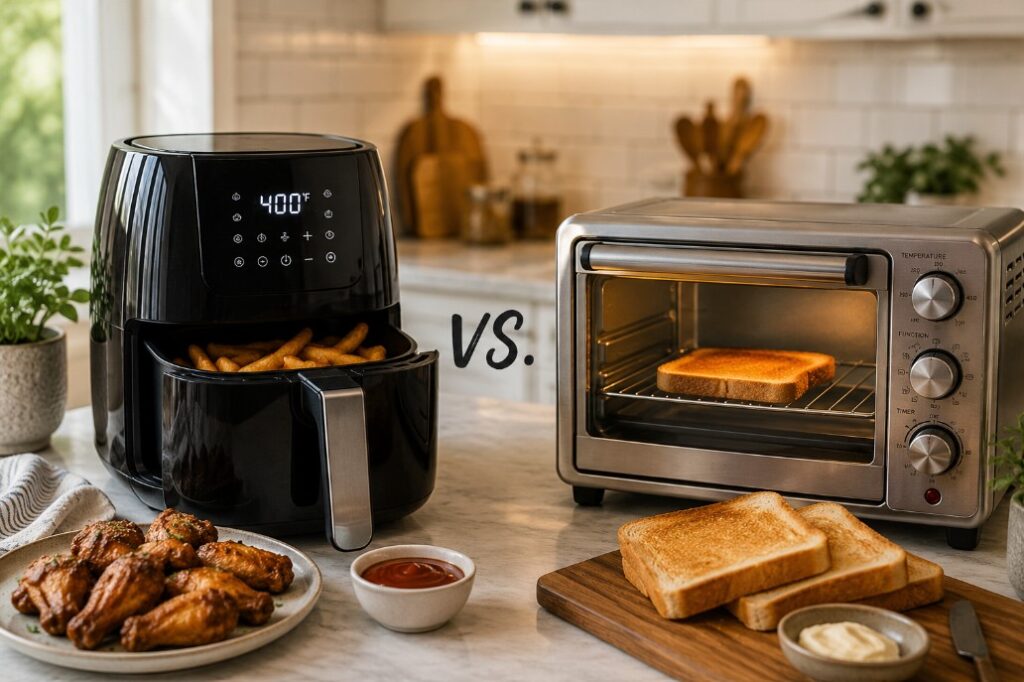
Air fryers and toaster ovens have become mainstays in many kitchens, each offering convenient ways to prepare quick meals and snacks. Both appliances promise faster cooking times and healthier alternatives to traditional frying or oven baking. However, deciding which is better for your lifestyle and kitchen setup depends on understanding their key features, practical uses, and limitations.

This comparison explores the differences and similarities between air fryers and toaster ovens to help readers navigate their choices. Whether you’re aiming to crisp up frozen foods, bake a small batch of cookies, or simply toast bread, knowing how these devices perform in everyday use can help you find the best fit for your needs.

Affiliate disclosure: This article contains affiliate links. If you make a purchase through one of these links, I may earn a commission at no additional cost to you. As an Amazon Associate I earn from qualifying purchases.

Quick Facts

  • Products Compared: Air fryer and toaster oven
  • Best Overall Use: Air fryer excels at frying and crisping with less oil; toaster oven offers versatile baking, broiling, and toasting
  • Budget Range: Air fryers and toaster ovens vary widely, generally starting from affordable entry models to higher-end multi-function units
  • Best For: Air fryers suit those seeking quick, healthier fried-style foods; toaster ovens fit users wanting all-around cooking flexibility

Comparison Overview

Air fryers and toaster ovens are often compared because they both occupy countertop space and serve as alternatives to traditional ovens. Their compact size and relatively fast cooking times appeal to busy individuals and small households. Despite overlapping functions, they operate differently and excel in distinct cooking tasks.

Air fryers cook by circulating hot air rapidly around food, mimicking the effects of frying but typically with much less oil. In contrast, toaster ovens are miniature ovens that heat food with exposed heating elements, supporting a broader range of cooking methods such as baking, broiling, and toasting. Understanding how each appliance achieves these results clarifies why one may be preferable depending on cooking preferences and kitchen habits.

Side-by-Side Comparison

FeatureAir FryerToaster Oven
Cooking MethodRapid hot air circulationHeating elements for baking, broiling
Primary UsesFrying, crisping, reheatingToasting, baking, broiling, reheating
Cooking CapacityGenerally smaller basket sizeLarger interior space, can fit bigger items
Cooking TimeOften faster due to concentrated heatSlightly longer, more like a traditional oven
VersatilityLimited to air frying and some bakingMore versatile with multiple cooking modes
Ease of UseUsually simple controls, presets availableVaries by model; some with complex settings
CleaningNon-stick baskets, often dishwasher safeTrays and racks removable, may require manual cleaning
Price RangeMid-range to premium, depending on size and featuresWide range from budget to premium models

Key Differences

Cooking Technology

Air fryers use a powerful fan to circulate hot air quickly around food, which creates a crispy outer layer similar to frying but with minimal oil. Toaster ovens rely on radiant heat from electric elements, providing more traditional baking and broiling results.

Food Capacity and Size

Toaster ovens typically offer larger interiors, suitable for baking small casseroles or multiple slices of bread at once. Air fryers often have smaller baskets, limiting the volume of food cooked in a single batch.

Cooking Versatility

Toaster ovens generally support a wider range of cooking tasks, including baking, broiling, toasting, and sometimes even rotisserie or dehydrating functions. Air fryers primarily air-fry but may also include baking and roasting presets.

Cooking Speed

Air fryers tend to cook food faster due to their intense air circulation and focused heating area. Toaster ovens may take longer but provide more even heat distribution for various recipes.

Control and Interface

Air fryers often come with preset programs and digital controls designed for ease of use. Toaster ovens vary widely, from simple manual dials to digital touchscreens offering multiple settings.

Cleaning and Maintenance

Air fryer baskets are commonly coated with non-stick surfaces and are often dishwasher-safe. Toaster ovens have removable trays and racks but may require more frequent manual cleaning due to exposed heating elements and crumb buildup.

Cosori TurboBlaze Air Fryer

Performance and Everyday Use

Cooking Efficiency

For quick snacks like fries, chicken wings, or reheating leftovers, air fryers shine with their rapid cooking times and crispy results without excess oil. Toaster ovens are better suited for baking small dishes, toasting bread evenly, or broiling meats with a more traditional oven effect.

Convenience and Setup

Both appliances plug into standard kitchen outlets and generally require minimal setup. Air fryers usually have straightforward programming with presets, making them user-friendly for beginners. Toaster ovens might have a steeper learning curve if they feature multiple baking modes and temperature controls.

Food Variety

Air fryers excel at replicating fried textures and crispiness, making them great for frozen or breaded foods. Toaster ovens handle a wider variety of cooking styles, including baking pastries, roasting vegetables, and toasting multiple bread slices simultaneously.

Kitchen Space and Portability

Air fryers are typically more compact, which benefits small kitchens or limited countertop space. Toaster ovens can be bulkier but offer the advantage of handling larger food items.

Limitations

Air fryer baskets may limit the ability to cook large portions or bulky foods. Toaster ovens require monitoring to avoid uneven cooking or burning, especially in lower-priced models with less precise temperature control.

Durability and Maintenance

Both air fryers and toaster ovens are designed for countertop use and generally built to last several years with proper care. Air fryers’ removable baskets with non-stick coatings simplify cleanup and reduce maintenance time. However, the fan mechanism requires occasional cleaning to prevent grease buildup.

Toaster ovens feature heating elements and crumb trays that need regular cleaning to maintain performance and safety. Their mechanical components may be more prone to wear or require repair over time than those of air fryers. Both devices benefit from following manufacturer cleaning guidelines and avoiding abrasive cleaners.

BLACK+DECKER Toaster Oven

Cost and Overall Value

Air fryers and toaster ovens cover a wide price range influenced by size, brand, and feature sets. Higher-end air fryers with digital controls and larger capacities come at a premium but may justify the cost for users who prioritize fried-style cooking while seeking health benefits.

Toaster ovens offer value through versatility, serving as a multi-use appliance that can replace several kitchen devices. Budget toaster ovens provide basic functions at a lower price but may lack advanced features or durability.

Choosing between them depends on the types of cooking you do most often and whether you value speed and crispiness or versatility and larger cooking capacity.

Who Should Choose Each Option

For Quick, Healthier Fried Foods

An air fryer suits individuals who want to enjoy crispy, fried-style meals with less oil and faster cooking. This appliance is ideal for small households or those who regularly cook frozen snacks.

For Versatile Cooking and Baking

A toaster oven fits users looking for an all-in-one device that can toast, bake, broil, and reheat. It’s a good choice for those who enjoy baking small batches or need to prepare a variety of dishes using one appliance.

For Limited Counter Space

Air fryers generally take up less room, making them preferable for compact kitchens or dorm rooms where space is at a premium.

For Larger Portions or Multi-Item Cooking

Toaster ovens offer more interior space, accommodating bigger meals or cooking several items simultaneously, which benefits families or those who entertain guests.

Final Thoughts

Choosing between an air fryer and a toaster oven depends largely on your cooking habits, kitchen space, and the types of food you prepare most often. Air fryers excel at delivering quick, crispy results with less oil, making them appealing for health-conscious users or fans of fried foods. Toaster ovens provide greater versatility, supporting a wider range of cooking methods and larger food quantities.

Neither appliance is inherently better for everyoneβ€”each has meaningful advantages and trade-offs. Considering factors like cooking capacity, ease of use, cleaning, and budget will help determine which device aligns best with your lifestyle. Ultimately, the right choice is the one that fits your kitchen routine, food preferences, and space constraints while enhancing your cooking experience.

Frequently Asked Questions

Can air fryers replace toaster ovens?
Air fryers can replace some toaster oven functions but offer less versatility. Toaster ovens can perform a wider range of cooking tasks.

Are air fryers healthier than toaster ovens?
Air fryers require less oil to achieve a fried texture, which can make meals lower in fat compared to traditional frying. Toaster ovens do not inherently affect healthiness.

Which appliance cooks faster?
Air fryers generally cook faster due to their rapid hot air circulation, especially for small, crispy foods.

Is cleaning easier with an air fryer or toaster oven?
Air fryer baskets are often non-stick and dishwasher-safe, making cleaning simpler. Toaster ovens need manual cleaning of trays and crumb trays.

Can a toaster oven fit larger meals better than an air fryer?
Yes, toaster ovens usually have a larger interior, accommodating bigger dishes or multiple items at once.

You Might Also Enjoy

Viral Products That Live Up to the Hype
Trending

15 Viral Products That Live Up to the Hype

Viral products flood the internet daily, promising solutions to everyday problems or simply adding fun and convenience to life. However, it can be tricky to separate fleeting fads from items that genuinely deliver value. Understanding which trending products live up to the hype helps consumers make smarter choices, avoid disappointment, and find useful, lasting additions to their routines.

This article explores 15 viral products that live up to the hype, capturing attention for good reasons. Each item is examined for its real-world usefulness, value proposition, and potential drawbacks. Whether addressing a common annoyance, enhancing comfort, or offering clever functionality, these picks have earned their viral status by proving they work beyond the buzz.

Affiliate disclosure: This article contains affiliate links. If you make a purchase through one of these links, I may earn a commission at no additional cost to you. As an Amazon Associate I earn from qualifying purchases.


πŸ”₯ Top Picks

  • Best Overall: Ember Temperature Control Smart Mug
  • Best Budget: Revlon One-Step Hair Dryer and Volumizer

1. Ember Temperature Control Smart Mug

πŸ‘‰ View on Amazon β†’

The Ember mug is a smart, temperature-controlled travel cup that keeps beverages hot for hours. Users can set their preferred drinking temperature via a smartphone app, ensuring coffee or tea stays just right from the first sip to the last. This product is especially helpful for those who often get distracted while drinking and dislike lukewarm drinks. Its sleek design and rechargeable battery make it practical for office or home use.

Why it stands out: It solves the common problem of drinks cooling too fast, providing a consistently enjoyable drinking experience.


2. Revlon One-Step Hair Dryer and Volumizer

πŸ‘‰ View on Amazon β†’

This styling tool combines a hair dryer and brush in one, designed to dry and volumize hair quickly with minimal effort. Its oval brush shape smooths hair while the vents dry strands evenly. The product is popular among people looking for faster morning routines or salon-like volume without multiple tools. It suits various hair types but may require practice to master the technique for optimal results.

Why it stands out: It streamlines hairstyling by drying and volumizing simultaneously, saving time and reducing heat exposure.


3. Instant Pot Duo 7-in-1 Electric Pressure Cooker

πŸ‘‰ View on Amazon β†’

The Instant Pot is a multifunctional kitchen appliance that pressure-cooks, slow-cooks, steams, sautΓ©s, and more. Its versatility and ease of use make it a favorite for home cooks aiming to simplify meal prep. This model appeals to busy households needing quick, reliable cooking options without multiple gadgets cluttering the kitchen. While it has a learning curve for some recipes, its programmable functions offer convenience.

Why it stands out: It addresses the desire for efficient, hands-off cooking that can handle a wide range of dishes.


4. Life360 Tile Bluetooth Tracker

πŸ‘‰ View on Amazon β†’

Life360 Tile is a compact Bluetooth tracker designed to help locate misplaced items like keys, wallets, or bags via a smartphone app. It’s ideal for forgetful individuals who often struggle to find essentials. The device’s crowd-finding feature can leverage other Tile users to help track lost items beyond Bluetooth range. Battery life and range limits are considerations, but it’s a practical tool for reducing daily frustration.

Why it stands out: It tackles the universal problem of losing small but important belongings with a simple tech solution.


5. Hydro Flask Insulated Water Bottle

πŸ‘‰ View on Amazon β†’

Hydro Flask’s insulated bottles keep drinks cold for up to 24 hours or hot for up to 12 hours, thanks to double-wall vacuum insulation. They come in various sizes and colors, appealing to outdoor enthusiasts, fitness buffs, and commuters alike. The durable stainless steel body withstands rough use, though the price point is higher than standard bottles. It’s an eco-friendly alternative to disposable plastic bottles.

Why it stands out: It provides long-lasting temperature control in a sturdy, reusable bottle, supporting hydration on the go.


6. LARQ Self-Cleaning Water Bottle

πŸ‘‰ View on Amazon β†’

The LARQ bottle uses UV-C LED technology to automatically neutralize bacteria and viruses in the water and on the bottle’s surface. This feature appeals to travelers and health-conscious users who want clean water without filters or chemicals. Its rechargeable battery lasts weeks, but the bottle is pricier than traditional options. It’s best for those who prioritize water purity across various environments.

Why it stands out: It offers an innovative, hands-free way to maintain clean drinking water without added maintenance.


7. Philips Hue Smart Lighting Kit

πŸ‘‰ View on Amazon β†’

Philips Hue smart bulbs connect to home Wi-Fi and can be controlled via smartphone or voice assistants. Users customize lighting colors, brightness, and schedules to enhance mood or security. This system suits tech-savvy homeowners seeking personalized, energy-efficient lighting solutions. Initial setup and bulb costs are higher than those of standard bulbs, but they provide long-term convenience and ambiance control.

Why it stands out: It transforms ordinary lighting into a customizable, automated home experience.


8. Ninja Foodi Air Fryer

πŸ‘‰ View on Amazon β†’

The Ninja Foodi combines air frying, baking, roasting, and dehydrating in one countertop appliance. It uses hot-air circulation to cook food with less oil, appealing to health-conscious cooks who want crispy results without deep-frying. Its large capacity fits family meals, though it requires countertop space and occasional cleaning. This product fits those seeking versatile, healthier cooking methods.

Why it stands out: It offers a convenient way to enjoy crispy, flavorful foods with reduced fat content.


9. OXO Good Grips Compact Dish Rack

πŸ‘‰ View on Amazon β†’

This dish rack is designed for small kitchens and limited counter space, offering efficient drying for dishes and utensils. Its foldable design and separate compartments maximize usability while minimizing clutter. It suits apartment dwellers or anyone needing a compact drying solution. The sturdy build ensures durability, though it may not fit very large cookware.

Why it stands out: It solves space constraints without sacrificing dish-drying capacity.


10. Rocketbook Smart Reusable Notebook

πŸ‘‰ View on Amazon β†’

Rocketbook combines a traditional notebook with digital convenience by allowing users to write with erasable pens and upload pages to cloud storage. It appeals to students, professionals, and creatives who prefer handwriting but want easy organization and sharing. While it requires compatible pens and a smartphone app, it reduces paper waste and enhances note management.

Why it stands out: It bridges analog and digital workflows for efficient, sustainable note-taking.


11. Anker Portable Charger PowerCore

πŸ‘‰ View on Amazon β†’

Anker’s PowerCore portable charger provides reliable power for smartphones, tablets, and other USB devices on the go. It suits travelers, commuters, or anyone frequently away from outlets needing extra battery life. The compact design and fast-charging capabilities add convenience, though capacity varies by model and may not fully charge larger devices more than once.

Why it stands out: It addresses the common issue of device battery drain with a dependable, portable solution.


12. Eufy RoboVac 11S Robot Vacuum

πŸ‘‰ View on Amazon β†’

This robot vacuum offers a budget-friendly automatic cleaning option for hard floors and low-pile carpets. Its slim profile fits under furniture, making it practical for maintaining daily tidiness without manual effort. It’s best for small to medium homes with pets or allergy concerns, though it lacks advanced mapping features found in pricier models.

Why it stands out: It provides hands-off floor cleaning that helps reduce routine chore time.


13. Simple Modern Classic Tumbler

πŸ‘‰ View on Amazon β†’

The Simple Modern tumbler is an insulated stainless steel cup designed to keep beverages hot or cold for hours. Its wide mouth makes it easy to add ice or clean, while the double-wall construction prevents condensation. It’s popular for outdoor activities, commuting, or desk use. While less feature-rich than smart mugs, it offers solid temperature retention at a more accessible price.

Why it stands out: It combines durability and insulation in a user-friendly, everyday drinkware option.


14. AeroGarden Harvest Indoor Hydroponic Garden

πŸ‘‰ View on Amazon β†’

This countertop hydroponic garden allows users to grow herbs and small veggies year-round without soil. It’s designed for those with limited outdoor space or wanting fresh produce at home. The automated lighting and watering simplify plant care, though it requires electricity and occasional nutrient refills. It’s ideal for gardening beginners or foodies interested in fresh ingredients.

Why it stands out: It provides a convenient way to grow fresh herbs indoors with minimal effort.


15. Dash Mini Waffle Maker

πŸ‘‰ View on Amazon β†’

The Dash Mini Waffle Maker is a compact appliance that quickly makes individual waffles. Its small size is convenient for dorm rooms, small kitchens, or quick breakfasts. While simple in function, it opens opportunities for creative recipes beyond waffles, such as hash browns or paninis. However, its limited cooking surface may not suit larger households.

Why it stands out: It offers a fun, fast, and space-saving way to prepare waffles and more.


Final Thoughts

Exploring viral products can uncover genuinely helpful innovations that improve daily life, from kitchen gadgets to smart tech and personal care tools. The 15 products featured here stand out because they solve common problems, enhance convenience, or add enjoyable touches that justify their buzz. Understanding the practical benefits alongside any limitations helps consumers make informed decisions rather than chasing fleeting trends.

Choosing the right viral product depends on individual needs, lifestyle, and budget. Some items excel in saving time and effort, while others bring comfort or smart functionality. By focusing on usefulness and value, readers can confidently navigate popular offerings and select those that truly enrich their routines. This approach ensures that viral attention aligns with meaningful, lasting satisfaction.


You Might Also Enjoy

home upgrades under $50
House & Home

20 Trending Home Upgrades Under $50

Finding affordable ways to refresh your living space can feel challenging, especially when budgeting is a priority. Yet, there are plenty of trending home upgrades that won’t break the bank but can still bring noticeable improvements in style, comfort, and convenience. Whether aiming to boost your home’s aesthetic appeal, enhance organization, or add smart touches, small investments can make a meaningful difference.

This list gathers 20 popular home upgrades under $50 that are practical, easy to install, and designed to fit a variety of lifestyles. Each item has been selected for its usefulness and current appeal, offering practical ideas to personalize and modernize your home without expensive renovations.

Affiliate disclosure: This article contains affiliate links. If you make a purchase through one of these links, I may earn a commission at no additional cost to you. As an Amazon Associate I earn from qualifying purchases.


πŸ”₯ Top Picks

  • Best Overall: LED Smart Light Bulbs
  • Best Budget: Reusable Silicone Food Storage Bags

1. LED Smart Light Bulbs

πŸ‘‰ View on Amazon β†’

LED smart bulbs offer customizable lighting that can be controlled via smartphone apps or voice assistants. These bulbs replace standard ones and often support dimming, color changes, and scheduling. Ideal for those who want to create ambiance, save energy, or add smart home convenience without complex installation.

Why it stands out: Smart bulbs bring both energy efficiency and flexible lighting control to your home, easily enhancing comfort and mood.


2. Reusable Silicone Food Storage Bags

πŸ‘‰ View on Amazon β†’

These eco-friendly bags replace disposable plastic ones and can be used to store food, organize small items, or even for sous vide cooking. They’re durable, easy to clean, and often freezer- and microwave-safe, making them a practical upgrade for kitchen organization and sustainability.

Why it stands out: Reusable silicone bags help reduce waste and offer versatile storage options that keep your kitchen tidy and eco-conscious.


3. Motion Sensor LED Night Lights

πŸ‘‰ View on Amazon β†’

Compact night lights with motion sensors automatically illuminate hallways, bathrooms, or bedrooms when movement is detected. They’re battery-powered or plug-in options that enhance nighttime safety and convenience while consuming minimal energy.

Why it stands out: These night lights provide hands-free illumination exactly when needed, improving safety without requiring manual switches.


4. Peel-and-Stick Backsplash Tiles

πŸ‘‰ View on Amazon β†’

Self-adhesive backsplash tiles allow for an easy, affordable way to update kitchen or bathroom walls without messy grout or professional installation. Available in various styles, they are suitable for renters or anyone wanting a quick decorative upgrade.

Why it stands out: This upgrade refreshes wall surfaces instantly and can be removed or replaced without damage, perfect for temporary or budget-conscious projects.


5. Under-Cabinet LED Strip Lights

πŸ‘‰ View on Amazon β†’

LED strip lights installed under kitchen cabinets or shelves provide focused task lighting and enhance room ambiance. Many are USB-powered or plug-in with easy adhesive backing, making installation simple and tool-free.

Why it stands out: Under-cabinet lighting brightens workspaces and adds a modern touch without rewiring or professional help.


6. Magnetic Knife Holder

πŸ‘‰ View on Amazon β†’

A magnetic strip mounted in the kitchen keeps knives and metal utensils organized and within easy reach. It frees up drawer space, protects blades, and adds a sleek, minimalist look to the cooking area.

Why it stands out: This holder enhances kitchen organization and safety by keeping knives visible and off crowded counters.


7. Smart Thermostat Remote Sensor

πŸ‘‰ View on Amazon β†’

Remote sensors for smart thermostats can be placed in different rooms to help balance temperature throughout the home. They communicate with compatible thermostats to optimize heating and cooling based on where people spend time.

Why it stands out: Adding remote sensors improves home comfort and energy efficiency by preventing uneven temperature zones.


8. Bluetooth Key Finder

πŸ‘‰ View on Amazon β†’

Small Bluetooth trackers attach to keys, wallets, or other valuables and connect to smartphone apps that show their location. They help reduce time spent searching for frequently misplaced items.

Why it stands out: This upgrade adds convenience and reduces daily frustration by helping quickly locate important belongings.


9. Adjustable Drawer Organizers

πŸ‘‰ View on Amazon β†’

Expandable or adjustable drawer dividers customize storage space in kitchen, bathroom, or office drawers. They keep utensils, tools, and supplies separated and easy to find.

Why it stands out: Organizers improve efficiency by decluttering drawers and protecting items from damage.


10. Smart Plugs with Energy Monitoring

πŸ‘‰ View on Amazon β†’

Smart plugs control plugged-in devices remotely via apps and can monitor energy usage. Compatible with popular voice assistants, they’re useful for managing appliances and reducing standby power consumption.

Why it stands out: These plugs add automation and insight into home energy habits without expensive smart home systems.


11. Wall-Mounted Floating Shelves

πŸ‘‰ View on Amazon β†’

Floating shelves provide extra storage or display space without bulky furniture. Easy to install with included hardware, they suit living rooms, bathrooms, or entryways.

Why it stands out: They maximize vertical space and add decorative functionality to small or crowded rooms.


12. Decorative Window Film

πŸ‘‰ View on Amazon β†’

Static-cling or adhesive window films offer privacy and style by adding frosted or patterned designs to glass surfaces. They allow light in while obscuring views from outside.

Why it stands out: Window films upgrade privacy affordably without curtains or blinds and are easy to install or remove.


13. Silicone Sink Mats

πŸ‘‰ View on Amazon β†’

Placed in kitchen sinks, silicone mats protect the basin from scratches and reduce noise when washing dishes. They often feature raised bumps for better drainage.

Why it stands out: Sink mats extend the life of sinks and add comfort during dishwashing.


14. Smart Light Switches

πŸ‘‰ View on Amazon β†’

Smart switches replace traditional wall switches, enabling remote control of existing lights. Many work with voice assistants and smartphone apps, requiring basic wiring knowledge for installation.

Why it stands out: Upgrading to smart switches modernizes lighting control without changing bulbs or fixtures.


15. Plant Care Sensors

πŸ‘‰ View on Amazon β†’

Sensors measure soil moisture, sunlight, and temperature to help plant owners maintain healthier indoor greenery. Data syncs with apps offering watering reminders.

Why it stands out: These devices support successful plant care by simplifying routine monitoring.


16. Reusable Coffee Filters

πŸ‘‰ View on Amazon β†’

Made of metal or mesh, reusable filters fit many drip coffee makers and eliminate the need for paper filters. They help reduce waste and can improve flavor by allowing more coffee oils through.

Why it stands out: Reusable filters save money over time and promote eco-friendly coffee brewing.


17. Door Draft Stoppers

πŸ‘‰ View on Amazon β†’

Draft stoppers are fabric tubes filled with insulating material placed at the base of doors or windows to block cold air and reduce energy loss. They’re simple to use and move as needed.

Why it stands out: This low-cost item improves indoor comfort and lowers heating bills by limiting drafts.


18. Adhesive Cable Management Clips

πŸ‘‰ View on Amazon β†’

These small clips secure cords and cables to desks, walls, or furniture edges, preventing tangling and clutter. They usually come with adhesive backing for easy, tool-free application.

Why it stands out: Cable clips organize electronic cords, creating cleaner spaces and reducing tripping hazards.


19. SparkPod Rain Shower Head

πŸ‘‰ View on Amazon β†’

The SparkPod Rain Shower Head delivers a wide, rainfall-style stream designed to create a more relaxing shower experience. Its high-pressure design and simple installation make it an easy upgrade for bathrooms of all sizes.

Why it stands out: Unlike many standard shower heads, the SparkPod combines spa-inspired comfort with strong water pressure. The oversized spray pattern provides full-body coverage while maintaining an affordable price point.

20. Aquabliss High Output Revitalizing Shower Filter

πŸ‘‰ View on Amazon β†’

The AquaBliss High Output Revitalizing Shower Filter helps reduce chlorine, sediment, and other impurities commonly found in tap water. Its multi-stage filtration system is designed to support healthier-looking skin and softer hair.

Why it stands out: This filter goes beyond basic water filtration by incorporating conditioning elements intended to improve the overall shower experience. Its universal design also makes installation quick and compatible with most existing shower setups.

Final Thoughts

Affordable home upgrades under $50 offer a practical way to improve everyday living without major investment or hassle. From lighting and organization to smart controls and eco-friendly choices, these trending items offer meaningful benefits for a variety of needs and spaces. Selecting the right upgrades depends on individual prioritiesβ€”whether that’s enhancing comfort, boosting efficiency, or giving your home a fresh look.

By focusing on items that combine functionality with ease of use, these suggestions help bridge the gap between technology and everyday convenience. They allow homeowners and renters alike to make thoughtful improvements that feel modern and intentional but remain budget-friendly. Approaching home upgrades with this mindset can make your space more enjoyable, organized, and responsive to your lifestyle.

You Might Also Enjoy

Scroll to Top