Author name: Amber Campbell

Amber Campbell is the creator behind Trendy Tidbits, a modern content platform focused on trends, tools, and everyday insights designed to keep readers informed and inspired.

Essential Health and Wellness Products
Everyday Living

Essential Health and Wellness Products for Everyday Use

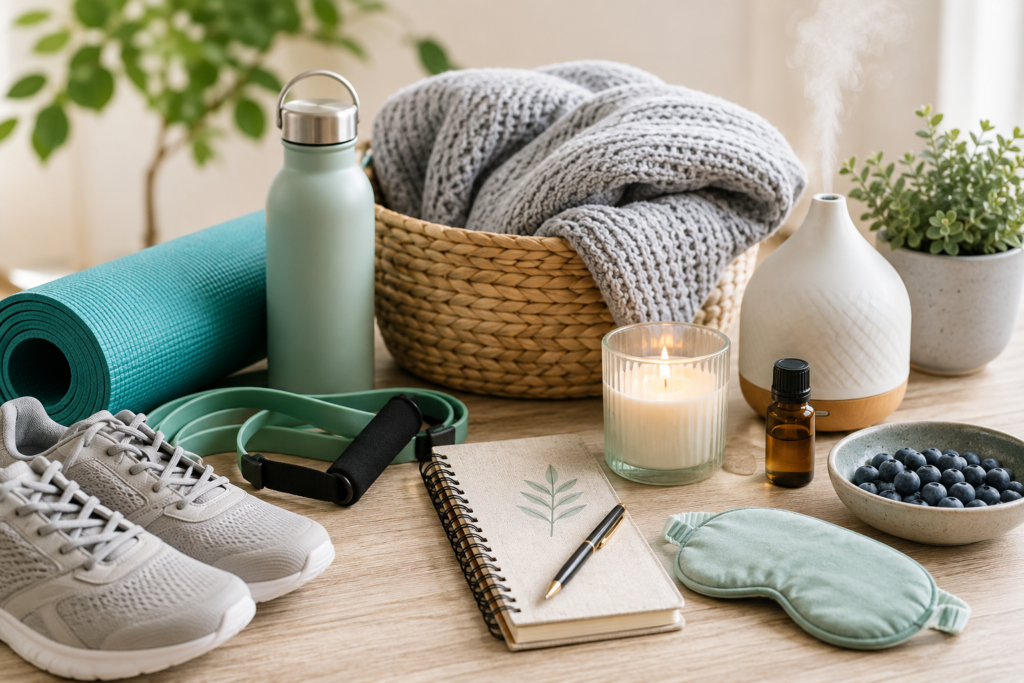
Everyday health and wellness often hinge on simple, manageable habits supported by thoughtful product choices. With so many options available, selecting wellness products that genuinely enhance comfort, promote healthy routines, and fit seamlessly into daily life can feel overwhelming. However, integrating essential health and wellness products doesn’t need to be complicated or expensive. Instead, focusing on practical, widely accessible items can support wellbeing in approachable, realistic ways.

This article explores a variety of health and wellness products designed for everyday use, emphasizing comfort, routine support, and emotional wellbeing. These products aim to complement daily habits without demanding major lifestyle overhauls or unrealistic expectations. By choosing items that encourage movement, rest, personal care, and stress reduction, readers may find helpful tools to support their overall wellness journey in a balanced and manageable way.

Affiliate disclosure: This article contains affiliate links. If you make a purchase through one of these links, I may earn a commission at no additional cost to you. As an Amazon Associate, I earn from qualifying purchases.

Products That Support Comfortable Movement and Activity
Essential Health and Wellness Products

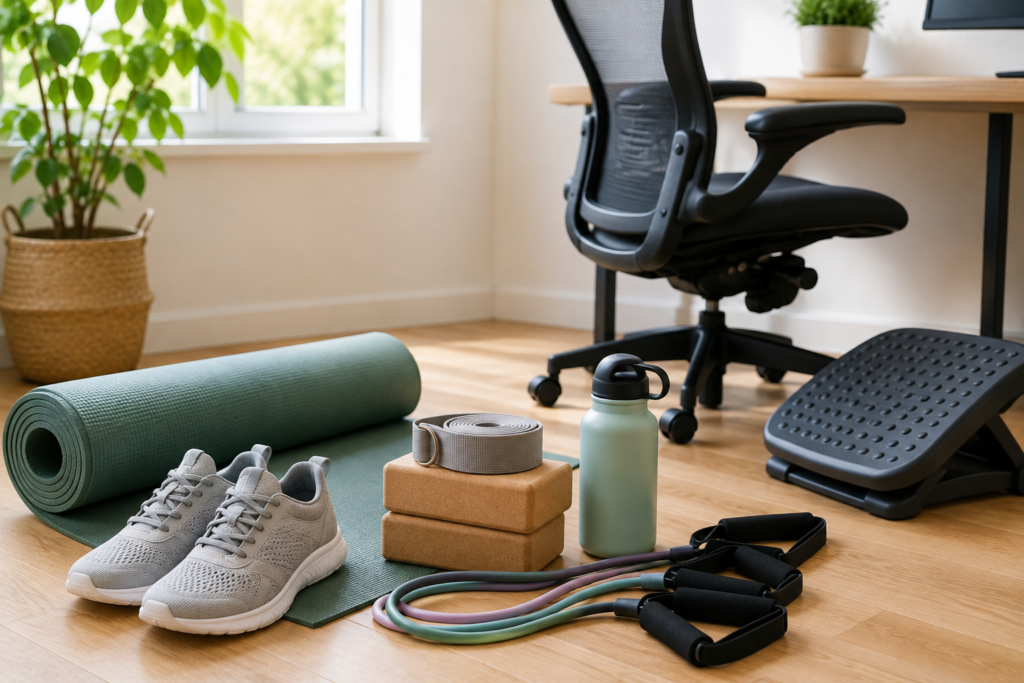
Staying active doesn’t have to mean intense workouts or an expensive gym membership. Products that encourage gentle activity or improve comfort during movement can make staying active more enjoyable and accessible.

  • Supportive Footwear: Quality shoes designed for walking or light exercise can reduce discomfort and encourage consistent movement. Look for options with good arch support and cushioning tailored to daily activities.
  • Yoga Mats and Props: A comfortable yoga mat paired with props such as blocks or straps can make stretching and gentle movement routines more inviting. These tools can help with balance, flexibility, and relaxation practices at home.
  • Resistance Bands: Lightweight and portable, resistance bands offer a versatile way to incorporate strength training and mobility exercises without bulky equipment. They fit easily into a home routine and can be adjusted to different fitness levels.
  • Ergonomic Desk Accessories: For those spending time seated, ergonomic chairs or footrests can promote better posture and reduce strain, supporting physical comfort throughout the day.

These products prioritize comfort and accessibility, recognizing that small steps toward movement can add up to meaningful benefits without pressure for perfection or intensity.

Essentials for Restful Sleep and Relaxation

Essential Health and Wellness Products

Rest is a fundamental pillar of wellness, supporting emotional balance and physical recovery. Products that enhance sleep quality or create calming environments may help establish peaceful nightly routines.

  • Weighted Blankets: Some people find the gentle pressure of a weighted blanket comforting and relaxing. Research into their effect on sleep is still developing, so think of one as a comfort item rather than a treatment for sleep problems.
  • White Noise Machines or Apps: Creating consistent background sound can mask disruptive noises and support uninterrupted sleep. These devices and apps are easily customizable to personal preferences.
  • Blackout Curtains: Blocking outside light helps maintain a dark, sleep-friendly environment, which is important for regulating natural sleep cycles.
  • Aromatherapy Diffusers: If you enjoy fragrance, a diffuser can help create a pleasant atmosphere as part of your evening routine. Essential oils aren’t appropriate for every household, however, particularly around some pets, so check safety guidance before using them.

While these items can support better rest, it’s important to approach sleep challenges with patience and seek professional advice if persistent difficulties arise.

Practical Tools for Stress Reduction and Emotional Wellbeing

Managing stress and fostering emotional wellness are vital parts of everyday health. Certain products can provide gentle support for mindfulness and relaxation practices.

  • Meditation Apps and Guided Audio: Technology offers accessible ways to explore mindfulness and breathing exercises. Many free or low-cost apps provide guided sessions suitable for beginners.
  • Journals and Gratitude Notebooks: Writing can be a helpful outlet for processing thoughts and emotions. Keeping a journal focused on gratitude or daily reflections encourages positive mental habits.
  • Comfort Items: Simple objects like soft blankets, stress balls, or calming teas can contribute to a sense of comfort and grounding during stressful moments.
  • Light Therapy Lamps: Light boxes are sometimes used for winter-pattern seasonal affective disorder (SAD), but they’re different from ordinary lamps and aren’t simply a general mood-boosting gadget. If you’re considering one for seasonal depression or another health concern, it’s a good idea to talk with a healthcare professional about whether it’s appropriate for you.

These tools are intended to support emotional balance and should be viewed as complements to professional mental health care when needed.

Personal Care Products That Encourage Consistent Routines

Some of the most useful wellness products are also the simplest—the things that make everyday routines a little easier or more enjoyable.

  • Gentle Skincare Products: Choosing mild cleansers and moisturizers suited to one’s skin type helps maintain skin health without irritation. Products with simple, natural ingredients are often preferred for sensitive skin.
  • Reusable Water Bottles: Staying hydrated is foundational for wellbeing. A well-designed reusable water bottle encourages regular water intake and supports environmentally conscious habits.
  • Compact Exercise Equipment: Small items like a jump rope or hand weights can be easily stored and used on the spot, encouraging movement without disrupting daily flow.

Incorporating these products into everyday routines can make wellness feel more achievable and less like an added task.

Final Thoughts

Finding essential health and wellness products for everyday use involves balancing practicality, comfort, and routine fit. By focusing on items that support gentle movement, restful sleep, stress reduction, and personal care, individuals can build a foundation for wellbeing that feels manageable and sustainable. These products serve as helpful tools rather than quick fixes, encouraging small but meaningful habits without pressure or guilt.

Wellness is deeply personal, and what works well for one person may differ for another. Exploring a few thoughtfully chosen products can create opportunities for positive changes that enhance daily life. Above all, maintaining flexibility and kindness toward oneself is key, recognizing that these supportive tools complement—not replace—professional care when needed.

You Might Also Enjoy

Personal Finance for Beginners
Everyday Living

Personal Finance for Beginners: A Guide to Managing Your Money Wisely

Learning personal finance for beginners can feel overwhelming when budgeting, saving, credit, debt, and investing all seem to come at you at once. Managing money wisely is a skill that benefits everyone, yet many beginners feel overwhelmed when starting their personal finance journey. From budgeting and saving to understanding credit and investing, the world of personal finance can seem complex and intimidating at first. However, with the right guidance and practical steps, managing your money can become a manageable, even enjoyable, part of everyday life.

This beginner’s guide breaks down personal finance into clear, approachable concepts. It will help readers gain confidence in making sound financial decisions, avoid common pitfalls, and build a solid foundation for future financial well-being. Whether someone is just starting to track their spending or looking to understand investments, this guide offers practical advice to get started on the right foot.

Quick Facts

  • Skill Level: Beginner
  • Time to Learn: A few weeks to grasp basics, ongoing practice for mastery
  • Difficulty: Moderate—requires attention and consistent effort
  • Best For: Individuals new to managing money and budgeting

Beginner Guide Overview

Personal finance involves managing income, expenses, savings, and investments to meet financial goals and secure a stable future. Beginners often find it confusing because it includes many terms and concepts that aren’t part of everyday conversation, such as credit scores, interest rates, and emergency funds. The lack of clear, simple instructions can make starting feel daunting.

This guide aims to demystify personal finance by explaining essential ideas in a straightforward way. Readers will learn how to create and maintain a budget, understand credit, save effectively, and begin planning for long-term financial goals. The goal is to provide a welcoming introduction that encourages practical action rather than perfection.

Understanding the Basics

What Is a Budget?

A budget is a plan for how to spend and save money each month. It helps track income and expenses so that spending stays within limits and savings goals are met. Creating a budget gives you control over your finances rather than letting bills and impulse purchases dictate your money flow.

Income vs. Expenses

Income is the money coming in, usually from a paycheck, side jobs, or other sources. Expenses are the costs of living—like rent, groceries, transportation, and entertainment. The key to good money management is making sure expenses don’t exceed income.

Saving and Emergency Funds

Saving means setting aside money regularly for future needs or unexpected costs. An emergency fund is a special savings account reserved for urgent expenses like medical bills or car repairs. The general rule of thumb is to save enough to cover three to six months of essential living expenses.

Credit and Debt

Credit allows borrowing money to buy things now and pay for them later, often with interest. Debt results when borrowed money isn’t paid back immediately. Understanding how credit works, including credit scores and interest rates, is important for avoiding costly mistakes and maintaining financial health.

Interest and Investment Basics

Interest is the cost of borrowing money or the earnings on saved or invested money. Investing involves putting money into assets like stocks or bonds to grow wealth over time. While investing carries risks, it can be a useful way to build financial security beyond simple savings.

How to Get Started

Step 1: Track Your Income and Expenses

Begin by recording all sources of income and every expense for at least a month. This helps reveal spending habits and areas where costs can be trimmed. Many apps or simple spreadsheets can assist with this step.

Step 2: Create a Realistic Budget

Using tracked data, list monthly income and categorize expenses (rent, food, entertainment, etc.). Allocate amounts to each category, prioritizing essentials and setting limits on discretionary spending. Include a savings goal in the budget.

Step 3: Build an Emergency Fund

Start saving a small amount regularly, aiming to build a fund that covers several months of essential expenses. Keep this money in an accessible, low-risk account, such as a savings account.

Step 4: Understand and Manage Credit

Check your credit reports regularly so you know what’s being reported and can watch for errors or unfamiliar accounts. The three nationwide credit reporting agencies are Equifax, Experian, and TransUnion, and the information in each report may differ because creditors don’t necessarily report to all three bureaus.

You can learn more about your credit directly through Equifax, Experian, and TransUnion. Pay bills on time, keep credit card balances manageable, and learn how the information in your credit reports can affect your credit history.

Want to check all three reports? You can request your reports from Equifax, Experian, and TransUnion through AnnualCreditReport.com, the official federally authorized site for free credit reports. Free reports are currently available weekly.

Step 5: Set Financial Goals

Identify short-term goals, such as paying off a credit card balance or saving for a vacation, and long-term goals, like buying a home or planning for retirement. Clear goals help maintain motivation and focus.

Step 6: Automate Savings and Bills

Automate transfers to savings and schedule bill payments to avoid late fees and build savings effortlessly. Automation adds convenience and consistency.

Step 7: Educate Yourself on Basic Investing

Once savings and debt are under control, explore beginner-friendly investment options such as index funds or employer-sponsored retirement plans. Understanding risks and benefits is essential before investing.

Step 8: Review and Adjust Regularly

Periodically review your budget and financial goals to adjust for changes in income, expenses, or priorities. Flexibility ensures the plan remains relevant and effective.

What Beginners Need

  • Budgeting Tool: A simple app or spreadsheet to track income and expenses efficiently.
  • Savings Account: A separate account for emergency funds to keep money accessible but distinct from daily spending.
  • Credit Report Access: The top three nationwide credit bureaus now allow consumers to check reports weekly through the official AnnualCreditReport service to monitor credit health and identify errors.
  • Basic Financial Literacy Resources: Books, websites, or courses explaining key concepts clearly.
  • Optional Upgrade: Financial Advisor Consultation: For personalized guidance once basic knowledge and planning are underway.
  • Optional Upgrade: Investment Platform Account: For beginners ready to start investing with low fees and easy-to-use interfaces.

Common Beginner Mistakes

  • Not Tracking Spending: Without awareness of where money goes, budgets can’t be effective. Regular tracking helps avoid overspending.
  • Ignoring Emergency Funds: Skipping this step leaves individuals vulnerable to unexpected expenses, which can lead to debt.
  • Relying Too Much on Credit: Overusing credit cards without paying balances in full incurs interest and can damage credit scores.
  • Setting Unrealistic Budgets: Budgets that are too strict or ignore lifestyle needs often fail. A balanced, flexible plan works better.
  • Neglecting to Review Finances: Financial situations change; failing to review budgets and goals can lead to missed opportunities or issues.
  • Jumping Into Investments Too Soon: Investing without sufficient savings or understanding can lead to losses and financial stress.

What to Expect

Learning personal finance is a gradual process that involves trial and error and adjustment. Initially, it may take time to develop the habit of tracking expenses and sticking to a budget. Progress often comes in small steps, such as paying off a credit card or growing savings month by month. Costs like emergency funds and debt repayment take priority before more complex investments.

Financial management requires consistent attention but doesn’t have to consume a large amount of time each day. Setting up automation and using tools can ease the workload. Results will vary based on income, expenses, and personal goals, so patience and persistence are key.

Where to Go From Here

After mastering the basics, beginners can explore more advanced financial topics like credit-building strategies, tax planning, or diversified investing. Learning about retirement accounts, insurance options, and estate planning can further enhance financial security. Developing skills in financial goal setting and adjustment over time supports long-term success.

Experimenting with different budgeting methods or financial apps might help find the best fit. Joining communities or forums focused on personal finance offers support and shared experiences. The journey continues beyond basics, with ever-improving knowledge and habits.

Frequently Asked Questions

Q: How much should I save each month?
A: There isn’t one savings percentage that works for everyone. Start with an amount that fits your budget—even if it’s small—and increase it when you’re able.

Q: What’s the difference between a credit score and a credit report?
A: A credit report is a detailed record of your credit history, while a credit score is a number summarizing that information to indicate creditworthiness.

Q: Is it okay to have some debt?
A: Yes, manageable debt like a mortgage or student loans can be part of financial planning, but high-interest debt should be minimized.

Q: How can I improve my credit score?
A: Pay bills on time, keep credit card balances low, avoid opening too many new accounts, and regularly check your credit report for errors.

Final Thoughts

Starting a personal finance journey can feel overwhelming, but breaking it down into clear, manageable steps makes it achievable. By understanding fundamental concepts like budgeting, saving, and credit, beginners can gain control over their money and build confidence. Consistency and realistic goal setting pave the way for financial stability and growth.

With a solid foundation in place, personal finance becomes less about stress and more about empowering choices. The key takeaway is that anyone can improve their financial health by taking small, informed actions regularly. This guide offers a friendly introduction to managing money wisely, setting readers on a path to a secure and rewarding financial future.

You Might Also Enjoy

Urban Gardening
House & Home

Exploring the Rise of Urban Gardening: Tips and Tricks

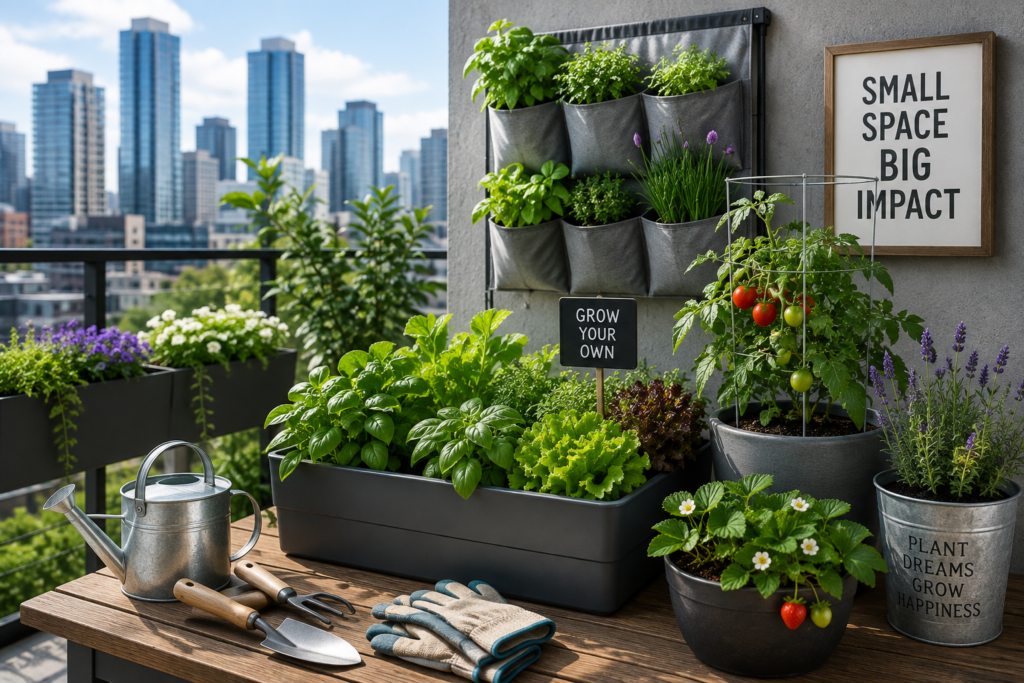
Urban gardening has become an increasingly popular way for city dwellers to reconnect with nature, grow fresh produce, and create green spaces in limited areas. This trend reflects a growing desire for sustainable living, healthier eating habits, and a hands-on approach to food production despite the challenges of urban environments. Whether it’s a small balcony, rooftop, or community plot, urban gardening offers practical benefits that enhance quality of life and contribute to environmental well-being.

The rise of urban gardening is partly driven by the accessibility of new tools, compact growing systems, and an abundance of resources tailored for small spaces. From container gardens to vertical setups, urban gardeners have more options than ever to cultivate herbs, vegetables, and flowers. This article explores practical tips and tricks to help urban gardeners maximize their efforts, whether they are beginners or experienced green thumbs looking for fresh ideas.

Choosing the Right Space and Containers for Urban Gardening

One of the first steps in starting an urban garden is selecting a suitable location that receives adequate sunlight and fits your available space. Most vegetables and herbs require at least six hours of direct sunlight daily, so balconies, windowsills, and rooftops facing south or west are ideal.

Container choice plays a crucial role in the success of your garden. Containers should have good drainage to prevent waterlogging and root rot. Popular materials include terracotta, plastic, and fabric pots, each with different properties:

  • Terracotta pots are breathable and aesthetically pleasing but dry out quickly, requiring more frequent watering.
  • Plastic pots retain moisture better and are lightweight, but may not provide as much airflow to the roots.
  • Fabric grow bags provide excellent drainage and aeration, promoting healthy root systems, and are easy to store when not in use.

Choosing containers that match your watering habits, space, and plant needs will reduce maintenance challenges and help your plants thrive.

Selecting Suitable Plants for Urban Environments

Urban gardening often involves limited space, so selecting plants that are compact, fast-growing, and well-suited to container life is essential. Some commonly grown urban garden plants include:

  • Herbs like basil, parsley, mint, and chives are compact, useful in everyday cooking, and relatively low-maintenance.
  • Leafy greens such as lettuce, spinach, and kale grow quickly and can be harvested repeatedly, making them perfect for small spaces.
  • Compact vegetables like cherry tomatoes, peppers, and radishes adapt well to containers and provide rewarding harvests.
  • Edible flowers and small fruiting plants like strawberries add color and variety without requiring large areas.

It’s important to check each plant’s sunlight and water requirements and choose varieties labeled as “container-friendly” or “compact” to ensure they fit your urban garden setup.

Soil and Fertilization Tips for Healthy Growth

High-quality soil is foundational for urban gardening success because container plants rely entirely on their potting mix for nutrients and water retention. Use a well-draining, nutrient-rich potting soil formulated for containers rather than garden soil, which can compact and hinder root growth.

Regular fertilization is necessary since nutrients in pots wash out over time. Slow-release fertilizers designed for container plants offer steady nutrition, while liquid fertilizers can provide a quick boost during the growing season. Organic options such as compost tea or fish emulsion may appeal to those seeking natural fertilization methods.

Proper soil and feeding techniques improve plant vigor, support steady growth, and contribute to bountiful harvests in limited space.

Watering Strategies to Avoid Common Pitfalls

Water management is often a challenge in urban gardening because containers can dry out faster than garden beds. Consistent watering is key, but overwatering can be just as harmful as underwatering.

A few watering tips to consider:

  • Check soil moisture regularly by inserting a finger an inch deep; if it feels dry, it’s time to water.
  • Water early in the day to reduce evaporation and give plants time to absorb moisture.
  • Use self-watering containers or add water-retaining crystals to the soil to maintain consistent moisture levels.
  • Avoid letting containers sit in standing water, which can cause root rot.

Good watering practices not only keep plants healthy but also reduce waste and the frequency of maintenance.

Maximizing Space with Vertical and Creative Gardening Techniques

Urban gardeners often face the challenge of limited floor space, making vertical gardening a popular solution. Vertical systems allow plants to grow upwards rather than outwards, making efficient use of balconies, walls, fences, or railings.

Options for vertical gardening include:

  • Wall-mounted planters and pocket gardens that hold herbs or small plants.
  • Trellises and cages for vining plants like beans, cucumbers, and peas.
  • Stacked or tiered planters that add layers of growing space without expanding the footprint.

Creative solutions such as hanging baskets, repurposed pallets, or ladder shelves can also increase growing capacity and add visual interest while keeping plants accessible and well-spaced.

Utilizing Urban Gardening Tools and Accessories

Having the right tools and accessories tailored to urban gardening can streamline care routines and improve results. Essential tools include:

  • A compact watering can or hose attachment with a gentle spray to avoid soil disruption.
  • Pruning shears for trimming and harvesting to keep plants healthy.
  • Lightweight hand trowels and cultivators suited for working in small containers.
  • Moisture meters to monitor soil hydration accurately without guesswork.

Optional accessories like grow lights can extend growing seasons or supplement low natural light. Plant supports, labels, and timers also add convenience and organization, especially for gardeners balancing busy schedules.

Addressing Common Urban Gardening Challenges

Urban environments present specific challenges, including pollution, limited sunlight, pests, and space constraints. Awareness and proactive management can help mitigate these issues:

  • Use organic mulches or reflective materials to improve light exposure and reduce soil temperature fluctuations.
  • Choose pest-resistant plant varieties, and employ natural pest control methods like companion planting or neem oil sprays.
  • Rotate crops if possible to reduce disease buildup and maintain soil health.
  • Regularly clean containers and tools to prevent mold and pests.

Understanding these challenges and adjusting care routines accordingly will increase the likelihood of a successful and sustainable urban garden.

Final Thoughts

Urban gardening is a rewarding way to bring nature into city living, offering fresh produce, creative expression, and a sense of accomplishment. By thoughtfully selecting spaces, containers, plants, and care techniques, urban gardeners can overcome common obstacles and enjoy a thriving green oasis, even in modest quarters. Practical tools, smart watering, and space-saving methods further enhance the experience, making urban gardening accessible and enjoyable for all skill levels.

Whether growing herbs on a windowsill or cultivating a full balcony garden, embracing these tips and tricks can transform limited urban spaces into productive, vibrant gardens. With patience and attention, urban gardening becomes not only a sustainable lifestyle choice but a daily source of joy and practical benefits.

You Might Also Enjoy

Eco-Friendly Home Products
House & Home

Must-Have Eco-Friendly Home Products for a Sustainable Lifestyle

Eco-friendly home products are gaining attention as more people look for practical ways to reduce their environmental impact without sacrificing convenience or style. Choosing sustainable items for everyday living can seem overwhelming given the multitude of options available. Yet, selecting the right products can make a meaningful difference in reducing waste, conserving resources, and supporting a greener lifestyle.

This article explores a curated selection of popular eco-friendly home products that address common household needs while emphasizing durability, usefulness, and environmental benefits. The goal is to help readers understand which choices fit their lifestyle, budget, and sustainability goals without falling for hype or novelty.

Affiliate disclosure: This article contains affiliate links. If you make a purchase through one of these links, I may earn a commission at no additional cost to you. As an Amazon Associate I earn from qualifying purchases.


Product Roundup Overview

Sustainable home products often earn attention for their potential to replace disposable or energy-intensive alternatives. This roundup focuses on items that help reduce single-use plastics, minimize waste, conserve water or energy, and support eco-conscious consumption habits. Each product is evaluated for how well it performs its intended function, its environmental credentials, and practical considerations like cost and maintenance.

The featured products span kitchenware, cleaning supplies, personal care items, and home organization tools. They reflect a balance between trending eco-friendly innovations and proven sustainable staples. While some may demand a higher upfront investment, their durability and reusable design often justify the cost over time. Others offer budget-friendly options suitable for anyone beginning to embrace a greener routine.


What to Consider Before Choosing

When selecting eco-friendly home products, it’s important to clarify the problem or desire driving the purchase. Are you aiming to eliminate plastic waste, save energy, reduce chemical exposure, or simply adopt more mindful consumption patterns? Understanding this helps narrow options to items that deliver meaningful benefits rather than just green marketing.

Practical factors include product materials, longevity, ease of cleaning, and compatibility with existing household habits. Some sustainable products require a period of adjustment or specific care routines, which may affect suitability. Price is another key consideration—while many eco-friendly items can be cost-effective over time, initial expenses vary widely.

Finally, consider the product’s environmental impact beyond its immediate use. Does it utilize renewable materials? Is it biodegradable or recyclable? How does its manufacturing process affect carbon footprint? These questions help separate lasting value from trend-driven buys.


Featured Products

1. Bamboo Fiber Dinnerware Set

👉 View on Amazon →

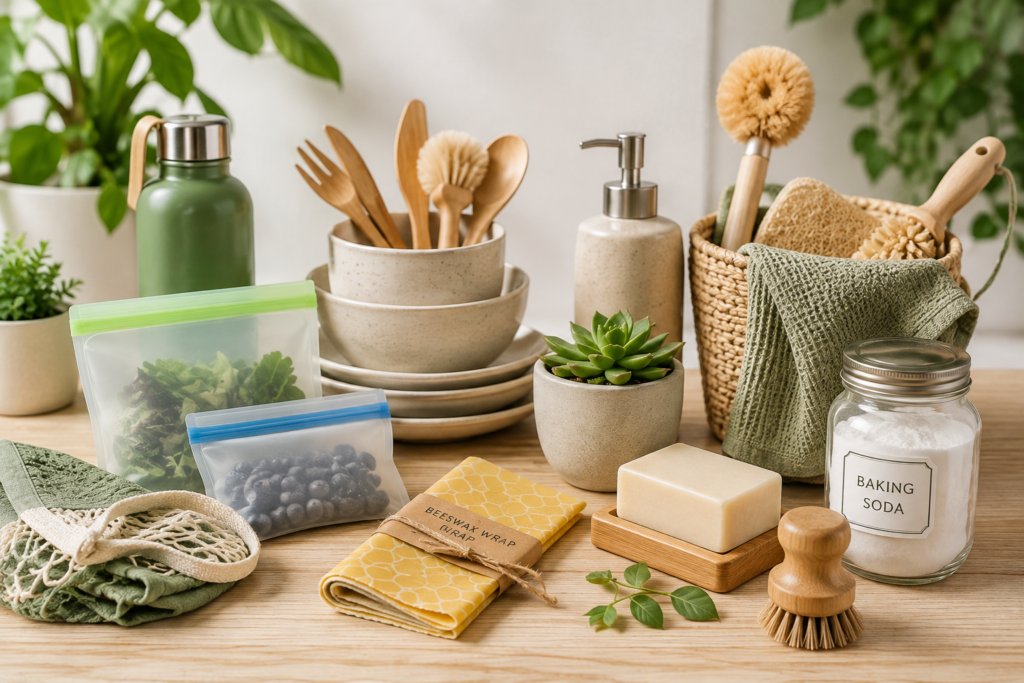
This set includes plates, bowls, and cups made from bamboo fiber combined with food-safe resins. Designed as a reusable alternative to disposable plastic or paper dinnerware, it is lightweight and dishwasher-safe. Ideal for families or individuals seeking to reduce single-use waste during meals or outdoor events.

Why it stands out: It replaces disposable dishware with a biodegradable, durable option that supports waste reduction without compromising convenience.


2. Reusable Silicone Food Storage Bags

👉 View on Amazon →

These flexible silicone bags serve as a substitute for disposable plastic sandwich and freezer bags. They seal tightly to preserve food freshness and withstand repeated use and washing. They are heat-resistant, making them suitable for sous vide cooking or microwave reheating.

Why it stands out: They reduce reliance on single-use plastic bags while offering versatility for food storage and preparation.


3. Compostable Trash Bags

👉 View on Amazon →

Made from plant-based materials, these trash bags break down more quickly than traditional plastic bags in composting environments. They are designed for kitchen waste and yard debris and help reduce plastic pollution from everyday garbage disposal.

Why it stands out: They provide a practical way to manage waste with less environmental harm, especially for those with access to composting facilities.


4. Wool Dryer Balls

👉 View on Amazon →

Wool dryer balls replace single-use dryer sheets and reduce drying time by improving air circulation in the dryer. They are naturally hypoallergenic and free from synthetic fragrances or chemicals, making them suitable for sensitive skin.

Why it stands out: They save energy and eliminate disposable dryer sheet waste while softening clothes naturally.


5. Water-Saving Showerhead

👉 View on Amazon →

This showerhead uses pressure-compensating technology to maintain water flow while reducing overall consumption. It is easy to install and can lower water bills without sacrificing shower comfort.

Why it stands out: It addresses water conservation in a high-use area of the home with minimal lifestyle disruption.


6. Beeswax Food Wraps

👉 View on Amazon →

Beeswax wraps are a reusable alternative to plastic wrap for covering bowls or wrapping food. They are made from cotton coated with beeswax, jojoba oil, and tree resin, providing a breathable yet protective barrier for perishables.

Why it stands out: They cut down plastic wrap waste and can be refreshed with simple care, fitting well into low-waste kitchens.


7. Plant-Based Cleaning Pods

👉 View on Amazon →

These concentrated cleaning pods dissolve in water to create cleaning solutions without harsh chemicals or plastic bottles. They come in compostable packaging and target common household cleaning needs like surfaces, glass, and floors.

Why it stands out: They reduce plastic waste and chemical exposure while maintaining cleaning effectiveness.


8. Solar-Powered Outdoor Lights

👉 View on Amazon →

Solar lights charge during the day to provide illumination at night without using electricity from the grid. They’re easy to install in gardens or patios and often include automatic sensors for dusk-to-dawn operation.

Why it stands out: They offer a renewable energy solution for outdoor lighting, lowering energy consumption and cost.


9. Stainless Steel Reusable Straws

👉 View on Amazon →

These durable straws eliminate the need for disposable plastic straws. They’re easy to clean, often come with cleaning brushes, and are suitable for hot or cold beverages.

Why it stands out: They provide a simple, low-cost way to reduce plastic waste in daily beverage consumption.


10. Rechargeable Battery Set

👉 View on Amazon →

Rechargeable batteries and a charger replace disposables for household electronics. Modern options hold charge longer and support hundreds of recharge cycles, minimizing hazardous waste.

Why it stands out: They reduce the need for frequent battery purchases and environmental contamination from single-use batteries.


How the Options Compare

Across these eco-friendly home products, several criteria help gauge their practical value:

  • Usefulness: Most items address common household waste or resource-use issues—such as food storage, cleaning, energy use, or waste disposal.
  • Durability: Products like bamboo dinnerware, silicone bags, and stainless steel straws tend to last for years with proper care, whereas compostable bags and beeswax wraps are consumables that require regular replacement.
  • Ease of Use: Many items integrate easily into daily routines, though beeswax wraps and wool dryer balls may require a learning curve.
  • Maintenance: Silicone bags and stainless steel straws clean easily; beeswax wraps need gentle hand washing; wool dryer balls require occasional sun drying.
  • Environmental Impact: Products made from renewable or biodegradable materials score higher, but manufacturing processes and packaging should also be considered.
  • Price and Value: Initial costs vary. For example, wool dryer balls and reusable straws are low-cost and have long service lives, while water-saving showerheads and solar lights may have higher upfront costs justified by energy savings.

Best Choice for Different Needs

For Waste Reduction Beginners

Reusable silicone food storage bags and stainless steel straws offer simple switches from single-use plastics without requiring major lifestyle adjustments. Their ease of use and cleaning make them accessible for those new to sustainable living.

For Kitchen Sustainability Enthusiasts

Bamboo fiber dinnerware and beeswax food wraps suit those focused on reducing disposable kitchen waste. While beeswax wraps require some care, both products effectively replace disposable plastics.

For Energy and Water Savers

Water-saving showerheads and solar-powered outdoor lights directly address resource conservation. They fit households aiming to lower utility bills and environmental footprint with minimal behavior change.

For Allergy or Sensitivity Concerns

Wool dryer balls provide a chemical-free alternative to dryer sheets, appealing to those with sensitive skin or fragrance allergies.

For Composting Households

Compostable trash bags support organic waste management for homes with composting options, reducing plastic contamination in the waste stream.


Final Thoughts

Choosing eco-friendly home products involves balancing environmental benefits with practical needs and habits. The items highlighted here demonstrate how sustainable options can fit into everyday living without undue complexity or expense. From reusable food storage to energy-saving devices, these products address real problems like waste reduction and resource conservation while offering varying degrees of convenience and cost.

Ultimately, the best choice depends on individual priorities—whether to start with straightforward plastic replacements or invest in resource-saving upgrades. Keeping an eye on durability, ease of use, and environmental impact helps ensure these products contribute meaningfully to a sustainable lifestyle rather than simply following trends. Thoughtful selection encourages lasting positive change in the home and beyond.


Frequently Asked Questions

What materials are best for eco-friendly home products?

Renewable, biodegradable materials like bamboo, cotton, beeswax, and plant-based plastics are often preferred. Durable materials like stainless steel also support long-term sustainability by reducing reliance on disposables.

How do reusable silicone bags compare to traditional plastic bags?

Silicone bags are more durable and can be washed and reused many times, reducing plastic waste. They also withstand heat better, allowing for cooking or reheating, but have a higher upfront cost.

Are compostable trash bags compatible with all waste disposal services?

Compostable bags typically require access to industrial or home composting facilities to break down properly. They may not be suitable for all municipal waste systems, so it is important to check local guidelines.

Can wool dryer balls replace fabric softeners entirely?

Wool dryer balls soften clothes naturally and reduce drying time but do not add scent or reduce static as some fabric softeners do. Some users add essential oils for fragrance if desired.

How much water can a water-saving showerhead realistically save?

Water-saving showerheads can reduce water flow by 20-50% compared to standard models, leading to meaningful water and energy savings over time, depending on usage patterns.


You Might Also Enjoy

Meal Prepping Guide
Everyday Living

Meal Prepping Guide: Easy Steps for Healthier Eating

Meal prepping can make a busy week a whole lot easier. Instead of figuring out what to cook every night when you’re already hungry and tired, you can have meals—or at least some of the ingredients—ready to go ahead of time.

If you’ve never tried meal prepping, though, the idea of cooking several days’ worth of food at once can sound like a project in itself. The good news is that it doesn’t have to mean spending your entire Sunday in the kitchen or lining your refrigerator with a week’s worth of identical meals.

The best way to start is small. A little planning, a few reliable containers, and an hour or two of prep can save time later in the week, help you use the groceries you buy, and make it easier to reach for a home-cooked meal when life gets busy.

Affiliate disclosure: This article contains affiliate links. If you make a purchase through one of these links, I may earn a commission at no additional cost to you. As an Amazon Associate, I earn from qualifying purchases.

Understanding Meal Prep and Its Benefits

Meal prep simply means getting some of your cooking done ahead of time. You might prepare complete meals that only need reheating, or you might wash and chop vegetables, cook a batch of rice, roast some chicken, or prepare other ingredients that can be used in different meals throughout the week.

There’s no single right way to do it.

For some people, meal prep means packing several lunches on Sunday night. For others, it’s having enough ingredients ready to throw together a quick dinner after work. Either approach can reduce the time and decision-making involved in getting food on the table.

Planning ahead can also help you make better use of your groceries. When you know what you’re going to cook, you’re less likely to buy ingredients without a plan for using them. Prepping those ingredients before they disappear into the back of the refrigerator can also help cut down on food waste.

And perhaps the biggest benefit? When you’re hungry and already have something ready to eat, dinner becomes a lot easier.

Getting Started: Essential Tools and Containers

You don’t need a collection of fancy kitchen gadgets to start meal prepping. A few basics will handle most of the work.

  • Quality Food Storage Containers: A good set of airtight containers makes storing individual meals and prepared ingredients much easier. Glass containers are durable and resist staining, while plastic containers are lighter and often easier to stack. Whatever you choose, check that they’re suitable for the refrigerator, freezer, microwave, or dishwasher based on how you plan to use them.
  • Sharp Chef’s Knife and Cutting Board: You’ll do plenty of chopping during meal prep, so a dependable knife and sturdy cutting board are worth having. A sharp knife also makes prep faster and easier than struggling with a dull one.
  • Measuring Tools: Measuring cups and spoons are handy for following recipes, making sauces, or portioning ingredients.
  • Slow Cooker or Instant Pot (Optional): If you like meals that can cook with minimal attention, a slow cooker or pressure cooker can do much of the work while you prepare other ingredients.
  • Mixing Bowls and Baking Sheets: Large bowls make it easier to toss and combine ingredients, while sheet pans are great for roasting vegetables, potatoes, and proteins in larger batches.

Start with what you already own before buying anything new. After you’ve meal prepped a few times, you’ll have a much better idea of which tools would actually make the process easier for you.

Planning Your Meals Without Making It Complicated

Good meal prep starts before you turn on the stove. Taking a few minutes to decide what you’ll actually eat during the week can save a lot of time—and prevent you from preparing food that nobody wants by Wednesday.

If you’re just getting started, keep it simple.

  • Start with 2 or 3 Days: You don’t have to prepare an entire week’s worth of meals. Try a few lunches or dinners first and see how it fits into your routine.
  • Choose Ingredients You Can Use More Than Once: Rice, quinoa, roasted vegetables, chicken, beans, tofu, and other basics can be combined in different ways, rather than locking you into the exact same meal every day.
  • Build Balanced Meals: Try combining a protein, carbohydrate, vegetables, and a source of healthy fat. It doesn’t need to be complicated or perfectly portioned to be useful.
  • Use Simple Meal Formulas: A grain or other base + protein + vegetables + sauce is an easy place to start. Change the sauce, seasoning, or toppings and the same basic ingredients can taste completely different.
  • Choose a Regular Prep Time: Find a block of time that works with your schedule. That might be Sunday afternoon, a weekday evening, or even two shorter prep sessions during the week.

Before making your shopping list, take a quick look through the refrigerator, freezer, and pantry. Building a few meals around ingredients you already have can save money and keep forgotten groceries from going to waste.

Step-by-Step Guide to Meal Prepping

Once you’ve decided what you’re making, working in a simple order keeps the kitchen from turning into chaos.

  1. Create a Meal Plan: Decide which meals you want to prepare and how many servings you’ll need.
  2. Make a Shopping List: Write down the ingredients you don’t already have, including basics such as oils, spices, sauces, and seasonings.
  3. Do Your Shopping: Pick up your produce, proteins, grains, and other ingredients. Seasonal produce and sale items can be easy ways to keep costs down.
  4. Prepare Your Ingredients: Wash and chop produce, cook grains and proteins, and mix any sauces or dressings you’ll need.
  5. Assemble Your Meals: Divide complete meals into containers or store ingredients separately so you can mix and match them later. Keep dressings and other wet ingredients separate, as they can make food soggy.
  6. Store Everything Properly: Put the meals you’ll eat soon in the refrigerator and freeze appropriate portions you plan to keep longer.
  7. Label Your Containers: Adding the contents and date takes only a few seconds and saves you from playing “What’s in this container?” later.

You also don’t have to do every step at once. Even washing produce, chopping vegetables, or cooking one large batch of protein ahead of time counts as meal prep if it makes the rest of your week easier.

Storage and Food Safety Considerations

Making meals ahead of time also means paying attention to how they’re cooled, stored, thawed, and reheated.

  • Refrigerate Promptly: Don’t leave cooked food sitting at room temperature for long periods. Shallow containers can help larger batches cool more quickly.
  • Know How Long Food Keeps: Many cooked leftovers are generally refrigerated for about 3 to 4 days, although storage recommendations vary depending on the food.
  • Freeze Meals You Won’t Eat Soon: Freezer-safe containers or bags are useful for portions you plan to save longer. Removing excess air can also help protect food quality in the freezer.
  • Thaw Safely: The refrigerator is a convenient way to thaw frozen meals in advance. Some foods can also be safely thawed or reheated in the microwave.
  • Reheat Thoroughly: Previously cooked foods should be reheated properly before eating. Stirring food during microwave reheating can help avoid cold spots.
  • Prevent Cross-Contamination: Keep raw meat and poultry away from ready-to-eat foods, and clean cutting boards, utensils, counters, and your hands as you work.

Food safety recommendations can vary depending on what you’ve prepared, so check current guidance for specific foods when you’re unsure.

An Optional Tool for Freezer Meal Prep

If you start preparing larger batches or regularly freezing food, a vacuum sealer may be worth considering.

Vacuum Sealer Machine with Automatic Vacuum Sealer Bag Detection and Starter Kit

Vacuum sealing can be useful for portioning foods and reducing the amount of air around items stored in the freezer. It’s certainly not something you need to begin meal prepping, though. Regular freezer-safe containers and bags work just fine for getting started.

Keep Your Meal Prep From Getting Boring

Eating the exact same chicken-and-rice bowl five days in a row is one way to make yourself abandon meal prepping pretty quickly.

Instead, prepare a few basic ingredients that can work together in different ways.

  • Make a batch of quinoa or rice that can become a bowl one night and a side dish the next.
  • Roast several vegetables at once and pair them with different proteins.
  • Change the flavor with different sauces, dressings, herbs, and seasonings.
  • Keep some fresh ingredients—such as greens, avocado, herbs, or crunchy toppings—to add just before eating.
  • Try flavors from different cuisines while using many of the same basic ingredients.

You don’t need five completely different recipes to create variety. Sometimes changing the seasoning or sauce is enough to make yesterday’s ingredients feel like a different meal.

Final Thoughts

Meal prepping doesn’t have to mean spending your entire Sunday cooking or eating the same lunch five days in a row. It’s simply a way to do a little work ahead of time so meals are easier when the week gets busy.

Start with two or three meals, pay attention to what actually saves you time, and adjust from there. You may discover that you love having complete meals ready to reheat—or that simply having vegetables chopped, a protein cooked, and a few basics ready to go is enough.

The best meal-prep routine isn’t the most impressive one. It’s the one that makes your week easier and that you’ll actually want to keep doing.

You Might Also Enjoy

Beginners Guide to Healthier Living
Everyday Living

Beginner’s Guide to Healthier Living: Small Changes for Big Impact

Starting a journey toward healthier living can feel overwhelming, especially when faced with advice to overhaul your diet, exercise routine, and daily habits all at once. However, making small, manageable changes can have a significant impact over time. This beginner’s guide to healthier living focuses on practical, easy-to-implement strategies that promote better health without requiring drastic lifestyle shifts. By incorporating simple habits into daily life, anyone can build a foundation for long-term wellness.

Healthy living isn’t just about strict diets or intensive workouts; it’s about adopting sustainable practices that support physical and mental well-being. This guide highlights accessible ideas that align with common lifestyles and kitchen routines, offering readers useful tips for improving nutrition, movement, sleep, and stress management. The goal is to empower readers with straightforward approaches that fit their individual needs and preferences, making healthier living feel achievable and enjoyable.

Affiliate disclosure: This article contains affiliate links. If you make a purchase through one of these links, I may earn a commission at no additional cost to you. As an Amazon Associate, I earn from qualifying purchases.

Embracing Small Dietary Adjustments for Better Nutrition

One of the most straightforward ways to boost health is by tweaking eating habits with small, intentional changes. Instead of focusing on complex diets, beginners can start by improving the quality and variety of the foods they consume each day.

  • Incorporate More Whole Foods: Whole fruits, vegetables, whole grains, nuts, and legumes provide essential nutrients and fiber. Swapping processed snacks for fresh produce or a handful of nuts can improve digestion and energy levels without requiring extra meal prep time.
  • Hydrate with Purpose: Drinking enough water supports metabolism, skin health, and concentration. Carrying a reusable water bottle encourages consistent hydration throughout the day. Infusing water with slices of citrus, cucumber, or herbs adds flavor without added sugar.
  • Mindful Portion Control: Using smaller plates or bowls can naturally encourage balanced portions, helping prevent overeating without strict calorie counting. Paying attention to hunger and fullness cues also fosters a healthier relationship with food.
  • Simplify Meal Prep: Batch cooking staple ingredients like grains, roasted vegetables, or lean proteins at the start of the week saves time and reduces the temptation of less nutritious convenience foods. Storing prepped items in clear, airtight containers helps maintain freshness and makes assembling meals quicker.

These modest adjustments not only improve nutrient intake but can also reduce food waste and streamline kitchen routines, making mealtime more enjoyable and less stressful.

Adding Movement into Your Daily Routine

Physical activity is a cornerstone of healthier living, but starting an exercise routine can be intimidating for beginners. The key is to integrate movement that feels natural and sustainable rather than forcing intense workouts.

  • Prioritize Consistency Over Intensity: Short, regular sessions of moderate activity, such as brisk walking, stretching, or light yoga, can be more effective than sporadic intense exercise. Setting achievable goals—like 10 minutes of movement three times a day—builds habit and confidence.
  • Incorporate Activity into Routine Tasks: Simple swaps like taking the stairs instead of the elevator, parking farther away, or standing during phone calls add movement without requiring extra time.
  • Explore Enjoyable Activities: Choosing forms of exercise that feel fun or social, such as dancing, gardening, or biking with friends, increases motivation and likelihood of sticking with it.
  • Invest in Minimal Equipment: Resistance bands, a set of dumbbells, or a yoga mat are versatile tools that can enhance at-home workouts without taking up much space or requiring a complicated setup.

By focusing on approachable, flexible movement options, beginners can gradually increase their activity level in ways that fit their lifestyle and preferences.

Shop Amazon for a Beginner’s Yoga Set

Improving Sleep Habits for Restorative Rest

Quality sleep is vital for overall health, influencing energy, mood, and cognitive function. Establishing simple sleep-friendly habits helps beginners improve rest without major lifestyle upheavals.

  • Create a Consistent Schedule: Going to bed and waking up at the same time each day helps regulate the body’s internal clock, making it easier to fall asleep and wake up refreshed.
  • Establish a Relaxing Pre-Sleep Routine: Activities such as reading, gentle stretching, or listening to calming music help signal the body to wind down. Avoiding screens and bright lights for at least 30 minutes before bed reduces blue light exposure, which can interfere with melatonin production.
  • Optimize the Sleep Environment: A cool, dark, and quiet bedroom promotes better sleep quality. Using blackout curtains, white noise machines, or comfortable bedding can make a significant difference.
  • Limit Caffeine and Heavy Meals Before Bed: Consuming stimulants or large portions close to bedtime can disrupt sleep cycles. Opt for lighter evening snacks and moderate caffeine intake earlier in the day.

These manageable adjustments support deeper, more restorative sleep, laying a foundation for improved daily functioning and long-term health.

Managing Stress Through Simple, Practical Techniques

Stress can negatively affect physical and mental health, but incorporating straightforward stress management strategies can enhance resilience and well-being.

  • Practice Mindful Breathing: Taking a few slow, deep breaths during stressful moments helps calm the nervous system and improve focus. This can be done anywhere, anytime, without special equipment.
  • Schedule Short Breaks: Brief pauses during work or household tasks to stretch, move, or simply rest the eyes help prevent burnout and maintain productivity.
  • Engage in Enjoyable Activities: Hobbies, social connections, or time outdoors provide natural stress relief and contribute to a balanced lifestyle.
  • Limit Overcommitment: Learning to say no or delegate tasks reduces overwhelm and preserves energy for priorities that matter most.

By weaving these small habits into daily routines, readers can better manage stress and foster a sense of calm and control.

Final Thoughts

Adopting healthier living habits doesn’t require drastic changes or complicated plans. By focusing on small, realistic adjustments in diet, movement, sleep, and stress management, beginners can build a strong foundation for lasting wellness. These practical strategies fit into everyday life, making health improvements accessible and enjoyable.

This guide underscores that even minor changes—like adding a serving of vegetables, taking short walks, or establishing a calming bedtime routine—can collectively create a big impact. Healthy living doesn’t have to happen all at once. Pick one or two changes that feel realistic, give yourself time to make them part of your routine, and build from there. Small habits may not feel dramatic in the moment, but they’re often the ones you’re most likely to stick with.

You Might Also Enjoy

Indoor Gardening Guide
House & Home

Indoor Gardening Guide: Growing Plants in Your Home

Bringing a bit of greenery indoors is a popular way to enhance living spaces while also connecting with nature. Indoor gardening offers a rewarding experience that combines aesthetics, fresh air, and even a touch of homegrown flavor for those who cultivate herbs or edible plants, and this indoor gardening guide will help you get there. For beginners, starting an indoor garden might seem intimidating, but with the right guidance, it can become an enjoyable and manageable hobby.

Indoor gardening is more than just placing a few pots by a window; it involves understanding the unique needs of indoor plants, including light, water, soil, and space requirements. Whether it’s a sunny kitchen windowsill with herbs or a decorative setup of tropical houseplants, the basics remain consistent. This guide aims to introduce practical ideas and tips to help beginners confidently grow plants in the comfort of their own homes.

Affiliate disclosure: This article contains affiliate links. If you make a purchase through one of these links, I may earn a commission at no additional cost to you. As an Amazon Associate, I earn from qualifying purchases.

Choosing the Right Plants for Indoor Gardening

Starting with the right plants is crucial for success in indoor gardening. Not all plants thrive equally well indoors, so selecting varieties that adapt to typical home environments makes the process smoother and more rewarding.

Indoor Gardening Guide
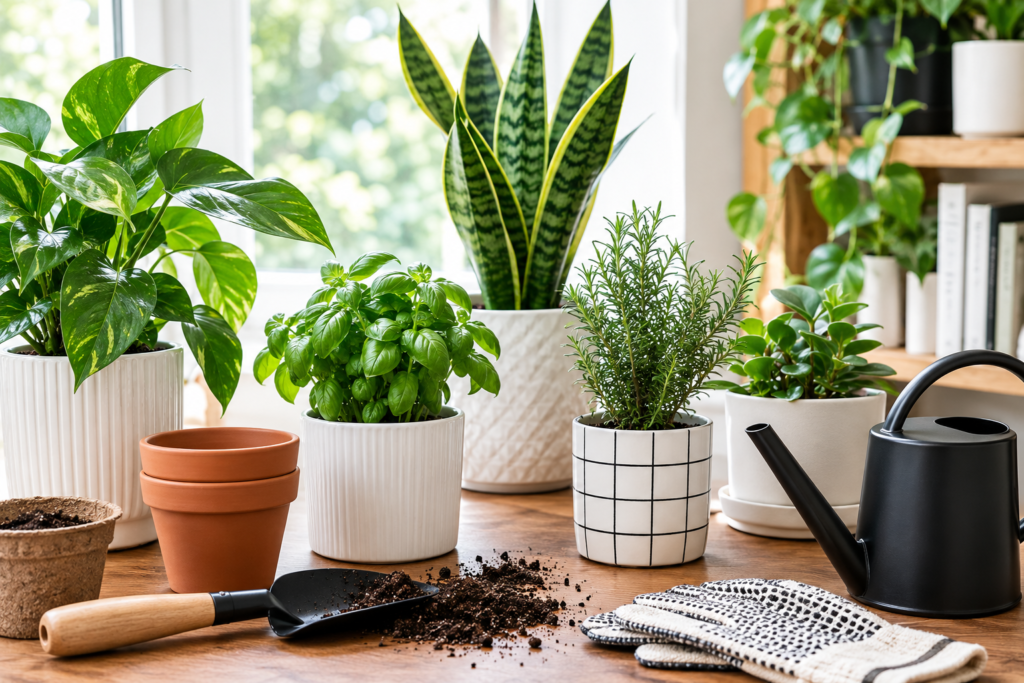
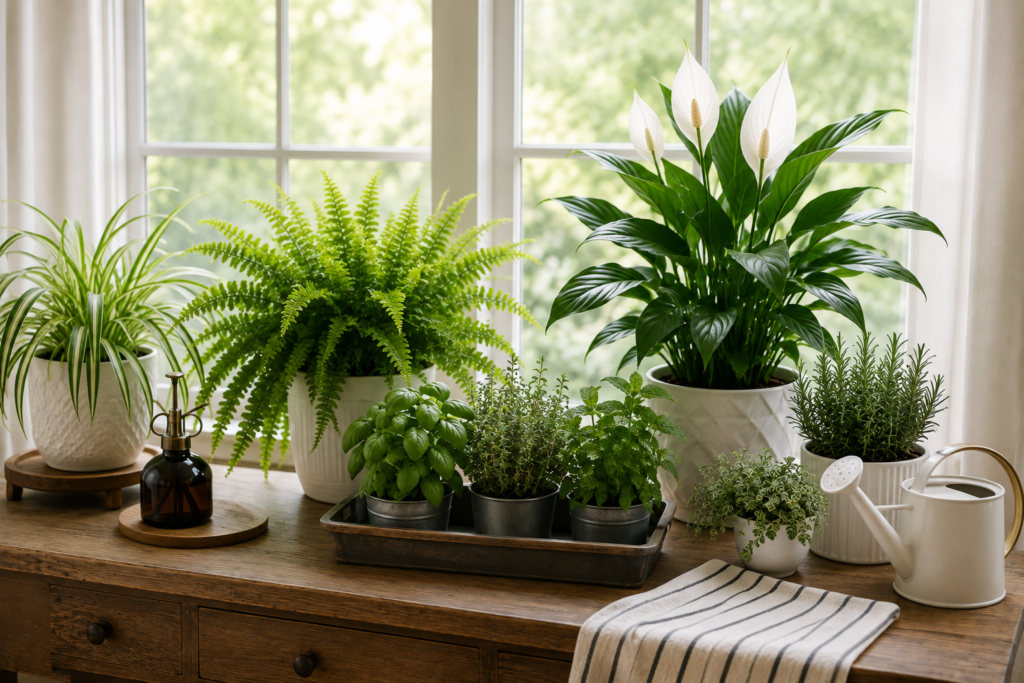
  • Low-Maintenance Plants: For beginners, plants like snake plants, pothos, and spider plants are commonly recommended because they tolerate a range of light conditions and require minimal watering. These plants can survive occasional neglect, making them forgiving for new gardeners.
  • Herbs for the Kitchen: Culinary herbs such as basil, mint, parsley, and chives are popular choices for indoor gardeners who want fresh ingredients at their fingertips. These herbs generally need bright, indirect sunlight and regular watering, fitting well on kitchen windowsills or small indoor garden shelves.
  • Air-Purifying Plants: Many indoor plants also improve air quality by filtering toxins. Peace lilies and Boston ferns are examples that combine beauty with functional benefits, although they may need a bit more attention regarding humidity and watering.

Understanding each plant’s light and water needs helps avoid common pitfalls like overwatering or placing a shade-loving plant in direct sunlight.

Shop Lowe’s for all your herb needs

Setting Up Your Indoor Garden Space

Creating the right environment within the home is essential for healthy plant growth. Since indoor conditions differ from outdoor conditions, some adjustments and planning are advisable.

  • Light Considerations: Most indoor plants prefer bright, indirect light. South- or east-facing windows typically provide suitable lighting. For rooms with limited natural light, investing in grow lights designed for indoor plants can supply the necessary spectrum to support photosynthesis.
  • Containers and Drainage: Choosing pots with drainage holes is important to prevent waterlogged soil, which can cause root rot. If decorative containers lack drainage, placing a smaller pot with holes inside can help manage excess water.
  • Soil Selection: Using a high-quality potting mix formulated for indoor plants ensures proper aeration and moisture retention. Avoid using garden soil, which may be too dense and introduce pests.
  • Humidity and Temperature: Indoor plants often thrive best in stable temperatures between 65°F and 75°F. Some tropical plants benefit from occasional misting or a humidity tray, especially in drier indoor environments during winter.

Arranging plants thoughtfully based on their specific environmental needs maximizes their growth potential while keeping the setup manageable.

Watering and Maintenance Basics

Proper watering and regular maintenance are foundational to indoor gardening success. Both overwatering and underwatering are common mistakes that beginners encounter.

  • Watering Frequency: Water needs vary by plant type, pot size, and environmental conditions. A general approach is to check the top inch of soil—if it feels dry, it’s time to water. Using a watering can with a narrow spout allows for controlled watering, minimizing mess and water waste.
  • Fertilizing: Indoor plants benefit from occasional feeding during their growing season, typically spring through early fall. Using a balanced, water-soluble fertilizer diluted to half strength can support healthy growth without overwhelming the plants.
  • Cleaning and Pruning: Dust can accumulate on leaves, reducing light absorption. Gently wiping leaves with a damp cloth keeps plants healthy. Pruning dead or yellowing leaves promotes new growth and maintains an attractive appearance.
  • Pest Prevention: Indoor plants can attract pests such as spider mites, aphids, and fungus gnats. Regularly inspecting plants and isolating any new additions can help prevent infestations. Simple treatments, such as insecticidal soap, are often effective and safe for indoor use.

Consistent care routines build confidence and encourage a thriving indoor garden.

Maximizing Space with Creative Indoor Gardening Ideas

Limited space is a common challenge for indoor gardeners, especially in apartments or smaller homes. Fortunately, there are plenty of clever ways to maximize greenery without overcrowding.

Indoor Gardening Guide
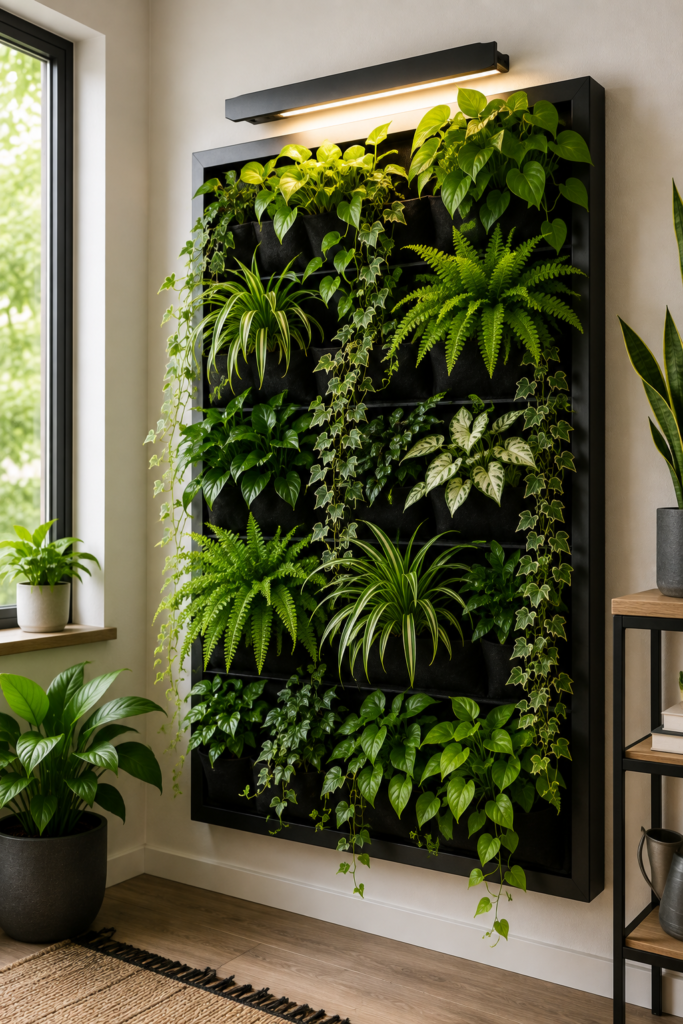
  • Vertical Gardens: Wall-mounted planters or tiered shelves use vertical space, allowing multiple plants to flourish without occupying much floor space.
  • Window Boxes and Hanging Planters: These options bring plants closer to natural light and add a dynamic visual element to rooms. Hanging planters also keep plants out of reach of pets or small children.
  • Terrariums and Miniature Gardens: Small glass containers with succulents or air plants create low-maintenance, stylish displays that fit on desks or countertops.
  • Herb Kits and Self-Watering Planters: For kitchen gardeners, compact herb kits often include everything needed to get started, such as seeds, soil pods, and containers. Self-watering planters reduce the frequency of watering by providing a consistent moisture supply.

These ideas accommodate different lifestyles and preferences while making indoor gardening accessible and enjoyable.

Understanding the Time and Effort Commitment

Indoor gardening requires a realistic understanding of the time and effort involved. While it can be a relaxing and rewarding hobby, it also demands regular attention.

  • Daily or Weekly Checks: Spending a few minutes each day or week inspecting plants for watering needs, pests, or changes in growth helps prevent problems.
  • Seasonal Adjustments: Light availability varies with the seasons, sometimes necessitating plant relocation or the use of artificial light. Growth rates may slow during winter, temporarily reducing care demands.
  • Cleanup and Upkeep: Repotting plants every 1 to 2 years refreshes the soil and supports growth. Maintaining cleanliness around pots prevents mold or mildew buildup.

Recognizing these rhythms encourages patience and helps beginners avoid feeling overwhelmed.

Final Thoughts

Indoor gardening offers a wonderful blend of beauty, practicality, and a touch of nature in everyday life. For beginners, choosing adaptable plants, setting up the right environment, and establishing simple care routines are key steps toward success. By embracing space-saving ideas and understanding care requirements, indoor gardeners can enjoy lush greenery year-round, even in small or low-light homes.

This journey not only enhances living spaces but also brings a sense of accomplishment and calm. With practical guidance and a bit of patience, growing plants indoors becomes a fulfilling addition to everyday life, brightening rooms and routines alike.

You Might Also Enjoy

10 Must-Have Accessories for a Chic Black and White Home
House & Home

10 Must-Have Accessories for a Chic Black and White Home

Creating a chic black and white home offers a timeless and sophisticated backdrop for any style. However, achieving the right balance between stark contrast and cozy warmth can feel tricky without the right accessories. Adding thoughtful touches not only enhances visual interest but also ensures the space feels inviting and practical for everyday living.

Whether updating a few key pieces or starting fresh, selecting accessories that complement the black and white palette can elevate the overall look while staying versatile through seasonal changes or style shifts. This guide highlights ten stylish and functional accessories that can help turn a monochrome home into a harmonious and elegant haven.

Affiliate disclosure: This article contains affiliate links. If you make a purchase through one of these links, I may earn a commission at no additional cost to you. As an Amazon Associate, I earn from qualifying purchases.


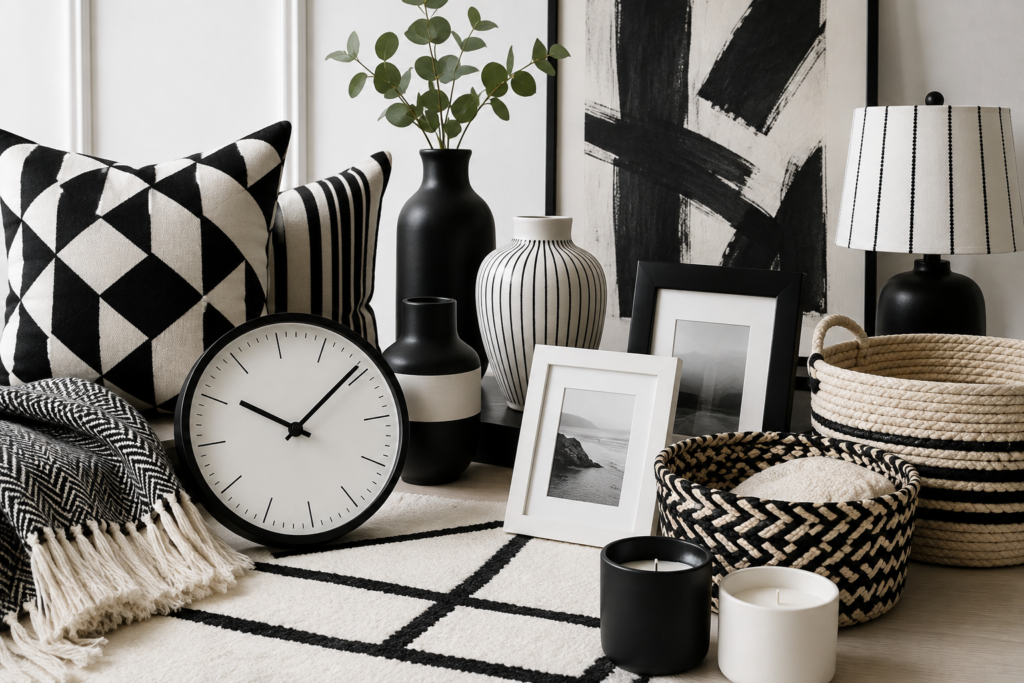
1. Black and White Geometric Throw Pillows

👉 View on Amazon →

These throw pillows feature bold geometric patterns that bring visual texture without overwhelming a black and white room. They are typically made from soft, durable fabrics that provide comfort and style on sofas or beds. Ideal for anyone looking to add a modern touch with minimal effort, these pillows can be mixed and matched with solid colors or other patterns for layering.

Why it stands out: They introduce pattern and dimension, breaking up solid colors and creating a cozy, inviting seating area.


2. Minimalist Black and White Wall Clock

👉 View on Amazon →

A wall clock with a simple black and white design blends functionality with minimalist style. Its clean lines make it easy to read, while the monochrome palette fits seamlessly into most rooms. This accessory suits those who want to keep track of time in a stylish way without disrupting the calm, coordinated look of their home.

Why it stands out: It adds practical value while reinforcing the black and white aesthetic with subtle sophistication.


3. Black and White Ceramic Vases

👉 View on Amazon →

Ceramic vases in black and white come in a variety of shapes and finishes, from matte to glossy. They serve as elegant vessels for fresh flowers or dried botanicals, or as standalone decorative pieces. These vases work well on shelves, mantels, or dining tables and appeal to those who appreciate tactile, artistic accents.

Why it stands out: Their sculptural presence introduces organic shapes that soften the contrast of black and white interiors.


4. Monochrome Area Rug

👉 View on Amazon →

An area rug featuring black and white patterns can anchor a room and add warmth underfoot. Look for designs like stripes, chevrons, or abstract prints that complement existing furnishings. This item is practical for protecting floors and defining spaces, especially in living rooms or bedrooms where comfort and style intersect.

Why it stands out: It visually grounds the space while adding softness and texture that enhance comfort.


5. Black and White Photo Frames

👉 View on Amazon →

Photo frames in black and white finishes allow cherished memories to be displayed without clashing with the home’s palette. They can vary from sleek and modern to vintage-inspired styles, suitable for gallery walls or tabletop displays. This accessory suits anyone wanting to personalize their space while maintaining aesthetic coherence.

Why it stands out: It enables personal expression within the design scheme without adding color distractions.


6. Contrast Throw Blanket

👉 View on Amazon →

A throw blanket combining black and white hues offers both warmth and style when draped over chairs or sofas. Materials like wool or cotton provide comfort, while the contrasting colors add a graphic element. This accessory appeals to those seeking an easy way to update seating areas seasonally or for cozy nights in.

Why it stands out: It balances function and visual appeal, making lounging areas inviting and aligned with the monochrome theme.


7. Black and White Lampshades

👉 View on Amazon →

Lampshades in black and white patterns or solid colors can dramatically influence a room’s ambiance. They work with existing lamp bases or as complete fixtures, diffusing light softly while complementing the décor. This accessory is fitting for readers, crafters, or anyone who values mood lighting in a stylish setting.

Why it stands out: It controls lighting quality and adds a subtle decorative layer that ties the room’s theme together.


8. Black and White Storage Baskets

👉 View on Amazon →

Storage baskets made from woven materials featuring black and white accents provide practical organization without sacrificing style. They can hold blankets, magazines, toys, or other household items, helping reduce clutter. Perfect for families or minimalists alike, these baskets support a tidy, functional home environment.

Why it stands out: They combine utility and design, helping maintain order while enhancing the black and white decor.


9. Minimalist Black and White Candles

👉 View on Amazon →

Candles in black and white containers add a subtle decorative touch and can create a relaxing atmosphere. Their clean appearance fits well on coffee tables, shelves, or bathrooms. This accessory suits those who enjoy layering scent and light for ambiance without introducing color distractions.

Why it stands out: It adds sensory comfort and understated elegance that complements the monochrome theme.


10. Abstract Black and White Wall Art

👉 View on Amazon →

Abstract art prints or canvases in black and white offer a bold statement without overwhelming a room. They can showcase lines, shapes, or textures that enhance visual interest and serve as focal points. This item is suitable for anyone looking to personalize their walls while maintaining a cohesive color scheme.

Why it stands out: It injects personality and creativity into the space while preserving the sophisticated black and white palette.


Final Thoughts

Incorporating these black and white accessories thoughtfully can transform a home into a stylish, coordinated retreat that feels both modern and timeless. Each item adds a layer of interest or function that works together to balance contrast with comfort. Whether selecting a few key pieces or refreshing an entire space, these accessories offer practical ways to enhance the look while maintaining versatility.

Choosing the right accessories depends on personal lifestyle, room purpose, and budget, but keeping the monochrome palette consistent ensures a harmonious feel. Beyond aesthetics, these items support daily living needs such as organization, lighting, and comfort, proving that chic design can also be practical. Ultimately, the best approach involves mixing textures, patterns, and shapes that resonate most with individual taste and home rhythm.


You Might Also Enjoy

Black and White Home Decor
House & Home

How To Create a Stunning Contrast: Black and White Home Decor Ideas

Creating a home that feels both stylish and functional often means striking a balance between aesthetics and practicality. One timeless approach to achieving this is black and white home decor. This classic color scheme offers stunning contrast, making spaces feel fresh and visually intriguing without overwhelming the senses. Whether updating a single room or refreshing an entire home, black-and-white decor can provide a foundation for everyday living while enhancing the overall ambiance.

Black-and-white palettes are versatile enough to suit various styles—from modern minimalism and industrial chic to cozy Scandinavian or eclectic boho. The key lies in how these contrasting hues are incorporated, blending elements that serve both decorative and practical purposes. With thoughtful application, this color duo can help create organized, inviting spaces that are easy to maintain and enjoyable to live in.

This article explores essential ideas and practical tips for incorporating black-and-white decor into the home. It covers room-specific tips, budget-conscious suggestions, and renter-friendly solutions, all designed to inspire readers to embrace this classic contrast while keeping their homes functional and comfortable.

Why Black and White Works for Home Decor

The appeal of black and white decor lies in its simplicity and adaptability. Black provides depth and grounding, while white opens up space and reflects light, creating a bright, airy feel. Together, they form a dynamic visual contrast that adds interest without the distraction of multiple colors.

Beyond aesthetics, black-and-white schemes contribute to a well-organized look. The sharp contrast helps define areas and items, making rooms appear more intentional and less cluttered. This clarity supports easier maintenance and cleaning because surfaces and items stand out clearly.

For renters or those with small spaces, black and white can visually expand rooms. White walls or furniture paired with black accents prevent spaces from feeling cramped or dark. At the same time, these colors are neutral and timeless, so they won’t clash with existing furnishings or require frequent updates.

Discover Black and White Home Decor at Target

Living Room Ideas That Balance Style and Function

In the living room, black-and-white decor can create a sophisticated yet comfortable gathering space. Start with a neutral base like white walls or a light sofa, then layer in black elements such as throw pillows, picture frames, or a sleek coffee table. This approach keeps the room feeling open while adding visual anchors.

Incorporating patterns—like black-and-white stripes, geometric prints, or polka dots—can add personality without overwhelming the space. For example, a monochrome rug with a bold pattern can unify seating areas and serve as a focal point. These patterns also help hide minor stains or wear, which is practical for busy households.

Lighting is another key consideration. Black fixtures or lampshades paired with soft white bulbs provide contrast and warmth, enhancing comfort without sacrificing style. Choose pieces with clean lines that are easy to dust and maintain.

For storage, black or white baskets and bins help keep clutter in check while complementing the color scheme. Opt for containers that fit neatly under tables or in open shelving to keep everyday items organized and accessible.

Black and White Home Decor

Kitchen and Dining Spaces: Practical Elegance

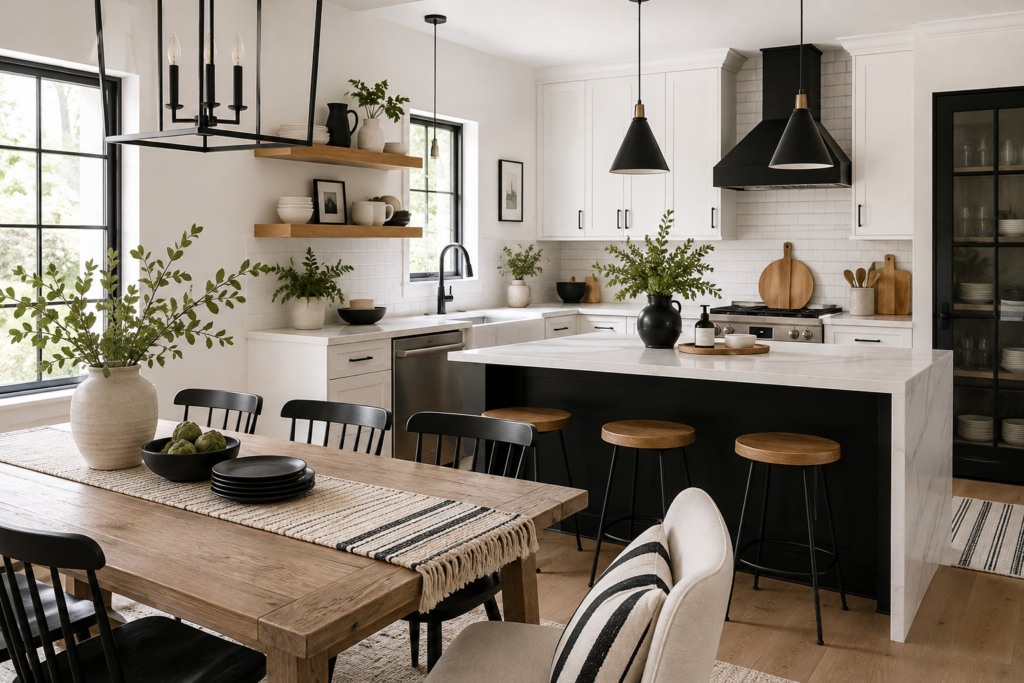
Black and white decor in kitchens and dining rooms offers a crisp, clean look that can make cooking and entertaining more enjoyable. White cabinetry or walls brighten the space, while black hardware, light fixtures, or countertops introduce contrast and sophistication.

To avoid a stark or clinical feel, soften the look with natural materials like wooden cutting boards, woven placemats, or ceramic dishes with black-and-white accents. These touches add warmth and texture, making the space more inviting and functional.

In small kitchens or rented apartments, removable black-and-white wallpaper or decals can create an accent wall without permanent changes. This is a budget-friendly way to add style and personality without the commitment of paint or tile.

In dining areas, black-and-white table linens, dishes, or chair cushions add pattern and contrast without clutter. Consider easy-care fabrics that withstand regular use and washing, supporting everyday practicality.

Bedroom Styling That Combines Calm and Contrast

Bedrooms benefit from the calming effect of white and the grounding presence of black. White bedding and walls create a serene, restful environment, while black accents such as bedside lamps, picture frames, or a headboard add depth and focus.

Layering textures is especially important in bedrooms to prevent the black-and-white palette from feeling too stark. Soft throws, textured rugs, and varied fabrics in these colors add comfort and visual interest.

To keep the bedroom organized, use black or white storage solutions such as under-bed bins, closet organizers, or nightstands with drawers. These choices help maintain a tidy space without drawing attention away from the overall decor.

For renters, removable black-and-white wall art or decals offer a way to personalize the space without permanent alterations. This approach respects lease agreements while allowing for style expression.

Bathroom Tips for Chic and Easy Maintenance

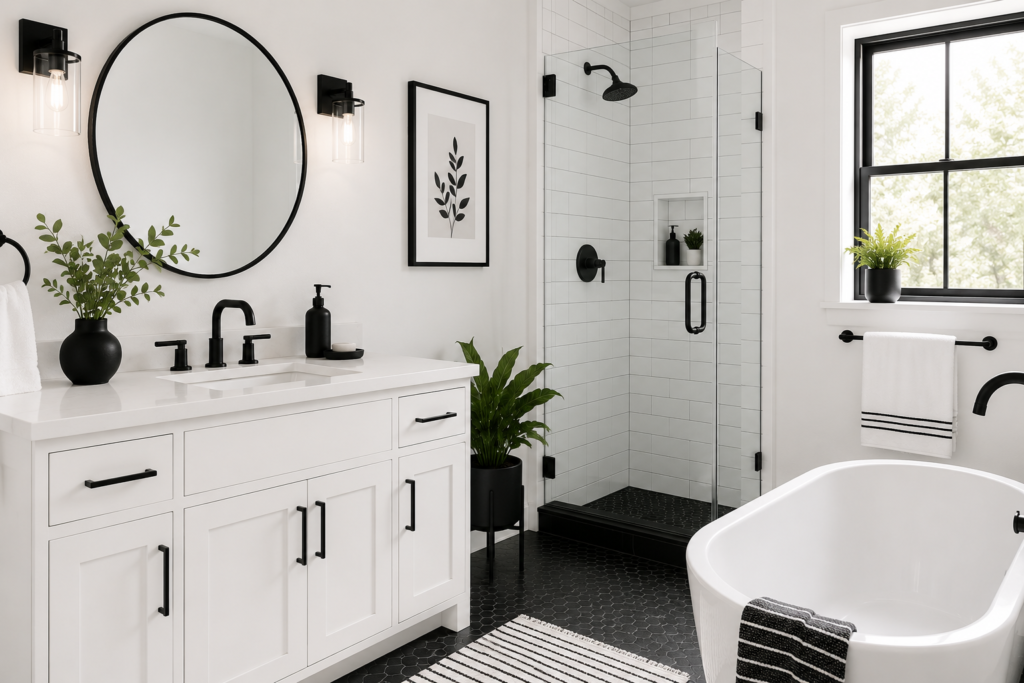
Black-and-white bathrooms can feel clean, modern, and spa-like. White tiles or walls provide brightness and a sense of cleanliness, while black fixtures, mirrors, or accessories add contrast and elegance.

Choosing matte or textured black finishes for faucets and hardware reduces visible water spots and fingerprints, easing upkeep. White towels and shower curtains refresh the look regularly and can be swapped out seasonally for variety.

Consider black-and-white patterned tiles or wallpaper as an accent behind the vanity or along one wall. This adds visual interest without overwhelming the small space and can be coordinated with simple white or black storage containers to keep toiletries organized.

To maintain a functional bathroom, opt for easy-to-clean materials and storage that keeps everyday essentials handy but discreet.

Black and White Home Decor

Incorporating Black and White Decor on a Budget

Embracing black and white decor does not require a large budget. Many affordable options can achieve a stunning contrast without expensive renovations.

Black and White Abstract Art from Etsy

  • DIY Artwork: Create simple black-and-white art with inexpensive canvases and paint, or download free printable designs to frame.
  • Textiles: Swap out throw pillows, curtains, or rugs with black-and-white patterns to instantly refresh a room.
  • Accent Pieces: Small items like vases, candles, or decorative trays in black and white can unify a space and provide contrast.
  • Secondhand Finds: Thrift stores and online marketplaces often offer affordable black-and-white furnishings and decor.
  • Removable Options: Peel-and-stick wallpaper, decals, and temporary tiles offer style updates that work well for renters and can be changed as tastes evolve.

By focusing on key pieces and accents, it’s possible to create cohesive black-and-white rooms without overspending or undertaking major projects.

Final Thoughts

Black and white home decor offers a timeless, versatile way to bring contrast and clarity to living spaces. Its visual impact supports an organized, inviting home that balances style with everyday practicality. Whether refreshing a living room, kitchen, bedroom, or bathroom, this classic palette can work beautifully in homes of all sizes and budgets.

The key is thoughtful layering—combining functional storage, easy-care materials, and accents that enhance comfort without clutter. Renters and small-space dwellers can also participate fully by using removable, budget-friendly options that suit their living situations.

Ultimately, black and white decor invites a clean, fresh start that can evolve with changing needs, making it a smart, stylish choice for creating a home that feels both polished and livable.

You Might Also Enjoy

Bohemian Decorating
House & Home

15 Bohemian Decorating Ideas for Every Room

Bohemian decorating invites a relaxed, eclectic vibe into living spaces, blending colors, textures, and natural elements with an effortless charm. For those looking to infuse their homes with this artistic and free-spirited aesthetic, achieving the right balance of bold patterns, warm materials, and thoughtful décor can make all the difference. Whether updating a cozy bedroom, sprucing up a living room, or adding character to a kitchen, simple boho touches can breathe new life into any area.

Incorporating bohemian elements doesn’t require a complete overhaul. It’s about layering meaningful pieces that tell a story while creating an inviting atmosphere. From lighting that casts a soft glow to textiles that add warmth and comfort, these decorating ideas offer practical ways to embrace boho style throughout the home.

Affiliate disclosure: This article contains affiliate links. If you make a purchase through one of these links, I may earn a commission at no additional cost to you. As an Amazon Associate I earn from qualifying purchases.


🔥 Top Picks

  • Best Overall: Bedsure Tufted Boho Comforter Set
  • Best Budget: Decorative Throw Pillow Covers

1. Turkish Moroccan Mosaic Table Lamp

👉 View on Amazon →

This lamp features intricate mosaic patterns that cast colorful, ambient light, perfect for creating a cozy nook or accentuating a bohemian corner. Its artistic design adds texture and visual interest, ideal for living rooms or bedrooms seeking a warm, inviting glow. The unique craftsmanship makes it a conversation starter while softly illuminating the space.

Why it stands out: It enhances mood lighting while doubling as a piece of art, enriching any room with authentic boho character.


2. Pine Wooden Arch Décor

👉 View on Amazon →

This sculptural piece brings natural wood tones and gentle curves into the décor, making it a versatile accent for various rooms. It’s lightweight and easy to hang or place on shelves, adding subtle architectural appeal. The simple, organic shape complements layered textures typical of bohemian spaces without overwhelming other design elements.

Why it stands out: It adds warmth and shape, softening angular spaces and contributing to a harmonious boho ambiance.


3. Fluffy Fleece Throw Blanket

👉 View on Amazon →

A plush fleece throw adds instant comfort and warmth, perfect for draping over sofas, chairs, or beds. Its softness invites relaxation, while neutral or earthy tones blend seamlessly with vibrant boho textiles. The throw is lightweight yet cozy, making it a practical layering piece for chilly evenings or casual lounging.

Why it stands out: It combines comfort and style, encouraging a lived-in, welcoming feel essential to bohemian décor.


4. Pampas Grass Boho Bouquet

👉 View on Amazon →

This dried pampas grass arrangement brings natural textures and muted colors into any room, ideal for adding height and softness to corners or tabletops. It requires no maintenance yet introduces an organic, earthy element that complements woven or wooden accents. The bouquet’s airy, feathery look enhances the relaxed, untamed spirit of boho style.

Why it stands out: It delivers nature-inspired charm without upkeep, elevating spaces with effortless bohemian flair.


5. Rustic Wood Mirror Sunburst

👉 View on Amazon →

This mirror combines function with eye-catching design, featuring a sunburst frame crafted from rustic wood. It works beautifully as a focal point in entryways, living rooms, or bedrooms, reflecting light to open up the space. The handcrafted look adds texture and vintage appeal consistent with boho aesthetics.

Why it stands out: It brightens rooms while serving as a statement piece that ties together natural and artistic elements.


6. Decorative Throw Pillow Covers

👉 View on Amazon →

Swapping out pillow covers is an easy way to refresh a room’s look, and these covers often showcase bold patterns, embroidery, or tassels typical of bohemian style. They fit standard throw pillows, making it simple to mix and match for an eclectic appearance. These covers bring color and tactile interest to sofas, beds, or window seats.

Why it stands out: They offer an affordable, flexible way to inject personality and texture into any seating or sleeping area.


7. Macrame Wall Hanging Boho Woven Tapestry

👉 View on Amazon →

Macrame wall hangings add handcrafted artistry and depth to blank walls, enhancing the boho vibe through intricate knotting and natural fibers. This tapestry can create a focal point behind beds or sofas and softens the visual space with its woven patterns. It brings a tactile dimension without overwhelming the room’s palette.

Why it stands out: It introduces artisanal texture that enriches walls and reinforces the handmade essence of bohemian décor.


8. Hanging Plant Shelves for the Wall

👉 View on Amazon →

These shelves maximize vertical space by suspending plants, ideal for bringing greenery into smaller rooms or corners. Boho style often embraces nature indoors, and hanging shelves keep plants prominent without crowding surfaces. They also add layers of interest and help purify the air while enhancing the relaxing vibe.

Why it stands out: They creatively combine storage and natural décor, supporting a fresh, lively atmosphere typical of bohemian spaces.


9. Orange Bolga African Basket

👉 View on Amazon →

This basket stands out with its vibrant orange hue and traditional weaving techniques, perfect for storage or as a decorative accent. It fits well in living rooms, bedrooms, or entryways, adding color and texture while organizing blankets, magazines, or toys. Its handcrafted appeal aligns with boho values of cultural appreciation and artisanal detail.

Why it stands out: It provides practical storage with a splash of color and global inspiration, enriching the boho aesthetic.


10. Honeydak Boho Decor Hanging Wall Baskets

👉 View on Amazon →

These hanging baskets serve as both storage and wall décor, featuring natural materials that emphasize a laid-back, earthy feel. They can hold small plants, keys, or other items while adding visual interest to plain walls. Their lightweight design makes them adaptable for various rooms, blending function with bohemian charm.

Why it stands out: They optimize wall space creatively while reinforcing a natural, textured environment.


11. Bedsure Tufted Boho Comforter Set

👉 View on Amazon →

This comforter set features tufted patterns and soft, breathable fabric, perfect for layering in bedrooms to achieve a cozy, boho look. Its design combines subtle texture with neutral tones, allowing it to coordinate with more vibrant pillows or throws. The set creates a restful retreat that feels curated yet comfortable.

Why it stands out: It elevates bedroom comfort while providing a versatile base for mixing bohemian textiles and colors.


12. Boho Crochet Curtains

👉 View on Amazon →

Crochet curtains offer a delicate, handcrafted window treatment that filters light softly and adds intricate detail. These curtains suit living rooms, dining areas, or bedrooms where a light, airy feel is desired. Their patterns contribute to the layered, textured look typical of boho interiors without sacrificing privacy.

Why it stands out: They create a romantic, vintage-inspired atmosphere while allowing natural light to enhance the space.


13. Natural Rattan Boho Lanterns

👉 View on Amazon →

Rattan lanterns bring a rustic, organic element ideal for ambient lighting indoors or on covered patios. Their woven design casts interesting shadows and adds a tactile component to the décor. Lightweight and durable, they fit well in various settings, complementing other natural materials in bohemian schemes.

Why it stands out: They provide versatile lighting that enhances mood and emphasizes natural textures.


14. Decorative Wood Wall Hooks

👉 View on Amazon →

These wooden hooks combine functionality with rustic style, providing spots to hang bags, hats, or jewelry while enhancing the room’s visual appeal. Their natural finish blends with boho interiors that favor earthy tones and handcrafted details. They are practical in entryways, bedrooms, or bathrooms.

Why it stands out: They help keep spaces organized without compromising the relaxed, artistic vibe.


15. Boho Wood Curtain Rod

👉 View on Amazon →

Wood curtain rods offer a subtle yet impactful upgrade over standard metal options, coordinating seamlessly with natural and boho décor elements. They support various types of curtains, including lightweight and crochet styles, enhancing window treatments with warmth. Their simplicity complements layered textures without drawing undue attention.

Why it stands out: They unify window décor with natural materials, reinforcing an overall cozy, grounded feel.


Final Thoughts

Adding bohemian style to a home is about blending textures, natural elements, and artistic touches to create spaces that feel both curated and inviting. These decorating ideas offer practical ways to introduce that free-spirited energy through lighting, textiles, natural materials, and handcrafted details. Whether updating a single room or refreshing an entire home, incorporating these pieces helps cultivate a warm, eclectic aesthetic that encourages relaxation and personal expression.

The beauty of boho décor lies in its versatility and the ease with which layers can be added or shifted over time. By focusing on elements that bring comfort, color, and texture, anyone can create an environment that feels uniquely theirs. Embracing these ideas provides a tangible path to making living spaces more vibrant, cozy, and connected to nature.

For those ready to begin, starting with a few key items, such as a colorful lamp or a cozy throw, can set the tone and inspire further creative layering. The result is a home that feels welcoming and full of character—perfect for everyday living and memorable gatherings alike.


You Might Also Enjoy

Eclectic Decorating
House & Home

10 Eclectic Decorating Ideas That Actually Work

Eclectic decorating offers a refreshing way to personalize living spaces by combining unexpected elements that express individuality and creativity. Many people struggle with how to blend diverse styles without creating a chaotic or cluttered look. The key lies in selecting statement pieces that balance uniqueness with harmony, adding character and charm without overwhelming the room.

Incorporating eclectic decor is practical because it allows homeowners to showcase their personalities through meaningful, functional accents. From bold wall art to quirky accessories, the right mix can transform a space into a conversation starter that feels welcoming and thoughtfully curated. Below are ten eclectic decorating ideas that marry style with usability, making it easier to pull off a cohesive look.

Affiliate disclosure: This article contains affiliate links. If you make a purchase through one of these links, I may earn a commission at no additional cost to you. As an Amazon Associate I earn from qualifying purchases.

🔥 Top Picks

  • Best Overall: Modern Abstract Area Rug
  • Best Budget: Analog Alarm Clock

1. Whimsical Animal Head Wall Décor

👉 View on Amazon →

Animal head wall décor adds a touch of whimsy and a natural element to any room. Whether crafted from ceramic, metal, or faux taxidermy, these pieces create a striking focal point above a fireplace or sofa. They work well in living rooms, dens, or entryways where a bit of unexpected texture or shape can elevate the atmosphere.

Why it stands out: It introduces a playful yet sophisticated accent that breaks up flat walls and injects personality without overwhelming the space.


2. Relaxing Liquid Lava Lamp

👉 View on Amazon →

A liquid lava lamp offers a soothing light source that doubles as a nostalgic decorative element. Its slow-moving wax blobs create a calming ambiance ideal for bedrooms or home offices. The gentle glow and movement help reduce stress and add a retro vibe that complements eclectic interiors.

Why it stands out: This lamp enhances mood lighting while serving as a kinetic art piece that captivates attention in a subtle, relaxing way.


3. Retro Bluetooth Speaker

👉 View on Amazon →

A retro Bluetooth speaker combines vintage aesthetics with modern technology. It’s perfect for music lovers who want to keep their space stylish and functional. This piece fits seamlessly on shelves, side tables, or kitchen counters, blending old-school charm with wireless convenience.

Why it stands out: It delivers quality sound and wireless connectivity in a design that sparks nostalgia and complements diverse decor styles.


4. Hippo Candy Bowl

👉 View on Amazon →

The hippo candy bowl offers an unexpected and playful way to store sweets or small trinkets. Its quirky shape adds character to coffee tables or kitchen islands and invites conversation. Beyond candy, it can hold keys or jewelry, making it both decorative and practical.

Why it stands out: It brings a fun, whimsical touch that livens up functional storage with an artistic, lighthearted twist.


5. Ceramic Dice Vase

👉 View on Amazon →

A ceramic dice vase is an unconventional container for flowers or greenery that adds geometric interest. Its bold design fits well in modern or eclectic spaces, serving as a centerpiece or accent on dining tables and shelves. The vase’s tactile quality enhances the room’s sensory experience.

Why it stands out: It transforms ordinary floral arrangements into striking displays that amplify the room’s visual texture.


6. Modern Abstract Area Rug

👉 View on Amazon →

A modern abstract area rug anchors a room with color and pattern that injects energy and style. It works well in living rooms, bedrooms, or offices by defining spaces and tying eclectic elements together. The rug’s design can range from bold shapes to subtle hues depending on the desired impact.

Why it stands out: It creates a cohesive foundation that balances diverse decor pieces while enhancing comfort underfoot.


7. Vintage Glass Flush Mount Ceiling Light

👉 View on Amazon →

A vintage glass flush mount ceiling light offers elegant illumination with a retro flair. Its compact design suits rooms with lower ceilings, such as hallways or bathrooms, while adding sparkle and charm. The glass diffuses light softly, creating a warm and inviting atmosphere.

Why it stands out: It provides practical lighting in a style that effortlessly complements both classic and eclectic interiors.


8. Analog Alarm Clock

👉 View on Amazon →

An analog alarm clock introduces nostalgic functionality to bedside tables or desks. Its simple, tactile interface contrasts with digital devices and adds a timeless feel. This clock is ideal for those who appreciate classic design and want to reduce screen time before bed.

Why it stands out: It offers reliable timekeeping with a touch of vintage appeal, enhancing bedroom decor.


9. Handmade Moroccan Ottoman Footstool

👉 View on Amazon →

A handmade Moroccan ottoman footstool adds texture and cultural richness to living spaces. It can serve as extra seating, a footrest, or a small coffee table surface. The craftsmanship and intricate patterns provide warmth and authenticity, fitting well in eclectic or bohemian schemes.

Why it stands out: It introduces artisanal quality and multifunctionality that enriches comfort and style simultaneously.


10. Eclectic Cocktail Painting

👉 View on Amazon →

An eclectic cocktail painting brings vibrant color and playful themes to kitchens, bars, or dining areas. This artwork can tie together various design elements while injecting personality and humor. It acts as a lively accent piece that enlivens walls without dominating the room.

Why it stands out: It visually energizes a space and fosters a relaxed, sociable atmosphere through artful storytelling.


Final Thoughts

Mixing eclectic decor pieces can be both exciting and challenging, but choosing items that offer both style and usability simplifies the process. Each of these ideas brings a distinctive flair while serving clear purposes—from lighting and storage to seating and ambiance. By thoughtfully integrating statement objects like an abstract rug or a quirky candy bowl, interiors become more inviting and uniquely personal.

Ultimately, successful eclectic decorating is about balance. These versatile choices help homeowners avoid clutter and instead create spaces that feel curated and lively. For anyone looking to express individuality with charm and function, incorporating a few of these distinctive accents is a practical and inspiring way to start.


You Might Also Enjoy

Modern Farmhouse Decor
House & Home

Embrace the Charm: 12 Modern Farmhouse Decor Popular Today

Embracing modern farmhouse decor in your home brings warmth, simplicity, and a welcoming atmosphere that many people crave in their living spaces. However, achieving that perfect balance between rustic charm and modern comfort can be tricky without the right décor elements. Whether it’s a subtle touch or a bold statement piece, incorporating specific items helps homeowners create a cohesive look that feels both fresh and timeless.

This style matters because it combines practicality with an inviting aesthetic, making everyday living more enjoyable and visually comforting. From texture and lighting to personal touches, these popular pieces can elevate any room with ease, blending functionality and farmhouse character.

Affiliate disclosure: This article contains affiliate links. If you make a purchase through one of these links, I may earn a commission at no additional cost to you. As an Amazon Associate I earn from qualifying purchases.


🔥 Top Picks

  • Best Overall: Wood Ceiling Fan with Remote Control
  • Best Budget: Albany Kitchen Towels

1. Wood Ceiling Fan with Remote Control

👉 View on Amazon →

A wood ceiling fan with a remote control is a smart addition for any modern farmhouse setting. It brings a natural wood texture that complements exposed beams or neutral color palettes, while the remote adds convenience for adjusting airflow without interrupting a cozy moment. Ideal for living rooms or bedrooms, this fan helps maintain comfort with rustic flair.

Why it stands out: It combines style and ease of use, enhancing farmhouse ambiance while offering practical temperature control.


2. Candle Warmer Lamp with Cycle Timer

👉 View on Amazon →

The candle warmer lamp with a cycle timer offers a flameless way to enjoy the gentle glow and fragrance of candles. It’s perfect for those who want to create a warm, inviting atmosphere without the safety concerns associated with open flames. The timer feature ensures the lamp operates efficiently, creating ambiance only when desired.

Why it stands out: It provides cozy lighting and scent without hassle, making it ideal for farmhouse spaces seeking a safe, automated mood setter.


3. Dear God, Thank You, Shelf Décor

👉 View on Amazon →

The “Dear God Thank You” shelf décor brings a meaningful, spiritual touch to farmhouse interiors. It works well on entryway shelves or living room mantels, reminding residents and guests of gratitude and faith. This piece pairs well with wood and neutral tones, enhancing the home’s heartfelt vibe.

Why it stands out: It adds personal significance and encourages a positive atmosphere, deepening the farmhouse style with meaningful décor.


4. This Is Us Farmhouse Table Decoration

👉 View on Amazon →

A “This Is Us” farmhouse table decoration serves as a charming centerpiece or accent on dining tables and sideboards. It celebrates family and togetherness, core themes in farmhouse living. Its rustic design pairs nicely with wooden furniture and cozy interiors, making it a conversation starter during gatherings.

Why it stands out: It reinforces the home’s welcoming spirit and fosters connection, elevating everyday moments.


5. Farmhouse Monstera Faux Plants

👉 View on Amazon →

Faux monstera plants bring vibrant greenery to farmhouse décor without the upkeep of real plants. Their large, textured leaves complement natural wood and neutral color schemes, adding life and freshness to any room. These plants are perfect for spots with limited sunlight or for busy homeowners seeking low-maintenance greenery.

Why it stands out: It introduces natural elements effortlessly, enhancing farmhouse warmth without demanding plant care.


6. Albany Kitchen Towels

👉 View on Amazon →

Albany kitchen towels are practical essentials that also contribute to farmhouse style with their classic patterns and textures. Made from absorbent materials, they handle daily kitchen tasks while adding a touch of rustic charm. These towels work well in kitchens that emphasize natural materials and timeless design.

Why it stands out: They combine functionality with farmhouse aesthetics, keeping kitchens both efficient and inviting.


7. Farmhouse Chandeliers

👉 View on Amazon →

Farmhouse chandeliers are statement lighting fixtures that anchor rooms with rustic elegance. Often crafted from wrought iron or distressed wood, they provide ambient lighting suited to dining areas, foyers, or living rooms. These chandeliers balance industrial and vintage influences, highlighting the farmhouse’s blend of old and new.

Why it stands out: They create focal points that brighten spaces while reinforcing the style’s cozy, earthy appeal.


8. Aganear Fleece Throw Blanket

👉 View on Amazon →

The Aganear fleece throw blanket is a cozy accessory perfect for farmhouse sofas and armchairs. Its soft texture and warm colors invite relaxation, making it easy to curl up with a book or enjoy family time. The blanket’s durability and comfort make it suitable for year-round use, adding both warmth and style.

Why it stands out: It enhances comfort while contributing to the layered, lived-in look characteristic of farmhouse décor.


9. Farmhouse Couch Throw Pillow Covers

👉 View on Amazon →

Throw pillow covers designed for farmhouse couches often feature simple patterns, neutral tones, or subtle textures. They offer an easy way to refresh living spaces seasonally or whenever a new look is desired. These covers protect pillows while adding softness and visual interest to sofas and chairs.

Why it stands out: It offers versatility and style with minimal effort, allowing homeowners to easily customize their seating areas.


10. Ceramic Vase Set of 3

👉 View on Amazon →

A ceramic vase set of three adds understated elegance through natural shapes and muted colors. Perfect for displaying fresh or dried flowers, these vases complement farmhouse interiors by emphasizing organic materials and simplicity. They work well on dining tables, shelves, or window sills.

Why it stands out: Their subtle presence brings texture and depth without overwhelming the space, supporting a balanced farmhouse look.


11. Dried Pampas Grass Décor

👉 View on Amazon →

Dried pampas grass is a popular choice for adding height and softness to farmhouse décor. Its feathery plumes introduce a natural, airy feel that contrasts nicely with solid wood and metal elements. Pampas grass arrangements fit effortlessly in living rooms, bedrooms, or entryways.

Why it stands out: It brings natural texture and movement, enhancing the organic vibe central to farmhouse aesthetics.


12. Rustic Farmhouse Lantern Décor

👉 View on Amazon →

Rustic farmhouse lantern décor offers both charm and function, perfect for adding ambient light indoors or outdoors. These lanterns often feature distressed finishes and simple glass panes, making them versatile accents for porches, mantels, or dining tables. They evoke a nostalgic feel while providing soft illumination.

Why it stands out: They combine decorative appeal with practical lighting to enhance cozy, inviting environments.


Final Thoughts

Modern farmhouse décor blends practical living with warm, inviting style, creating spaces that feel both comfortable and thoughtfully designed. Each carefully chosen item plays a role in balancing rustic textures with modern conveniences, making it easier for homeowners to establish a harmonious environment. From lighting and textiles to meaningful accents, these popular pieces help craft an atmosphere that welcomes everyone.

Ultimately, this style’s appeal lies in its ability to transform everyday spaces into cozy retreats without sacrificing functionality. Whether updating a single room or decorating an entire home, incorporating these elements allows people to embrace both charm and comfort. The key takeaway is that modern farmhouse décor is accessible and adaptable, encouraging personal expression through timeless design.


You Might Also Enjoy

Scroll to Top