
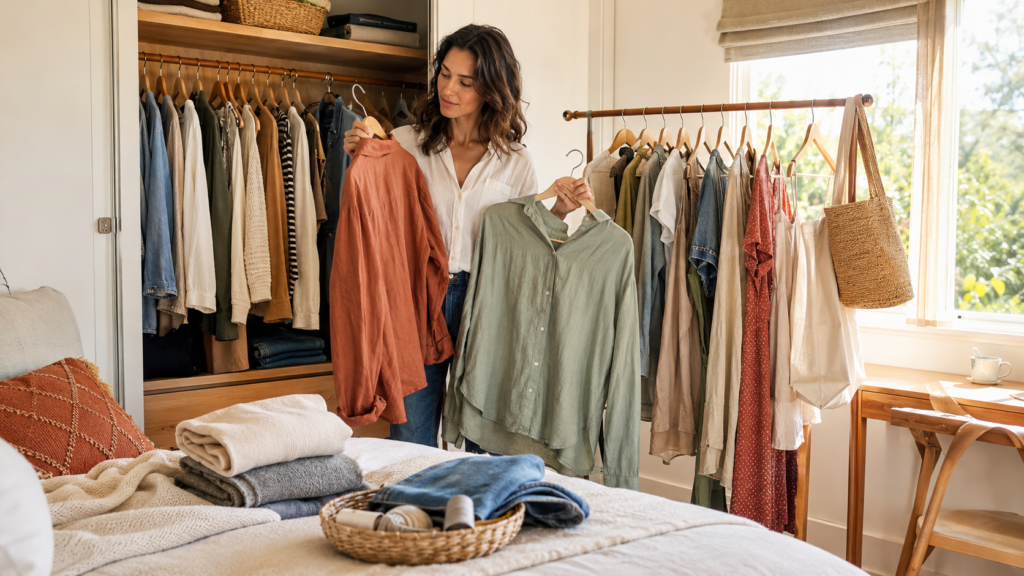
Eco-friendly fashion can feel like one of those topics that comes with a surprise pop quiz: Know your fabrics, research every brand, never impulse-buy, repair everything, and somehow become an expert in supply chains before lunch.
In real life, a more sustainable wardrobe usually starts closer to home. It begins with knowing what you own, choosing clothes you’ll genuinely wear, caring for them well, and making room for the occasional fun purchase without turning your closet into a textile traffic jam.
The goal isn’t a flawless “capsule wardrobe” in shades of oatmeal. It’s a clothing system that works for your life, your space, and your budget.
Start With the Clothes You Already Own
The most practical place to begin with eco-friendly fashion is your current closet, dresser, or chair-that-has-become-a-clothing-storage-system. Before buying anything new, look at what is already there.
Pull out the items you wear regularly, the pieces that need a small repair, and the clothing that no longer fits your life. That doesn’t mean you need to do a dramatic, all-weekend purge. Starting with a single drawer, one category, or a seasonal swap is enough.
As you sort, ask a few useful questions:
- Do I wear this comfortably?
- Does it work with other clothes I own?
- Is it worth repairing, altering, or cleaning properly?
- Am I keeping it out of habit, guilt, or because I might need it for a very specific imaginary event?
- Could someone else use it more than I do?
This kind of edit helps you see clothing as part of a working home system, not just a collection of purchases. A closet packed with forgotten items makes getting dressed harder, which can lead to buying more “easy” options you don’t actually need.
Keep what supports your routine. That might include work clothes, favorite jeans, sentimental T-shirts, occasion wear, soft clothes for resting at home, or the slightly ridiculous sweater that makes you happy every December. Sustainable fashion does not require dressing like a catalog display.
Buy Less Often, but Buy With a Plan
Buying less is often the simplest way to reduce wardrobe waste, but “buy less” doesn’t have to mean “buy nothing.” Clothes wear out. Bodies change. Jobs change. Weather happens. Sometimes you simply need a coat.
The difference is planning before you shop.
Instead of browsing because you feel vaguely uninspired by your closet, identify the actual gap. Maybe you need trousers that work for both the office and dinner plans. Maybe your child needs a warmer layer. Maybe your everyday shoes have reached the point where “character” is no longer the right word for their condition.
A short shopping list can keep purchases practical:
- The item you need
- The colors or styles that work with your existing wardrobe
- The weather or activity it needs to handle
- A realistic budget
- Whether you can wear it in several ways
This approach also works well in small homes and shared closets. Every item takes up physical space, visual space, and mental space. When clothing has a clear job, it earns its hanger, drawer spot, or under-bed storage bin.
For renters or anyone without a generous closet, try setting limits based on available storage rather than chasing an arbitrary number of items. If your dresser drawers close easily and you can see what you own, the system is probably doing its job.
Learn What Makes a Garment More Sustainable
Eco-friendly fashion is not as simple as finding one perfect fabric or label. A garment’s impact can involve the materials used, how it was made, how far it traveled, how long it lasts, and what happens when you’re done with it.
That’s a lot to put on a shirt tag, so focus on a few manageable factors.
Natural fibers such as cotton, linen, wool, and silk are familiar choices, but they vary widely in how they are produced and maintained. Synthetic fabrics, including polyester and nylon, can be durable and useful for certain items, especially activewear and outerwear, but they are generally made from fossil-fuel-based materials. Blended fabrics can be practical, though they may be more difficult to recycle at the end of their usable life.
Rather than trying to memorize every material, consider these everyday questions:
- Does the fabric suit the garment’s purpose?
- Does it feel durable enough for how often you’ll wear it?
- Can you care for it without a complicated routine you won’t realistically follow?
- Is the construction sturdy, with secure seams, functional details, and closures that seem likely to last?
- Is this something you’ll want to wear beyond one trend cycle?
A well-loved item that stays in your wardrobe for years is generally a better outcome than a “sustainable” purchase that sits unworn with the tags still on. The tags are not judging you, but they are taking up shelf space.
Make Secondhand Shopping Work for Your Home and Style
Secondhand clothing can be a useful part of an eco-friendly fashion routine because it gives existing items another chance to be worn. It can also be a budget-friendly way to find quality materials, unusual pieces, children’s clothing, or special-occasion outfits that may only be worn a few times.
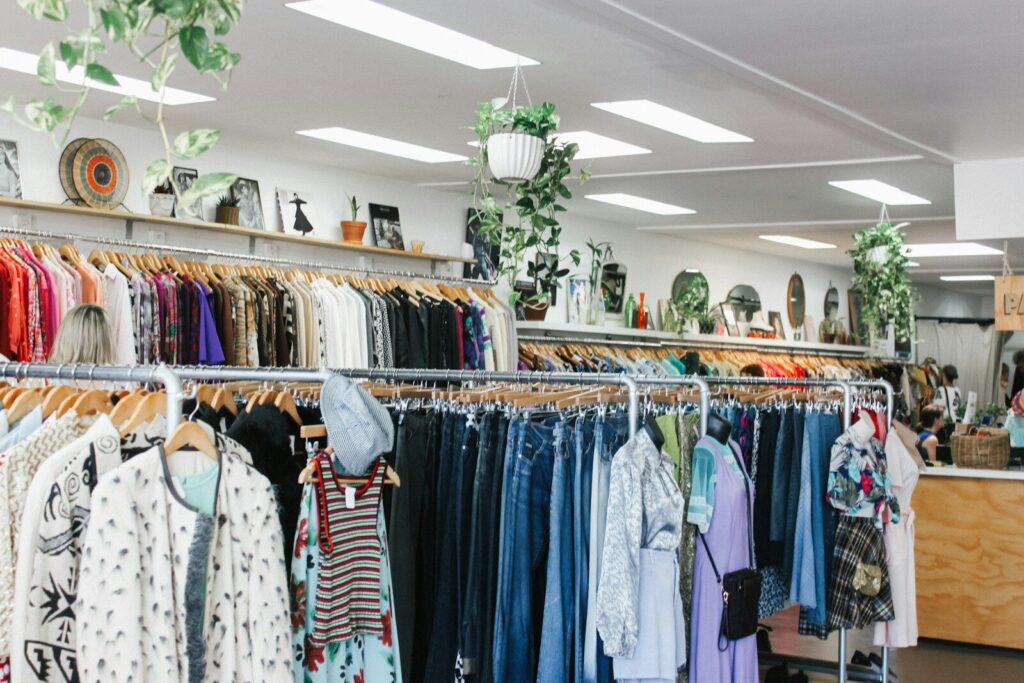
Still, secondhand shopping can create clutter just as easily as buying new. A low price is not a reason to bring home something that doesn’t fit, doesn’t suit your routine, or needs repairs you know you won’t make.
Shop secondhand with the same filters you would use anywhere else. Look for items that fit your shopping list, work with your existing wardrobe, and can be stored properly at home.
When shopping online, pay close attention to measurements and condition details. When shopping in person, check seams, zippers, hems, linings, and areas that get heavy wear. A small stain may be manageable. A missing button may be an easy fix. A damaged zipper on a complicated garment might be more trouble than it’s worth.
You can also try local swaps, community groups, consignment options, and hand-me-down networks. These choices can be especially helpful for maternity clothes, children’s sizes, costumes, and clothing needed for a short-term event.
The key is circulation, not accumulation. Secondhand does not automatically mean necessary.
Care for Clothes Like They’re Part of Your Household System
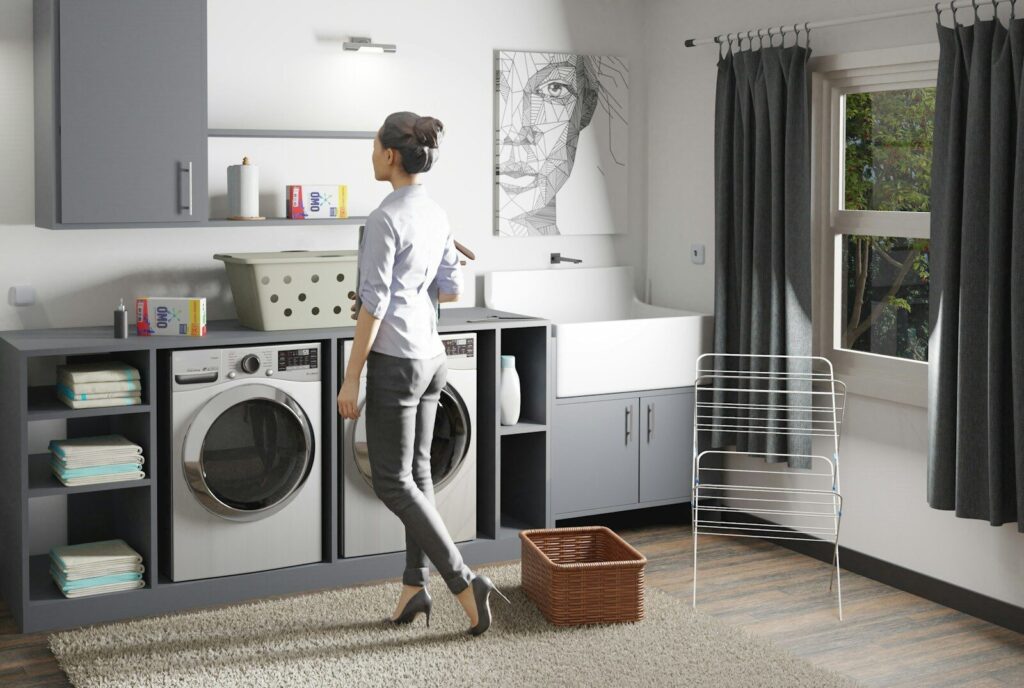
Laundry is where eco-friendly fashion becomes very ordinary, very quickly. It is also where you can extend the life of clothes you already have.
A simple care routine can reduce unnecessary wear:
- Wash clothing when it actually needs washing rather than after every brief use.
- Follow care labels, especially for delicate fabrics and structured garments.
- Turn printed or dark clothing inside out when appropriate.
- Use a laundry setup that prevents small items from disappearing into another dimension.
- Air-dry items that may shrink, lose shape, or wear out faster in high heat.
- Make sure clothes are completely dry before storing them to help prevent odors or mildew.
You do not need a Pinterest-worthy laundry room for this. A small basket for items needing repair, a designated spot for air-drying, and a place to keep stain treatment can make a big difference. In a compact apartment, an over-the-door rack, folding drying rack, or a few sturdy hangers may be enough.
Good storage matters too. Sweaters often hold their shape better when folded, while jackets, dresses, and button-down shirts are easier to find on hangers. Clean seasonal clothing before storing it, and use breathable storage options when possible. The aim is not to preserve every garment forever; it is to prevent avoidable damage.
Repair, Alter, and Rewear What Still Has Life Left
A loose button, fallen hem, or tiny tear does not have to end a garment’s useful life. Basic repair skills can be helpful, but they are not a requirement for participating in sustainable fashion. A tailor, alteration shop, cobbler, or handy family member may be a better fit for more complicated fixes.
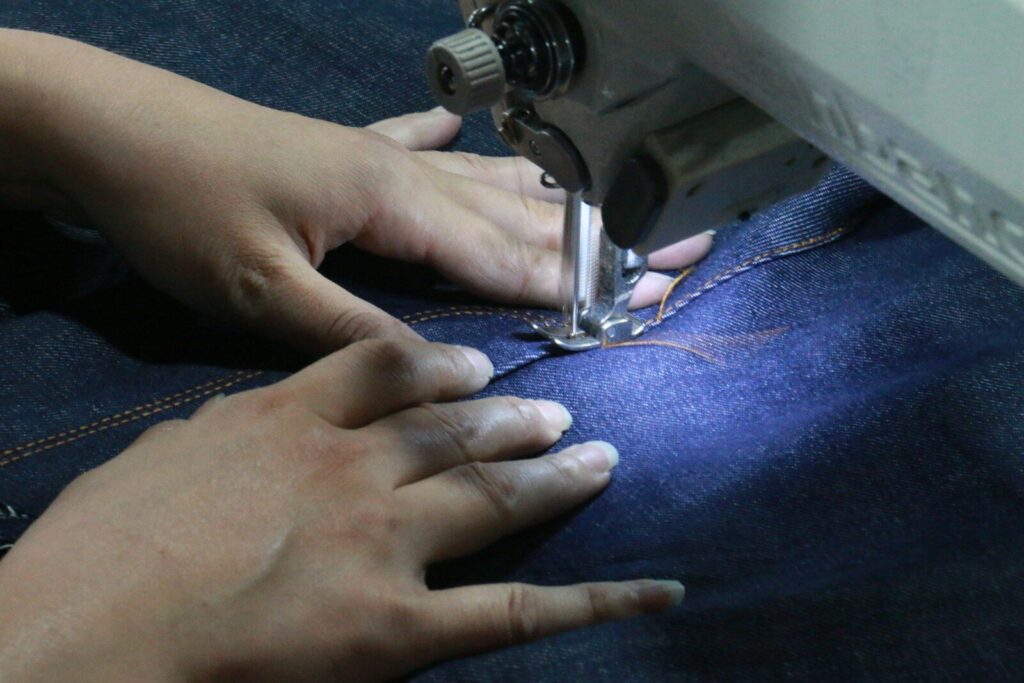
Start with repairs that match your comfort level. Sewing on a button or using an iron-on patch can be manageable for many people. Replacing a zipper, resizing a formal outfit, or repairing leather shoes may call for professional help.
Alterations can also make clothing more wearable. A pair of pants that is slightly too long, a dress that needs adjusting, or a blazer that could fit better may become a regular favorite after a small change. Before paying for alterations, consider the garment’s condition and how often you expect to wear it. Not every item needs saving, and that’s okay.
Rewearing matters just as much. Styling the same piece differently—with layers, shoes, accessories, or a change in proportions—can help your closet feel more versatile without adding more clothing. A favorite black dress can do plenty of work. It does not need a new supporting cast every time it leaves the house.
Let Your Closet Support Real Life, Not Fantasy Life
An eco-friendly wardrobe is easier to maintain when it reflects the life you actually lead. If you work from home, you may need fewer formal clothes and more comfortable layers. If you commute, durable shoes and weather-ready outerwear might matter most. If laundry access is limited, easy-care items can be a practical priority.
This is where organization and sustainability overlap. When your clothes are visible, accessible, and suited to your routine, you are more likely to wear what you own.
Try grouping clothing by how you use it: work, everyday, exercise, occasions, lounge, or seasonal needs. In a small closet, keep current-season favorites at eye level and move less-used items higher up or into labeled storage. If mobility or accessibility is a concern, place frequently worn pieces where they are easiest to reach, and use drawers, bins, or hangers that do not require difficult lifting.
A wardrobe should make mornings easier, not create a daily negotiation with a pile of clothes that all seem to have opinions.
Final Thoughts
Navigating eco-friendly fashion does not require a perfect wardrobe, a huge budget, or a total style reinvention. It can be as practical as wearing what you already love, buying with more intention, caring for clothes properly, and passing along what no longer serves you.
The best system is one you can maintain. A closet that fits your home, your habits, and your actual life will always be more useful than a trendy ideal that looks good only from a distance.