
Author name: Amber Campbell

Amber Campbell is the creator behind Trendy Tidbits, a modern content platform focused on trends, tools, and everyday insights designed to keep readers informed and inspired.

Little Home Upgrades
House & Home

12 Little Home Upgrades That Make Everyday Life Surprisingly Better

Not every home improvement needs a contractor, a demolition crew, or six months of wondering why you ever started.

Some of the best upgrades are ridiculously simple.

These are the little home upgrades you install, replace, move, or add—and then wonder why you lived without them for so long.

A light that turns on exactly where you need it. An outlet where you’re always hunting for a charger. A drawer that no longer requires getting on your knees and excavating three frying pans to find the one in the back.

None of these will get you a dramatic HGTV reveal.

But they might make an ordinary Tuesday noticeably less annoying.

And sometimes that’s the better upgrade.

Affiliate disclosure: This article contains affiliate links. If you make a purchase through one of these links, I may earn a commission at no additional cost to you. As an Amazon Associate, I earn from qualifying purchases.

1. Put Outlets With USB Ports Where You Actually Charge Things

If your phone charger currently requires an extension cord, a power strip, and the removal of a lamp, we can do better.

Replacing a standard outlet with one that includes built-in USB charging can eliminate adapters and cord clutter in the places where everybody naturally charges devices.

Good spots include:

  • Beside the bed
  • Near the sofa
  • Kitchen charging areas
  • Home offices
  • Guest rooms

USB-C is especially worth considering as more devices use it.

You can also get outlet extenders and charging stations if you don’t want to replace an electrical receptacle.

The point isn’t creating a futuristic smart house.

It’s being able to charge your phone without crawling behind furniture.

Small victory. Still counts.

5 Outlet Extender with 4 USB Ports

2. Add Under-Cabinet Lighting

This is one of those upgrades that seems decorative until you have it.

Then you realize you’ve apparently been chopping onions in a cave.

Under-cabinet lights illuminate the part of your kitchen where you’re actually working instead of relying entirely on ceiling fixtures behind you.

They can also make the kitchen feel warmer at night when you don’t want every overhead light blazing.

And you don’t necessarily need an electrician. Plug-in and rechargeable versions make this a realistic upgrade even for renters.

Under Cabinet Lighting

3. Install Motion-Sensor Lights in Dark Closets and Cabinets

You open the hall closet.

It’s dark.

You reach inside anyway.

Something falls on you.

Excellent.

Small rechargeable or battery-operated motion lights are fantastic in places that never had adequate lighting:

  • Closets
  • Pantries
  • Under sinks
  • Deep cabinets
  • Stairways
  • Laundry areas
  • Garage storage

Open the door, light comes on.

It’s an embarrassingly small improvement that can make you happy every single time it happens.

Motion Sensor Light

4. Add Pull-Out Shelves to Deep Lower Cabinets

There are things living in the back of your kitchen cabinets that haven’t seen daylight since 2019.

Pull-out shelves bring the back of the cabinet to you.

Instead of kneeling on the floor and removing the colander, stockpot and three lids to reach something hiding in the back, you slide the shelf out.

They’re especially handy for:

  • Pots and pans
  • Small appliances
  • Food-storage containers
  • Pantry items
  • Cleaning supplies

You don’t necessarily need to replace your cabinets, either. Retrofit pull-out organizers are available for many existing cabinet sizes.

Your knees will approve.

Pull Out Cabinet Organizer

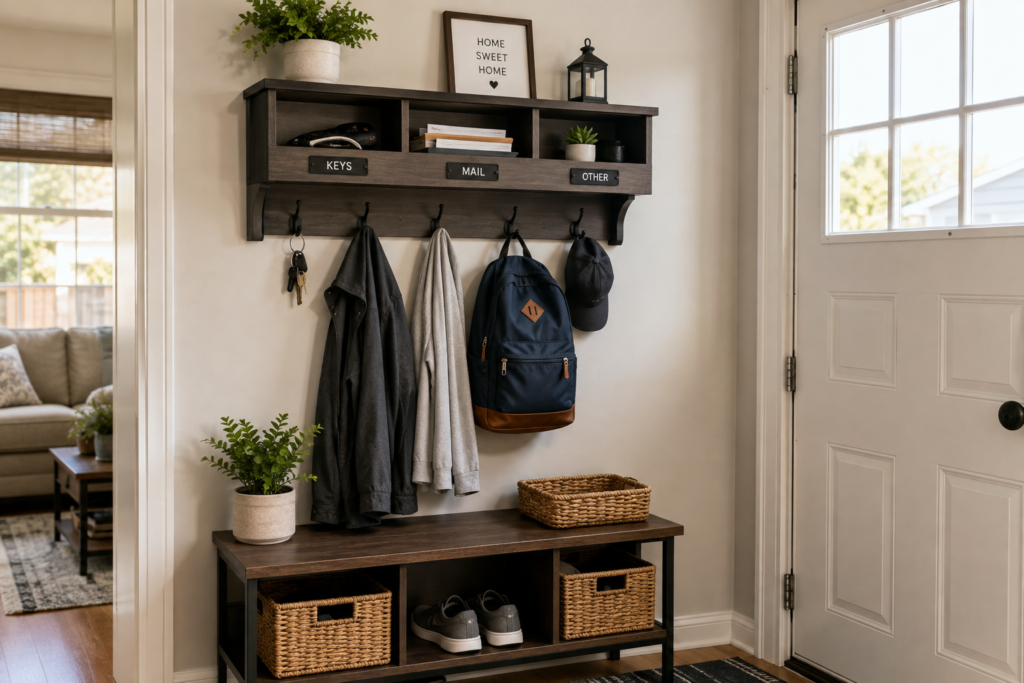
5. Put a Drop Zone Beside the Door You Actually Use

Not the beautiful front entry nobody enters through.

The door everybody really uses.

If your family comes through the garage carrying keys, backpacks, purses, mail, sunglasses and assorted evidence of the outside world, give those things somewhere to land.

A simple drop zone might include:

  • Hooks
  • A small shelf
  • Baskets
  • A mail tray
  • Shoe storage
  • A key holder

This isn’t just an organization upgrade.

It’s a “where are my keys?” prevention system.

Key and Mail Organizer

6. Replace One Annoying Showerhead

There are few household disappointments quite like standing underneath a showerhead that produces approximately nine drops of water.

You don’t have to renovate the bathroom to improve your shower.

Replacing an old showerhead can improve spray patterns, adjustability and the overall experience considerably. Handheld models can also make rinsing the shower, washing pets and other cleaning jobs easier.

Just check your local water-use requirements and the specifications before buying.

It’s a relatively inexpensive upgrade you can appreciate every single day.

High Pressure Handheld Shower Head

7. Add Soft-Close Hardware Where Things Slam

Once you’ve had soft-close drawers, a regular drawer feels surprisingly aggressive.

BANG.

Well, good morning to you too, silverware drawer.

Depending on your cabinetry, you may be able to retrofit existing doors and drawers with soft-close hinges, dampers, or slides rather than replacing the cabinets themselves.

It’s especially nice in kitchens, bathrooms and anywhere somebody gets ready while another person is sleeping.

Will soft-close cabinets change your life?

No.

Will you become irrationally annoyed by cabinets without them afterward?

Possibly.

Soft Close Drawer Slides

8. Install a Better Closet System

Many closets aren’t actually too small.

They’re just terribly designed.

One rod stretched across an empty box wastes an enormous amount of usable space.

Adding a second hanging rod, shelves, drawers, baskets or adjustable components can turn the same closet into something considerably more useful.

And don’t automatically buy an elaborate closet system.

First look at what you own.

If you have lots of shoes, prioritize shoe storage. If you mostly wear folded clothes, add shelves or drawers. If dresses make up half your wardrobe, don’t install double rods everywhere.

Build the closet around your stuff—not somebody else’s Pinterest closet.

Wall Mounted Closet System

9. Put a Full-Length Mirror Where You Actually Get Dressed

A full-length mirror is one of those things you don’t think much about until you live in a house without one.

Then you’re standing on the other side of the room trying to see your shoes in a bathroom mirror that stops at your waist.

You don’t need floor space for a big leaning mirror, either. The back of a bedroom, bathroom, or closet door can be the perfect spot for one—especially in a smaller room.

It’s useful for the obvious reason: you can actually see your whole outfit before you leave the house.

But a well-placed mirror can also bounce light around a darker room and make a small space feel a little more open.

If you’ve got an unused door and approximately five minutes, this may be one of the easiest upgrades on the entire list.

And once you get used to having one, you’ll probably want one in every house after that.

Full Length Mirror Over the Door

10. Replace Bad Power Strips With a Real Charging Setup

Look behind your television or desk.

Actually…

Maybe don’t. 😂

If it’s an octopus of cords, adapters and mystery cables, a better cable-management and charging setup can make a surprisingly big difference.

Use appropriately rated surge protection where needed, shorten unnecessarily long cords when possible, label cables you can never identify, and mount a power strip rather than letting it flop around on the floor.

It’s not glamorous.

But the next time you need to unplug the printer and don’t accidentally disconnect the entire internet, you’ll understand why it made the list.

Under Desk Cable Management 

11. Put Hooks in the Places Where Things Already Land

This may be the cheapest upgrade here.

If towels constantly end up on the bathroom floor, maybe you need another hook.

If your robe lives on a chair, put a hook beside the bed.

If reusable grocery bags pile up near the garage door, hang them there.

If headphones are permanently draped over your desk, give them a hook underneath it.

Pay attention to the places where things naturally accumulate.

Sometimes your house is practically telling you where the hook belongs.

Over the Door Hanger

12. Add Dimmers to the Lights You Use Most

There are times when you need to see everything.

And there are times when nobody needs the kitchen illuminated like an operating room.

Dimmers let the same room work differently throughout the day—bright for cooking or cleaning, softer for dinner or winding down in the evening.

Bedrooms, living rooms, dining areas and kitchens are obvious candidates.

Just make sure the switch, fixture, and bulbs are compatible, and hire an electrician if you’re not comfortable doing electrical work.

This is one of those small upgrades that doesn’t add more stuff to your home.

It simply makes the home you already have feel better.

Smart Dimmer Switch

The Best Home Upgrades Fix Something That Bugs You

Here’s the easiest way to decide which little home upgrade is worth doing first:

What annoys you every day?

Not what looks impressive online.

Not what somebody says every modern home “must have.”

What makes you mutter under your breath?

The dark pantry?

The cabinet you hate reaching into?

The pile of backpacks by the garage door?

The showerhead you have personally insulted on multiple occasions?

Start there.

A $25 improvement that solves a problem you encounter twice a day can be more satisfying than a $2,500 improvement you barely notice.

Final Thoughts

The little inconveniences in a house are easy to tolerate because none of them seem important enough to fix.

So we keep crawling under desks looking for outlets.

We keep digging through dark cabinets.

We keep moving the same pile of stuff off the kitchen counter.

And then one Saturday you spend twenty minutes fixing the problem and think:

Why didn’t I do this three years ago?

These little home upgrades are my favorite kind.

They don’t necessarily make your house dramatically prettier or increase its value by thousands of dollars.

They just make living there easier.

And considering how much time we spend at home, that’s a pretty good return on twenty minutes and a screwdriver.

You Might Also Enjoy

Why Does My House Still Look Cluttered
House & Home

Why Does My House Still Look Cluttered After I Clean It? 10 Things to Check

You cleaned the kitchen.

You vacuumed. You dusted. You wiped down the bathrooms. Maybe you even did that annoying little strip of floor between the refrigerator and the cabinets that nobody notices until something sticky lands there.

So why does the house still look cluttered?

What gives?

The problem may not be that your house isn’t clean. Clean and uncluttered aren’t the same thing.

You can have spotless countertops covered with appliances, a freshly dusted bookshelf packed with stuff, and a perfectly vacuumed living room containing seventeen things that don’t actually belong there.

If you’ve ever finished cleaning and wondered why your house somehow still looks messy, don’t start cleaning it all over again.

Look for these instead.

Affiliate disclosure: This article contains affiliate links. If you make a purchase through one of these links, I may earn a commission at no additional cost to you. As an Amazon Associate, I earn from qualifying purchases.

1. There’s Too Much Stuff Sitting on Your Flat Surfaces

Start here because this is one of the easiest things to spot.

Look at your:

  • Kitchen counters
  • Bathroom counters
  • Coffee table
  • Nightstands
  • Dresser
  • Dining table
  • Entryway table

How much stuff lives there permanently?

A clean kitchen counter can still look cluttered when it’s holding a toaster, blender, knife block, coffee maker, utensil crock, paper towel holder, fruit bowl, vitamins, mail and three things somebody set down “for a minute” on Tuesday.

You don’t need bare counters.

But try removing a few things and see what happens.

The goal isn’t empty. It’s breathing room.

If you use the toaster every morning, leave it out. If you use the blender twice a month, maybe it doesn’t need prime kitchen real estate.

2. Your Everyday Stuff Doesn’t Have an Everyday Home

Why Does My House Still Look Cluttered_shelf

Key Holder Wall Mount, Wooden Key and Mail Organizer

This is the one that gets me.

Keys come in.

Mail comes in.

Shoes come off.

Sunglasses get tossed somewhere.

Chargers migrate around the house like they’re searching for a better life.

If the things you use every day don’t have an obvious place to go, they’re going to live on whatever horizontal surface happens to be nearby.

Instead of trying harder to “put things away,” make putting them away ridiculously easy.

Put a basket where shoes actually get kicked off.

Put hooks where bags actually land.

Put a small tray where keys actually get dropped.

Notice the important word there:

Actually.

Don’t build an organization system around where you think your family should put things.

Watch where everybody already puts them and work with that.

3. You Clean Around Clutter Instead of Removing It

I’ve done this.

Pick up pile.

Wipe counter.

Put pile back.

Ta-da! Clean pile. 😂

Cleaning removes dirt.

Decluttering removes things you don’t need, use, want, or have room for.

Sometimes you need both.

Before your next cleaning session, choose just one cluttered area—a bathroom drawer, kitchen counter, coffee table or one shelf—and deal with the stuff before you clean the surface.

Throw away trash.

Put wandering items where they belong.

Donate things you don’t use.

Then clean.

That one little area will probably look noticeably better than everything you merely dusted around.

4. Your Storage Is Full

Here’s a sneaky one.

Sometimes the problem isn’t that you need better baskets.

You don’t have anywhere left to put anything.

Open your cabinets and closets.

Are they packed?

Do you have to shove things aside to put something away?

Does putting away one clean towel require rearranging twelve other towels?

When your hidden storage is stuffed to capacity, everyday belongings start spilling into visible areas.

Before buying another organizer, ask whether the space actually needs less stuff.

A prettier container doesn’t magically create another closet.

5. You’ve Got Too Many Little Things Everywhere

A room can contain a reasonable amount of stuff and still look busy when everything is visually scattered.

Why Does My House Still Look Cluttered_bathroom organizer

Bathroom Countertop Organizer

Five bottles lined up individually on the bathroom counter look like five separate things.

Put the same bottles together on a tray and your eye tends to read them as one little group.

Same amount of stuff.

Different visual effect.

Trays, baskets and containers can be especially useful for things you genuinely use and want accessible:

  • Cooking oils beside the stove
  • Toiletries on the bathroom counter
  • Remotes on the coffee table
  • Coffee supplies
  • Kids’ art supplies
  • Everyday skincare

But don’t use baskets to avoid making decisions.

A basket full of junk is still junk. It just has handles now.

6. Paper Is Quietly Taking Over Your House

Paper has an amazing ability to look harmless one sheet at a time.

Then suddenly there’s a pile.

Mail, school papers, receipts, coupons, forms, magazines, warranties, appointment reminders…

And because some of it might be important, nobody wants to throw anything away.

Give incoming paper a very short path:

Trash/recycle it. Act on it. File it.

That’s basically it.

A small inbox or tray can hold things that need attention, but give yourself a limit. When the tray is full, it’s time to deal with it.

Otherwise you’ve invented a decorative paper landfill.

7. You Own Too Many Duplicates

Go look under the kitchen sink.

I’ll wait. 😂

How many half-used cleaning products are in there?

Now try your bathroom cabinet.

Three nearly identical lotions? Five hair products you don’t use? Enough travel-size toiletries to open a tiny hotel?

Duplicates quietly consume storage.

Sometimes they’re useful. Having two sets of sheets isn’t exactly a hoarding crisis.

But if you’re constantly struggling for space, look for categories where you’ve accumulated far more than you realistically use.

Keep your favorites.

Use up what you can.

Stop buying the thing you apparently already own seven of.

8. Your “Just in Case” Stuff Has Taken Over

Some things are worth keeping just in case.

A basic tool kit? Absolutely.

Extra batteries? Sure.

The mysterious cable that belonged to an electronic device you haven’t owned since 2017?

We may be stretching the definition of emergency preparedness.

If letting things go is difficult, make a maybe box.

Put questionable items inside, write the date on it, and store it somewhere out of the way.

If months go by and you never need anything in the box, deciding what to do with it may be considerably easier.

You don’t have to become a minimalist.

You just need enough room for the things you actually use.

9. You’ve Filled Every Available Inch of the Room

This happens with decor as much as ordinary clutter.

Every wall doesn’t need something on it.

Every shelf doesn’t need to be full.

Every corner doesn’t need a basket, plant, chair, lamp or decorative ladder whose primary occupation is holding a blanket.

Leaving some open space gives your eyes somewhere to rest.

Try removing a few decorative items from a room—not permanently, just as an experiment.

Take a photo before and after.

You may be surprised by how much calmer the room feels when everything isn’t competing for attention.

10. The Clutter Keeps Coming Back to the Same Places

This may be the most useful clue of all.

If the kitchen island is messy every single evening, don’t just clear it again.

Ask why.

Are backpacks landing there because there’s nowhere near the door to put them?

Is mail piling up because nobody has decided what happens to it?

Are shoes collecting beside the sofa because the shoe storage is inconvenient?

Does clean laundry live on a chair because the closet is overcrowded?

Recurring clutter isn’t always a discipline problem.

Sometimes it’s a system problem.

The messy spot is telling you exactly where your current setup isn’t working.

Fix that, and you may stop cleaning the same pile over and over.

Before You Buy Another Organizer…

This deserves its own section because organization products are dangerous when you’re frustrated.

You see a beautiful row of matching containers and think:

THAT’S IT. Those bins will finally fix my life.

Maybe.

But first decide:

  1. What exactly needs to be stored?
  2. Do I actually need to keep all of it?
  3. Where would using this item be most convenient?
  4. What size storage do I actually need?
  5. Will everyone in the house realistically use this system?

Declutter first. Organize second. Shop third.

Otherwise you may simply spend $87 to make your clutter coordinate.

Try the 10-Minute Clutter Test

If your house is clean but still looks messy, don’t tackle the whole thing.

Set a timer for ten minutes.

Choose the room bothering you most and remove only visual clutter.

Don’t vacuum.

Don’t dust.

Don’t scrub anything.

Clear things that don’t belong. Reduce crowded surfaces. Group the things that stay. Put obvious wandering objects away.

Then stop and look at the room.

If it suddenly looks considerably cleaner even though you didn’t technically clean anything…

You’ve found the problem.

Final Thoughts

If your house still looks cluttered after you clean it, that doesn’t necessarily mean you need to clean more.

You may need less stuff on the counters.

A better landing spot for everyday things.

Some breathing room on your shelves.

Less paper.

Less “just in case.”

Or simply a storage system designed around how your household actually behaves.

Start with the clutter spot that annoys you the most and figure out why it keeps happening.

You don’t need a perfectly organized house.

You need a house where putting things away isn’t harder than leaving them out.

And if you discover you’ve been carefully dusting the same pile of clutter every Saturday…

At least now you can stop polishing it. 😂

You Might Also Enjoy

sustainable home decor trends
House & Home

10 Sustainable Home Decor Trends to Embrace

Sustainable home decor has moved from niche interest to a vital part of modern living spaces, reflecting a growing desire to make eco-friendly choices without sacrificing style. Many homeowners and renters alike seek ways to refresh their interiors with materials and designs that minimize environmental impact while enhancing comfort and function. Embracing sustainable trends can help reduce waste, support ethical production, and create a healthier home environment.

Incorporating these trends doesn’t require a complete overhaul or a large budget. Instead, practical changes—from choosing natural fibers to repurposing old items—can make a meaningful difference. Here are ten sustainable home decor trends that blend beauty and responsibility, offering ideas for every room and lifestyle.

Affiliate disclosure: This article contains affiliate links. If you make a purchase through one of these links, I may earn a commission at no additional cost to you. As an Amazon Associate, I earn from qualifying purchases.


1. Reclaimed Wood Furniture Pieces

sustainable home decor trends; salvaged wood

Reclaimed wood furniture uses wood salvaged from old buildings, barns, or other structures, giving it a second life as chairs, tables, or shelving. These pieces often showcase unique grains and textures not found in newly sourced wood. Ideal for homeowners or renters looking for durable, one-of-a-kind furniture, reclaimed wood adds warmth and character to living rooms, dining areas, or bedrooms.

Why it stands out: By reusing existing materials, reclaimed wood furniture reduces demand for new lumber and lowers the environmental footprint associated with furniture production.


2. Organic Cotton and Linen Textiles

👉 View on Amazon →

Textiles made from organic cotton or linen avoid synthetic pesticides and fertilizers, making them gentler on the environment and often softer on the skin. These fabrics are commonly found in curtains, throw pillows, bedding, and upholstery. They suit anyone seeking natural, breathable materials that also support sustainable farming practices.

Why it stands out: Organic textiles offer a practical, affordable way to replace synthetic fabrics, improving indoor air quality and reducing chemical exposure.


3. Indoor Plants for Air Quality and Style

👉 View on Amazon →

Incorporating indoor plants is a trend that blends sustainability with wellness. Plants like snake plants, pothos, and peace lilies naturally filter airborne toxins while adding greenery that softens and enlivens any room. They fit well in small apartments or large homes, require minimal care, and are budget-friendly for planters.

Why it stands out: Beyond aesthetics, indoor plants improve indoor air quality and create a calming atmosphere, making them a sustainable decor choice with clear functional benefits.


4. Upcycled and Vintage Decor Items

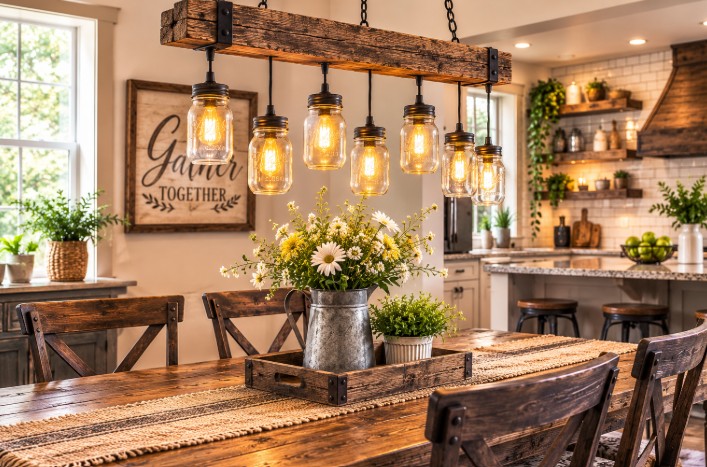
Upcycling transforms old or discarded items into fresh decor pieces, such as turning glass jars into light fixtures or repurposing vintage suitcases as storage benches. Vintage decor sourced from thrift stores or online markets introduces character and history without the environmental cost of new manufacturing. These choices work especially well for renters or those on a budget who want unique, sustainable accents.

Why it stands out: Upcycled and vintage pieces reduce waste and promote creativity, often requiring less investment than buying new.


5. Natural Fiber Rugs

👉 View on Amazon →

Rugs made from jute, sisal, coir, or wool are sustainable alternatives to synthetic carpets. These natural fibers biodegrade more easily and are often harvested with lower environmental impact. Available in various textures and patterns, these rugs enhance living rooms, bedrooms, or entryways with earthy tones and durability suited for high-traffic areas.

Why it stands out: Natural fiber rugs balance comfort, style, and sustainability by using renewable materials that typically require less processing.


6. Low-VOC and Natural Paints

👉 View on Amazon →

Choosing paints with low volatile organic compounds (VOCs) or natural ingredients reduces harmful fumes during application and over time. These paints come in many colors and finishes and can be used in any room, including nurseries and bedrooms where air quality matters most. They are a practical option for anyone repainting or refreshing walls with health and sustainability in mind.

Why it stands out: Low-VOC paints improve indoor air quality and reduce environmental impact without compromising color or coverage.


7. Energy-Efficient Lighting Fixtures

👉 View on Amazon →

Energy-efficient lighting, such as LED bulbs and fixtures designed to maximize light output, reduces electricity consumption and related emissions. These fixtures come in modern and vintage-inspired designs, suitable for task lighting, ambient light, or decorative accents in kitchens, offices, and living spaces. Using energy-efficient lighting benefits those aiming to lower utility bills and carbon footprints.

Why it stands out: Energy-efficient lighting significantly reduces energy use, offering long-term savings and environmental benefits while effectively brightening the home.


8. Biodegradable Tableware and Accessories

👉 View on Amazon →

Biodegradable tableware—such as bamboo plates, utensils, and serving trays—and accessories like coasters or planters made from natural or recycled materials offer sustainable alternatives to plastic. These items combine function with eco-consciousness and are especially helpful for casual dining areas, outdoor spaces, or entertaining setups.

Why it stands out: These products reduce plastic waste and support composting or recycling efforts, aligning everyday use with sustainability goals.


9. Modular and Multifunctional Furniture

👉 View on Amazon →

Modular furniture includes pieces that can be rearranged or expanded to suit changing needs, while multifunctional furniture serves more than one purpose—like a sofa bed or storage ottoman. These designs maximize space efficiency, reduce the need for excess furniture, and often incorporate sustainable materials. They suit small-space dwellers, renters, and anyone valuing adaptability.

Why it stands out: Modular and multifunctional furniture supports sustainable living by reducing clutter, extending the life of furniture, and adapting to evolving household needs.


10. Natural and Handmade Decorative Accents

👉 View on Amazon →

Decorative accents crafted from natural materials—such as woven baskets, ceramic vases, or hand-carved wooden objects—offer artisanal charm alongside sustainability. Handmade items typically support small businesses or local artisans and avoid mass production impacts. These accents can personalize any room with texture and warmth while reflecting mindful consumption.

Why it stands out: Choosing natural, handmade decor fosters connection to craftsmanship and reduces reliance on resource-intensive manufacturing.


Final Thoughts

Adopting sustainable home decor trends offers practical benefits beyond style, including healthier indoor environments and reduced environmental impact. Whether through choosing organic textiles, adding plants, or selecting energy-efficient lighting, these ideas offer ways to create a more comfortable and functional home while supporting broader sustainability goals. Each choice can be tailored to fit budgets, spaces, and lifestyles, proving that responsible decorating doesn’t require compromise.

For readers looking to refresh their homes, blending these sustainable trends with personal tastes and daily needs can lead to thoughtful, enjoyable spaces that feel good to live in and kind to the planet. Practicality and beauty coexist in these trends, making it easier to embrace sustainability as part of everyday home life.


You Might Also Enjoy

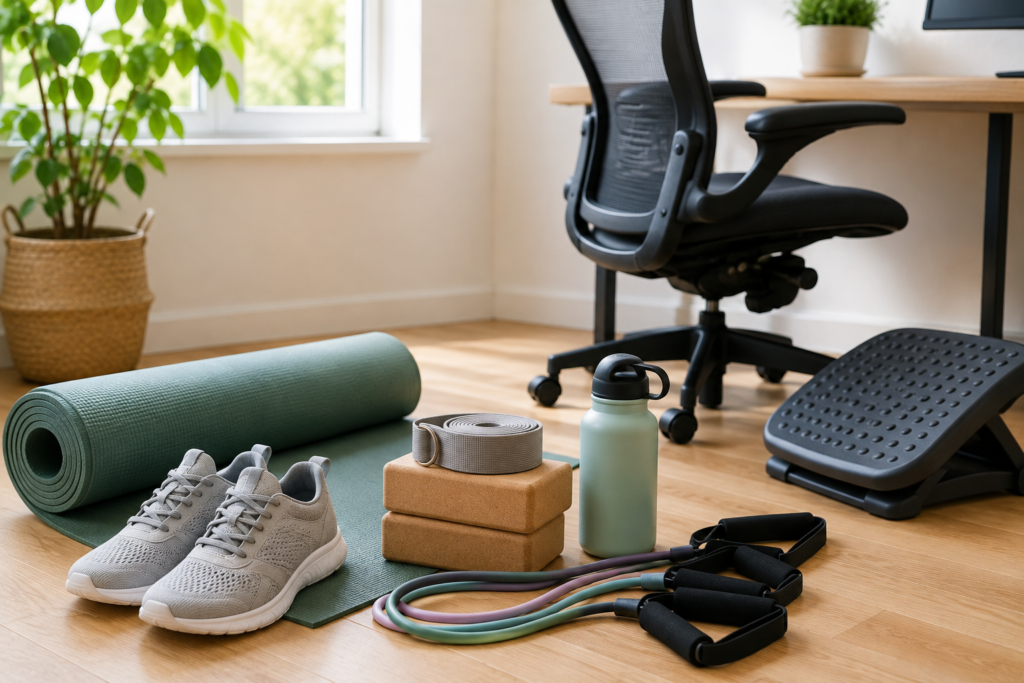
Home Office Essentials
House & Home

Stylish and Functional Home Office Essentials for Remote Work

Creating a home office space that combines style and functionality can be a game-changer for remote work. With more people working from home, finding essentials that enhance comfort and productivity without sacrificing aesthetic appeal is a common challenge. Choosing the right items helps streamline daily tasks, reduce clutter, and create an inviting environment that supports focus and creativity.

This article explores a selection of home office essentials designed to meet various needs and budgets, making it easier to set up or upgrade a workspace that feels both practical and polished.

Affiliate disclosure: This article contains affiliate links. If you make a purchase through one of these links, I may earn a commission at no additional cost to you. As an Amazon Associate I earn from qualifying purchases.


Product Roundup Overview

Setting up a remote workspace involves more than just a desk and chair. The right combination of furniture, accessories, and technology can address common issues such as poor posture, lack of organization, and uninspiring surroundings. This roundup covers a range of essentials including ergonomic seating, adjustable desks, lighting solutions, and organizational tools that collectively support a balanced work-from-home routine.

Each product has been selected for its ability to improve everyday functionality while maintaining a clean, stylish look. Whether the goal is to improve comfort during long hours of work or to add finishing touches that make the space inviting, these options offer practical benefits suited to diverse lifestyles and budgets.


What to Consider Before Choosing

Selecting home office essentials requires assessing your unique work habits, space constraints, and budget. Key considerations include:

  • Ergonomics: Comfort is crucial for long work sessions. Look for adjustable chairs and desks that support healthy posture and reduce strain.
  • Space: Measure your available room to ensure furniture fits comfortably without overcrowding.
  • Style: Choose items that complement your home décor to create a cohesive, motivating environment.
  • Functionality: Prioritize solutions that offer multiple uses or storage to maximize efficiency.
  • Budget: Identify affordable options alongside premium choices to find what fits your budget.
  • Maintenance: Consider materials and designs that are easy to clean and durable for long-term use.

Balancing these factors helps avoid overbuying or settling for items that don’t truly enhance the work experience.


Featured Products

1. Autonomous SmartDesk Core

👉 View on Amazon →

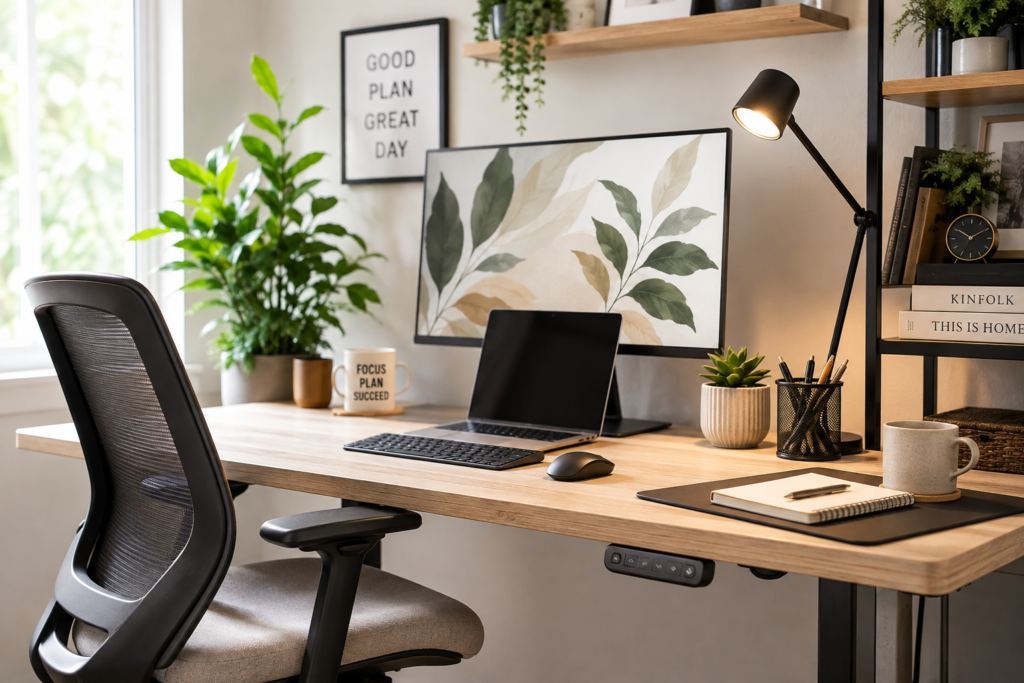
This adjustable standing desk allows users to easily switch between sitting and standing positions, promoting better circulation and reducing fatigue. The minimalist design features a spacious surface suitable for multiple monitors or laptops, plus cable management to keep cords tidy. It’s ideal for professionals who want to create a flexible workspace that adapts to daily needs.

Why it stands out: The height adjustability supports ergonomic health and encourages movement, which can boost productivity and comfort during extended work hours.


2. Amazon Basics Mesh Task Chair

👉 View on Amazon →

This budget-friendly task chair features breathable mesh fabric and adjustable height, offering basic ergonomic support. Its swivel base and rolling casters add mobility, while the simple design fits well in both casual and more polished home office setups. It’s a practical choice for those starting to build their workspace without a hefty investment.

Why it stands out: Provides essential ergonomic features at an accessible price point, making it easier to improve seating comfort without overspending.


3. LED Desk Lamp

👉 View on Amazon →

An adjustable LED desk lamp with multiple brightness levels and color temperature settings, this lamp helps reduce eye strain during late-night work sessions. Its sleek design and touch controls make it a stylish and functional accessory for any desk. The lamp’s compact base frees up workspace while offering consistent, flicker-free lighting.

Why it stands out: Enhances visual comfort and focus with customizable lighting that adapts to different tasks and times of day.


4. SimpleHouseware Mesh Desk Organizer

👉 View on Amazon →

This organizer provides compartments for papers, stationery, and small electronics, helping reduce clutter on the desktop. Its mesh design keeps items visible and accessible, while the compact footprint fits neatly in smaller spaces. It’s a straightforward solution for keeping essentials in order without bulky storage units.

Why it stands out: Offers practical organization that saves time searching for items and maintains a tidy, efficient workspace.


5. Fellowes Under-Desk Footrest

👉 View on Amazon →

Designed to improve posture and circulation, this adjustable footrest encourages proper leg positioning while seated. Its textured surface provides comfort and stability, and the compact size fits easily under most desks. It’s particularly helpful for shorter individuals or anyone seeking additional ergonomic support.

Why it stands out: Supports better body alignment to reduce discomfort during long periods of sitting.


6. Logitech MX Master 3 Wireless Mouse

👉 View on Amazon →

This high-precision wireless mouse offers customizable buttons and ergonomic design suited for extensive computer use. Its smooth scrolling and responsive tracking make navigating documents and creative tasks easier. The device is compatible with multiple operating systems, making it versatile for various setups.

Why it stands out: Enhances efficiency and comfort with features tailored to professional workflows.


7. Blue Light Blocking Glasses by Cyxus

👉 View on Amazon →

These glasses help filter harmful blue light emitted by screens, potentially reducing eye strain and improving sleep quality. With a stylish frame, they blend seamlessly into everyday wear. They’re a useful accessory for anyone spending extended hours on digital devices.

Why it stands out: Supports eye health during prolonged screen time without compromising style.


8. VIVO Dual Monitor Mount

👉 View on Amazon →

This adjustable dual monitor mount frees up desk space by elevating screens to eye level, promoting better posture. It offers wide compatibility with various monitor sizes and easy adjustability for optimal viewing angles. It’s an effective solution for multitaskers needing more screen real estate without clutter.

Why it stands out: Maximizes desk space and ergonomic comfort for users with multiple monitors.


9. Cork Bulletin Board Wall Organizer

👉 View on Amazon →

A cork bulletin board adds a tactile, visual element to organize notes, reminders, and inspirational items. Mounted on the wall, it keeps important information within sight without taking up desk space. It complements a variety of décor styles and encourages a more organized workflow.

Why it stands out: Provides an accessible, low-tech way to keep track of tasks and ideas, reducing digital clutter.


10. Office Chair Mat for Hardwood Floor & Tile Floor

👉 View on Amazon →

Adding a durable, non-slip mat under the desk can define a workspace while protecting floors. This mat offers comfort and stability and helps absorb noise, creating a more pleasant environment. Multiple design options fit a range of interior styles.

Why it stands out: Enhances both comfort and style, making the office area feel more inviting and cozy.


How the Options Compare

When evaluating these essentials, several shared criteria help distinguish their suitability:

  • Value: The Amazon Basics Mesh Chair and SimpleHouseware Organizer offer affordability without sacrificing core functionality, making them accessible starting points.
  • Durability: Items like the Autonomous SmartDesk and VIVO Monitor Mount are constructed for long-term use, supporting heavier equipment and frequent adjustments.
  • Ease of Use: The TaoTronics Desk Lamp and Logitech Mouse prioritize intuitive controls and user comfort, enhancing daily usability.
  • Maintenance: Mesh and fabric materials in chairs and organizers generally require minimal upkeep, while electronic devices need occasional care.
  • Intended Use: Adjustable desks and ergonomic accessories target health and posture improvement, while organizational tools focus on decluttering and efficiency.

This range allows readers to tailor their choices based on which factors align most closely with their workspace challenges and preferences.

Best Choice for Different Needs

For Budget-Conscious Buyers

The Amazon Basics Mesh Task Chair and SimpleHouseware Mesh Desk Organizer provide essential comfort and organization without a high price tag, making them suitable for those setting up a home office on a budget.

For Ergonomic Support Seekers

The Autonomous SmartDesk Core combined with the Fellowes Under-Desk Footrest offers a comprehensive approach to maintaining good posture and preventing fatigue.

For Tech-Savvy Professionals

The Logitech MX Master 3 Mouse and VIVO Dual Monitor Mount cater to users who rely heavily on technology, facilitating smoother workflows and multitasking capabilities.

For Style and Ambiance Enhancers

TaoTronics LED Desk Lamp and Gorilla Grip Area Rug add subtle style elements while improving work environment comfort and lighting quality.

For Organization Enthusiasts

SimpleHouseware Mesh Desk Organizer and Cork Bulletin Board Wall Organizer help keep tasks and materials orderly, reducing distractions caused by clutter.

Final Thoughts

Equipping a home office with stylish and functional essentials can significantly improve the remote work experience. Thoughtful choices that address comfort, organization, lighting, and technology needs contribute to a workspace that supports productivity and well-being. With options ranging from affordable basics to more advanced ergonomic tools, it’s possible to create an environment tailored to individual preferences and constraints.

Considering the balance between aesthetics and practicality ensures that a workspace not only looks inviting but also helps reduce stress and streamline daily routines. Whether starting fresh or upgrading an existing setup, these essentials offer manageable, realistic improvements that can make remote work more enjoyable and efficient.

Frequently Asked Questions

What are the most important features to look for in a home office chair?

Comfort and ergonomic support are key, including adjustable height, lumbar support, and breathable materials. Mobility features such as swivels and casters can also enhance usability.

How does an adjustable standing desk benefit remote workers?

It allows switching between sitting and standing positions, which can improve circulation, reduce muscle fatigue, and increase energy levels throughout the workday.

Can lighting really affect productivity when working from home?

Yes, proper lighting reduces eye strain and helps maintain focus. Adjustable brightness and color temperature settings allow adaptation to different tasks and times of day.

Are blue-light-blocking glasses worth using for remote work?

They may help reduce eye strain caused by prolonged screen exposure and improve sleep quality by filtering blue light, though individual results can vary.

How can I keep my home office organized without taking up too much space?

Using compact organizers like mesh desk trays, wall-mounted bulletin boards, and monitor mounts can maximize space while keeping essential items accessible and tidy.

You Might Also Enjoy

Essential Home Office Accessories
House & Home

Essential Home Office Accessories You Didn’t Know You Needed

Creating an efficient and comfortable home office goes beyond just a desk and a chair. Often, small but well-chosen accessories can make a significant difference in productivity and comfort. Whether working remotely full-time or managing occasional tasks from home, having the right tools can streamline daily routines and reduce clutter.

This article explores essential home office accessories you might not have considered but could greatly enhance your workspace. From improving organization to boosting comfort, these items are practical additions designed to fit various lifestyles and budgets.

Affiliate disclosure: This article contains affiliate links. If you make a purchase through one of these links, I may earn a commission at no additional cost to you. As an Amazon Associate I earn from qualifying purchases.


Product Roundup Overview

Identifying essential home office accessories is about focusing on items that solve everyday problems in a simple, affordable way. This roundup highlights practical tools that improve organization, comfort, and efficiency without overwhelming the workspace or budget. The selections prioritize versatility and ease of use, helping users create a workspace that supports concentration and reduces stress.


What to Consider Before Choosing

Before selecting accessories, consider the specific challenges faced in the home office. Is clutter a persistent issue? Do you struggle with lighting during late hours? Is ergonomics a concern for long working days? Budget and available space also play crucial roles—some accessories suit small desks better, while others require more room.

Evaluating your workflow can help pinpoint which accessories will have the most impact. For example, frequent note-takers may benefit from a smart notebook or digital tools, while those who handle paperwork might prefer efficient filing solutions. Additionally, durability and maintenance should factor into the decision to ensure the items remain practical over time.


Featured Products

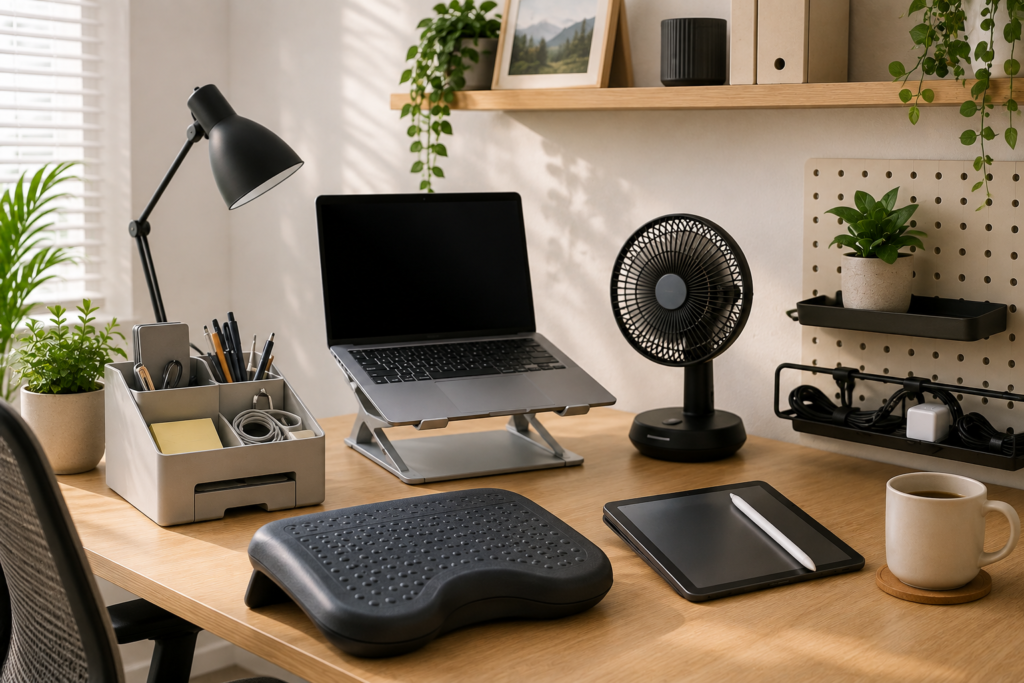
1. Adjustable Desk Organizer

👉 View on Amazon →

This desk organizer features multiple compartments with adjustable dividers, allowing you to customize it to fit various office supplies such as pens, sticky notes, cables, and chargers. Its modular design makes it adaptable to different desk sizes and layouts. Ideal for those who find their workspace cluttered, it helps keep essentials within reach without crowding the surface.

Why it stands out: By consolidating scattered items into a single organized space, it reduces distractions and streamlines daily tasks.

2. Clip-On Desk Lamp

👉 View on Amazon →

A clip-on desk lamp offers flexible lighting and easily attaches to desks or shelves without taking up extra surface area. Many models provide adjustable brightness and color temperature, making it easier to reduce eye strain during long hours. This accessory suits small spaces and is ideal for users needing direct, focused light without overhead fixtures.

Why it stands out: It enhances visibility and comfort for detailed tasks without requiring a dedicated lamp base.


3. Ergonomic Footrest

👉 View on Amazon →

An ergonomic footrest promotes better posture by supporting the feet, relieving pressure on the lower back. Its adjustable height and angle accommodate different seating positions. This accessory benefits those who spend extended periods seated, helping reduce fatigue and improve circulation.

Why it stands out: It helps prevent discomfort and supports healthier sitting habits, contributing to overall well-being during work hours.


4. Cable Management System

👉 View on Amazon →

This system includes clips, sleeves, and under-desk trays designed to organize and conceal cables. Managing cords prevents tangling and keeps the workspace neat, reducing the risk of accidents or equipment damage. It is particularly useful for setups with multiple devices such as monitors, printers, and chargers.

Why it stands out: It simplifies cable clutter, making the workspace safer and visually cleaner.


5. Noise-Cancelling Desk Fan

👉 View on Amazon →

A compact desk fan with noise-canceling features provides gentle airflow while minimizing distracting sounds. It helps maintain a comfortable temperature without affecting concentration. This is a practical addition for rooms without optimal climate control, especially during warm seasons.

Why it stands out: It balances comfort and quiet, supporting focus without adding background noise.


6. Digital Note-Taking Tablet

👉 View on Amazon →

This tablet allows users to write or sketch digitally with a stylus, saving notes directly to the cloud or to the device’s storage. It reduces paper waste and keeps ideas organized in one accessible place. Ideal for creative professionals or anyone who prefers handwritten notes but wants the convenience of digital storage.

Why it stands out: It streamlines note-taking and reduces desk clutter by replacing multiple notebooks.


7. Adjustable Laptop Stand

👉 View on Amazon →

An adjustable laptop stand elevates the screen to eye level, promoting better posture and reducing neck strain. Many models fold for portability and include ventilation to prevent overheating. This accessory is particularly helpful for those using laptops as their primary work device.

Why it stands out: It supports ergonomic comfort and device cooling, enhancing both health and equipment longevity.


8. Wireless Charging Pad

👉 View on Amazon →

A wireless charging pad offers cord-free power for compatible smartphones and accessories. It reduces cable clutter and allows quick access to devices while charging. Compact and easy to place on any desk, it suits users who prefer a minimalistic setup.

Why it stands out: It simplifies charging routines and keeps essentials powered without extra cords.


9. Desktop Whiteboard

👉 View on Amazon →

A small desktop whiteboard provides a reusable surface for jotting reminders, to-do lists, or brainstorming ideas. It keeps important notes visible without paper waste and can be easily updated. This accessory benefits users who appreciate visual organization and prefer tactile interaction.

Why it stands out: It offers a flexible, eco-friendly way to manage tasks and ideas within arm’s reach.


10. Under-Desk Storage Drawer

👉 View on Amazon →

An under-desk drawer attaches discreetly beneath a tabletop, offering additional storage without using surface space. It’s suitable for storing documents, office supplies, or personal items, helping maintain a tidy desktop. This accessory works well for those with limited desk space needing extra organization.

Why it stands out: It maximizes storage while preserving desk area for active work.


How the Options Compare

When comparing these accessories, several factors come into play: functionality, space requirements, and user needs. Adjustable organizers and under-desk drawers address clutter but differ in footprint—organizers sit on top, while drawers free surface space. Lighting solutions like clip-on lamps are versatile for small spaces, whereas floor lamps need more room.

Ergonomic items such as footrests and laptop stands prioritize comfort and health, with adjustable features that cater to individual preferences. Digital tools, including note-taking tablets and wireless chargers, lean toward tech-savvy users seeking streamlined workflows. Meanwhile, cable management systems and desktop whiteboards provide practical organization without complex setup.

Durability and ease of cleaning also vary; for example, plastic organizers are easy to wipe down, while fabric-covered footrests may require more care. Balancing budget with intended use helps determine which accessory offers the best value.


Best Choice for Different Needs

For Small Spaces

Clip-on desk lamps and under-desk storage drawers suit compact setups by maximizing surface area and minimizing clutter.

For Comfort and Ergonomics

Adjustable laptop stands and ergonomic footrests help maintain healthy posture during long work hours.

For Organization Enthusiasts

Adjustable desk organizers and cable management systems provide comprehensive solutions for keeping supplies and cords organized.

For Tech-Savvy Users

Digital note-taking tablets and wireless charging pads cater to those who prefer integrating technology into their workflow.

For Temperature Control

Noise-canceling desk fans offer a quiet way to maintain comfort in rooms without ideal climate control.


Final Thoughts

Choosing the right home office accessories requires considering daily habits, workspace limitations, and personal comfort. The products covered here address common issues such as clutter, poor lighting, discomfort, and disorganization in practical ways. Incorporating even one or two of these items can enhance efficiency and create a more pleasant environment.

Ultimately, the best accessories are those that fit seamlessly into your routine and space, offering real benefits without complicating your setup. Whether upgrading organization, improving ergonomics, or adding convenience, these selections provide flexible options to tailor a home office that works for you.


Frequently Asked Questions

What are the most important accessories for a new home office setup?

Organizational tools like desk organizers, proper lighting such as clip-on lamps, and ergonomic aids like laptop stands and footrests often have the greatest impact initially.

How can I improve comfort in a small home office?

Using adjustable ergonomic accessories that fit your space, such as a laptop stand and footrest, combined with good lighting and temperature control, can make a small area more comfortable.

Are digital note-taking tablets worth the investment?

For those who frequently jot down ideas or prefer handwritten notes, these tablets can reduce paper clutter and streamline organization, though they may not be essential for everyone.

How do I manage cable clutter effectively?

Cable management systems that include clips, sleeves, or trays can keep cords organized and hidden, improving safety and aesthetics without major setup.

Can a wireless charging pad work with any phone?

Wireless charging pads work with compatible devices that support Qi wireless charging. It’s important to check your device specifications before purchasing.


You Might Also Enjoy

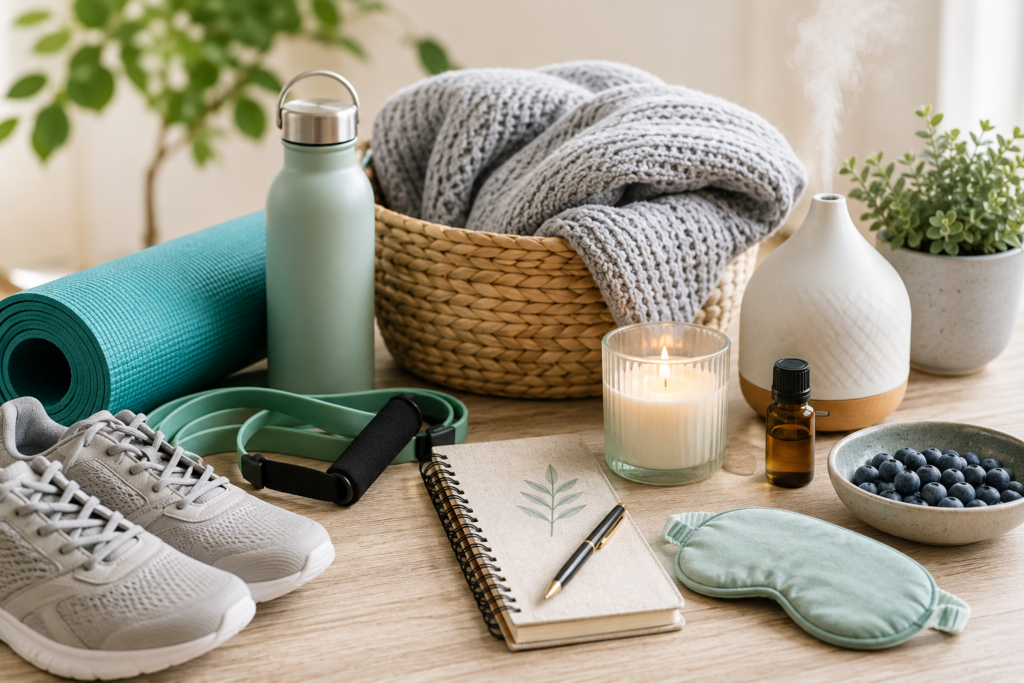
Essential Health and Wellness Products
Everyday Living

Essential Health and Wellness Products for Everyday Use

Everyday health and wellness often hinge on simple, manageable habits supported by thoughtful product choices. With so many options available, selecting wellness products that genuinely enhance comfort, promote healthy routines, and fit seamlessly into daily life can feel overwhelming. However, integrating essential health and wellness products doesn’t need to be complicated or expensive. Instead, focusing on practical, widely accessible items can support wellbeing in approachable, realistic ways.

This article explores a variety of health and wellness products designed for everyday use, emphasizing comfort, routine support, and emotional wellbeing. These products aim to complement daily habits without demanding major lifestyle overhauls or unrealistic expectations. By choosing items that encourage movement, rest, personal care, and stress reduction, readers may find helpful tools to support their overall wellness journey in a balanced and manageable way.

Affiliate disclosure: This article contains affiliate links. If you make a purchase through one of these links, I may earn a commission at no additional cost to you. As an Amazon Associate, I earn from qualifying purchases.

Products That Support Comfortable Movement and Activity

Essential Health and Wellness Products

Staying active doesn’t have to mean intense workouts or an expensive gym membership. Products that encourage gentle activity or improve comfort during movement can make staying active more enjoyable and accessible.

  • Supportive Footwear: Quality shoes designed for walking or light exercise can reduce discomfort and encourage consistent movement. Look for options with good arch support and cushioning tailored to daily activities.
  • Yoga Mats and Props: A comfortable yoga mat paired with props such as blocks or straps can make stretching and gentle movement routines more inviting. These tools can help with balance, flexibility, and relaxation practices at home.
  • Resistance Bands: Lightweight and portable, resistance bands offer a versatile way to incorporate strength training and mobility exercises without bulky equipment. They fit easily into a home routine and can be adjusted to different fitness levels.
  • Ergonomic Desk Accessories: For those spending time seated, ergonomic chairs or footrests can promote better posture and reduce strain, supporting physical comfort throughout the day.

These products prioritize comfort and accessibility, recognizing that small steps toward movement can add up to meaningful benefits without pressure for perfection or intensity.

Essentials for Restful Sleep and Relaxation

Essential Health and Wellness Products

Rest is a fundamental pillar of wellness, supporting emotional balance and physical recovery. Products that enhance sleep quality or create calming environments may help establish peaceful nightly routines.

  • Weighted Blankets: Some people find the gentle pressure of a weighted blanket comforting and relaxing. Research into their effect on sleep is still developing, so think of one as a comfort item rather than a treatment for sleep problems.
  • White Noise Machines or Apps: Creating consistent background sound can mask disruptive noises and support uninterrupted sleep. These devices and apps are easily customizable to personal preferences.
  • Blackout Curtains: Blocking outside light helps maintain a dark, sleep-friendly environment, which is important for regulating natural sleep cycles.
  • Aromatherapy Diffusers: If you enjoy fragrance, a diffuser can help create a pleasant atmosphere as part of your evening routine. Essential oils aren’t appropriate for every household, however, particularly around some pets, so check safety guidance before using them.

While these items can support better rest, it’s important to approach sleep challenges with patience and seek professional advice if persistent difficulties arise.

Practical Tools for Stress Reduction and Emotional Wellbeing

Managing stress and fostering emotional wellness are vital parts of everyday health. Certain products can provide gentle support for mindfulness and relaxation practices.

  • Meditation Apps and Guided Audio: Technology offers accessible ways to explore mindfulness and breathing exercises. Many free or low-cost apps provide guided sessions suitable for beginners.
  • Journals and Gratitude Notebooks: Writing can be a helpful outlet for processing thoughts and emotions. Keeping a journal focused on gratitude or daily reflections encourages positive mental habits.
  • Comfort Items: Simple objects like soft blankets, stress balls, or calming teas can contribute to a sense of comfort and grounding during stressful moments.
  • Light Therapy Lamps: Light boxes are sometimes used for winter-pattern seasonal affective disorder (SAD), but they’re different from ordinary lamps and aren’t simply a general mood-boosting gadget. If you’re considering one for seasonal depression or another health concern, it’s a good idea to talk with a healthcare professional about whether it’s appropriate for you.

These tools are intended to support emotional balance and should be viewed as complements to professional mental health care when needed.

Personal Care Products That Encourage Consistent Routines

Some of the most useful wellness products are also the simplest—the things that make everyday routines a little easier or more enjoyable.

  • Gentle Skincare Products: Choosing mild cleansers and moisturizers suited to one’s skin type helps maintain skin health without irritation. Products with simple, natural ingredients are often preferred for sensitive skin.
  • Reusable Water Bottles: Staying hydrated is foundational for wellbeing. A well-designed reusable water bottle encourages regular water intake and supports environmentally conscious habits.
  • Compact Exercise Equipment: Small items like a jump rope or hand weights can be easily stored and used on the spot, encouraging movement without disrupting daily flow.

Incorporating these products into everyday routines can make wellness feel more achievable and less like an added task.

Final Thoughts

Finding essential health and wellness products for everyday use involves balancing practicality, comfort, and routine fit. By focusing on items that support gentle movement, restful sleep, stress reduction, and personal care, individuals can build a foundation for wellbeing that feels manageable and sustainable. These products serve as helpful tools rather than quick fixes, encouraging small but meaningful habits without pressure or guilt.

Wellness is deeply personal, and what works well for one person may differ for another. Exploring a few thoughtfully chosen products can create opportunities for positive changes that enhance daily life. Above all, maintaining flexibility and kindness toward oneself is key, recognizing that these supportive tools complement—not replace—professional care when needed.

You Might Also Enjoy

Personal Finance for Beginners
Everyday Living

Personal Finance for Beginners: A Guide to Managing Your Money Wisely

Learning personal finance for beginners can feel overwhelming when budgeting, saving, credit, debt, and investing all seem to come at you at once. Managing money wisely is a skill that benefits everyone, yet many beginners feel overwhelmed when starting their personal finance journey. From budgeting and saving to understanding credit and investing, the world of personal finance can seem complex and intimidating at first. However, with the right guidance and practical steps, managing your money can become a manageable, even enjoyable, part of everyday life.

This beginner’s guide breaks down personal finance into clear, approachable concepts. It will help readers gain confidence in making sound financial decisions, avoid common pitfalls, and build a solid foundation for future financial well-being. Whether someone is just starting to track their spending or looking to understand investments, this guide offers practical advice to get started on the right foot.

Quick Facts

  • Skill Level: Beginner
  • Time to Learn: A few weeks to grasp basics, ongoing practice for mastery
  • Difficulty: Moderate—requires attention and consistent effort
  • Best For: Individuals new to managing money and budgeting

Beginner Guide Overview

Personal finance involves managing income, expenses, savings, and investments to meet financial goals and secure a stable future. Beginners often find it confusing because it includes many terms and concepts that aren’t part of everyday conversation, such as credit scores, interest rates, and emergency funds. The lack of clear, simple instructions can make starting feel daunting.

This guide aims to demystify personal finance by explaining essential ideas in a straightforward way. Readers will learn how to create and maintain a budget, understand credit, save effectively, and begin planning for long-term financial goals. The goal is to provide a welcoming introduction that encourages practical action rather than perfection.

Understanding the Basics

What Is a Budget?

A budget is a plan for how to spend and save money each month. It helps track income and expenses so that spending stays within limits and savings goals are met. Creating a budget gives you control over your finances rather than letting bills and impulse purchases dictate your money flow.

Income vs. Expenses

Income is the money coming in, usually from a paycheck, side jobs, or other sources. Expenses are the costs of living—like rent, groceries, transportation, and entertainment. The key to good money management is making sure expenses don’t exceed income.

Saving and Emergency Funds

Saving means setting aside money regularly for future needs or unexpected costs. An emergency fund is a special savings account reserved for urgent expenses like medical bills or car repairs. The general rule of thumb is to save enough to cover three to six months of essential living expenses.

Credit and Debt

Credit allows borrowing money to buy things now and pay for them later, often with interest. Debt results when borrowed money isn’t paid back immediately. Understanding how credit works, including credit scores and interest rates, is important for avoiding costly mistakes and maintaining financial health.

Interest and Investment Basics

Interest is the cost of borrowing money or the earnings on saved or invested money. Investing involves putting money into assets like stocks or bonds to grow wealth over time. While investing carries risks, it can be a useful way to build financial security beyond simple savings.

How to Get Started

Step 1: Track Your Income and Expenses

Begin by recording all sources of income and every expense for at least a month. This helps reveal spending habits and areas where costs can be trimmed. Many apps or simple spreadsheets can assist with this step.

Step 2: Create a Realistic Budget

Using tracked data, list monthly income and categorize expenses (rent, food, entertainment, etc.). Allocate amounts to each category, prioritizing essentials and setting limits on discretionary spending. Include a savings goal in the budget.

Step 3: Build an Emergency Fund

Start saving a small amount regularly, aiming to build a fund that covers several months of essential expenses. Keep this money in an accessible, low-risk account, such as a savings account.

Step 4: Understand and Manage Credit

Check your credit reports regularly so you know what’s being reported and can watch for errors or unfamiliar accounts. The three nationwide credit reporting agencies are Equifax, Experian, and TransUnion, and the information in each report may differ because creditors don’t necessarily report to all three bureaus.

You can learn more about your credit directly through Equifax, Experian, and TransUnion. Pay bills on time, keep credit card balances manageable, and learn how the information in your credit reports can affect your credit history.

Want to check all three reports? You can request your reports from Equifax, Experian, and TransUnion through AnnualCreditReport.com, the official federally authorized site for free credit reports. Free reports are currently available weekly.

Step 5: Set Financial Goals

Identify short-term goals, such as paying off a credit card balance or saving for a vacation, and long-term goals, like buying a home or planning for retirement. Clear goals help maintain motivation and focus.

Step 6: Automate Savings and Bills

Automate transfers to savings and schedule bill payments to avoid late fees and build savings effortlessly. Automation adds convenience and consistency.

Step 7: Educate Yourself on Basic Investing

Once savings and debt are under control, explore beginner-friendly investment options such as index funds or employer-sponsored retirement plans. Understanding risks and benefits is essential before investing.

Step 8: Review and Adjust Regularly

Periodically review your budget and financial goals to adjust for changes in income, expenses, or priorities. Flexibility ensures the plan remains relevant and effective.

What Beginners Need

  • Budgeting Tool: A simple app or spreadsheet to track income and expenses efficiently.
  • Savings Account: A separate account for emergency funds to keep money accessible but distinct from daily spending.
  • Credit Report Access: The top three nationwide credit bureaus now allow consumers to check reports weekly through the official AnnualCreditReport service to monitor credit health and identify errors.
  • Basic Financial Literacy Resources: Books, websites, or courses explaining key concepts clearly.
  • Optional Upgrade: Financial Advisor Consultation: For personalized guidance once basic knowledge and planning are underway.
  • Optional Upgrade: Investment Platform Account: For beginners ready to start investing with low fees and easy-to-use interfaces.

Common Beginner Mistakes

  • Not Tracking Spending: Without awareness of where money goes, budgets can’t be effective. Regular tracking helps avoid overspending.
  • Ignoring Emergency Funds: Skipping this step leaves individuals vulnerable to unexpected expenses, which can lead to debt.
  • Relying Too Much on Credit: Overusing credit cards without paying balances in full incurs interest and can damage credit scores.
  • Setting Unrealistic Budgets: Budgets that are too strict or ignore lifestyle needs often fail. A balanced, flexible plan works better.
  • Neglecting to Review Finances: Financial situations change; failing to review budgets and goals can lead to missed opportunities or issues.
  • Jumping Into Investments Too Soon: Investing without sufficient savings or understanding can lead to losses and financial stress.

What to Expect

Learning personal finance is a gradual process that involves trial and error and adjustment. Initially, it may take time to develop the habit of tracking expenses and sticking to a budget. Progress often comes in small steps, such as paying off a credit card or growing savings month by month. Costs like emergency funds and debt repayment take priority before more complex investments.

Financial management requires consistent attention but doesn’t have to consume a large amount of time each day. Setting up automation and using tools can ease the workload. Results will vary based on income, expenses, and personal goals, so patience and persistence are key.

Where to Go From Here

After mastering the basics, beginners can explore more advanced financial topics like credit-building strategies, tax planning, or diversified investing. Learning about retirement accounts, insurance options, and estate planning can further enhance financial security. Developing skills in financial goal setting and adjustment over time supports long-term success.

Experimenting with different budgeting methods or financial apps might help find the best fit. Joining communities or forums focused on personal finance offers support and shared experiences. The journey continues beyond basics, with ever-improving knowledge and habits.

Frequently Asked Questions

Q: How much should I save each month?
A: There isn’t one savings percentage that works for everyone. Start with an amount that fits your budget—even if it’s small—and increase it when you’re able.

Q: What’s the difference between a credit score and a credit report?
A: A credit report is a detailed record of your credit history, while a credit score is a number summarizing that information to indicate creditworthiness.

Q: Is it okay to have some debt?
A: Yes, manageable debt like a mortgage or student loans can be part of financial planning, but high-interest debt should be minimized.

Q: How can I improve my credit score?
A: Pay bills on time, keep credit card balances low, avoid opening too many new accounts, and regularly check your credit report for errors.

Final Thoughts

Starting a personal finance journey can feel overwhelming, but breaking it down into clear, manageable steps makes it achievable. By understanding fundamental concepts like budgeting, saving, and credit, beginners can gain control over their money and build confidence. Consistency and realistic goal setting pave the way for financial stability and growth.

With a solid foundation in place, personal finance becomes less about stress and more about empowering choices. The key takeaway is that anyone can improve their financial health by taking small, informed actions regularly. This guide offers a friendly introduction to managing money wisely, setting readers on a path to a secure and rewarding financial future.

You Might Also Enjoy

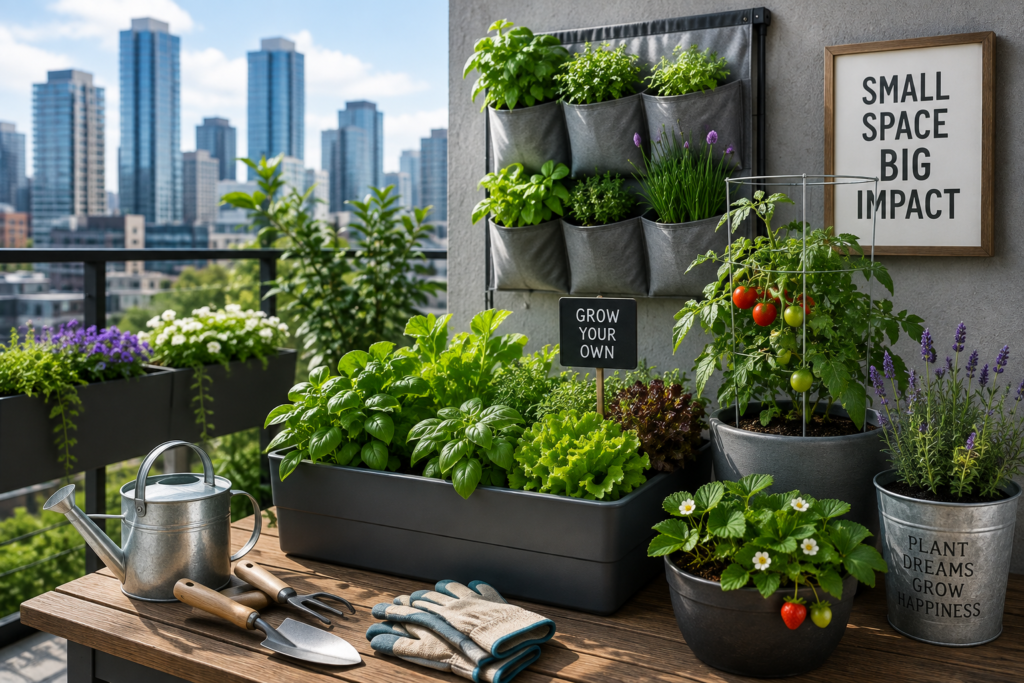
Urban Gardening
House & Home

Exploring the Rise of Urban Gardening: Tips and Tricks

Urban gardening has become an increasingly popular way for city dwellers to reconnect with nature, grow fresh produce, and create green spaces in limited areas. This trend reflects a growing desire for sustainable living, healthier eating habits, and a hands-on approach to food production despite the challenges of urban environments. Whether it’s a small balcony, rooftop, or community plot, urban gardening offers practical benefits that enhance quality of life and contribute to environmental well-being.

The rise of urban gardening is partly driven by the accessibility of new tools, compact growing systems, and an abundance of resources tailored for small spaces. From container gardens to vertical setups, urban gardeners have more options than ever to cultivate herbs, vegetables, and flowers. This article explores practical tips and tricks to help urban gardeners maximize their efforts, whether they are beginners or experienced green thumbs looking for fresh ideas.

Choosing the Right Space and Containers for Urban Gardening

One of the first steps in starting an urban garden is selecting a suitable location that receives adequate sunlight and fits your available space. Most vegetables and herbs require at least six hours of direct sunlight daily, so balconies, windowsills, and rooftops facing south or west are ideal.

Container choice plays a crucial role in the success of your garden. Containers should have good drainage to prevent waterlogging and root rot. Popular materials include terracotta, plastic, and fabric pots, each with different properties:

  • Terracotta pots are breathable and aesthetically pleasing but dry out quickly, requiring more frequent watering.
  • Plastic pots retain moisture better and are lightweight, but may not provide as much airflow to the roots.
  • Fabric grow bags provide excellent drainage and aeration, promoting healthy root systems, and are easy to store when not in use.

Choosing containers that match your watering habits, space, and plant needs will reduce maintenance challenges and help your plants thrive.

Selecting Suitable Plants for Urban Environments

Urban gardening often involves limited space, so selecting plants that are compact, fast-growing, and well-suited to container life is essential. Some commonly grown urban garden plants include:

  • Herbs like basil, parsley, mint, and chives are compact, useful in everyday cooking, and relatively low-maintenance.
  • Leafy greens such as lettuce, spinach, and kale grow quickly and can be harvested repeatedly, making them perfect for small spaces.
  • Compact vegetables like cherry tomatoes, peppers, and radishes adapt well to containers and provide rewarding harvests.
  • Edible flowers and small fruiting plants like strawberries add color and variety without requiring large areas.

It’s important to check each plant’s sunlight and water requirements and choose varieties labeled as “container-friendly” or “compact” to ensure they fit your urban garden setup.

Soil and Fertilization Tips for Healthy Growth

High-quality soil is foundational for urban gardening success because container plants rely entirely on their potting mix for nutrients and water retention. Use a well-draining, nutrient-rich potting soil formulated for containers rather than garden soil, which can compact and hinder root growth.

Regular fertilization is necessary since nutrients in pots wash out over time. Slow-release fertilizers designed for container plants offer steady nutrition, while liquid fertilizers can provide a quick boost during the growing season. Organic options such as compost tea or fish emulsion may appeal to those seeking natural fertilization methods.

Proper soil and feeding techniques improve plant vigor, support steady growth, and contribute to bountiful harvests in limited space.

Watering Strategies to Avoid Common Pitfalls

Water management is often a challenge in urban gardening because containers can dry out faster than garden beds. Consistent watering is key, but overwatering can be just as harmful as underwatering.

A few watering tips to consider:

  • Check soil moisture regularly by inserting a finger an inch deep; if it feels dry, it’s time to water.
  • Water early in the day to reduce evaporation and give plants time to absorb moisture.
  • Use self-watering containers or add water-retaining crystals to the soil to maintain consistent moisture levels.
  • Avoid letting containers sit in standing water, which can cause root rot.

Good watering practices not only keep plants healthy but also reduce waste and the frequency of maintenance.

Maximizing Space with Vertical and Creative Gardening Techniques

Urban gardeners often face the challenge of limited floor space, making vertical gardening a popular solution. Vertical systems allow plants to grow upwards rather than outwards, making efficient use of balconies, walls, fences, or railings.

Options for vertical gardening include:

  • Wall-mounted planters and pocket gardens that hold herbs or small plants.
  • Trellises and cages for vining plants like beans, cucumbers, and peas.
  • Stacked or tiered planters that add layers of growing space without expanding the footprint.

Creative solutions such as hanging baskets, repurposed pallets, or ladder shelves can also increase growing capacity and add visual interest while keeping plants accessible and well-spaced.

Utilizing Urban Gardening Tools and Accessories

Having the right tools and accessories tailored to urban gardening can streamline care routines and improve results. Essential tools include:

  • A compact watering can or hose attachment with a gentle spray to avoid soil disruption.
  • Pruning shears for trimming and harvesting to keep plants healthy.
  • Lightweight hand trowels and cultivators suited for working in small containers.
  • Moisture meters to monitor soil hydration accurately without guesswork.

Optional accessories like grow lights can extend growing seasons or supplement low natural light. Plant supports, labels, and timers also add convenience and organization, especially for gardeners balancing busy schedules.

Addressing Common Urban Gardening Challenges

Urban environments present specific challenges, including pollution, limited sunlight, pests, and space constraints. Awareness and proactive management can help mitigate these issues:

  • Use organic mulches or reflective materials to improve light exposure and reduce soil temperature fluctuations.
  • Choose pest-resistant plant varieties, and employ natural pest control methods like companion planting or neem oil sprays.
  • Rotate crops if possible to reduce disease buildup and maintain soil health.
  • Regularly clean containers and tools to prevent mold and pests.

Understanding these challenges and adjusting care routines accordingly will increase the likelihood of a successful and sustainable urban garden.

Final Thoughts

Urban gardening is a rewarding way to bring nature into city living, offering fresh produce, creative expression, and a sense of accomplishment. By thoughtfully selecting spaces, containers, plants, and care techniques, urban gardeners can overcome common obstacles and enjoy a thriving green oasis, even in modest quarters. Practical tools, smart watering, and space-saving methods further enhance the experience, making urban gardening accessible and enjoyable for all skill levels.

Whether growing herbs on a windowsill or cultivating a full balcony garden, embracing these tips and tricks can transform limited urban spaces into productive, vibrant gardens. With patience and attention, urban gardening becomes not only a sustainable lifestyle choice but a daily source of joy and practical benefits.

You Might Also Enjoy

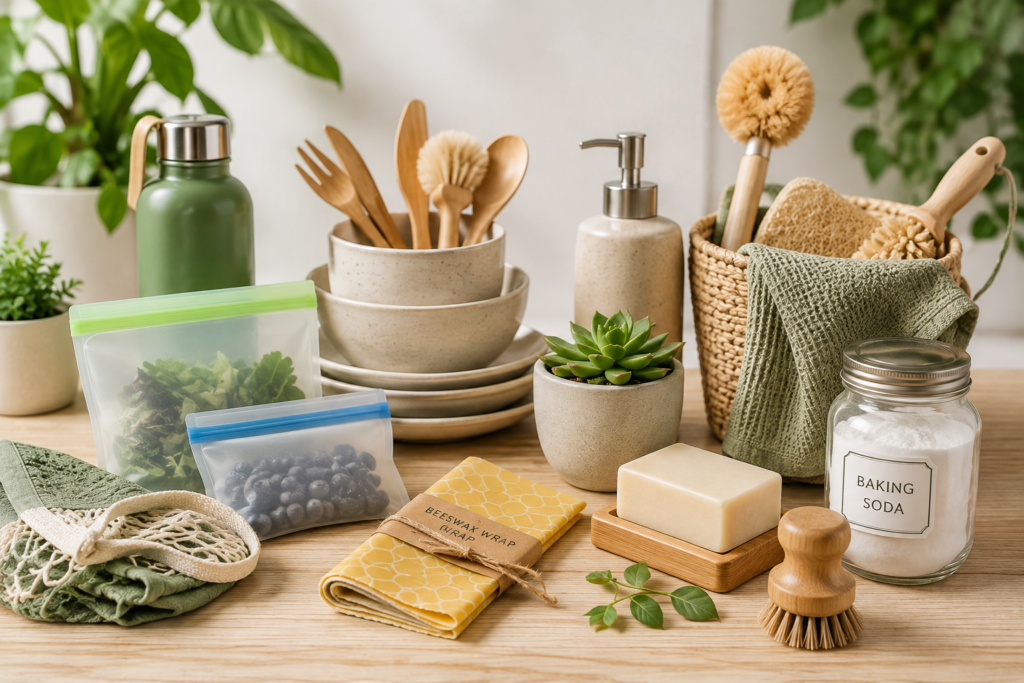
Eco-Friendly Home Products
House & Home

Must-Have Eco-Friendly Home Products for a Sustainable Lifestyle

Eco-friendly home products are gaining attention as more people look for practical ways to reduce their environmental impact without sacrificing convenience or style. Choosing sustainable items for everyday living can seem overwhelming given the multitude of options available. Yet, selecting the right products can make a meaningful difference in reducing waste, conserving resources, and supporting a greener lifestyle.

This article explores a curated selection of popular eco-friendly home products that address common household needs while emphasizing durability, usefulness, and environmental benefits. The goal is to help readers understand which choices fit their lifestyle, budget, and sustainability goals without falling for hype or novelty.

Affiliate disclosure: This article contains affiliate links. If you make a purchase through one of these links, I may earn a commission at no additional cost to you. As an Amazon Associate I earn from qualifying purchases.


Product Roundup Overview

Sustainable home products often earn attention for their potential to replace disposable or energy-intensive alternatives. This roundup focuses on items that help reduce single-use plastics, minimize waste, conserve water or energy, and support eco-conscious consumption habits. Each product is evaluated for how well it performs its intended function, its environmental credentials, and practical considerations like cost and maintenance.

The featured products span kitchenware, cleaning supplies, personal care items, and home organization tools. They reflect a balance between trending eco-friendly innovations and proven sustainable staples. While some may demand a higher upfront investment, their durability and reusable design often justify the cost over time. Others offer budget-friendly options suitable for anyone beginning to embrace a greener routine.


What to Consider Before Choosing

When selecting eco-friendly home products, it’s important to clarify the problem or desire driving the purchase. Are you aiming to eliminate plastic waste, save energy, reduce chemical exposure, or simply adopt more mindful consumption patterns? Understanding this helps narrow options to items that deliver meaningful benefits rather than just green marketing.

Practical factors include product materials, longevity, ease of cleaning, and compatibility with existing household habits. Some sustainable products require a period of adjustment or specific care routines, which may affect suitability. Price is another key consideration—while many eco-friendly items can be cost-effective over time, initial expenses vary widely.

Finally, consider the product’s environmental impact beyond its immediate use. Does it utilize renewable materials? Is it biodegradable or recyclable? How does its manufacturing process affect carbon footprint? These questions help separate lasting value from trend-driven buys.


Featured Products

1. Bamboo Fiber Dinnerware Set

👉 View on Amazon →

This set includes plates, bowls, and cups made from bamboo fiber combined with food-safe resins. Designed as a reusable alternative to disposable plastic or paper dinnerware, it is lightweight and dishwasher-safe. Ideal for families or individuals seeking to reduce single-use waste during meals or outdoor events.

Why it stands out: It replaces disposable dishware with a biodegradable, durable option that supports waste reduction without compromising convenience.


2. Reusable Silicone Food Storage Bags

👉 View on Amazon →

These flexible silicone bags serve as a substitute for disposable plastic sandwich and freezer bags. They seal tightly to preserve food freshness and withstand repeated use and washing. They are heat-resistant, making them suitable for sous vide cooking or microwave reheating.

Why it stands out: They reduce reliance on single-use plastic bags while offering versatility for food storage and preparation.


3. Compostable Trash Bags

👉 View on Amazon →

Made from plant-based materials, these trash bags break down more quickly than traditional plastic bags in composting environments. They are designed for kitchen waste and yard debris and help reduce plastic pollution from everyday garbage disposal.

Why it stands out: They provide a practical way to manage waste with less environmental harm, especially for those with access to composting facilities.


4. Wool Dryer Balls

👉 View on Amazon →

Wool dryer balls replace single-use dryer sheets and reduce drying time by improving air circulation in the dryer. They are naturally hypoallergenic and free from synthetic fragrances or chemicals, making them suitable for sensitive skin.

Why it stands out: They save energy and eliminate disposable dryer sheet waste while softening clothes naturally.


5. Water-Saving Showerhead

👉 View on Amazon →

This showerhead uses pressure-compensating technology to maintain water flow while reducing overall consumption. It is easy to install and can lower water bills without sacrificing shower comfort.

Why it stands out: It addresses water conservation in a high-use area of the home with minimal lifestyle disruption.


6. Beeswax Food Wraps

👉 View on Amazon →

Beeswax wraps are a reusable alternative to plastic wrap for covering bowls or wrapping food. They are made from cotton coated with beeswax, jojoba oil, and tree resin, providing a breathable yet protective barrier for perishables.

Why it stands out: They cut down plastic wrap waste and can be refreshed with simple care, fitting well into low-waste kitchens.


7. Plant-Based Cleaning Pods

👉 View on Amazon →

These concentrated cleaning pods dissolve in water to create cleaning solutions without harsh chemicals or plastic bottles. They come in compostable packaging and target common household cleaning needs like surfaces, glass, and floors.

Why it stands out: They reduce plastic waste and chemical exposure while maintaining cleaning effectiveness.


8. Solar-Powered Outdoor Lights

👉 View on Amazon →

Solar lights charge during the day to provide illumination at night without using electricity from the grid. They’re easy to install in gardens or patios and often include automatic sensors for dusk-to-dawn operation.

Why it stands out: They offer a renewable energy solution for outdoor lighting, lowering energy consumption and cost.


9. Stainless Steel Reusable Straws

👉 View on Amazon →

These durable straws eliminate the need for disposable plastic straws. They’re easy to clean, often come with cleaning brushes, and are suitable for hot or cold beverages.

Why it stands out: They provide a simple, low-cost way to reduce plastic waste in daily beverage consumption.


10. Rechargeable Battery Set

👉 View on Amazon →

Rechargeable batteries and a charger replace disposables for household electronics. Modern options hold charge longer and support hundreds of recharge cycles, minimizing hazardous waste.

Why it stands out: They reduce the need for frequent battery purchases and environmental contamination from single-use batteries.


How the Options Compare

Across these eco-friendly home products, several criteria help gauge their practical value:

  • Usefulness: Most items address common household waste or resource-use issues—such as food storage, cleaning, energy use, or waste disposal.
  • Durability: Products like bamboo dinnerware, silicone bags, and stainless steel straws tend to last for years with proper care, whereas compostable bags and beeswax wraps are consumables that require regular replacement.
  • Ease of Use: Many items integrate easily into daily routines, though beeswax wraps and wool dryer balls may require a learning curve.
  • Maintenance: Silicone bags and stainless steel straws clean easily; beeswax wraps need gentle hand washing; wool dryer balls require occasional sun drying.
  • Environmental Impact: Products made from renewable or biodegradable materials score higher, but manufacturing processes and packaging should also be considered.
  • Price and Value: Initial costs vary. For example, wool dryer balls and reusable straws are low-cost and have long service lives, while water-saving showerheads and solar lights may have higher upfront costs justified by energy savings.

Best Choice for Different Needs

For Waste Reduction Beginners

Reusable silicone food storage bags and stainless steel straws offer simple switches from single-use plastics without requiring major lifestyle adjustments. Their ease of use and cleaning make them accessible for those new to sustainable living.

For Kitchen Sustainability Enthusiasts

Bamboo fiber dinnerware and beeswax food wraps suit those focused on reducing disposable kitchen waste. While beeswax wraps require some care, both products effectively replace disposable plastics.

For Energy and Water Savers

Water-saving showerheads and solar-powered outdoor lights directly address resource conservation. They fit households aiming to lower utility bills and environmental footprint with minimal behavior change.

For Allergy or Sensitivity Concerns

Wool dryer balls provide a chemical-free alternative to dryer sheets, appealing to those with sensitive skin or fragrance allergies.

For Composting Households

Compostable trash bags support organic waste management for homes with composting options, reducing plastic contamination in the waste stream.


Final Thoughts

Choosing eco-friendly home products involves balancing environmental benefits with practical needs and habits. The items highlighted here demonstrate how sustainable options can fit into everyday living without undue complexity or expense. From reusable food storage to energy-saving devices, these products address real problems like waste reduction and resource conservation while offering varying degrees of convenience and cost.

Ultimately, the best choice depends on individual priorities—whether to start with straightforward plastic replacements or invest in resource-saving upgrades. Keeping an eye on durability, ease of use, and environmental impact helps ensure these products contribute meaningfully to a sustainable lifestyle rather than simply following trends. Thoughtful selection encourages lasting positive change in the home and beyond.


Frequently Asked Questions

What materials are best for eco-friendly home products?

Renewable, biodegradable materials like bamboo, cotton, beeswax, and plant-based plastics are often preferred. Durable materials like stainless steel also support long-term sustainability by reducing reliance on disposables.

How do reusable silicone bags compare to traditional plastic bags?

Silicone bags are more durable and can be washed and reused many times, reducing plastic waste. They also withstand heat better, allowing for cooking or reheating, but have a higher upfront cost.

Are compostable trash bags compatible with all waste disposal services?

Compostable bags typically require access to industrial or home composting facilities to break down properly. They may not be suitable for all municipal waste systems, so it is important to check local guidelines.

Can wool dryer balls replace fabric softeners entirely?

Wool dryer balls soften clothes naturally and reduce drying time but do not add scent or reduce static as some fabric softeners do. Some users add essential oils for fragrance if desired.

How much water can a water-saving showerhead realistically save?

Water-saving showerheads can reduce water flow by 20-50% compared to standard models, leading to meaningful water and energy savings over time, depending on usage patterns.


You Might Also Enjoy

Meal Prepping Guide
Everyday Living

Meal Prepping Guide: Easy Steps for Healthier Eating

Meal prepping can make a busy week a whole lot easier. Instead of figuring out what to cook every night when you’re already hungry and tired, you can have meals—or at least some of the ingredients—ready to go ahead of time.

If you’ve never tried meal prepping, though, the idea of cooking several days’ worth of food at once can sound like a project in itself. The good news is that it doesn’t have to mean spending your entire Sunday in the kitchen or lining your refrigerator with a week’s worth of identical meals.

The best way to start is small. A little planning, a few reliable containers, and an hour or two of prep can save time later in the week, help you use the groceries you buy, and make it easier to reach for a home-cooked meal when life gets busy.

Affiliate disclosure: This article contains affiliate links. If you make a purchase through one of these links, I may earn a commission at no additional cost to you. As an Amazon Associate, I earn from qualifying purchases.

Understanding Meal Prep and Its Benefits

Meal prep simply means getting some of your cooking done ahead of time. You might prepare complete meals that only need reheating, or you might wash and chop vegetables, cook a batch of rice, roast some chicken, or prepare other ingredients that can be used in different meals throughout the week.

There’s no single right way to do it.

For some people, meal prep means packing several lunches on Sunday night. For others, it’s having enough ingredients ready to throw together a quick dinner after work. Either approach can reduce the time and decision-making involved in getting food on the table.

Planning ahead can also help you make better use of your groceries. When you know what you’re going to cook, you’re less likely to buy ingredients without a plan for using them. Prepping those ingredients before they disappear into the back of the refrigerator can also help cut down on food waste.

And perhaps the biggest benefit? When you’re hungry and already have something ready to eat, dinner becomes a lot easier.

Getting Started: Essential Tools and Containers

You don’t need a collection of fancy kitchen gadgets to start meal prepping. A few basics will handle most of the work.

  • Quality Food Storage Containers: A good set of airtight containers makes storing individual meals and prepared ingredients much easier. Glass containers are durable and resist staining, while plastic containers are lighter and often easier to stack. Whatever you choose, check that they’re suitable for the refrigerator, freezer, microwave, or dishwasher based on how you plan to use them.
  • Sharp Chef’s Knife and Cutting Board: You’ll do plenty of chopping during meal prep, so a dependable knife and sturdy cutting board are worth having. A sharp knife also makes prep faster and easier than struggling with a dull one.
  • Measuring Tools: Measuring cups and spoons are handy for following recipes, making sauces, or portioning ingredients.
  • Slow Cooker or Instant Pot (Optional): If you like meals that can cook with minimal attention, a slow cooker or pressure cooker can do much of the work while you prepare other ingredients.
  • Mixing Bowls and Baking Sheets: Large bowls make it easier to toss and combine ingredients, while sheet pans are great for roasting vegetables, potatoes, and proteins in larger batches.

Start with what you already own before buying anything new. After you’ve meal prepped a few times, you’ll have a much better idea of which tools would actually make the process easier for you.

Planning Your Meals Without Making It Complicated

Good meal prep starts before you turn on the stove. Taking a few minutes to decide what you’ll actually eat during the week can save a lot of time—and prevent you from preparing food that nobody wants by Wednesday.

If you’re just getting started, keep it simple.

  • Start with 2 or 3 Days: You don’t have to prepare an entire week’s worth of meals. Try a few lunches or dinners first and see how it fits into your routine.
  • Choose Ingredients You Can Use More Than Once: Rice, quinoa, roasted vegetables, chicken, beans, tofu, and other basics can be combined in different ways, rather than locking you into the exact same meal every day.
  • Build Balanced Meals: Try combining a protein, carbohydrate, vegetables, and a source of healthy fat. It doesn’t need to be complicated or perfectly portioned to be useful.
  • Use Simple Meal Formulas: A grain or other base + protein + vegetables + sauce is an easy place to start. Change the sauce, seasoning, or toppings and the same basic ingredients can taste completely different.
  • Choose a Regular Prep Time: Find a block of time that works with your schedule. That might be Sunday afternoon, a weekday evening, or even two shorter prep sessions during the week.

Before making your shopping list, take a quick look through the refrigerator, freezer, and pantry. Building a few meals around ingredients you already have can save money and keep forgotten groceries from going to waste.

Step-by-Step Guide to Meal Prepping

Once you’ve decided what you’re making, working in a simple order keeps the kitchen from turning into chaos.

  1. Create a Meal Plan: Decide which meals you want to prepare and how many servings you’ll need.
  2. Make a Shopping List: Write down the ingredients you don’t already have, including basics such as oils, spices, sauces, and seasonings.
  3. Do Your Shopping: Pick up your produce, proteins, grains, and other ingredients. Seasonal produce and sale items can be easy ways to keep costs down.
  4. Prepare Your Ingredients: Wash and chop produce, cook grains and proteins, and mix any sauces or dressings you’ll need.
  5. Assemble Your Meals: Divide complete meals into containers or store ingredients separately so you can mix and match them later. Keep dressings and other wet ingredients separate, as they can make food soggy.
  6. Store Everything Properly: Put the meals you’ll eat soon in the refrigerator and freeze appropriate portions you plan to keep longer.
  7. Label Your Containers: Adding the contents and date takes only a few seconds and saves you from playing “What’s in this container?” later.

You also don’t have to do every step at once. Even washing produce, chopping vegetables, or cooking one large batch of protein ahead of time counts as meal prep if it makes the rest of your week easier.

Storage and Food Safety Considerations

Making meals ahead of time also means paying attention to how they’re cooled, stored, thawed, and reheated.

  • Refrigerate Promptly: Don’t leave cooked food sitting at room temperature for long periods. Shallow containers can help larger batches cool more quickly.
  • Know How Long Food Keeps: Many cooked leftovers are generally refrigerated for about 3 to 4 days, although storage recommendations vary depending on the food.
  • Freeze Meals You Won’t Eat Soon: Freezer-safe containers or bags are useful for portions you plan to save longer. Removing excess air can also help protect food quality in the freezer.
  • Thaw Safely: The refrigerator is a convenient way to thaw frozen meals in advance. Some foods can also be safely thawed or reheated in the microwave.
  • Reheat Thoroughly: Previously cooked foods should be reheated properly before eating. Stirring food during microwave reheating can help avoid cold spots.
  • Prevent Cross-Contamination: Keep raw meat and poultry away from ready-to-eat foods, and clean cutting boards, utensils, counters, and your hands as you work.

Food safety recommendations can vary depending on what you’ve prepared, so check current guidance for specific foods when you’re unsure.

An Optional Tool for Freezer Meal Prep

If you start preparing larger batches or regularly freezing food, a vacuum sealer may be worth considering.

Vacuum Sealer Machine with Automatic Vacuum Sealer Bag Detection and Starter Kit

Vacuum sealing can be useful for portioning foods and reducing the amount of air around items stored in the freezer. It’s certainly not something you need to begin meal prepping, though. Regular freezer-safe containers and bags work just fine for getting started.

Keep Your Meal Prep From Getting Boring

Eating the exact same chicken-and-rice bowl five days in a row is one way to make yourself abandon meal prepping pretty quickly.

Instead, prepare a few basic ingredients that can work together in different ways.

  • Make a batch of quinoa or rice that can become a bowl one night and a side dish the next.
  • Roast several vegetables at once and pair them with different proteins.
  • Change the flavor with different sauces, dressings, herbs, and seasonings.
  • Keep some fresh ingredients—such as greens, avocado, herbs, or crunchy toppings—to add just before eating.
  • Try flavors from different cuisines while using many of the same basic ingredients.

You don’t need five completely different recipes to create variety. Sometimes changing the seasoning or sauce is enough to make yesterday’s ingredients feel like a different meal.

Final Thoughts

Meal prepping doesn’t have to mean spending your entire Sunday cooking or eating the same lunch five days in a row. It’s simply a way to do a little work ahead of time so meals are easier when the week gets busy.

Start with two or three meals, pay attention to what actually saves you time, and adjust from there. You may discover that you love having complete meals ready to reheat—or that simply having vegetables chopped, a protein cooked, and a few basics ready to go is enough.

The best meal-prep routine isn’t the most impressive one. It’s the one that makes your week easier and that you’ll actually want to keep doing.

You Might Also Enjoy

Beginners Guide to Healthier Living
Everyday Living

Beginner’s Guide to Healthier Living: Small Changes for Big Impact

Starting a journey toward healthier living can feel overwhelming, especially when faced with advice to overhaul your diet, exercise routine, and daily habits all at once. However, making small, manageable changes can have a significant impact over time. This beginner’s guide to healthier living focuses on practical, easy-to-implement strategies that promote better health without requiring drastic lifestyle shifts. By incorporating simple habits into daily life, anyone can build a foundation for long-term wellness.

Healthy living isn’t just about strict diets or intensive workouts; it’s about adopting sustainable practices that support physical and mental well-being. This guide highlights accessible ideas that align with common lifestyles and kitchen routines, offering readers useful tips for improving nutrition, movement, sleep, and stress management. The goal is to empower readers with straightforward approaches that fit their individual needs and preferences, making healthier living feel achievable and enjoyable.

Affiliate disclosure: This article contains affiliate links. If you make a purchase through one of these links, I may earn a commission at no additional cost to you. As an Amazon Associate, I earn from qualifying purchases.

Embracing Small Dietary Adjustments for Better Nutrition

One of the most straightforward ways to boost health is by tweaking eating habits with small, intentional changes. Instead of focusing on complex diets, beginners can start by improving the quality and variety of the foods they consume each day.

  • Incorporate More Whole Foods: Whole fruits, vegetables, whole grains, nuts, and legumes provide essential nutrients and fiber. Swapping processed snacks for fresh produce or a handful of nuts can improve digestion and energy levels without requiring extra meal prep time.
  • Hydrate with Purpose: Drinking enough water supports metabolism, skin health, and concentration. Carrying a reusable water bottle encourages consistent hydration throughout the day. Infusing water with slices of citrus, cucumber, or herbs adds flavor without added sugar.
  • Mindful Portion Control: Using smaller plates or bowls can naturally encourage balanced portions, helping prevent overeating without strict calorie counting. Paying attention to hunger and fullness cues also fosters a healthier relationship with food.
  • Simplify Meal Prep: Batch cooking staple ingredients like grains, roasted vegetables, or lean proteins at the start of the week saves time and reduces the temptation of less nutritious convenience foods. Storing prepped items in clear, airtight containers helps maintain freshness and makes assembling meals quicker.

These modest adjustments not only improve nutrient intake but can also reduce food waste and streamline kitchen routines, making mealtime more enjoyable and less stressful.

Adding Movement into Your Daily Routine

Physical activity is a cornerstone of healthier living, but starting an exercise routine can be intimidating for beginners. The key is to integrate movement that feels natural and sustainable rather than forcing intense workouts.

  • Prioritize Consistency Over Intensity: Short, regular sessions of moderate activity, such as brisk walking, stretching, or light yoga, can be more effective than sporadic intense exercise. Setting achievable goals—like 10 minutes of movement three times a day—builds habit and confidence.
  • Incorporate Activity into Routine Tasks: Simple swaps like taking the stairs instead of the elevator, parking farther away, or standing during phone calls add movement without requiring extra time.
  • Explore Enjoyable Activities: Choosing forms of exercise that feel fun or social, such as dancing, gardening, or biking with friends, increases motivation and likelihood of sticking with it.
  • Invest in Minimal Equipment: Resistance bands, a set of dumbbells, or a yoga mat are versatile tools that can enhance at-home workouts without taking up much space or requiring a complicated setup.

By focusing on approachable, flexible movement options, beginners can gradually increase their activity level in ways that fit their lifestyle and preferences.

Shop Amazon for a Beginner’s Yoga Set

Improving Sleep Habits for Restorative Rest

Quality sleep is vital for overall health, influencing energy, mood, and cognitive function. Establishing simple sleep-friendly habits helps beginners improve rest without major lifestyle upheavals.

  • Create a Consistent Schedule: Going to bed and waking up at the same time each day helps regulate the body’s internal clock, making it easier to fall asleep and wake up refreshed.
  • Establish a Relaxing Pre-Sleep Routine: Activities such as reading, gentle stretching, or listening to calming music help signal the body to wind down. Avoiding screens and bright lights for at least 30 minutes before bed reduces blue light exposure, which can interfere with melatonin production.
  • Optimize the Sleep Environment: A cool, dark, and quiet bedroom promotes better sleep quality. Using blackout curtains, white noise machines, or comfortable bedding can make a significant difference.
  • Limit Caffeine and Heavy Meals Before Bed: Consuming stimulants or large portions close to bedtime can disrupt sleep cycles. Opt for lighter evening snacks and moderate caffeine intake earlier in the day.

These manageable adjustments support deeper, more restorative sleep, laying a foundation for improved daily functioning and long-term health.

Managing Stress Through Simple, Practical Techniques

Stress can negatively affect physical and mental health, but incorporating straightforward stress management strategies can enhance resilience and well-being.

  • Practice Mindful Breathing: Taking a few slow, deep breaths during stressful moments helps calm the nervous system and improve focus. This can be done anywhere, anytime, without special equipment.
  • Schedule Short Breaks: Brief pauses during work or household tasks to stretch, move, or simply rest the eyes help prevent burnout and maintain productivity.
  • Engage in Enjoyable Activities: Hobbies, social connections, or time outdoors provide natural stress relief and contribute to a balanced lifestyle.
  • Limit Overcommitment: Learning to say no or delegate tasks reduces overwhelm and preserves energy for priorities that matter most.

By weaving these small habits into daily routines, readers can better manage stress and foster a sense of calm and control.

Final Thoughts

Adopting healthier living habits doesn’t require drastic changes or complicated plans. By focusing on small, realistic adjustments in diet, movement, sleep, and stress management, beginners can build a strong foundation for lasting wellness. These practical strategies fit into everyday life, making health improvements accessible and enjoyable.

This guide underscores that even minor changes—like adding a serving of vegetables, taking short walks, or establishing a calming bedtime routine—can collectively create a big impact. Healthy living doesn’t have to happen all at once. Pick one or two changes that feel realistic, give yourself time to make them part of your routine, and build from there. Small habits may not feel dramatic in the moment, but they’re often the ones you’re most likely to stick with.

You Might Also Enjoy

Indoor Gardening Guide
House & Home

Indoor Gardening Guide: Growing Plants in Your Home

Bringing a bit of greenery indoors is a popular way to enhance living spaces while also connecting with nature. Indoor gardening offers a rewarding experience that combines aesthetics, fresh air, and even a touch of homegrown flavor for those who cultivate herbs or edible plants, and this indoor gardening guide will help you get there. For beginners, starting an indoor garden might seem intimidating, but with the right guidance, it can become an enjoyable and manageable hobby.

Indoor gardening is more than just placing a few pots by a window; it involves understanding the unique needs of indoor plants, including light, water, soil, and space requirements. Whether it’s a sunny kitchen windowsill with herbs or a decorative setup of tropical houseplants, the basics remain consistent. This guide aims to introduce practical ideas and tips to help beginners confidently grow plants in the comfort of their own homes.

Affiliate disclosure: This article contains affiliate links. If you make a purchase through one of these links, I may earn a commission at no additional cost to you. As an Amazon Associate, I earn from qualifying purchases.

Choosing the Right Plants for Indoor Gardening

Starting with the right plants is crucial for success in indoor gardening. Not all plants thrive equally well indoors, so selecting varieties that adapt to typical home environments makes the process smoother and more rewarding.

Indoor Gardening Guide
  • Low-Maintenance Plants: For beginners, plants like snake plants, pothos, and spider plants are commonly recommended because they tolerate a range of light conditions and require minimal watering. These plants can survive occasional neglect, making them forgiving for new gardeners.
  • Herbs for the Kitchen: Culinary herbs such as basil, mint, parsley, and chives are popular choices for indoor gardeners who want fresh ingredients at their fingertips. These herbs generally need bright, indirect sunlight and regular watering, fitting well on kitchen windowsills or small indoor garden shelves.
  • Air-Purifying Plants: Many indoor plants also improve air quality by filtering toxins. Peace lilies and Boston ferns are examples that combine beauty with functional benefits, although they may need a bit more attention regarding humidity and watering.

Understanding each plant’s light and water needs helps avoid common pitfalls like overwatering or placing a shade-loving plant in direct sunlight.

Shop Lowe’s for all your herb needs

Setting Up Your Indoor Garden Space

Creating the right environment within the home is essential for healthy plant growth. Since indoor conditions differ from outdoor conditions, some adjustments and planning are advisable.

  • Light Considerations: Most indoor plants prefer bright, indirect light. South- or east-facing windows typically provide suitable lighting. For rooms with limited natural light, investing in grow lights designed for indoor plants can supply the necessary spectrum to support photosynthesis.
  • Containers and Drainage: Choosing pots with drainage holes is important to prevent waterlogged soil, which can cause root rot. If decorative containers lack drainage, placing a smaller pot with holes inside can help manage excess water.
  • Soil Selection: Using a high-quality potting mix formulated for indoor plants ensures proper aeration and moisture retention. Avoid using garden soil, which may be too dense and introduce pests.
  • Humidity and Temperature: Indoor plants often thrive best in stable temperatures between 65°F and 75°F. Some tropical plants benefit from occasional misting or a humidity tray, especially in drier indoor environments during winter.

Arranging plants thoughtfully based on their specific environmental needs maximizes their growth potential while keeping the setup manageable.

Watering and Maintenance Basics

Proper watering and regular maintenance are foundational to indoor gardening success. Both overwatering and underwatering are common mistakes that beginners encounter.

  • Watering Frequency: Water needs vary by plant type, pot size, and environmental conditions. A general approach is to check the top inch of soil—if it feels dry, it’s time to water. Using a watering can with a narrow spout allows for controlled watering, minimizing mess and water waste.
  • Fertilizing: Indoor plants benefit from occasional feeding during their growing season, typically spring through early fall. Using a balanced, water-soluble fertilizer diluted to half strength can support healthy growth without overwhelming the plants.
  • Cleaning and Pruning: Dust can accumulate on leaves, reducing light absorption. Gently wiping leaves with a damp cloth keeps plants healthy. Pruning dead or yellowing leaves promotes new growth and maintains an attractive appearance.
  • Pest Prevention: Indoor plants can attract pests such as spider mites, aphids, and fungus gnats. Regularly inspecting plants and isolating any new additions can help prevent infestations. Simple treatments, such as insecticidal soap, are often effective and safe for indoor use.

Consistent care routines build confidence and encourage a thriving indoor garden.

Maximizing Space with Creative Indoor Gardening Ideas

Limited space is a common challenge for indoor gardeners, especially in apartments or smaller homes. Fortunately, there are plenty of clever ways to maximize greenery without overcrowding.

Indoor Gardening Guide
  • Vertical Gardens: Wall-mounted planters or tiered shelves use vertical space, allowing multiple plants to flourish without occupying much floor space.
  • Window Boxes and Hanging Planters: These options bring plants closer to natural light and add a dynamic visual element to rooms. Hanging planters also keep plants out of reach of pets or small children.
  • Terrariums and Miniature Gardens: Small glass containers with succulents or air plants create low-maintenance, stylish displays that fit on desks or countertops.
  • Herb Kits and Self-Watering Planters: For kitchen gardeners, compact herb kits often include everything needed to get started, such as seeds, soil pods, and containers. Self-watering planters reduce the frequency of watering by providing a consistent moisture supply.

These ideas accommodate different lifestyles and preferences while making indoor gardening accessible and enjoyable.

Understanding the Time and Effort Commitment

Indoor gardening requires a realistic understanding of the time and effort involved. While it can be a relaxing and rewarding hobby, it also demands regular attention.

  • Daily or Weekly Checks: Spending a few minutes each day or week inspecting plants for watering needs, pests, or changes in growth helps prevent problems.
  • Seasonal Adjustments: Light availability varies with the seasons, sometimes necessitating plant relocation or the use of artificial light. Growth rates may slow during winter, temporarily reducing care demands.
  • Cleanup and Upkeep: Repotting plants every 1 to 2 years refreshes the soil and supports growth. Maintaining cleanliness around pots prevents mold or mildew buildup.

Recognizing these rhythms encourages patience and helps beginners avoid feeling overwhelmed.

Final Thoughts

Indoor gardening offers a wonderful blend of beauty, practicality, and a touch of nature in everyday life. For beginners, choosing adaptable plants, setting up the right environment, and establishing simple care routines are key steps toward success. By embracing space-saving ideas and understanding care requirements, indoor gardeners can enjoy lush greenery year-round, even in small or low-light homes.

This journey not only enhances living spaces but also brings a sense of accomplishment and calm. With practical guidance and a bit of patience, growing plants indoors becomes a fulfilling addition to everyday life, brightening rooms and routines alike.

You Might Also Enjoy

Scroll to Top